AI Manga Storyboard Builder: Understanding the Storyboard Process
A storyboard functions as an architectural plan for your page, establishing the visual hierarchy that dictates how a reader’s eye traverses each frame. It moves beyond simple sketching to organize narrative beats, dialogue volume, and the spatial relationships between characters and their environment. Effective planning requires more than just placement; it requires a deep understanding of your page’s physical boundaries and narrative requirements. If you neglect these elements at the thumbnail stage, you risk significant rework during the ink and tone phases.
- Spatial Margin Planning: Defining the bleed edges and safe zones for your 350 DPI print-ready or digital-optimized files. * Dialogue Real Estate: Allocating sufficient white space for speech bubbles to ensure text doesn't overlap with critical character focal points or action lines. * Panel Hierarchy: Assigning relative importance to panels based on the scene’s emotional intensity, such as full-page splashes versus rapid-fire horizontal strips.
The primary goal is to minimize eye strain and keep the reader locked into your story's rhythm. When your gutters align awkwardly across the page, it forces the reader to pause and scan, effectively breaking their immersion in your narrative world.
Check character consistency, panel readability, line quality, and export readiness before publishing. Creators should also record why the page passed review, which panel details still need manual cleanup, and which export format the next collaborator will use. That makes the subsection useful instead of leaving a short checklist under a large heading.
Why AI Manga Storyboard Builder Matters for Creators
Strategic planning prevents "dead pages" where the pacing feels stagnant, disjointed, or confusing. For creators working on long-form serials, your storyboard acts as the most important tool to maintain consistency and prevent burnout before the labor-intensive inking process begins.
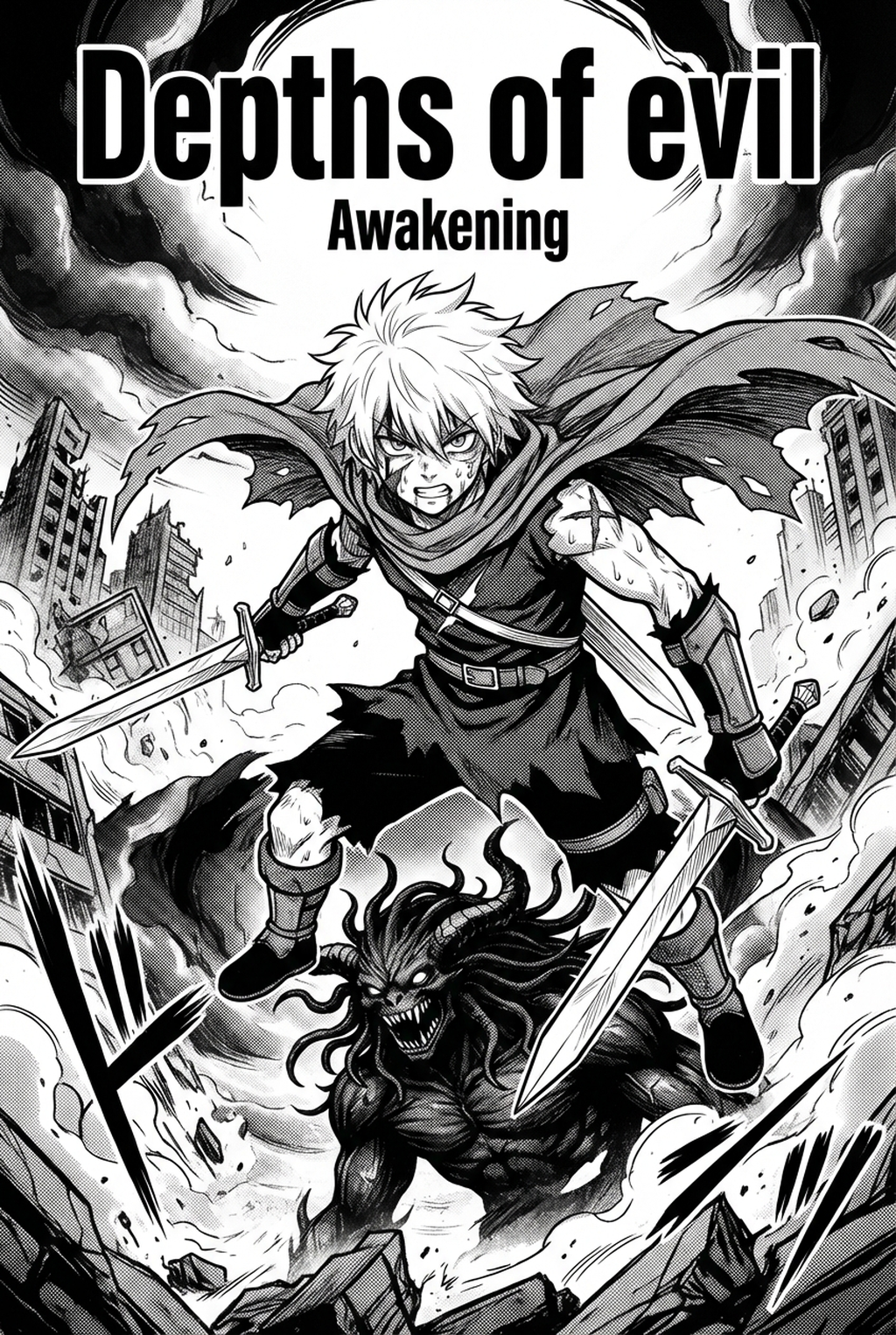
In high-intensity action, the standard rectangular grid often fails to convey the necessary sense of motion. You must utilize jagged, overlapping, or tilted panels to break the grid and mimic the explosive power of a character’s special move. When your panels tilt toward the center of the action, you naturally force the reader’s eye to accelerate, heightening the impact of every fight scene.
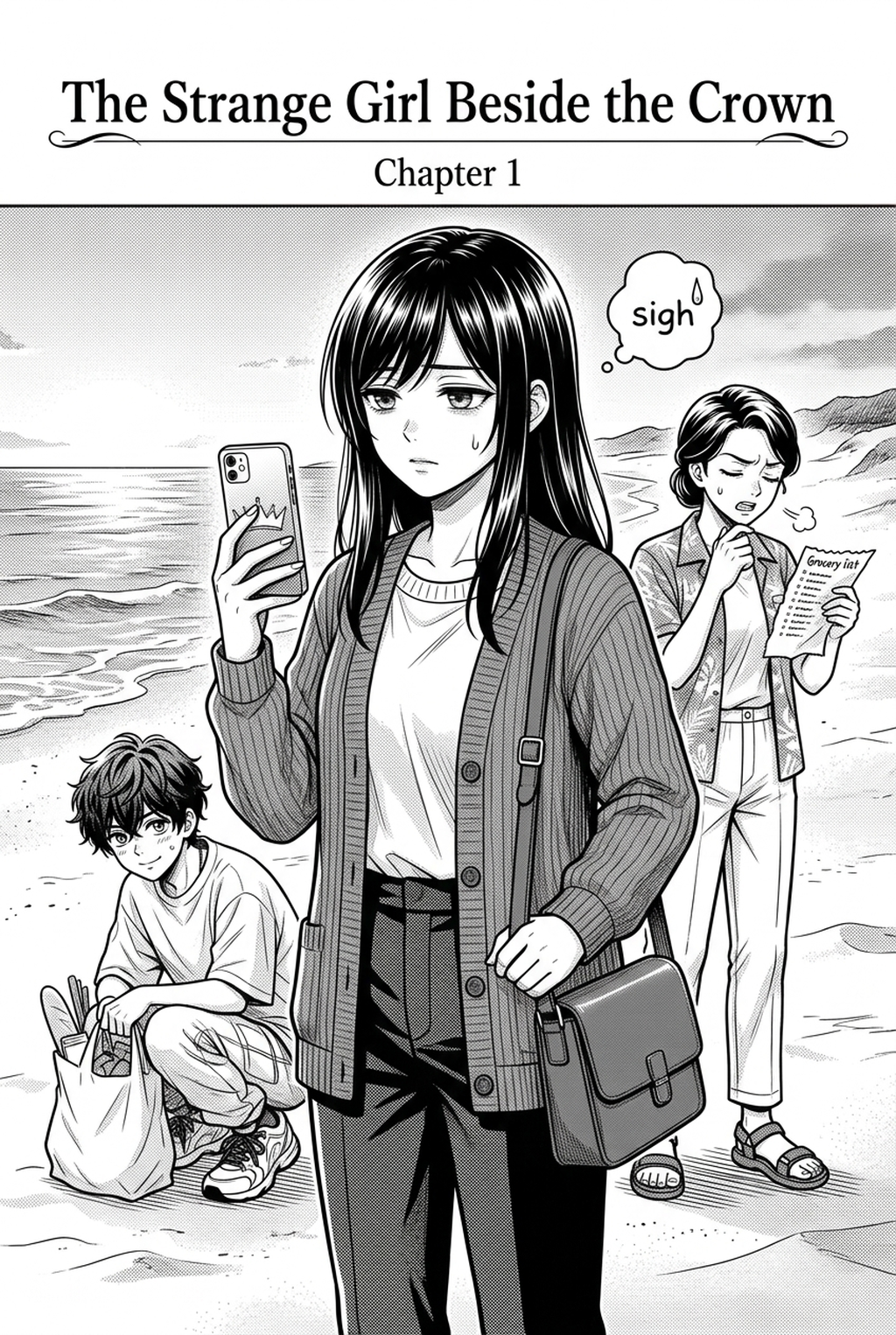
Quiet, character-driven pages require the opposite approach to prevent the reader from feeling overwhelmed. You should intentionally increase negative space and incorporate "breath" panels—still-life shots of the environment or close-ups on subtle facial expressions—to provide the reader with a moment to process emotional beats. Neglecting these pauses can make even the most poignant drama feel rushed or superficial.
Consistent gutter width and predictable dialogue flow are the unsung heroes of long-form chapters. If your reading path zig-zags unpredictably across the spread, the effort required to follow the sequence will lead to rapid mental fatigue. Reliable panel gutters serve as the highway for your audience, ensuring they reach the cliffhanger at the end of the chapter without feeling lost.
How Manga Storyboard Works with Mangaka
Mangaka utilizes an AI-driven engine to automate the structural heavy lifting of page layout, allowing you to focus on the "director’s cut" of your story. By inputting your specific narrative beats, the tool generates panel arrangements that adhere to professional visual flow standards, removing the mechanical friction of manually iterating on dozens of thumbnail variations.
Instead of spending days drafting and erasing layouts, you can generate multiple structural configurations in minutes. The tool automatically accounts for your character positioning and speech bubble requirements, ensuring that your layout actually supports the story beats rather than distracting from them. This shift allows you to act as a creative director rather than a laborer of repetitive drafting.
While the automation provides the structural speed, you maintain absolute creative control over the final output. The platform allows for manual overrides of panel borders, gutter sizes, and framing, meaning you can adopt the suggestions as a baseline and then tweak them to match your unique stylistic vision. If a specific panel requires a wider bleed for an action sequence, you simply adjust the anchor points directly in the interface.
Use Cases for AI Manga Storyboard Builder
Precision in your layout stage prevents common structural failures that plague amateur projects. For example, by AI AI Manga Storyboard Builder workflow Builder workflow with Mangaka you can test how different panel volumes impact your page pacing before you commit to final assets.
- Tangent Panel Correction: Avoids awkward gutter alignments where corners accidentally touch, which causes the reader's eye to jump incorrectly across the page. * Speech Bubble Balance: Accounts for the sheer volume of dialogue in text-heavy chapters, ensuring you don't run out of room for critical character art. * Visual Priority Checks: Verifies that the primary action or focal point of the scene is always the first element the reader encounters in every panel configuration.
How to Get Started with Mangaka
Transitioning from manual sketching to an automated storyboard builder is a shift toward higher efficiency. You can maintain your unique artistic voice while offloading the tedious geometry of page composition to the machine, resulting in a cleaner and more professional final export.
You should treat every chapter's storyboard as your primary review tool. By mocking up the page order and panel distribution, you gain a clear visual indicator of whether your story's tempo is working before you invest hours into inking and color rendering.
Start by uploading your script or scene description into the Mangaka storyboard builder and select your desired page format, such as the standard A4 or B5 sizes. The AI provides a structural draft, which you can then refine to ensure the character expressions and action sequences match your planned tone. Once satisfied, the exported layer structure simplifies the move to your favorite illustration software for final line art.
The Bottom Line
Mastering your creator workflow is the most efficient way to elevate the professional quality of your storytelling. By utilizing automated tools to handle panel arrangement, you remove the mechanical burden of drafting, leaving you more time to refine your character designs and narrative depth. Start your first storyboard project at manga storyboard to see how automated composition can improve your output and streamline your creative process.
Related articles
Drawing Manga Courtroom Scene Backgrounds: A 2026 Guide
Create Your Manga Storyboard Fast with AI Backgrounds 2026
Mastering the 4-Koma Comedy Manga Layout: A Guide in 2026