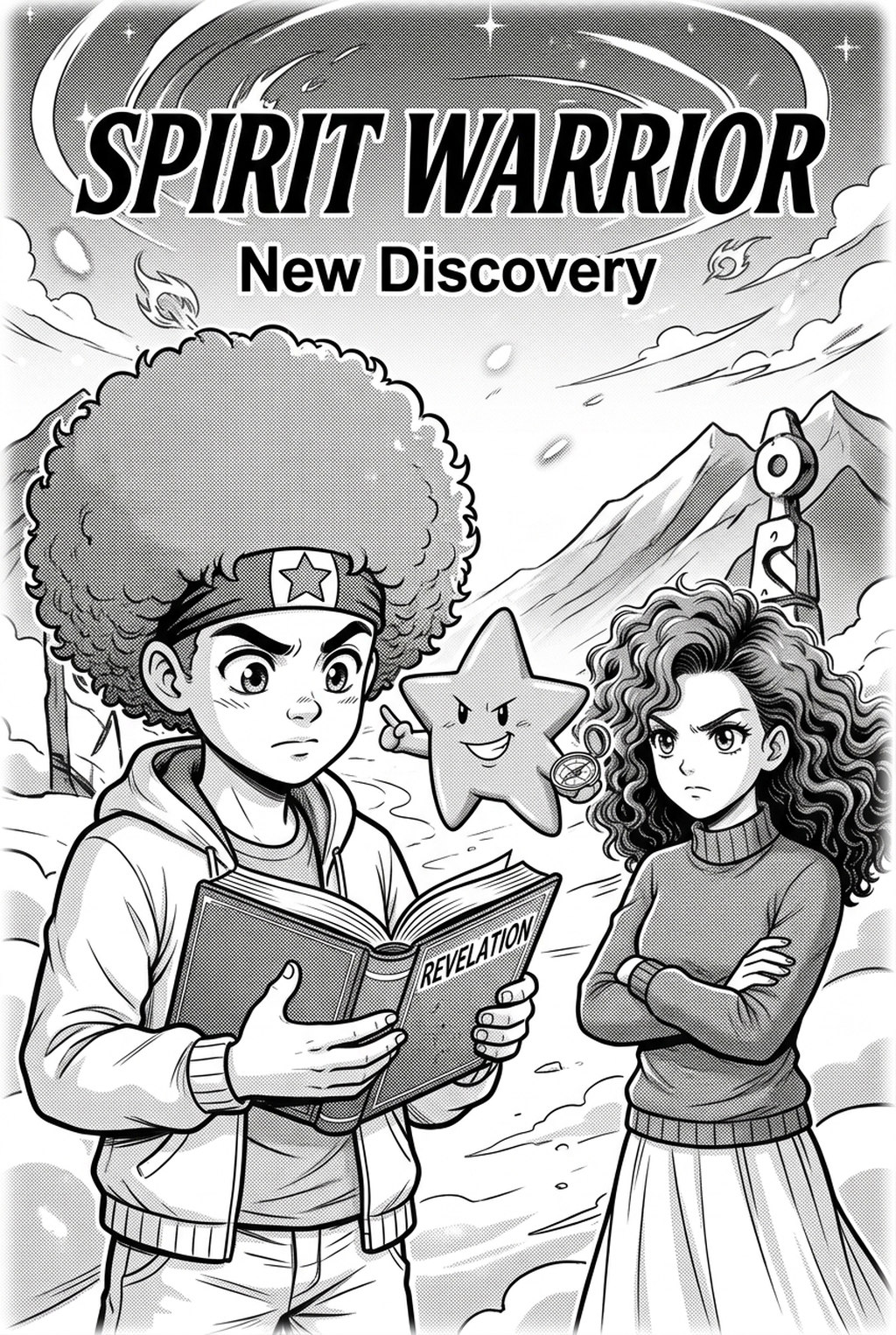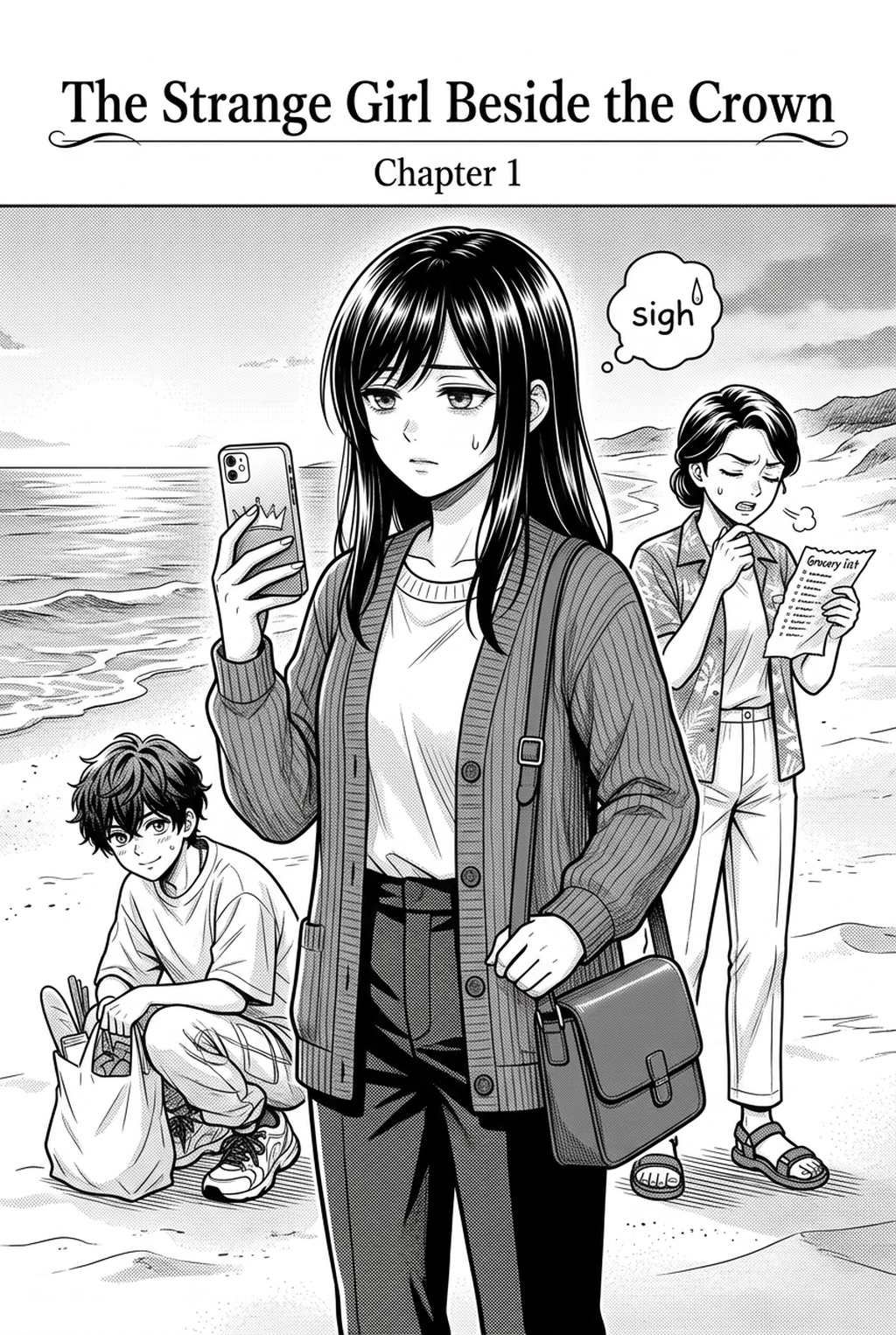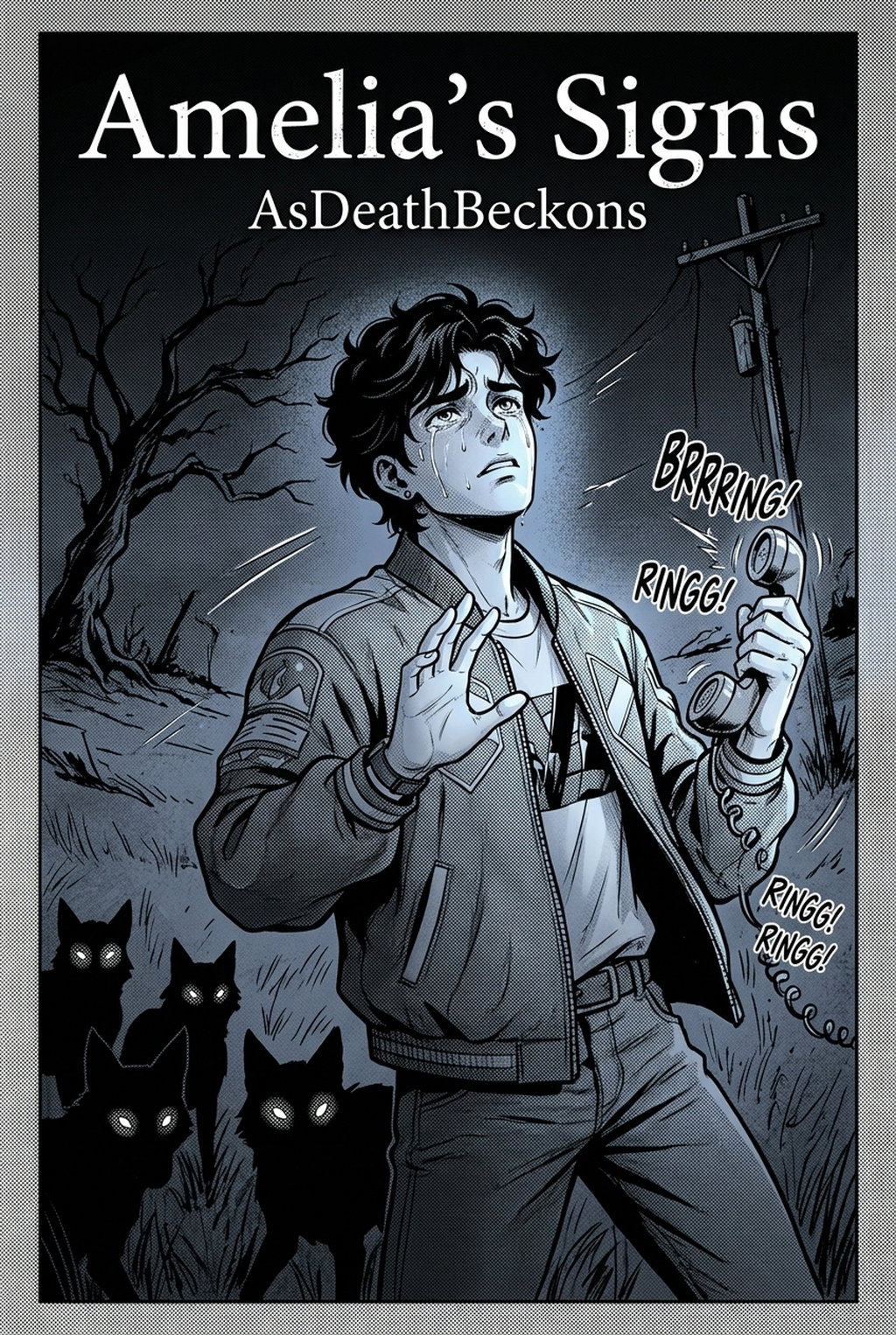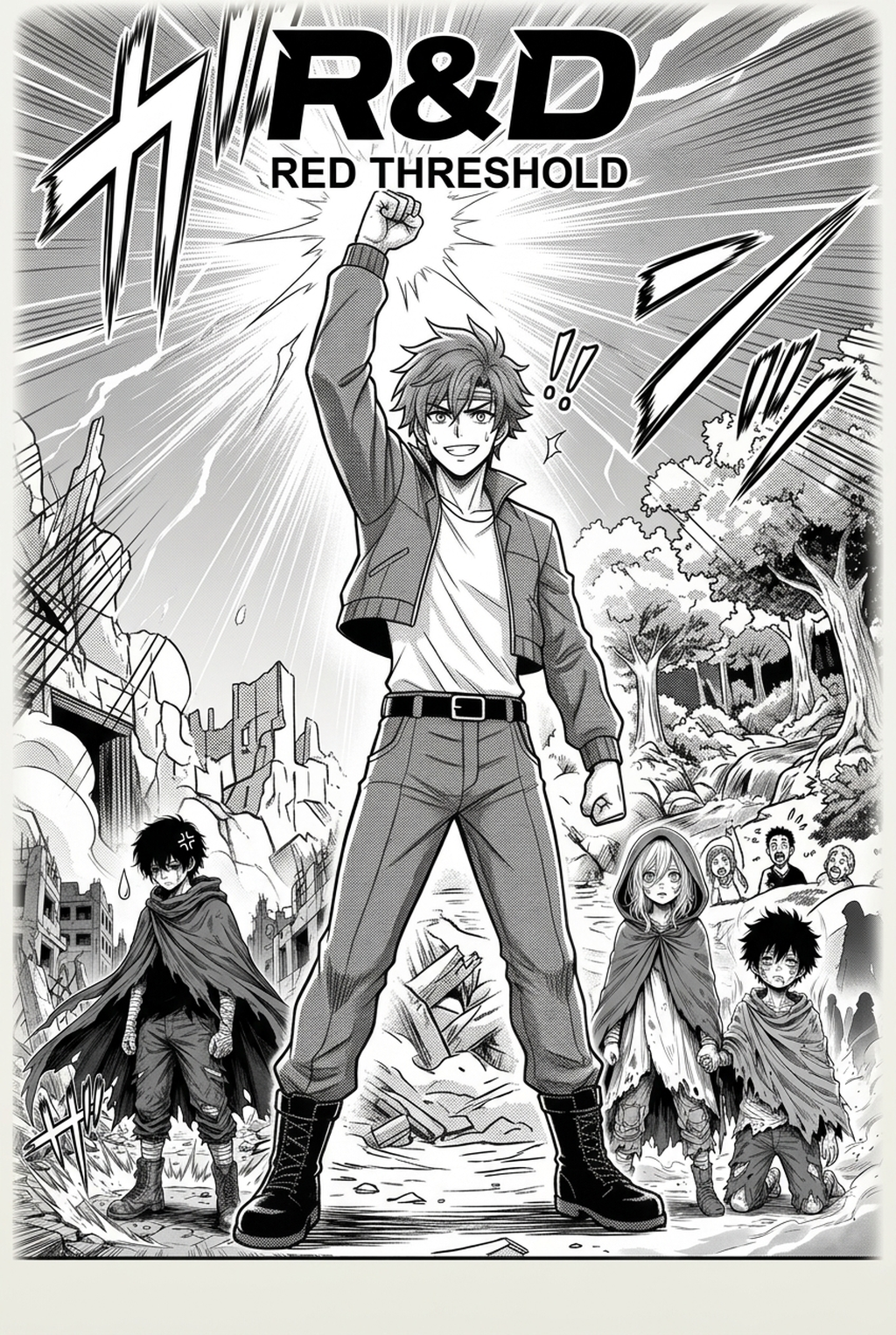
Defining the Structure of Your AI Manga Storyboard Builder
A storyboard is a rough visual draft used to determine the spatial relationship between characters and speech bubbles across a page spread. Unlike finished ink-and-tone work, the storyboard functions purely as a structural source context for the entire drawing process, prioritizing flow over polish.
By prioritizing composition over detail, you gain the ability to fix narrative pacing errors when the cost of correction is low. If your character’s reaction shot lacks impact in the rough, moving the camera angle or expanding the panel gutter now is significantly cheaper than redrawing high-resolution line art later in the workflow.
Why Narrative Planning Matters for Manga Creators
Effective planning allows for the deliberate control of "the turn," the essential emotional impact felt when a reader flips the page to reveal a significant plot beat or reveal. While writers often focus on dialogue, the physical placement of action panels within a vertical or horizontal layout determines whether a reader feels the intensity of a Shonen fight sequence or the lingering, melancholic tension inherent in Seinen character-driven drama.
- Line-weight drift: Without a structural map, your final inking may lose its consistency if you are forced to improvise panel borders mid-drawing. * Speech-bubble collision: When layout isn’t planned, you often find your final lettering obscures vital expressions or character anatomy. * Reader-eye-fatigue: Poorly aligned panels can force a reader to jump back and forth across the gutter, breaking their immersion in the story.
How the Mangaka Platform Builds Your Layout
Mangaka automates the tedious task of layout configuration by auto-arranging panels to match your specific narrative intensity requirements. Instead of wasting hours on iterative manual sketches that might result in disjointed flow, you input your script beats, and the system returns a structured, high-impact storyboard template.
This process handles the heavy lifting of composition, allowing you to focus on the "delivery format"—the specific emotional tone required for the scene. By managing panel geometry automatically, the tool prevents the common issue of misaligned gutters, ensuring your final high-resolution export files maintain perfect visual rhythm throughout the chapter.
The platform utilizes specialized algorithms to adapt to non-linear layouts, which are essential for creating dynamic action scenes. Rather than sticking to a grid, you can test radical panel shapes that push the boundaries of convention while maintaining standard reading order, a balance that is notoriously difficult to achieve with manual composition.
By using a central hub for your layouts, you avoid the common trap of character-proportion drift between different segments of your chapter. Every panel is generated with a consistent scale, meaning that when you transition from the storyboard to the final line-art phase, your character dimensions remain locked, significantly reducing the cleanup time needed during the later inking and toning passes.
Use Cases for Your Visual Draft
Solo creators benefit most from digital storyboards because the file acts as a "review owner" checklist before significant resources are committed to detailed illustration. By identifying weak plot points—such as a lack of tension in a dialogue exchange or a poorly framed action beat—in the rough-draft phase, you save time that would otherwise be lost to late-stage revisions.
AI-assisted tools provide a structural sandbox where you can rapidly test unconventional layouts that might challenge the reader’s perception. For example, in a high-octane battle scene, you might test a "bleeding" panel that spans two full pages to highlight a character’s transformation; if the impact isn't there, you can re-generate the structure in minutes rather than hours.
Many creators struggle with the transition from text-based scripts to the visual, three-dimensional world of manga. The platform acts as a bridge, helping you visualize perspective and anatomy in the initial "name" phase, providing a professional-grade scaffolding upon which you can refine your final, high-resolution line art.
- Chapter cadence. Use the AI pass for pages where speed matters most, such as repeated action poses, transformation beats, or dense speed-line panels. Keep manual cleanup for hero panels where the line style defines the emotional peak.
- Character continuity. Compare the generated lines against the same model sheet, costume notes, and facial-expression range used during sketching. This prevents a fast inking pass from drifting away from the character identity readers recognize.
- Export readiness. Check whether the final manga output can move into lettering, coloring, or final layout without rebuilding panel borders or speech-bubble space. A good manga workflow should save time while keeping the next production step predictable.
How to Get Started with the Digital Process
To begin your workflow, define your panel structure first, as this is the standard industry practice to ensure consistent pacing. You can start by organizing your beats at manga storyboard with Mangaka to generate your first professional-grade layout.
- Difference between a storyboard and a sketch: A storyboard is the structural map defining the rhythm, while a sketch is the early-stage drawing performed after the layout is finalized. * Handling non-linear layouts: Modern tools are fully capable of adapting to complex, non-standard panel flow requirements that deviate from simple grids. * Pacing consistency: Storyboarding every single page of your chapter is a necessary requirement to ensure the reader experiences the intended tempo without confusion.
Creators should compare the generated line art with the original sketch and confirm that facial expressions, props, speed lines, and speech-bubble space still support the scene. A repeatable review pass should cover character consistency, panel readability, background clarity, and whether the final file is ready for coloring, lettering, or editor feedback.
The Bottom Line
A well-crafted AI AI Manga Storyboard Builder workflow Builder workflow is the definitive barrier between a professional, high-impact release and a cluttered, confusing page that loses its audience. By utilizing an AI-driven build process, you can iterate significantly faster than manual methods allow, ensuring your narrative vision reaches the reader exactly as intended. Start your next project by defining your storyboard structure first to save hours during the final production phases by visiting the Mangaka storyboard builder today.
Related articles
How to Create a Manga Storyboard: A Step-By-Step Guide 2026
Manga Storyboard Guide: How to Plan Your 2026 Layouts
Mastering Manga Background Art: Techniques & Workflows 2026