Foundations of Visual Narrative Planning
A manga storyboard, frequently referred to as a "name," is a stripped-back, monochrome map of your page layout. Its primary function is to establish the spatial relationship between elements before you commit to detailed line art or complex character rendering.
- Camera Angles: Determining the Z-axis depth to decide if a panel requires a bird's-eye view for scale or a low-angle shot for character dominance. * Placement Logic: Positioning your character silhouettes relative to the gutter space to ensure the reader’s eye trace remains natural rather than jumping erratically. * Dialogue Priority: Anchoring text bubbles so they don't obscure crucial facial expressions or action lines within the panel frame.
Essential Benefits for Professional Narrative Flow
Creating an effective storyboard prevents the common failure mode of narrative drift, where the tension level drops because of a poorly timed page turn. You must treat the page as a singular ecosystem where the sequence of panels controls the speed of the reader's experience.
Strategic planning of your panel structure, or "koma-wari," directly influences the intensity of the scene. Larger, expansive panels act as "rests" in a musical score, providing the reader a moment to absorb the atmosphere of a scene. Conversely, tight, vertical sequences of smaller panels compress time, heightening the adrenaline in shonen fight choreography or the mounting anxiety in a psychological thriller. By finalizing this rhythm early, you avoid the cost of re-inking pages that simply lack the necessary punch.
How to Use Mangaka for Composition
Mangaka empowers you to bridge the divide between your text-based scripts and the final visual output by auto-calculating spatial distribution. This system analyzes your narrative beats to generate a framework where panel size, border thickness, and aspect ratios prioritize your intended emotional beats. By using manga storyboard with Mangaka , you ensure that your composition supports your story intent before you begin character rendering, directly addressing the pain point of "cluttered composition. The technology bridges the gap between text and art by:
- Generating Hierarchical Layouts: Automatically sizing panels based on their importance to the current narrative beat. * Aligning Eye-Trace: Calculating the most intuitive path for the reader across the spread to keep them immersed. * Maintaining Dramatic Tension: Applying specific layout rules for different genres—such as staggered gutters for tension—to ensure the visuals reinforce the script's mood.
Strategic Use Cases for Specific Genres
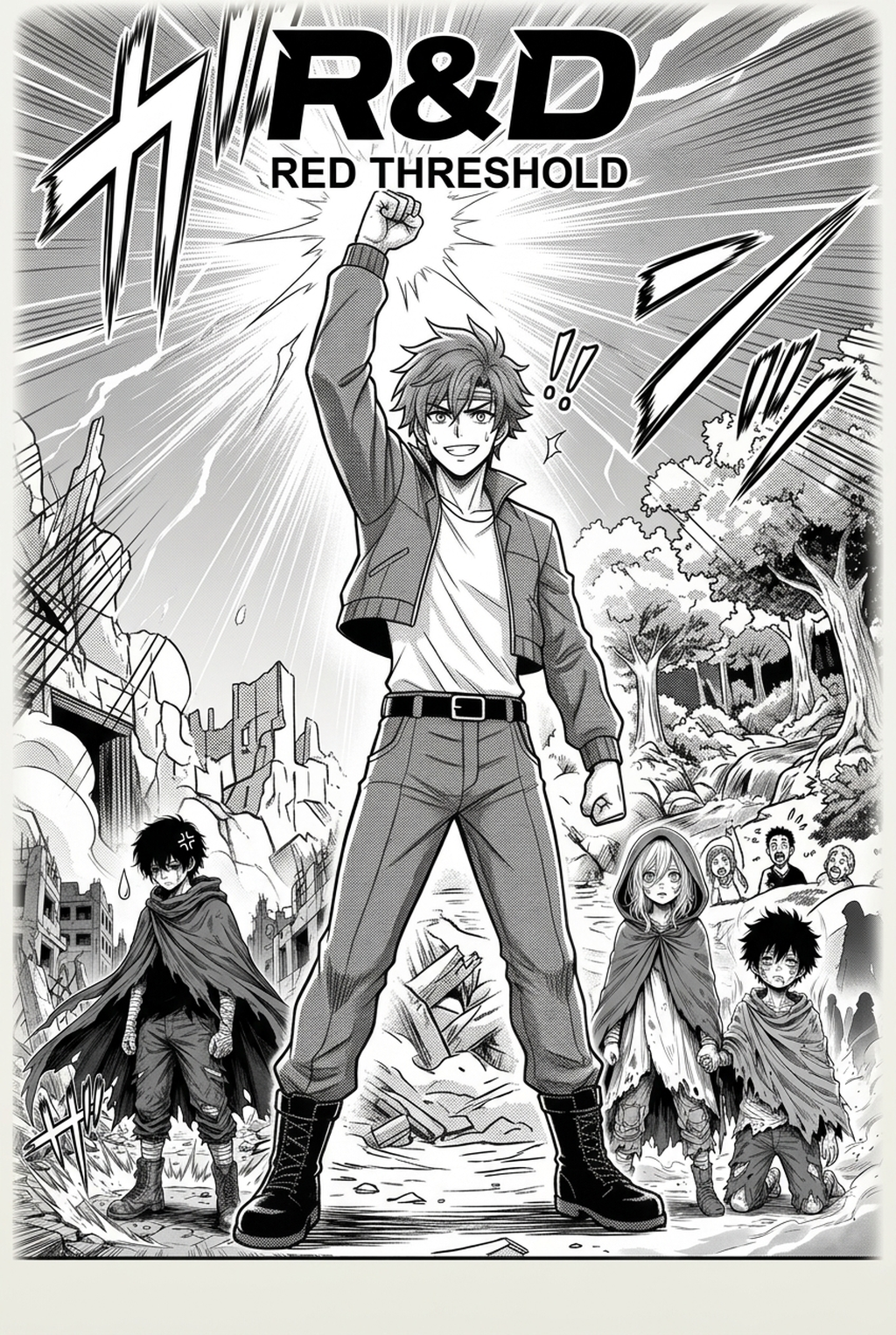
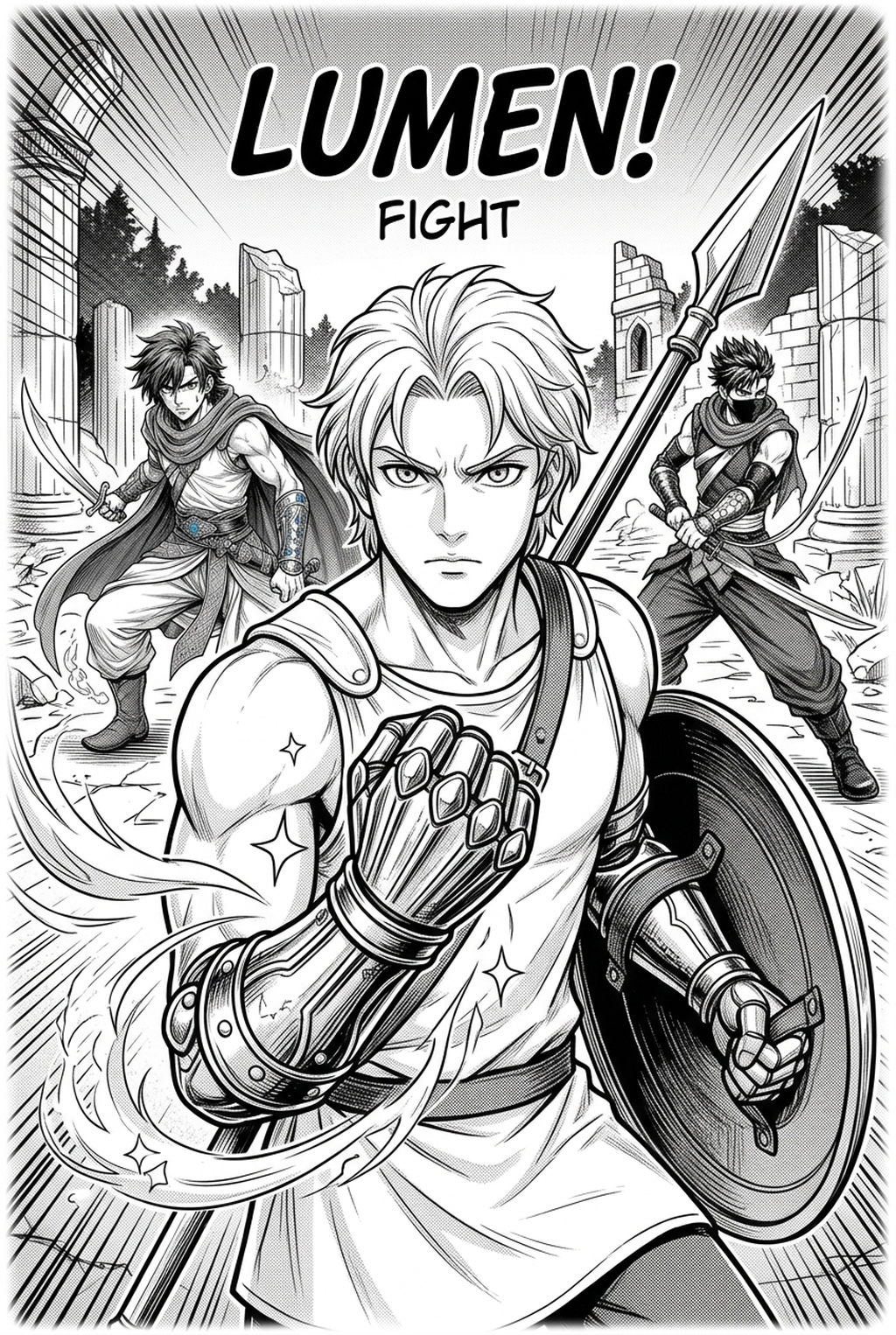
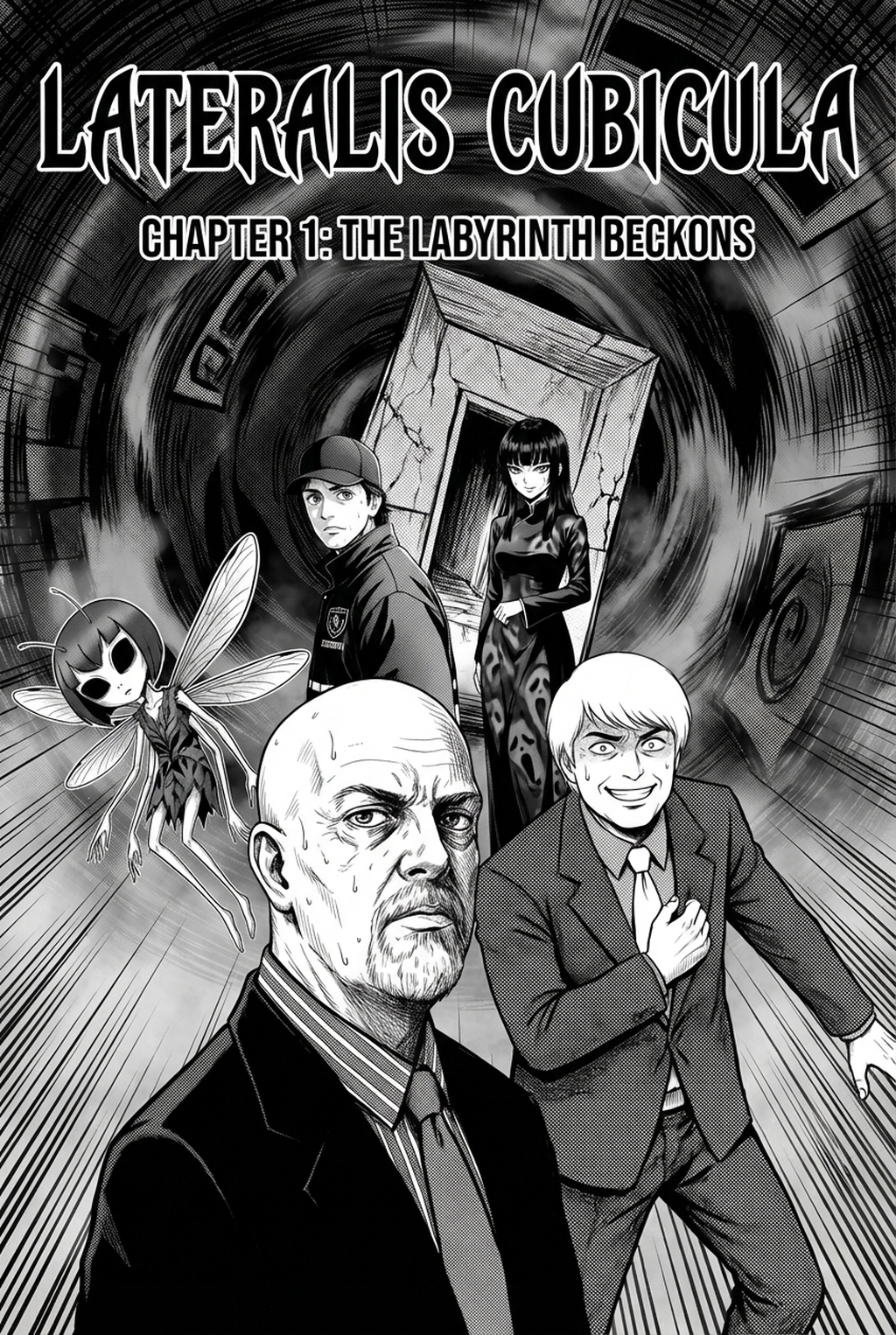
The way you structure your storyboard must evolve based on the genre expectations of your target audience. A rigid, box-heavy grid serves a slow-burn seinen psychological drama well, but it would actively stifle the kinetic energy required for a high-octane shonen action sequence.
- Shonen Kinetic Energy: Use diagonal panel borders and "bleed" layouts where the action spills off the page edge to force the reader to move faster, conveying speed and movement. * Seinen Atmospheric Pacing: Implement standard grid layouts and wide, cinematic aspect ratios that mirror the methodical, internal reflection of your protagonist. * Dialogue Anchoring: Utilize significant negative space within your panels in seinen titles to emphasize the weight of high-tension conversations, preventing the clutter that destroys dramatic timing.
- Chapter cadence. Use the AI pass for pages where speed matters most, such as repeated action poses, transformation beats, or dense speed-line panels. Keep manual cleanup for hero panels where the line style defines the emotional peak.
- Character continuity. Compare the generated lines against the same model sheet, costume notes, and facial-expression range used during sketching. This prevents a fast inking pass from drifting away from the character identity readers recognize.
- Export readiness. Check whether the final manga output can move into lettering, coloring, or final layout without rebuilding panel borders or speech-bubble space. A good manga workflow should save time while keeping the next production step predictable.
Getting Started with Professional Layout Techniques
To achieve a professional finish, you must resist the urge to jump into detail too early; a lack of planning leads to uneven weight distribution that ruins page balance. The most common error indie creators make is attempting to ink before the panel-to-panel flow has been validated against the script.
- Prioritize Eye-Trace Consistency: Your panels should be arranged so the reader's eyes naturally transition from the end of one dialogue bubble to the start of the next action, avoiding backtracking. * Manage Density Limits: Never allow text-heavy bubbles to crowd out character expressions; if a panel feels cramped, expand the gutter rather than shrinking the art. * Confirm Page Balance: Ensure your page layout isn't top-heavy or bottom-heavy by evaluating the total ink weight of your panel borders and character silhouettes against the open space.
- Before Export. Creators should compare the generated line art with the original sketch and confirm that facial expressions, props, speed lines, and speech-bubble space still support the scene. A repeatable review pass should cover character consistency, panel readability, background clarity, and whether the final file is ready for coloring, lettering, or editor feedback.
- For Longer Projects. Creators should save approved examples of line weight, face detail, clothing folds, and background density. Those references keep later chapters closer to the intended style. For collaboration, creators should mark which panels are final and which panels still need redraws. Clear status labels prevent an assistant, editor, or colorist from polishing the wrong version.
- For Publishing. Creators should review the page at the actual reading size before export. Small screens expose crowded dialogue, weak silhouettes, and line details that looked fine while zoomed in. For style control, creators should keep a short reference board beside the draft and compare hair shapes, eye details, costume folds, and texture choices before approving the final page.
The Bottom Line
Mastering the AI AI Manga Storyboard Builder workflow Builder workflow is the single most effective way to improve the quality of your finished work, serving as the professional foundation that makes the drawing process significantly faster and more rewarding. By prioritizing your narrative architecture through tools like manga storyboard , you build a layout that maximizes reader immersion.
Related articles
Mastering Manga Inking Techniques: A Modern Creator Guide
Mastering Manga Storyboard Tips for Professional Pacing 2026
Creative 4-Koma Strip Ideas: A Guide for Manga Authors 2026