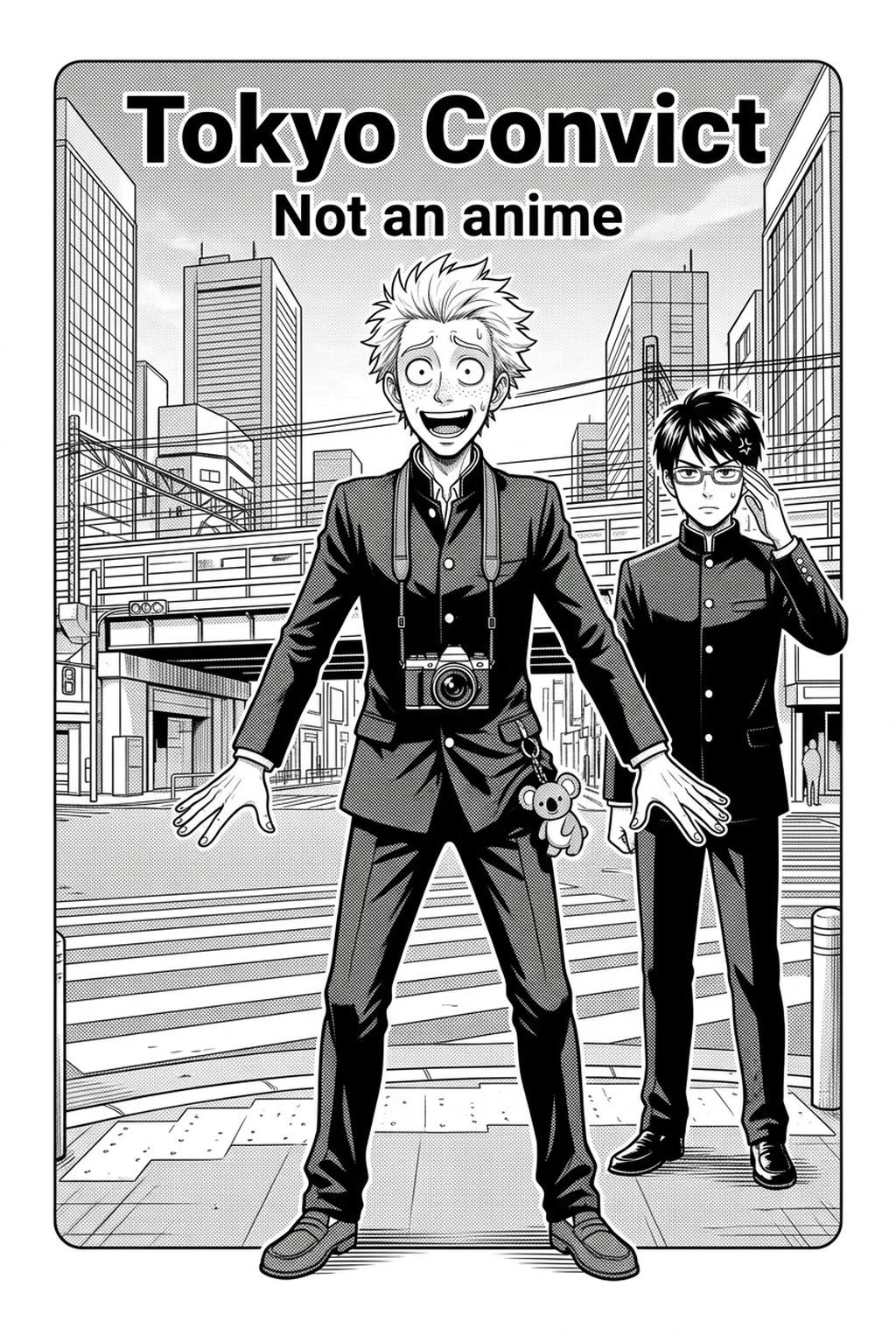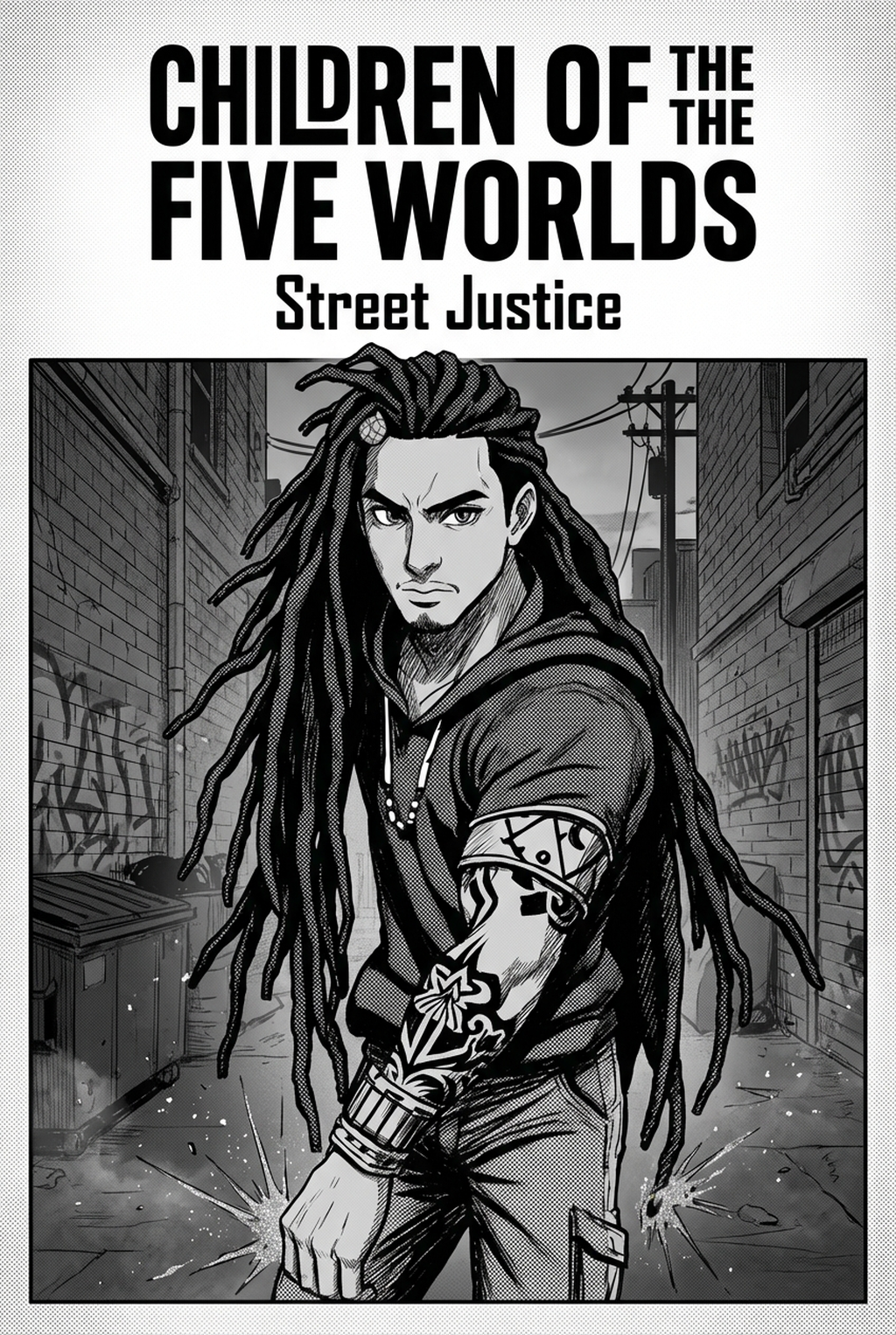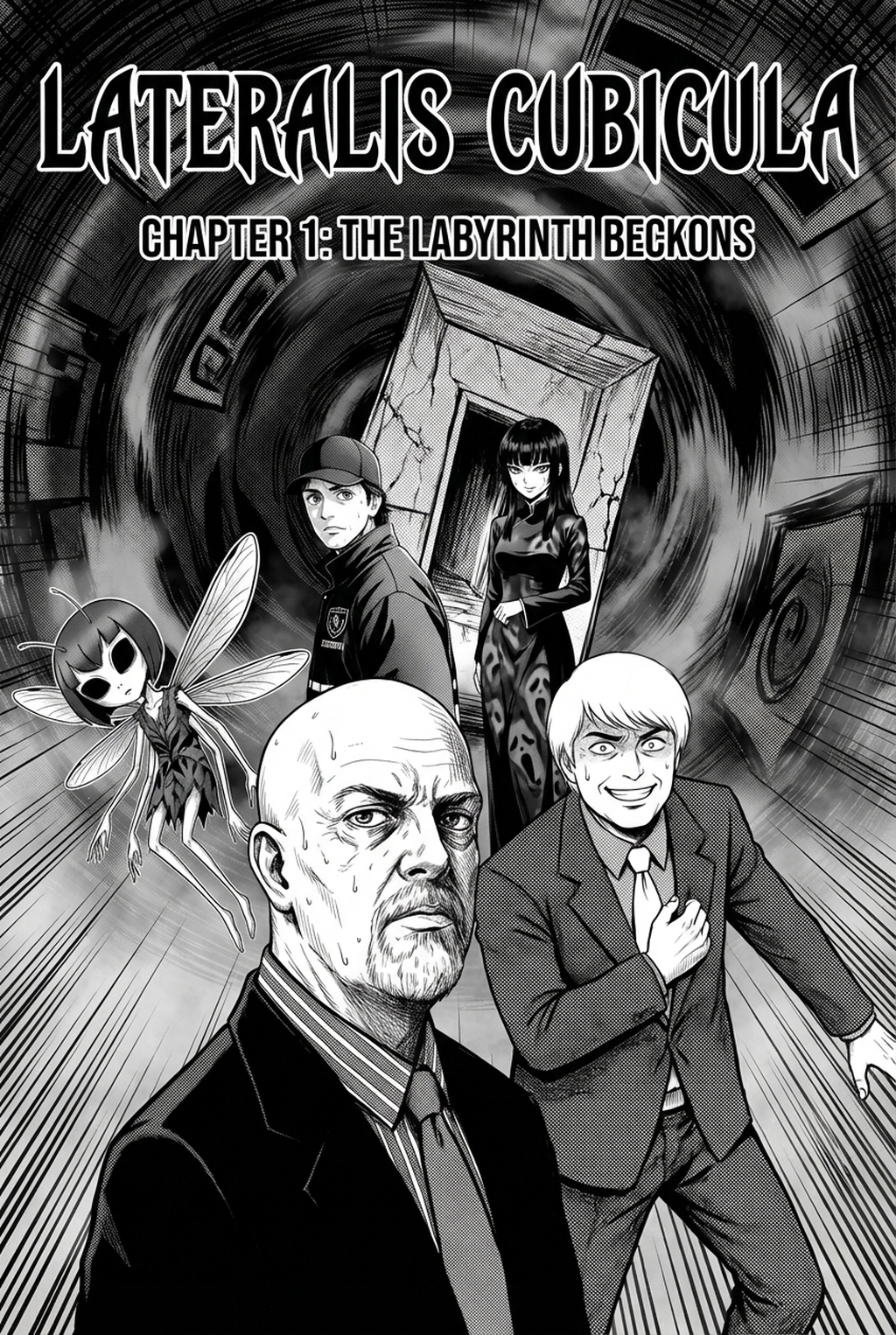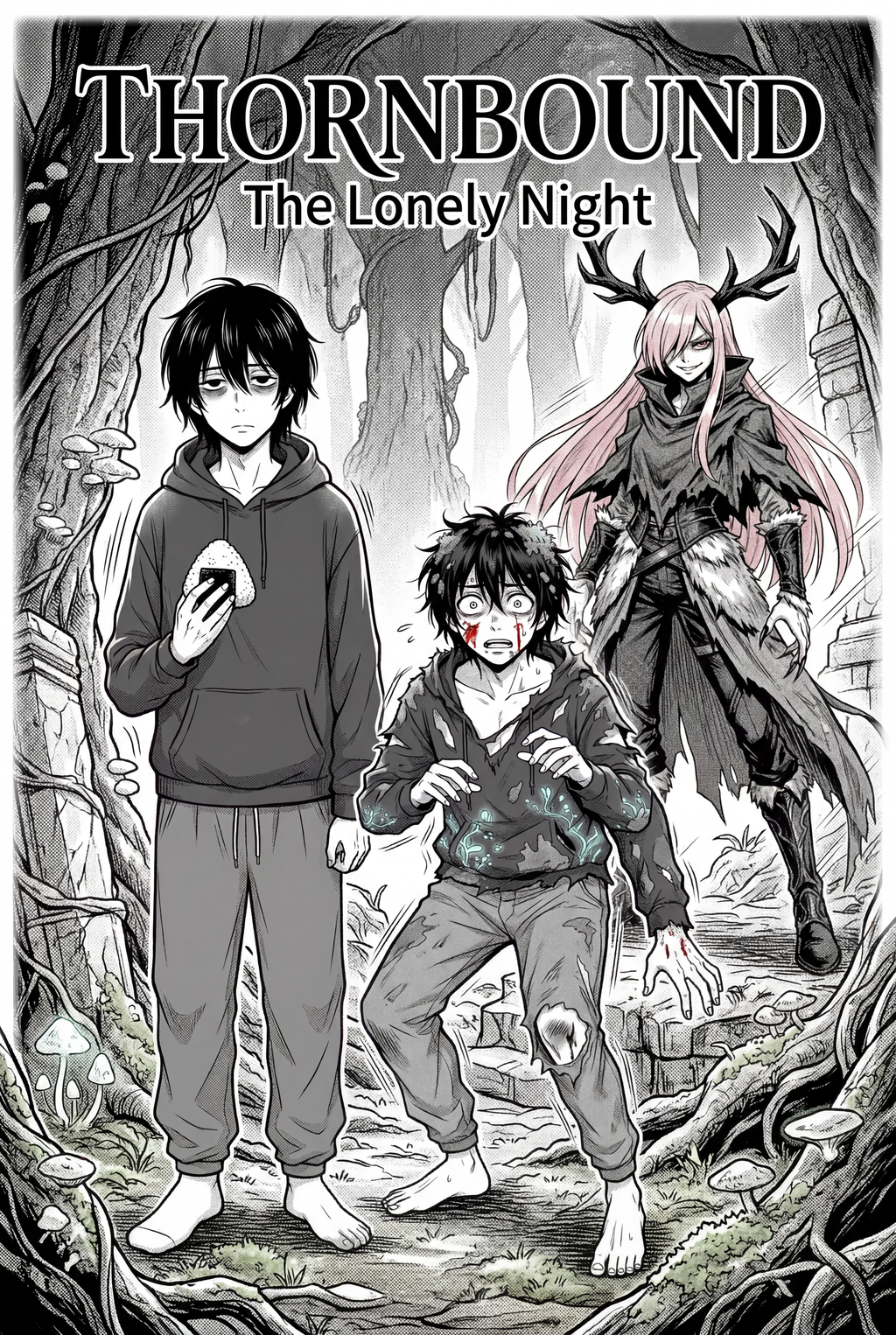
Defining the Narrative Blueprint
A manga storyboard is a low-fidelity visual map used by creators to outline page layouts and panel sequences before final inking begins. It functions as a narrative blueprint, prioritizing storytelling flow—known as koma-wari—over illustration detail to ensure the reader’s eye moves naturally across the page.
Key elements of an effective board include the precise placement of speech bubbles to avoid cluttering key action, the use of directional motion cues to guide the reader, and the implementation of establishing shots. Without this preparatory step, even the most skilled illustrators risk creating panels that feel disconnected or confusing, leading to a loss of immersion that cannot be fixed by fancy ink or digital tone work later.
Why Narrative Structure Matters
Effective storyboarding prevents pacing issues like 'stalling' or 'rushing,' which are common pitfalls for solo Shonen and Seinen creators. By separating the technical structure of the page from the actual illustration work, you can audit your narrative rhythm and adjust the visual hierarchy before investing dozens of hours into complex line art.
Shonen creators often utilize aggressive panel-size scaling to manipulate the reader's perception of time during high-stakes fight scenes. By rapidly alternating between large, wide-angle panels and narrow, vertical slivers, you increase the kinetic impact of a punch or a transformation, forcing the eye to accelerate across the page.
In contrast, Seinen manga creators typically prioritize atmospheric 'breathing room' through expansive white space and intentionally slower panel progressions. This focus on stillness allows for character development and world-building to land with more emotional weight, as the lack of aggressive panel boundaries encourages the reader to linger on specific, detailed compositions.
Successful action panels rely on a strict hierarchy where speech bubbles never obscure the focal point of the artwork. When sketching your layouts, ensure that you reserve 'safe zones' for text so that when you move to the inking and lettering phase, your bubbles don't accidentally cover the character’s eyes or the specific debris indicating motion, which would destroy the visual clarity of the scene.
Integrating AI into Your Page Planning
Modern AI storyboard builders automate the tedious technical aspect of panel-box arrangement, allowing you to manipulate narrative rhythm instantly without the need to erase and redraw physical sketches. This technology enables you to test multiple 'cinematic' camera angles—from dramatic low-angle hero shots to subtle, intimate close-ups—before committing to the final line art and color stage.
You can prototype entirely different flow formats with a few clicks, assessing how a traditional 9-panel grid compares to a more experimental, borderless layout in terms of emotional impact. This shift is vital for solo creators who often lack an editor to provide a second opinion on whether a page transition feels too jarring or if the 'Golden Ratio' of the panels supports the story's momentum.
By utilizing AI Manga Storyboard Builder for your initial drafts, you solve the persistent pain point of layout alignment. Instead of struggling with rulers and grids, you input your desired sequence of action, and the tool suggests panel arrangements that maintain character consistency and balance. This allows you to verify that your visual narrative flows smoothly before you ever pick up a tablet pen for the final polish.
Essential Use Cases for Page Drafting
Initial drafting involves mapping dialogue placement to ensure speech bubbles do not obscure the focal point of the art. When you have clearly defined boundaries early on, you can avoid the common mistake of 'squeezing' dialogue into corners, which creates a cramped and unprofessional reading experience.
Defining the ideal panel dimensions is crucial to control the speed of the reader's eye travel across the page. 618 ratio is a standard metric for major, high-impact panels, while narrower vertical panels are best suited for character-driven dialogue exchanges or internal monologue.
Finalizing the storyboard requires validating the 'continuity of action'—ensuring characters move logically across panel boundaries. If a character is on the left side of a panel during a strike, they should generally remain consistent in the subsequent panel’s composition to prevent spatial confusion that breaks the reader's suspension of disbelief.
- Chapter cadence. Use the AI pass for pages where speed matters most, such as repeated action poses, transformation beats, or dense speed-line panels. Keep manual cleanup for hero panels where the line style defines the emotional peak.
- Character continuity. Compare the generated lines against the same model sheet, costume notes, and facial-expression range used during sketching. This prevents a fast inking pass from drifting away from the character identity readers recognize.
- Export readiness. Check whether the final manga output can move into lettering, coloring, or final layout without rebuilding panel borders or speech-bubble space. A good manga workflow should save time while keeping the next production step predictable.
Getting Started with Professional Tools
You do not need to be a tech expert to integrate AI into your workflow; these modern builders are designed specifically for traditional artists who want to digitize and speed up their creative process. The key is to keep the storyboard simple—focus on composition, character placement, and dialogue flow rather than polishing faces or background textures.
Manual layout methods are notoriously slow, but using a builder significantly reduces the time spent on alignment. By focusing your energy on the narrative rhythm rather than the technical geometry, you ensure that your production speed remains consistent, allowing you to meet deadlines without sacrificing the artistic quality of your work.
The Bottom Line
A professional AI AI Manga Storyboard Builder workflow Builder workflow is the backbone of any successful comic, transforming a raw script into a high-impact, readable experience that keeps your audience engaged. Leveraging AI tools for your layouts is no longer an optional shortcut; it is a professional standard that allows creators to focus on high-level storytelling rather than manual alignment tasks. Visit manga storyboard today to start building your professional-grade storyboards and elevate your narrative flow.
Related articles
Manga Storyboard Techniques: A Guide for Creators in 2026
Manga Storyboard Techniques: Master Narrative Pacing in 2026
What Is a 4-Koma Strip? A Guide to Manga’s Famous Format