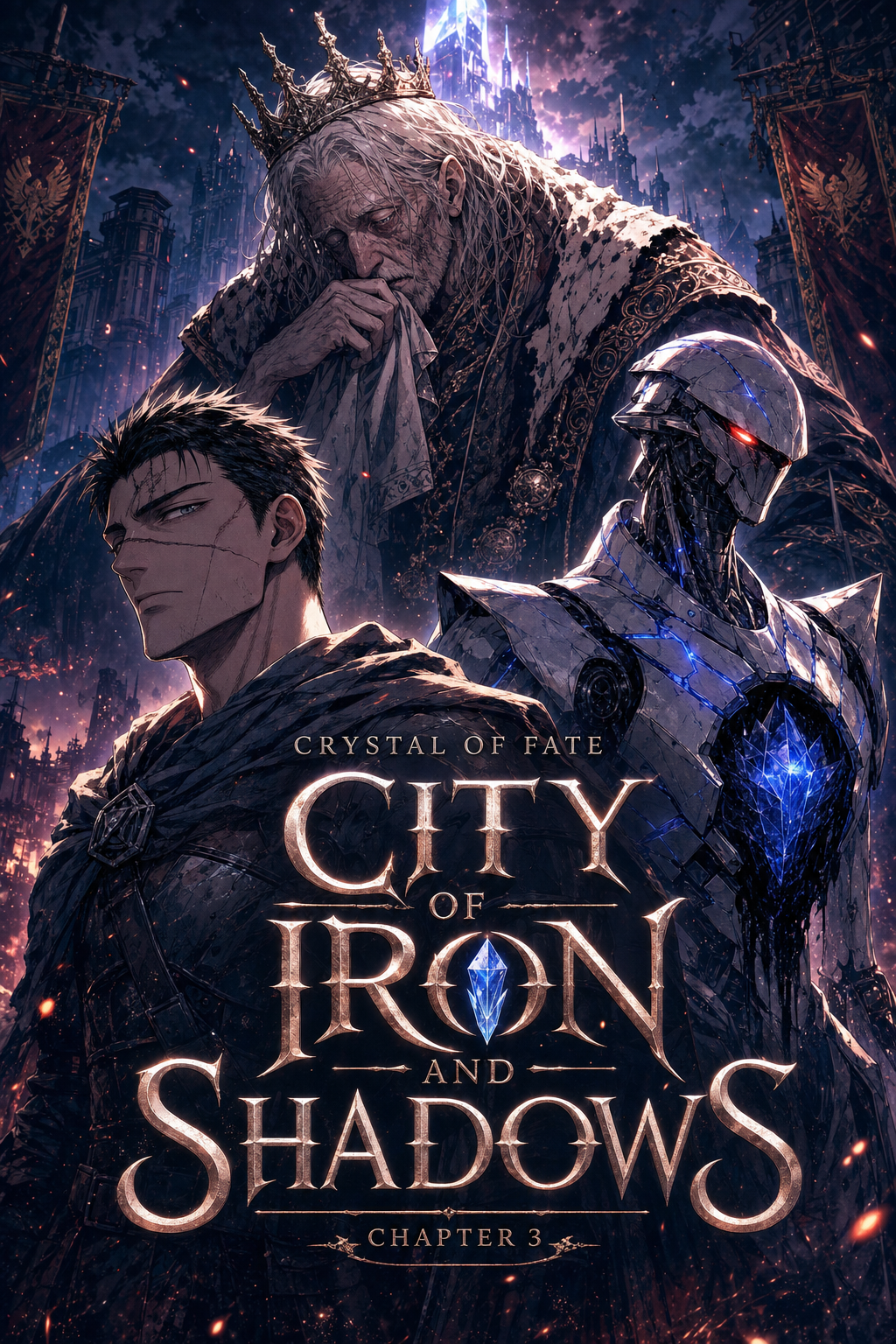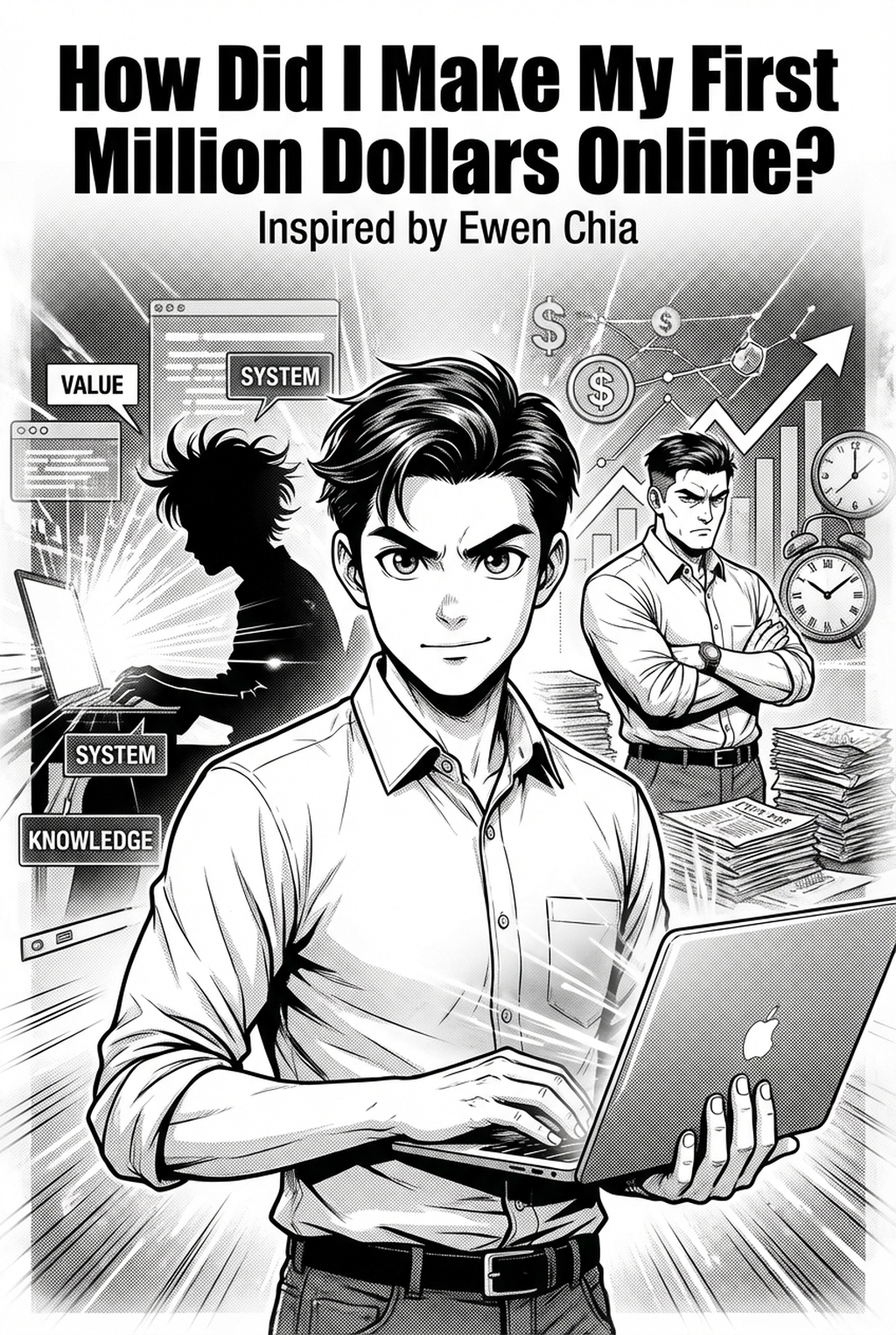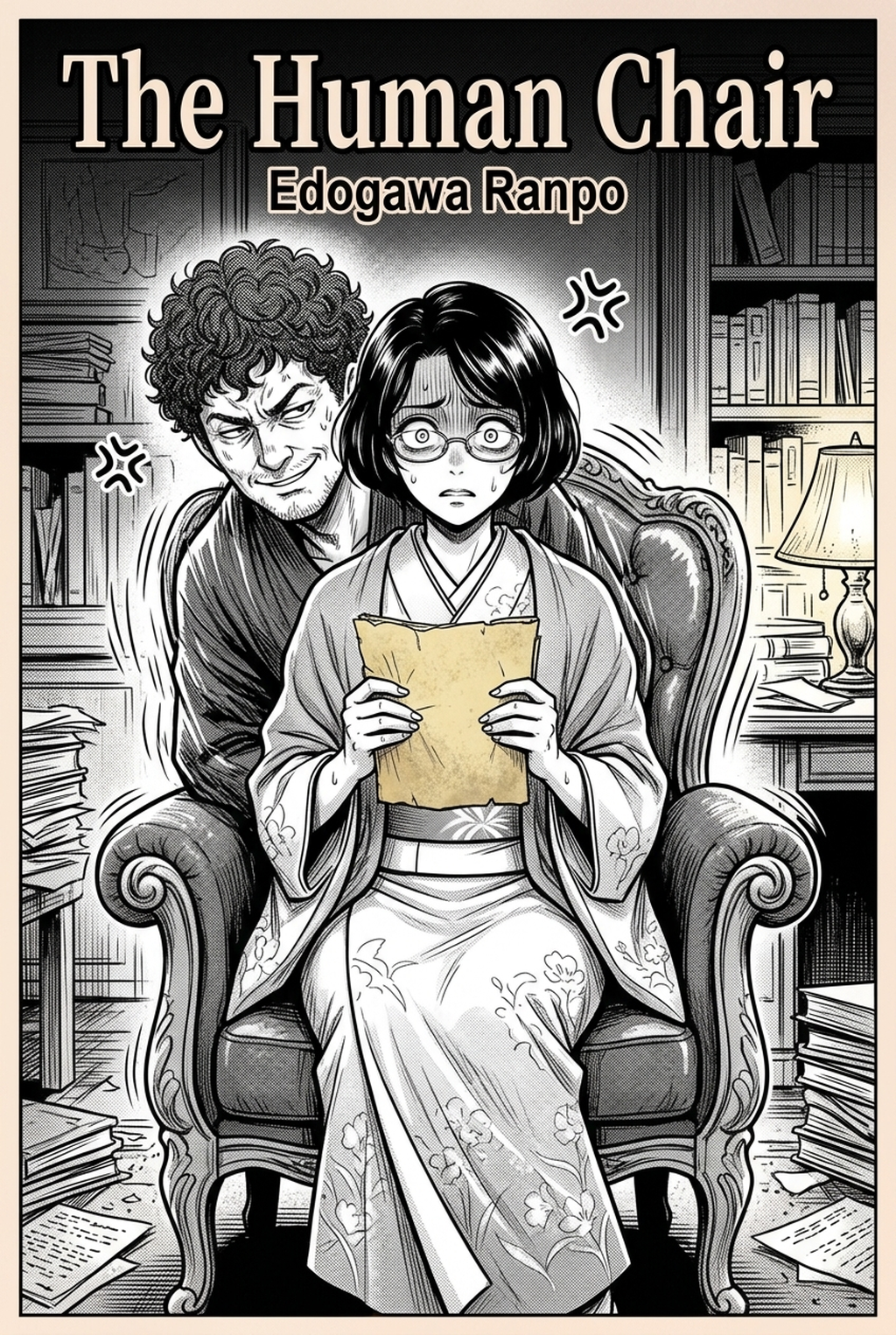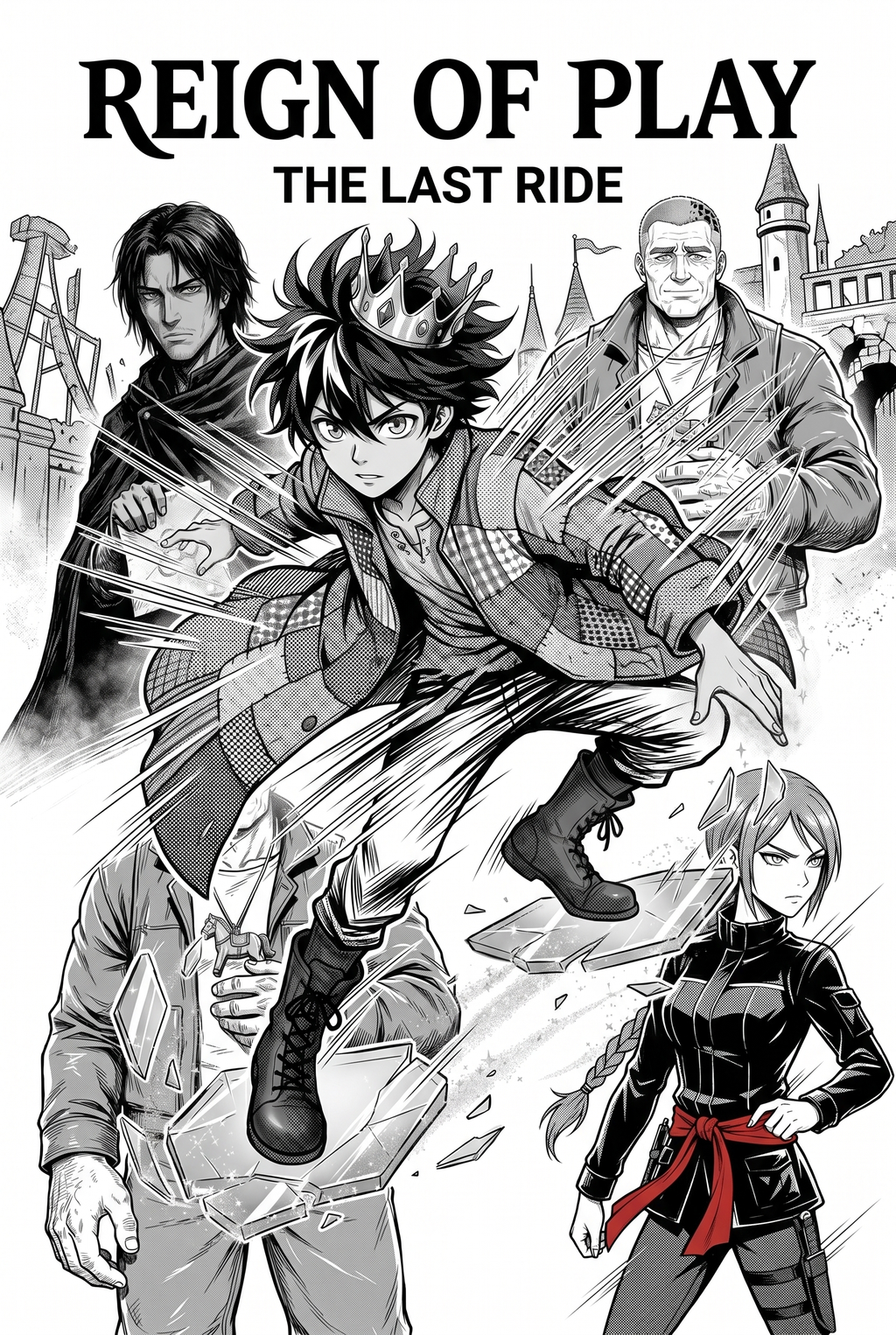
The Anatomy of a Visual Narrative
A manga storyboard acts as a low-fidelity, high-intent sketch of your page layout that locks down composition, panel sizing, and crucial eye-flow. It functions as the final checkpoint before committing hours to detailed line art, allowing you to catch errors in narrative density or visual clutter before they manifest as ruined pages.
Effective planning focuses on the structural logic of the page:
- Dynamic Panel Borders: Use varying border thickness to establish hierarchy, where thicker lines emphasize high-impact action or sudden revelations. * Character Positioning: Define where your subjects interact within the frame to maintain visual continuity across the entire sequence. * Bubble Placement: Plan the negative space for dialogue early, as poor text-block arrangement is the primary cause of cluttered, unreadable panels.
Why Planning Your Layout Matters
Effective narrative flow creates a seamless experience that carries the reader through intense sequences without causing them to double-back in confusion. When you neglect the structural flow of a spread, you risk breaking the reader's immersion, particularly when rapid dialogue sequences overlap with dense, atmospheric background art.
Prioritizing flow ensures that your "big reveal" pages—a staple in Shonen and Seinen—deliver the intended emotional punch. When an action sequence is poorly paced, the reader loses track of momentum, turning a climactic battle into a confusing series of static shapes rather than a kinetic, high-energy event.
Automated Storyboarding via Mangaka
The AI-driven Manga Storyboard Builder removes the technical friction of manual grid construction by intelligently suggesting layouts based on your narrative input. This tool utilizes algorithms to process your script’s core beats and generates optimized grid configurations that inherently support the visual intensity required for professional publication.
By automating the structural layout, you recover significant time to dedicate to the more expressive elements of your craft, such as nuanced character facial micro-expressions or specific hatching textures. This keeps the review focused on story intent, line weight, panel readability, and the export quality behind the final AI Manga Storyboard Builder output.
The platform goes beyond simple grids by analyzing your narrative content to calculate the optimal amount of white space. This prevents the "cramming" effect common in amateur work, where too many panels compete for attention on a single page. By defining your panel density in the pre-production stage, you ensure that every export maintains perfect character consistency and line fidelity regardless of the final zoom level.
- Grid Hierarchy: Auto-arranges panels to prioritize key narrative beats, ensuring the reader never skips over critical reactions. * Consistent Scaling: Prevents character proportion drift by locking dimensions across consecutive panels before the generation of final assets. * Export Ready: Facilitates a clean handover to your inking or coloring workflow by generating files in standard high-resolution formats like PNG or PSD.
Genre-Specific Panel Logic
Shonen stories necessitate expansive, high-energy layouts that frequently break the standard grid to emphasize fight choreography and massive power-ups. Conversely, Seinen works lean toward atmospheric pacing, often employing long, slower sequences that build psychological tension through quiet, character-heavy moments.
Regardless of your chosen genre, the industry-standard Rule of Three"—the sequence of establishing, action, and reaction—remains the backbone of successful storytelling. Failing to balance these three states usually results in a flat, repetitive page rhythm that drains the energy from your script.
Getting Started with Effective Storyboarding
Drafting a storyboard should be a fluid, rapid process that prioritizes raw rhythm and composition over final polish. If you find yourself spending more than thirty minutes on a single page’s layout, you are likely over-detailing the rough phase, which defeats the purpose of an experimental, plan-based workflow.
Utilizing AI-integrated digital tools for your initial sketches saves hours of manual correction, especially when you need to experiment with multiple page-turn options. A rough draft is merely an exploratory sketch, whereas a true storyboard is your locked-in plan; treating the two as distinct phases prevents the common mistake of trying to "fix" a broken composition during the final inking stage.
- Before Export. Creators should compare the generated line art with the original sketch and confirm that facial expressions, props, speed lines, and speech-bubble space still support the scene. A repeatable review pass should cover character consistency, panel readability, background clarity, and whether the final file is ready for coloring, lettering, or editor feedback.
- For Longer Projects. Creators should save approved examples of line weight, face detail, clothing folds, and background density. Those references keep later chapters closer to the intended style. For collaboration, creators should mark which panels are final and which panels still need redraws. Clear status labels prevent an assistant, editor, or colorist from polishing the wrong version.
- For Publishing. Creators should review the page at the actual reading size before export. Small screens expose crowded dialogue, weak silhouettes, and line details that looked fine while zoomed in. For style control, creators should keep a short reference board beside the draft and compare hair shapes, eye details, costume folds, and texture choices before approving the final page.
The Bottom Line
Mastering your page flow is the most effective way to elevate your work from a disjointed collection of drawings to a cohesive, professional-grade visual narrative. By leveraging the AI AI AI Manga Storyboard Builder workflow Builder workflow Builder to handle the mechanical hurdles of paneling, you are free to pour your creative energy into the emotional core of your storytelling. Start your next chapter by planning for impact, and you will find that your final inked pages hold the professional polish that every successful creator demands.
Related articles
What Is 4-Koma Manga? A Guide to Yonkoma Storytelling 2026
Essential Manga Storyboard Techniques for Better Pacing 2026
Manga Storyboard Guide: How to Map Out Your Narrative 2026