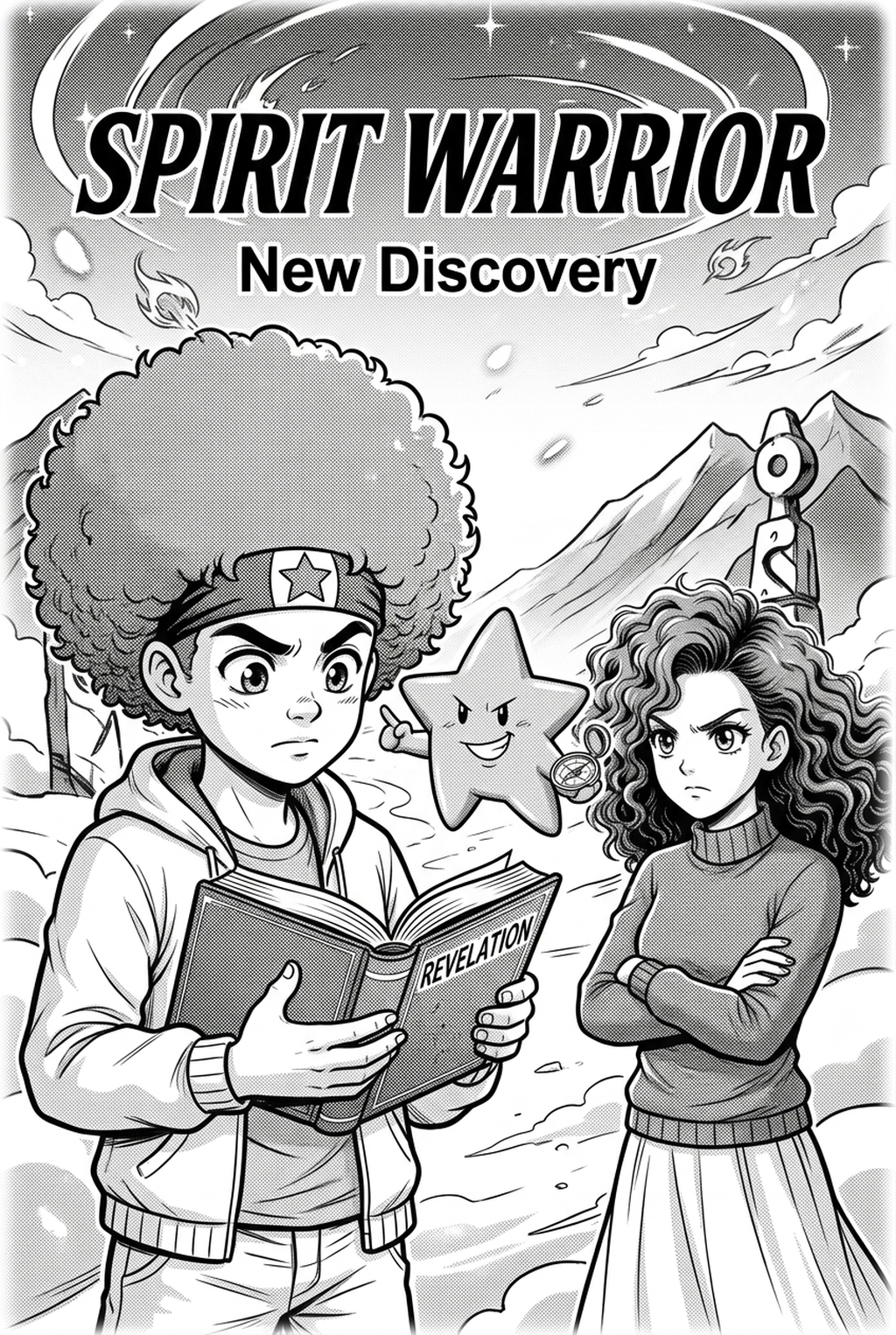
AI Manga Storyboard Builder: Essential Structure of a Storyboard
A storyboard acts as a structural prototype, defining the spatial relationship between characters and action to ensure your narrative hits every intended beat. It prioritizes reading rhythm by balancing dense, dialogue-heavy sequences with expansive, high-impact splash pages that provide visual breathing room.
In high-stakes Shonen action sequences, the Mane" (flow) and Koma" (panel) placement must guide the reader's eye across the gutter with surgical precision. If your panels are static or misaligned, the impact of a character's transformation or a high-velocity combat move is lost. You must treat every gutter as a temporal bridge that dictates how quickly a reader moves from one beat to the next, specifically keeping panel density low during rapid-fire physical confrontations.
Effective storyboarding prevents page clutter by establishing a clear visual hierarchy before a single stroke of ink touches the paper. By utilizing Gutter Logic"—the deliberate control of white space between panels—you can manipulate the reader's perception of time. In Seinen titles, narrowing the gutters between panels can accelerate the pacing, while increasing the distance between them creates a lingering sense of suspense or psychological weight that forces the reader to pause at a character reveal.
Why Planning Drives Narrative Impact
Planning allows you to test emotional beats without wasting hours on drawings that may fail to land. When you map out the "page turn" impact, you verify if a cliffhanger or a climactic reveal actually functions as intended within the constraints of your standard page count, such as a 20-page weekly update.
Establishing a layout strategy prevents the common mistake of overcrowding an A4 or digital workspace with too many panels. A professional storyboard should explicitly highlight the focal point of every page to ensure the eye knows exactly where to land first. If you find your dialogue bubbles covering more than 30% of the art, you must resize or shift the panels to maintain visual balance, a task that becomes significantly more difficult once inking and toning have begun.
How Storyboarding Tools Accelerate Production
AI Manga Storyboard Builders allow creators to instantly prototype layouts, shifting the focus from manual grid alignment to the emotional delivery of the story. By automating the placement of standardized panels, these tools ensure that your page dimensions remain print-ready for digital platforms or physical publication specs.
Auto-Arrangement for Rapid Iteration. Rather than spending hours drawing manual guide lines, you can use automated alignment to fix spacing issues instantly. This functionality allows you to test different panel shapes and sizes, ensuring that the "reading journey" is not interrupted by mechanical errors like inconsistent margin spacing or skewed perspective lines. When you AI AI Manga Storyboard Builder workflow Builder workflow with Mangaka , the tool effectively handles the complex math of geometric panel placement, leaving you to manage character posing and narrative intensity.
Use Cases for Architectural Layout Design
Every storyboard must define the primary focal point of the page to lead the reader's eye naturally from the top right to the bottom left. Using placeholder text or "draft bubbles" during this stage is the only way to determine if dialogue density matches the actual visual energy of the scene.
Detailed action lines and perspective markers should be clearly defined during the initial layout. If you neglect these structural markers, you risk character-proportion drift as you move from the thumbnail stage to final ink. Ensure that each panel contains the necessary metadata regarding character posture and depth, which acts as a guide during your final inking pass.
- Chapter cadence. Use the AI pass for pages where speed matters most, such as repeated action poses, transformation beats, or dense speed-line panels. Keep manual cleanup for hero panels where the line style defines the emotional peak.
- Character continuity. Compare the generated lines against the same model sheet, costume notes, and facial-expression range used during sketching. This prevents a fast inking pass from drifting away from the character identity readers recognize.
- Export readiness. Check whether the final manga output can move into lettering, coloring, or final layout without rebuilding panel borders or speech-bubble space. A good manga workflow should save time while keeping the next production step predictable.
Getting Started with Professional Planning
Storyboarding is a functional roadmap for narrative flow, whereas a rough sketch is merely an artistic study of a single pose or expression. You do not need to be a professional illustrator to master the structural elements of storyboarding, as the core requirement is an understanding of pacing and layout rather than mastery of complex brushwork.
Testing the Page-Turn Effect. The most reliable way to test your story's pacing is to print your storyboard on standard A4 paper and physically flip through the pages. If you find yourself rushing through a sequence that should feel heavy, or if a slow, dramatic beat ends too abruptly, you know exactly where to shift your panels or adjust the size of your splash pages. This physical review process acts as a final sanity check before you finalize your manga page storyboard and commit to the long-term production of individual panels.
Creators should compare the generated line art with the original sketch and confirm that facial expressions, props, speed lines, and speech-bubble space still support the scene. A repeatable review pass should cover character consistency, panel readability, background clarity, and whether the final file is ready for coloring, lettering, or editor feedback. For longer projects, creators should save approved examples of line weight, face detail, clothing folds, and background density. Those references keep later chapters closer to the intended style.
The Bottom Line
The creator workflow serves as the essential bridge between a written script and a finished, high-quality chapter, ensuring your narrative flow is locked before you invest time in final art. By adopting a structured approach—or utilizing manga storyboard for your next project—you can eliminate common layout failures and focus on delivering a professional, engaging reading experience.
Related articles
Create Your Manga Storyboard Instantly with AI Tools 2026
What Is a Manga Storyboard? Mastering Narrative Pacing 2026
How to Create a Manga Storyboard: A Step-By-Step Guide 2026