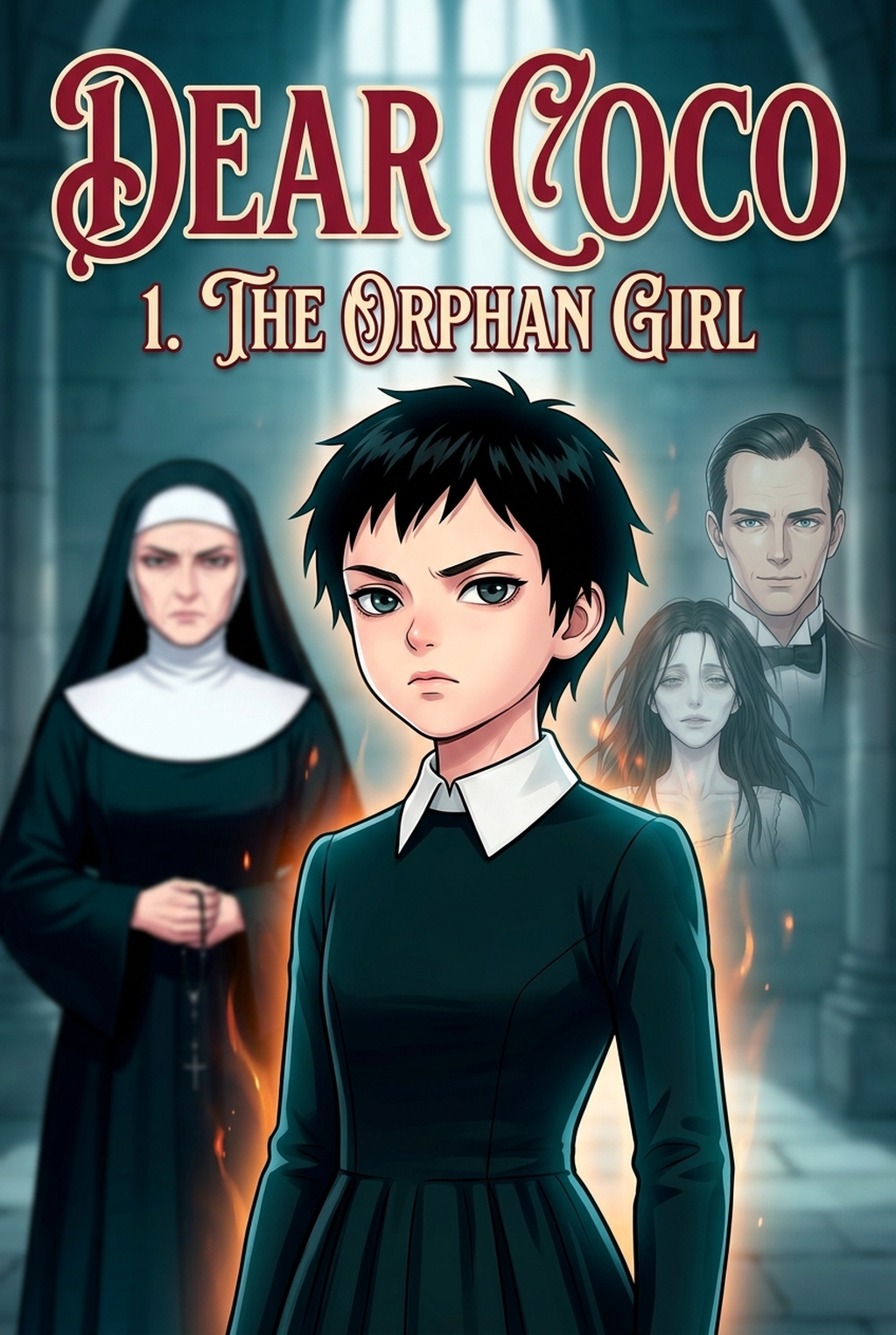
AI Manga Storyboard Builder: Understanding the Mechanics of Narrative Pacing
Effective panel composition relies on the 'Z-path' flow, ensuring the reader's eye naturally travels from the top-right corner across to the left, then down to the next row. If you ignore this standard movement, your action sequences will feel disjointed, regardless of how high your artistic skill is.
Balance is achieved by alternating between large 'splash' panels for emotional emphasis and smaller, tighter panels to increase tension or speed up dialogue sequences. Using a full-page bleed for a major character revelation acts as a visual reset, while a dense 7-panel tier forces the reader to slow down and absorb granular dialogue details.
- Shonen dynamic layouts: Prioritize wide-angle action panels that span multiple horizontal tiers to capture kinetic energy and explosive movement. * Seinen atmospheric framing: Utilize cinematic, detailed negative space to build psychological depth, often sacrificing panel count to focus on environmental mood.
Why Structural Standards Define Professional Quality
Professional layouts must account for standard bleed and trim zones to prevent art loss during the printing or digital export process. If your inking extends too far into the trim zone, your character faces or crucial action effects risk being sliced off by automated printing hardware, which ruins your composition.
Creators should define clear page breaks and gutter spacing, as inconsistent margins can disrupt the immersion and professional feel of a chapter. When you ignore these gutters, panels bleed into each other, creating visual "tangents" that confuse the reader’s perception of time and space.
- Gutter consistency: Maintain a uniform 5mm to 10mm gap between panels to establish a rhythm that tells the reader exactly when a scene has transitioned. * Bleed zone management: Ensure all high-impact, full-bleed images extend at least 3mm beyond the final trim line to guarantee a crisp, edge-to-edge finish in physical print. * Tiered panel alignment: Align your tier boundaries to ensure that even complex, irregular panel shapes still guide the reader’s eye downward in a predictable zig-zag.
Leveraging AI for Structural Panel Logic
AI storyboard builders assist creators by auto-arranging panels based on narrative requirements, removing the technical friction of manual grid-drawing. Instead of spending hours measuring millimeters to ensure your grid is perfectly aligned, the system establishes a skeletal frame that fits your specific genre conventions.
These tools allow for rapid iteration of layout variations, enabling creators to test different flow patterns before committing to detailed inking. By focusing on the structural logic of a scene, you can generate multiple arrangements for a single script beat to see which version creates the most impactful visual tension.
The Manga storyboard layout with Mangaka specializes in this workflow, ensuring that the structural arrangement of your storyboards precedes the generation of final line art. By establishing the page structure first, you avoid the common trap of having to redraw your ink lines because the panel grid was too cramped or poorly scaled for the dialogue bubbles.
Avoiding Common Layout Pitfalls
A frequent mistake is 'over-cluttering' the page, which occurs when too many panels are forced into a single sequence, losing the reader’s focus. This keeps the review focused on story intent, line weight, panel readability, and the export quality behind the final AI Manga Storyboard Builder output.
Creators often struggle with 'tangents'—where lines from different panels accidentally align, causing visual confusion and breaking the reader's immersion. When a background building line in one panel aligns perfectly with the edge of a character’s arm in the next, the eye stops moving, killing the story's momentum.
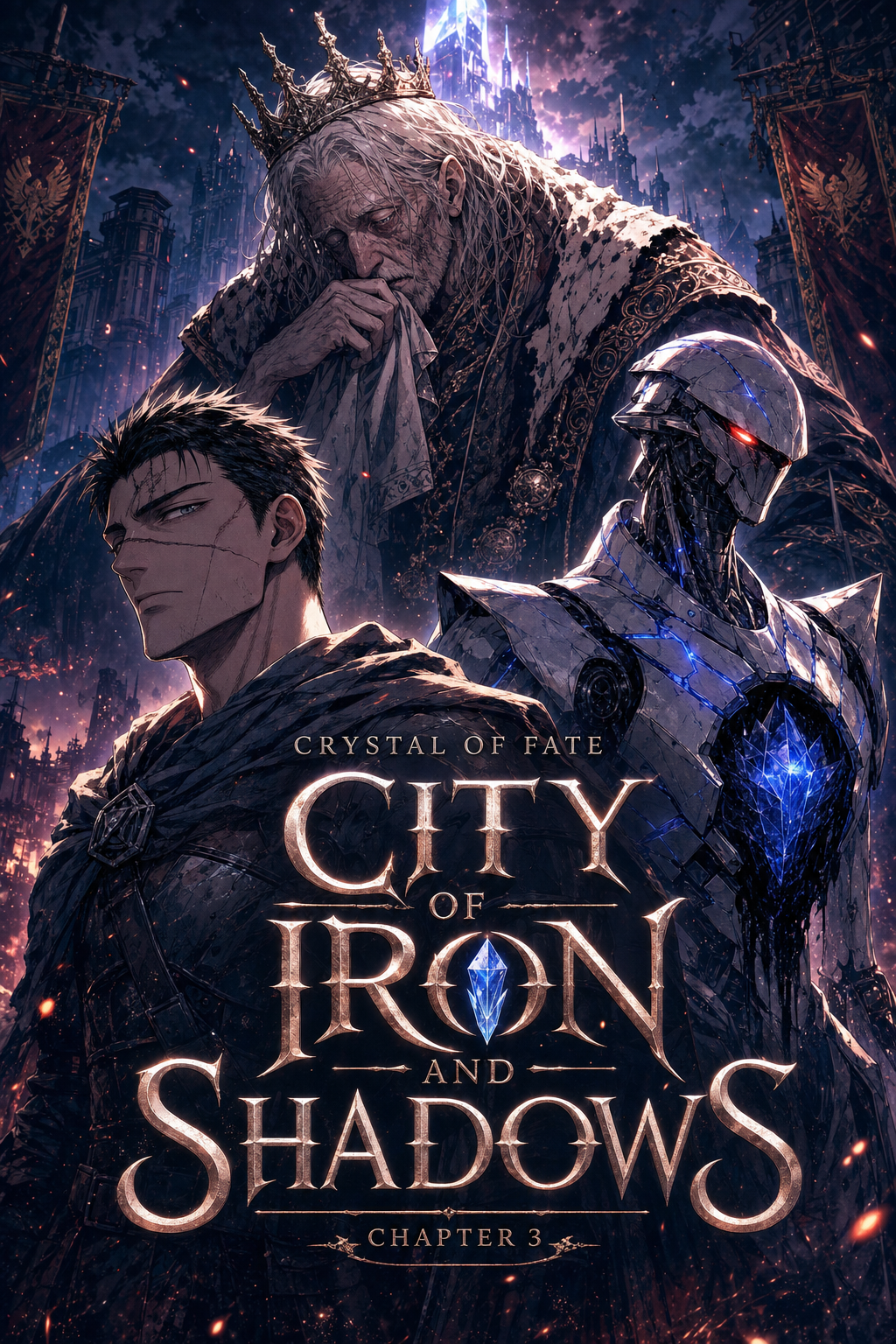
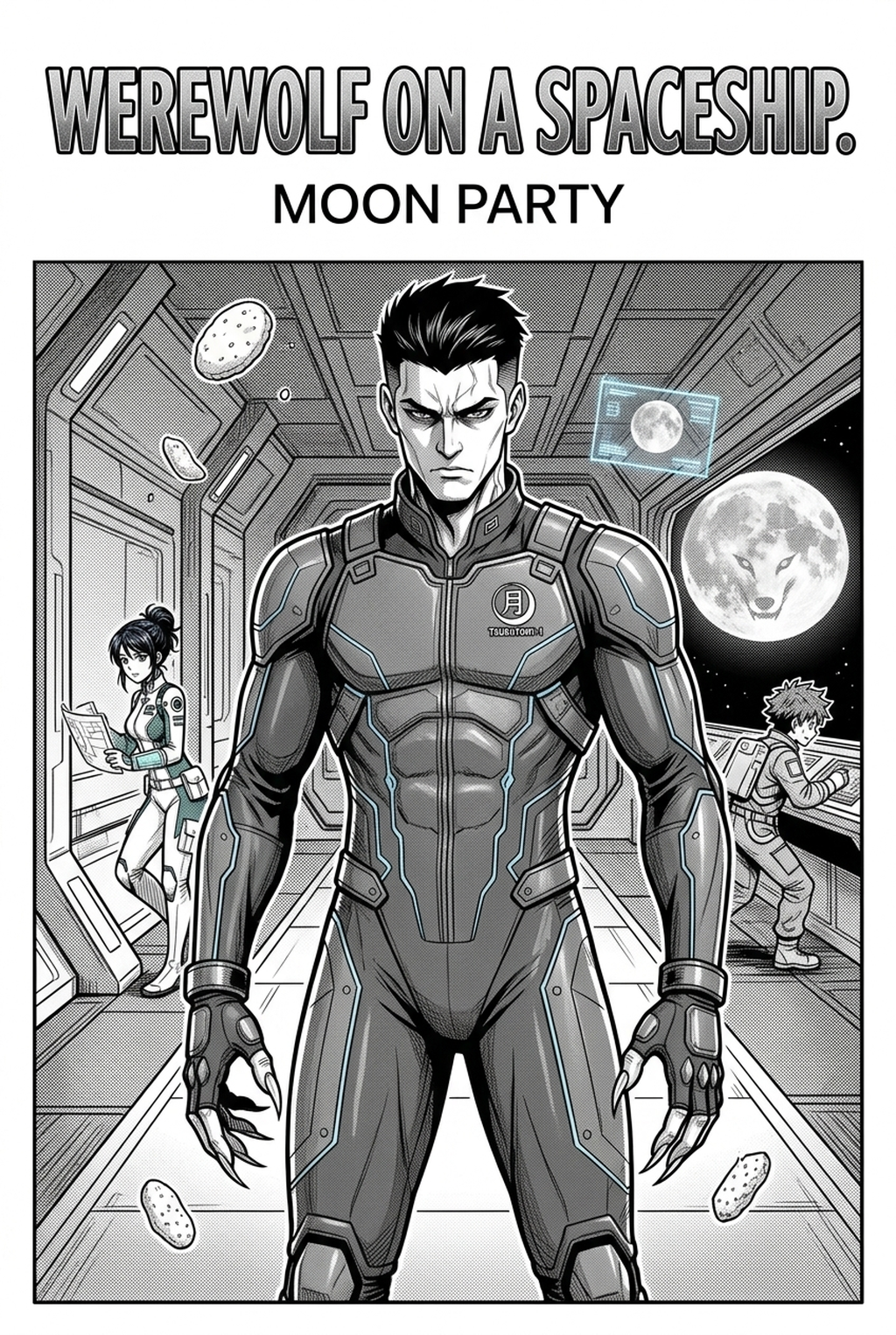
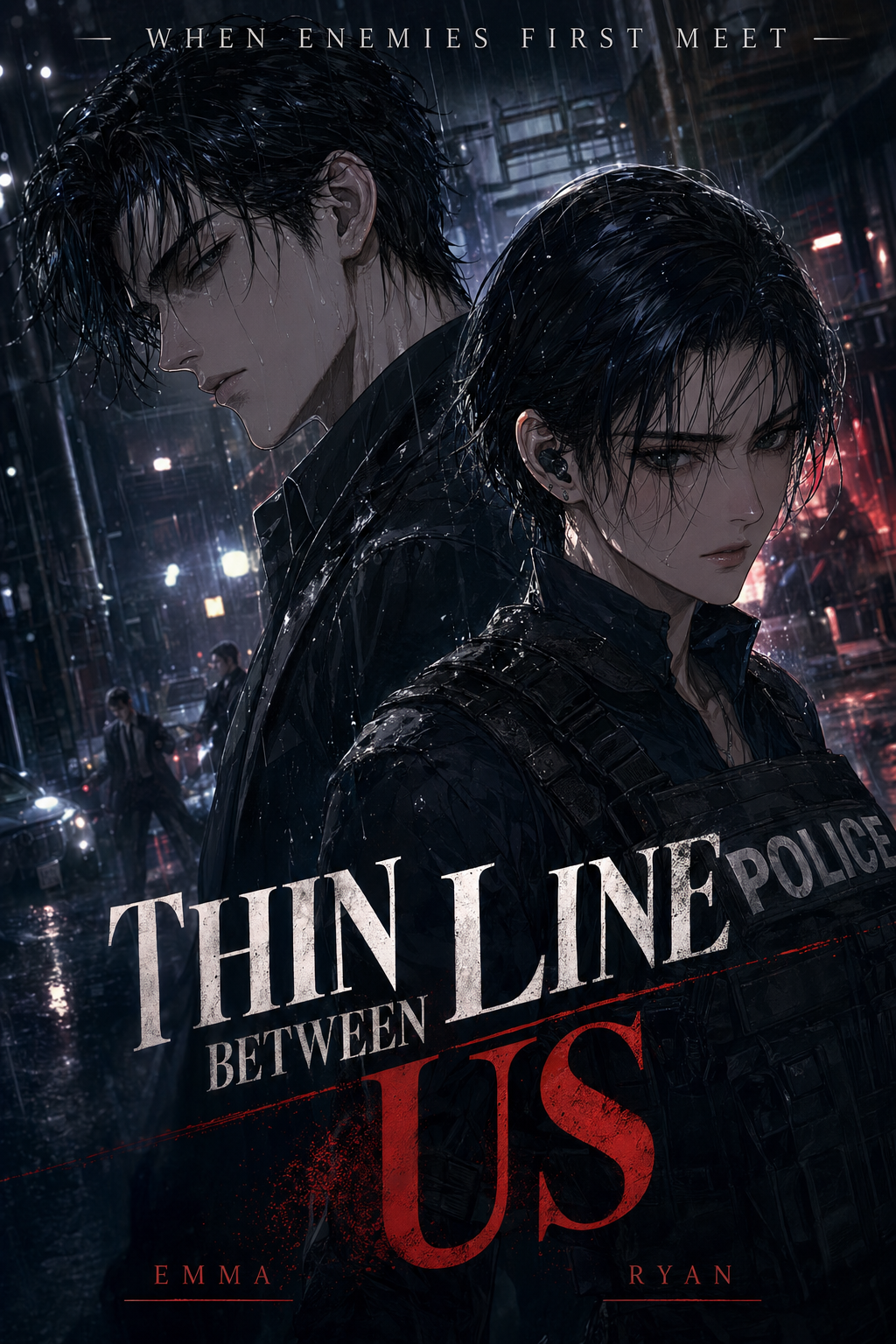
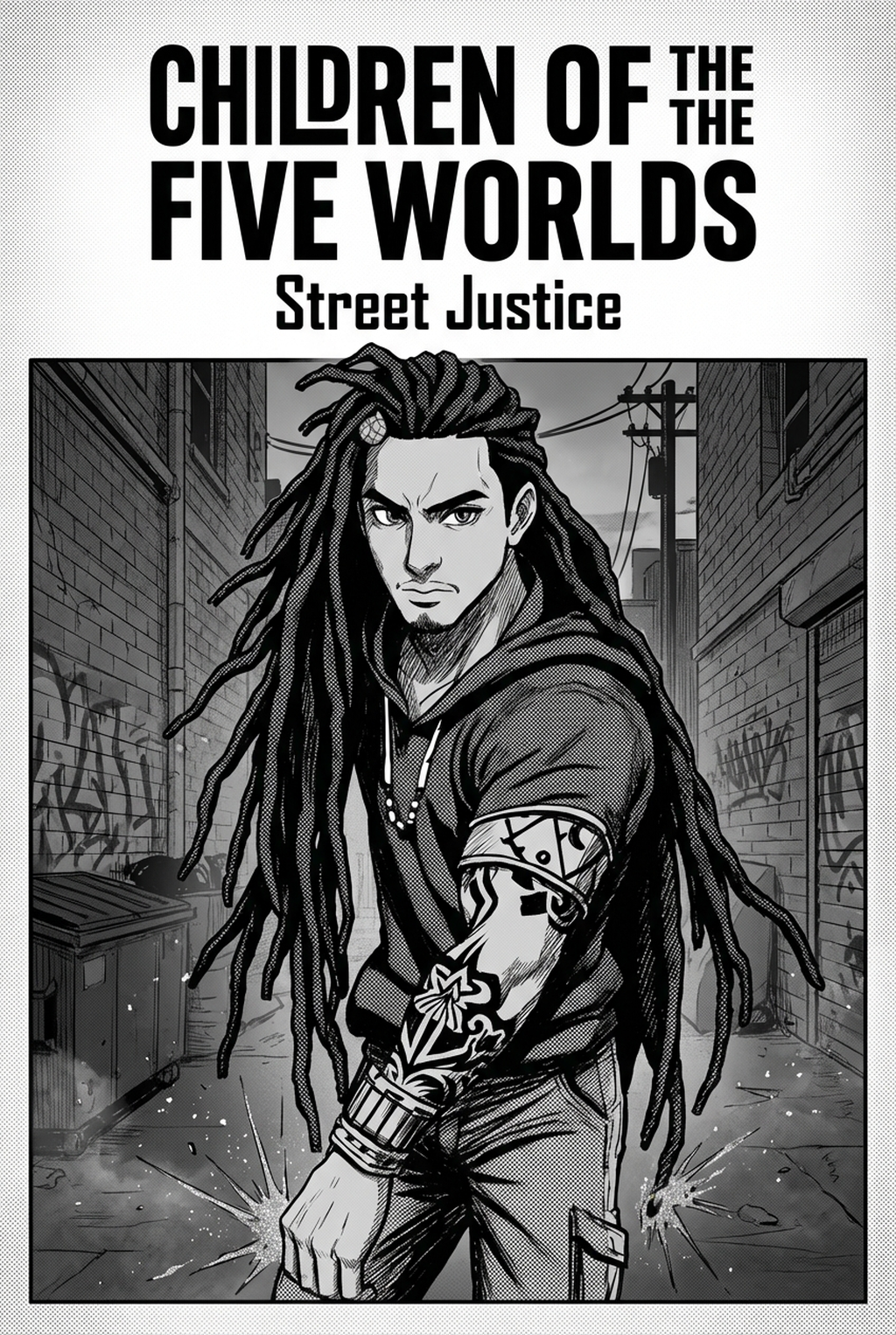
- Beat-first composition: Ensure each embedded image serves a specific purpose in the script rather than just filling empty white space. * Negative space utilization: Use empty panels or white gutters to pace your story, allowing for "breathable" moments that heighten the impact of high-action panels. * Bubble clearance: Design your layout with the eventual speech bubbles in mind, ensuring there is enough white space within the panel to avoid blocking character faces.
Getting Started with Professional Formatting
The transition from a written script to a finished storyboard involves clear technical benchmarks. Creators can use each revision decision to clarify panel readability, character consistency, and export quality before publishing or sharing. To achieve professional results, you must standardize your export format early to maintain visual integrity across various devices. Exporting in 600 DPI for black-and-white line art or 300 DPI for color, preferably using PNG or TIFF formats, ensures your work remains sharp regardless of whether the audience reads on a smartphone or a printed tankobon.
Creators should compare the generated line art with the original sketch and confirm that facial expressions, props, speed lines, and speech-bubble space still support the scene. A repeatable review pass should cover character consistency, panel readability, background clarity, and whether the final file is ready for coloring, lettering, or editor feedback.
Creators should save approved examples of line weight, face detail, clothing folds, and background density. Those references keep later chapters closer to the intended style. For collaboration, creators should mark which panels are final and which panels still need redraws. Clear status labels prevent an assistant, editor, or colorist from polishing the wrong version.
The Bottom Line
A successful AI Manga Storyboard Builder workflow is the foundation of effective storytelling, balancing technical standards with the emotional pacing required for your specific genre. By leveraging AI-powered tools for structural arrangement, creators can remove technical bottlenecks, ensuring their focus remains on character development and visual impact rather than manual grid logistics. If you are ready to refine your narrative flow and automate your page architecture, Manga storyboard layout .