In brief:
- Manga features traditional Japanese right-to-left black-and-white page layouts, while manhwa and manhua are predominantly full-color digital formats.
- Manhwa pioneered the vertical infinite scroll optimized for mobile smartphones, whereas modern manhua balances digital vertical scrolling with historical wuxia traditions.
- Story themes reflect cultural heritage: manga spans diverse genre demographies, manhwa excels in hunter systems and modern reincarnation, and manhua spotlights Taoist cultivation and martial epics.
Direct answer: The distinction between manga, manhwa, and manhua centers on cultural heritage, artistic execution, and distribution architecture. Japanese manga adheres to classical right-to-left monochrome print aesthetics, South Korean manhwa leads the digital vertical-scroll revolution with cinematic full-color webtoons, and Chinese manhua blends traditional folklore and martial cultivation into expansive full-color visual epics.
Etymology and Cultural Origins: Japan, South Korea, and China
The global explosion of Asian comic storytelling has fundamentally transformed modern popular culture. From vibrant anime conventions in Tokyo and Seoul to bustling campus comic clubs across New Delhi, Mumbai, and Bengaluru, readers have developed an unprecedented appetite for illustrated sequential fiction. However, newcomers frequently encounter three distinct terms that seem superficially interchangeable: manga , manhwa , and manhua . While each medium represents sequential illustrated storytelling originating in East Asia, each carries a distinct cultural history, creative philosophy, and industrial trajectory that influences everything from panel composition to narrative rhythm.
Understanding the differences begins with historical and linguistic context. The three words share the identical historical Chinese characters—漫畫—which roughly translate to "impromptu sketches" or "whimsical drawings." However, as these characters migrated across borders and integrated into regional dialects and sociopolitical movements, the artistic movements they inspired developed radically unique identities. Recognizing these regional foundations is essential for any visual storyteller, graphic novelist, or avid reader seeking to understand why a Japanese chapter feels so structurally different from a South Korean digital strip or a Chinese historical epic.
Shared Linguistic Roots and Distinct Regional Divergence
The historical term was popularized in late 18th-century and early 19th-century Japan, most notably immortalized in the woodblock print sketchbooks of Katsushika Hokusai, titled Hokusai Manga in 1814. Later, pioneering political satirist Rakuten Kitazawa used the term to describe modern cartoon strips at the turn of the twentieth century. In Japanese, the word combines man (漫), meaning "whimsical," "overflowing," or "without restraint," and ga (画), meaning "drawings" or "pictures." In contemporary Japanese usage, "manga" refers strictly to all forms of sequential cartooning and comics, regardless of origin, but internationally, it designates comic works created specifically in Japan.
In the Korean Peninsula, the corresponding hanja characters are pronounced as manhwa (만화). Korean sequential cartooning evolved through political satire published in newspapers during the early 1900s, enduring colonial suppression, strict authoritarian censorship boards, and post-war austerity. For decades, Korean print comics flourished inside neighborhood rental shops known as manhwabang, where students and workers gathered to rent physical books for modest fees. When the Asian financial crisis struck in the late 1990s, the traditional print manhwa industry collapsed under heavy distributor bankruptcies. Rather than disappearing, Korean cartoonists migrated en masse to the burgeoning personal computer web, giving birth to the world's first modern webtoons . Today, outside South Korea, the term manhwa refers specifically to South Korean comics, particularly the full-color vertical digital strips that dominate mobile reading platforms worldwide.
In China, the pronunciation of 漫畫 is manhua. Chinese sequential illustration has deep genealogical roots in traditional brushwork, satirical woodblock caricatures, and the massive 20th-century phenomenon of lianhuanhua—palm-sized illustrated palm booklets that told historical legends, revolutionary tales, and folk morality fables. During the mid-to-late 20th century, Hong Kong emerged as an international epicenter of action-packed manhua, spearheaded by visionary creators like Tony Wong, whose dynamic martial arts epics captured readers across Southeast Asia. In the contemporary era, mainland China has witnessed a colossal digital renaissance, transforming manhua into a high-octane webcomic industry powered by major digital portals and animated adaptations known as donghua. Understanding these linguistic cousins requires recognizing that while their roots are intertwined, their modern evolutions reflect completely different creative ecosystems.
Historical Milestones: From Ancient Scrolls to Modern Mediums
The evolution of Japanese manga into an international economic powerhouse was shaped by post-World War II artistic innovation. Pioneer Osamu Tezuka, revered as the "God of Manga," revolutionized the medium by introducing cinematic visual language into print pages. Tezuka drew inspiration from cinema, incorporating dynamic close-ups, wide-angle panning shots, variable camera angles, and dramatic sound effects into seminal titles like Astro Boy. Major Japanese publishing houses such as Shueisha , Kodansha , and Kadokawa Shoten established weekly and monthly anthology magazines that functioned as proving grounds for serialization. This magazine-to-book model established the rigid publication rhythms, editorial review boards, and monochrome inking conventions that remain the gold standard of Japanese visual storytelling today.
In South Korea, the transition from print hardship to digital dominance is one of modern media's greatest pivot stories. During the 1970s and 1980s, government censorship regimes subjected manhwa to intense moral oversight, burning offending volumes and restricting narrative themes. However, South Korea's aggressive national investment in high-speed broadband internet in the late 1990s provided a technological escape valve. Internet portals like Daum (launched in 2003) and Naver (launched in 2004) began commissioning original digital strips designed for browser consumption. As smartphones became universal pocket companions over the following decade, Korean developers rebuilt the user experience around continuous top-to-bottom vertical scrolling, creating intuitive mobile platforms like Line Webtoon and KakaoPage .
Chinese manhua followed a multifaceted path across mainland China, Hong Kong, and Taiwan. The Hong Kong martial arts boom of the 1970s and 1980s established a distinct school of manhua characterized by hyper-detailed muscle anatomy, kinetic fight choreography, and vivid hand-painted gouache colors. Mainland China's modern digital market emerged rapidly in the 2010s, riding the wave of massive web novel portals and domestic tech giants like Tencent Animation and Comics and Bilibili . Contemporary manhua draws simultaneously upon Hong Kong action choreography, Japanese shonen structural tropes, and ancient Chinese philosophical doctrines, yielding a visually decadent medium that caters to a massive, tech-savvy domestic readership.
{{IMG1}}
Visual Aesthetics and Artistic Conventions
The visual distinction between manga, manhwa, and manhua is immediately apparent to even casual readers. While an experienced enthusiast can identify the origin of a series from a single isolated panel, newcomers often wonder why these artistic differences exist in the first place. The visual aesthetics of each medium are not arbitrary stylistic choices; they are direct consequences of the physical tools, publication deadlines, color budgets, and viewing platforms that shaped each regional creative community.
Black-and-White Screentone Mastery vs. Full-Color Digital Rendering
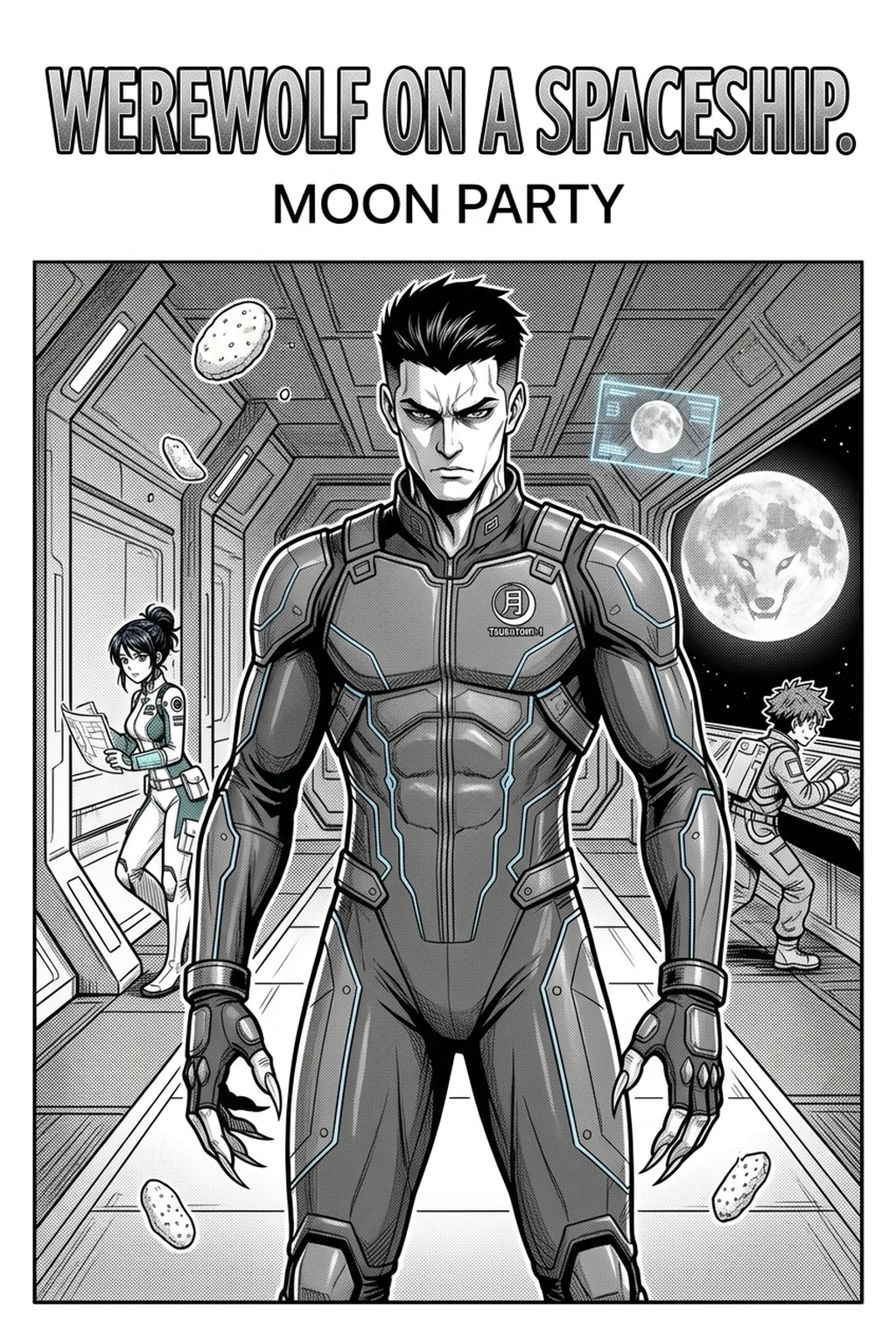
The defining visual trademark of traditional Japanese manga is its steadfast adherence to black-and-white ink rendering, augmented by mechanical adhesive tone sheets known as screentones. Screentones consist of pre-printed patterns of fine dots, cross-hatching, gradients, and textural motifs that simulate middle gray values, fabric textures, dramatic shadows, and atmospheric hazes without requiring expensive continuous-tone photographic printing.
Manga developed this monochrome mastery because of the economic demands of post-war printing. Japanese commercial anthologies—such as Weekly Shonen Jump or Weekly Shonen Magazine—are printed on inexpensive, recycled paper stock affectionately called "phonebook paper." Color printing on porous paper at high press speeds leads to ink bleeding, muddy saturation, and prohibitive manufacturing expenses. As a result, Japanese mangaka perfected the expressive potential of pure black ink, dynamic line weighting, high-contrast negative space (ma), and stylized speedlines. When modern creators study character visual consistency , they frequently look to manga ink masters who express psychological gravity, atmospheric depth, and lightning-fast action through monochrome contrast alone.
In stark contrast, modern South Korean manhwa is almost universally produced in full, luminous digital color. Because manhwa abandoned the physical print anthology paradigm in favor of high-resolution smartphone screens, Korean creators never faced the printing press color barrier. Color in manhwa is not an afterthought or a promotional gimmick; it is an active narrative engine. Manhwa colorists utilize sophisticated digital painting pipelines, employing soft airbrushes, volumetric lighting effects, ambient occlusion, and cinematic color palettes that shift dynamically between scenes to convey emotional subtext. A gloomy dungeon sequence is rendered in icy blues and desaturated grays, whereas a royal banquet hall radiates with golden rim lighting and luminous particle blooms.
Chinese manhua occupies an intriguing middle ground that frequently leans toward hyper-vivid painterly realism. Contemporary digital manhua embraces full color, often featuring rich, saturated palettes inspired by traditional Chinese silk paintings, mineral pigments, and modern digital concept art. Skin tones in manhua are frequently rendered with porcelain translucency, garments flutter with intricate multi-layered fabric shading, and magical energy attacks burst with intense neon gradients and celestial radiance. While some manhua strips employ streamlined digital color flats to maintain grueling update schedules, top-tier cultivation manhua features cover-quality digital paintings across sequential story panels.
Character Proportions, Facial Anatomy, and Stylistic Flourishes
Character design conventions also diverge significantly across the three traditions:
- Japanese Manga Anatomy: Manga character designs are celebrated for their iconic expressiveness and deliberate graphic abstraction. Key features include exaggeratedly expressive eyes that communicate nuanced emotional states, simplified nasal bridges, expressive eyebrows, and iconic hair silhouettes that remain recognizable even in pure shadow. Manga seamlessly shifts between anatomical naturalism and extreme chibi or super-deformed caricature for comedic relief, breaking the fourth wall with sweat drops, popping anger veins, and stylized facial distortions.
- South Korean Manhwa Aesthetics: Manhwa character designs tend to adhere closer to realistic, idealized human proportions, particularly within the wildly popular romance, otome fantasy, and urban hunter genres. Male protagonists frequently feature slender yet chiseled athletic physiques, sharp jawlines, broad shoulders, and fashionable contemporary streetwear or ornate aristocratic regalia. Female leads are characterized by delicate facial features, intricate modern hairstyles, and emotive, luminous eyes. While comedic chibi moments occur, manhwa generally maintains proportional consistency across serious dialogue scenes.
- Chinese Manhua Stylings: Manhua characters frequently showcase distinct features drawn from classical Chinese beauty standards (guofeng) and xianxia mythology. Figures are typically depicted with elongated, statuesque silhouettes, flowing raven-black tresses that defy gravity, slender almond-shaped eyes, and porcelain complexions. In historical and cultivation narratives, characters wear sweeping traditional hanfu robes adorned with gold embroidery, jade pendants, and ornate hairpins. The visual presentation emphasizes ethereal elegance, regal poise, and transcendent physical perfection.
Background Rendering and 3D Asset Integration
The treatment of environmental backgrounds highlights another major workflow divergence between the mediums. In traditional Japanese manga, background art is meticulously hand-drawn or inked over perspective pencil layouts by senior studio assistants. Whether rendering a bustling Shibuya pedestrian crossing, a dense bamboo forest, or an ornate gothic cathedral, manga backgrounds emphasize mechanical linework, intricate cross-hatching, and personalized artistic texture. While modern mangaka increasingly utilize digital software like Clip Studio Paint, the aesthetic goal remains a seamless blend between hand-inked characters and hand-inked architecture.
Conversely, South Korean manhwa production has become heavily industrialized around 3D digital asset modeling. Because weekly webtoon chapters require 60 to 80 full-color panels, solo artists and production studios cannot physically hand-render complex architectural backgrounds on seven-day turnaround schedules. Manhwa studios extensively deploy pre-rendered 3D architectural models—often built or purchased in SketchUp or Blender—representing Victorian ballrooms, medieval fantasy castles, modern Seoul high-rises, and classroom interiors. Artists drop these 3D models into their panel frames, position the digital camera, render the perspective outlines, and apply digital color filters and lighting layers to match character art. For creators mastering scene planning and panel pacing , observing how manhwa combines 3D perspective assets with dynamic foreground action provides valuable insights into scaling production volume.
Manhua studios also leverage 3D architectural assets, particularly for sprawling imperial palace complexes, floating celestial islands, and ancient martial arts temples. However, many manhua artists incorporate digital matte painting techniques and photographic landscape textures, layering mountain mist, cascading waterfalls, and cosmic nebulae directly beneath their inked linework. This composite approach gives manhua environments an expansive, mythic scale that reflects the celestial grandeur of Chinese cultivation lore.
Reading Direction, Formatting, and Layout Architecture
Perhaps the most immediately functional difference between manga, manhwa, and manhua is how a reader physically interacts with the page or screen. Reading direction, paneling grammar, and composition geometries govern the viewer's eye movements, establishing narrative cadence, suspense, and emotional timing. Moving from one Asian sequential art form to another often requires retraining one's visual reflexes.
Traditional Right-to-Left Paged Layouts in Manga
Japanese manga follows the classical East Asian reading orientation: panels and dialogue balloons are read from right to left, and from top to bottom. In a physical book, the binding is on the right side, meaning the front cover opens toward the right, reversing Western and modern global book conventions. When manga was first imported into Western markets during the late 1980s and 1990s, international publishers frequently attempted to "flip" or mirror the pages horizontally to match Western left-to-right reading habits. However, this crude practice reversed character hand dominance, distorted original perspective lines, inverted sound effect typography, and corrupted the deliberate eye flow engineered by the authors. Today, manga is universally preserved and published worldwide in its authentic right-to-left orientation.
Manga paneling grammar is built upon the discrete, bounded canvas of the two-page spread (mikaeshi). A skilled mangaka treats facing pages as a holistic visual symphony:
- The Reverse Z-Pattern: A reader's eye naturally enters the spread at the upper right panel, flows leftward across dialogue balloons, drops diagonally down to the lower tier, sweeps across to the lower left panel, and pauses before turning the page.
- The Turn-of-Page Cliffhanger: Because turning a physical page physically conceals upcoming content, manga masters place major plot revelations, explosive double-page splash spreads, or sudden monster reveals on the top of the next page turn. The physical act of flipping the leaf delivers an involuntary heartbeat of suspense.
- Variable Panel Borders and Bleeds: In manga, panel borders vary in thickness and geometry. Standard rectangular frames establish objective reality, slanted borders communicate kinetic action, borderless floating panels evoke internal introspection or timeless memories, and full-bleed splashes eliminate white margins entirely to overwhelm the reader's senses.
Understanding these structural mechanics is critical for anyone studying the best comic panel layout generator for beginners , as mastering panel transitions separates engaging visual storytelling from cluttered illustration.
The Vertical Infinite Scroll Revolution of Korean Webtoons
South Korean manhwa executed a radical structural departure by discarding the physical page spread entirely. In modern digital webtoons, the primary canvas is an unbroken, continuous vertical ribbon designed specifically for one-handed smartphone navigation. The reader does not turn pages; they glide their thumb upward, drawing the story downward in an endless stream of sequential imagery.
This technological shift created a completely new narrative visual grammar:
- Vertical Temporal Spacing: In a printed comic page, all panels on a spread exist simultaneously in the reader's peripheral vision. In a vertical webtoon, time is measured in vertical scroll distance. The empty space—or "gutter"—between panels represents temporal pauses. A tight gap between two panels indicates rapid, consecutive motion. A vast, scrolling expanse of negative space, gradient sky, or dark mist stretches time, creating agonizing suspense, silence, or isolation before the next character reaction appears.
- Cinematic Pacing and Reveal Dynamics: Rather than relying on physical page turns for dramatic impact, webtoon directors utilize the physical edge of the phone display. A reader slowly pulls an elongated panoramic vertical panel onto the screen, revealing a colossal monster looming from top to bottom, or tracking a character falling through miles of empty sky. This seamless scrolling movement mimics the smooth tracking shots and crane shots of cinema.
- Fluid Speech Balloon Ergonomics: Typography in manhwa is deliberately scaled and spaced for effortless legibility on handheld screens under six inches in diagonal size. Dialogue bubbles rarely crowd the panel art; instead, they float gracefully within the vertical gutters, guiding the reader's eye downward from line to line without obstructing character expressions or dramatic action.
For digital creators eager to master building mobile vertical episodes , vertical scrolling represents a liberating medium where mobile hardware limitations are transformed into cinematic storytelling advantages.
Manhua Formats: Hybrid Print Legacies and Mobile Webcomics
Chinese manhua encompasses both historical print formatting and modern vertical webtoon layouts. Traditional print manhua from Hong Kong and Taiwan historically featured larger physical dimensions than Japanese tankobon paperbacks, resembling Western comic magazine sizes with dense, wide horizontal panels. Physical print manhua was traditionally read right-to-left in Hong Kong and Taiwan, while some mainland publications adopted left-to-right horizontal printing to match modern simplified Chinese typesetting.
In the modern digital era, the vast majority of serialized manhua has migrated to mobile platforms, adopting the vertical scroll format pioneered by Korean webtoons. However, Chinese digital manhua often retains structural echoes of its print heritage. Panels frequently feature wider horizontal proportions, expansive landscape framing, and dramatic panoramic fight spreads that stretch across multiple screen lengths. Chinese ideograms are naturally dense and information-rich, allowing manhua dialogue bubbles to convey complex philosophical concepts, cultivation techniques, and royal honorifics in remarkably compact typographic footprints compared to alphabetic scripts like English or Korean Hangul.
{{IMG2}}
Narrative Pacing, Themes, and Storytelling Tropes
Beyond the visual mechanics of inking and reading flow, the true soul of manga, manhwa, and manhua resides in the cultural myths, societal anxieties, and philosophical traditions that animate their narratives. While all three mediums span every conceivable genre—from slice-of-life school comedies to psychological horror—each tradition exhibits distinct narrative pacing, signature storytelling tropes, and thematic obsessions.
Manga Story Arcs: Shonen Progression, Seinen Complexity, and Shojo Emotion
Japanese manga narrative structure is traditionally grounded in demographic publishing categories that developed over decades of magazine marketing:
- Shonen (Boys): Centered on camaraderie, perseverance, and victory (doryoku, yujo, shori), classic shonen narratives feature young protagonists who strive to overcome seemingly insurmountable obstacles through relentless effort and bond-forging friendship. Hallmarks include rigorous training arcs, high-stakes tournament arcs, structured power escalation hierarchies, and deep moral sympathy even for formidable antagonists.
- Seinen (Adult Men): Geared toward mature readers, seinen titles explore moral ambiguity, psychological trauma, philosophical deconstruction, and sociopolitical critique. Pacing in seinen manga can be meditative and atmospheric, lingering over silent character glances, existential dread, and complex historical realism where unambiguous heroes do not exist.
- Shojo and Josei (Girls and Adult Women): Focused on psychological intimacy, emotional vulnerability, interpersonal drama, and character metamorphosis, these narratives utilize expressive, non-linear panel compositions. Romantic tension is prolonged through subtle glances, internal monologues, and delicate metaphorical imagery such as floating flower petals, shattering glass, and shifting shadows.
Manga storytelling frequently employs the classical four-act dramatic structure known as Kishōtenketsu: introduction (ki), development (shō), an unexpected twist or complication (ten), and the reconciled conclusion (ketsu). This structure allows manga chapters to explore surprising narrative detours without requiring the immediate, confrontational binary conflicts typical of Western three-act scripts. Creators interested in dynamic shonen action poses often study how manga masterfully balances explosive martial kineticism with quiet moments of introspection.
Manhwa Tropes: Reincarnation, System UI, Dungeons, and Otome Isekai
South Korean manhwa storytelling is renowned for its rapid pacing, intense narrative momentum, and visceral catharsis. Emerging alongside the explosion of Korean digital web novels, modern manhwa has codified several globally dominant subgenres:
- System and Leveling Realism: In modern Korean urban fantasy, the mundane world is shattered by the sudden emergence of magical portals, monster "dungeons," and superhuman "hunters." Crucially, the protagonist awakens a visible video game user interface (System UI) floating in their personal field of view. The narrative documents their rapid, methodical ascension from the weakest "E-rank" underdog to an untouchable sovereign. This mechanic appeals deeply to modern gaming generations, transforming character growth into measurable, dopamine-fueled numerical milestones.
- Regression, Revenge, and Second Chances: Unlike traditional manga where characters often accept their flaws and learn through patient humility, manhwa protagonists frequently experience horrific betrayal, die in despair, and "regress" in time to their teenage years with their future knowledge intact. The core emotional engine is calculated vengeance, strategic resource accumulation, and the ruthless dismantling of corrupt corporate guilds, noble houses, or false friends.
- Otome Isekai and Villainess Reincarnation: In romance fantasy webtoons, modern female office workers frequently awaken inside the bodies of despised antagonist noblewomen within historical romance novels or dating simulators. Rather than succumbing to their preordained tragic executions, these heroines weaponize modern business acumen, contractual marriages, and sharp emotional intelligence to overthrow patriarchal tyrants, reshape imperial politics, and captivate enigmatic dukes.
Manhwa pacing is exceptionally tight and decompression-resistant. While a traditional manga may spend twenty chapters on a single tactical duel, a manhwa chapter delivers immediate narrative progression, punchy cliffhangers, and explosive power displays in nearly every weekly installment.
Manhua Themes: Cultivation, Wuxia, Xianxia, and Imperial Dynasties
Chinese manhua is deeply rooted in thousands of years of classical literature, philosophical schools of thought, and mythological folklore. Three foundational genres define the bulk of Chinese sequential fantasy:
- Wuxia (Martial Heroes): Set in mortal ancient China, wuxia stories chronicle martial artists who belong to the Jianghu—a loose underground fraternity of martial sects, wandering swordsmen, and outlaw brotherhoods operating outside imperial authority. Protagonists adhere to strict chivalric moral codes (xia), mastering secret physical martial arts manuals, acupuncture points, and internal energy (neigong) to right societal injustices.
- Xianxia (Immortal Heroes): Ascending beyond mortal martial arts into high mythic fantasy, xianxia incorporates Taoist alchemy, magical talismans, demonic beasts, and the quest for spiritual immortality (Xian). Characters absorb celestial Qi from the cosmos, open their inner meridians, refine medicinal golden elixirs (dan), withstand cataclysmic lightning storms (Heavenly Tribulations), and battle across vast tiered cosmological realms that dwarf mortal existence.
- Xuanhuan (Mysterious Fantasy): A broad genre blending Chinese cultural concepts and cultivation structures with exotic Western-style magical elements, mythical beasts, parallel dimensions, and gaming progression systems.
Manhua narratives are celebrated for their cosmic scale, ancestral lineage feuds, and unapologetic power fantasy. Characters frequently encounter arrogant sect elders and entitled young masters who look down upon the protagonist's humble origins, setting the stage for satisfying "face-slapping" (da lian) scenes where the underestimated hero unleashes terrifying divine powers to shatter the arrogance of their oppressors. For authors curious about adapting digital web novels into visual formats , studying the serialized momentum of Chinese cultivation webcomics provides invaluable lessons in long-term worldbuilding.
| Feature / Dimension | Japanese Manga | South Korean Manhwa | Chinese Manhua |
|---|---|---|---|
| Country of Origin | Japan | South Korea | China (including HK & Taiwan) |
| Primary Color Scheme | Monochrome (Black & White with Screentones) | Full Color Digital Painting | Full Color Digital & Painterly Gouache |
| Reading Direction | Right-to-Left, Top-to-Bottom | Top-to-Bottom Vertical Infinite Scroll | Top-to-Bottom Vertical Scroll (Historically R-to-L) |
| Primary Physical Format | Tankobon paperbacks & Print Magazines | Digital-first; occasional collector paperbacks | Digital-first; historical wide print booklets |
| Digital Platform Focus | Shonen Jump+, Manga Plus, eBook portals | Webtoon, Tapas, KakaoPage, Tappytoon | Bilibili Comics, Kuaikan, Tencent, Webnovel |
| Dominant Visual Themes | Shonen training, seinen realism, school life | Dungeons, hunter systems, villainess romance | Cultivation (Xianxia), Wuxia, imperial palace |
| Background Technique | Hand-inked perspective line art & tones | 3D SketchUp/Blender asset rendering | 3D models combined with painterly matte art |
| Narrative Structure | Kishōtenketsu four-act dramatic arcs | Rapid progression, weekly hooks, regression | Ancestral cultivation tiers, sect tournaments |
If you are developing your own graphic novel concept and want to experiment with panel layouts, character poses, and narrative pacing, explore Mangaka's AI-assisted comic creation tools to transform your written scripts into polished comic boards in minutes.
Publication Ecosystems, Platforms, and Global Distribution
The commercial architecture supporting manga, manhwa, and manhua determines how stories are funded, serialized, monetized, and consumed by global audiences. A creator cannot understand these mediums without appreciating the stark differences between Japanese legacy publishing networks, South Korean platform tech monopolies, and Chinese state-regulated media conglomerates.
Japanese Print Legacies and Digital Magazine Apps
Japan's comic industry is built upon a century of physical print infrastructure. Legendary publishing conglomerates like Shueisha , Kodansha , and Kadokawa Shoten distribute weekly or monthly phonebook-thick anthology magazines across convenience stores, train station kiosks, and independent bookstores throughout the nation. These magazines function as loss-leaders and talent discovery incubators; authors earn per-page manuscript fees while readers vote on weekly popularity ranking postcards.
The true economic engine of manga is the tankobon—collected paperback trade volumes compiling 8 to 10 serialized chapters on quality book paper. Tankobons generate standard 8 to 10 percent royalties for authors, fueling long-term licensing revenues. While digital reading has expanded through official global portals like MANGA Plus by Shueisha and magazine subscription apps like Shonen Jump+, the aesthetic soul of manga remains tied to the physical dimensions, tactile textures, and shelf-display prestige of physical book publishing.
Korean Platform Titans: Webtoon, Tapas, and KakaoPage
South Korea bypassed the print-to-digital transition by completely rebuilding comic consumption inside native smartphone applications. Internet titans Naver and Kakao recognized early that mobile users demanded bite-sized, frictionless entertainment accessible during short subway commutes. Through platforms like Line Webtoon and KakaoPage , they pioneered revolutionary digital monetization mechanisms:
- The "Wait-Until-Free" (Gidari-myeon Muryo) Model: Readers can consume sequential back-catalog chapters for free by waiting a designated interval (typically 24 hours, three days, or seven days per episode).
- Fast-Pass Microtransactions: Readers who cannot bear the narrative suspense can spend modest digital tokens ("Coins" or "Cookies") to instantly unlock upcoming unreleased preview chapters weeks ahead of the public schedule.
- Transmedia Intellectual Property Franchising: Successful manhwa titles are systematically adapted into high-budget live-action television dramas (K-dramas), mobile gacha roleplaying games, and anime series, multiplying IP value across international streaming networks.
By engineering episodic webtoon production workflows , Korean platforms built a scalable global distribution pipeline that delivers thousands of translated chapters weekly to international readers across North America, Europe, and Asia.
Chinese Digital Powerhouses: Bilibili Comics, Kuaikan, and Tencent
In China, the digital manhua industry operates at a staggering demographic scale. Massive entertainment platforms—such as Tencent Animation and Comics , Kuaikan Manhua, and video-streaming giant Bilibili —host tens of thousands of serialized titles viewed by hundreds of millions of registered domestic accounts.
Because the Chinese digital ecosystem is deeply integrated with mobile wallet payment systems like WeChat Pay and Alipay, manhua platforms feature extensive reader-engagement mechanics. Fans purchase virtual gifts to send to creators, tip individual panels, vote in real-time popularity leaderboards, and post flying on-screen bullet comments (danmu) that drift directly across the comic art as they read. When serialized manhua titles achieve major popularity, domestic media conglomerates rapidly cross-adapt them into 3D animated donghua series, web novels, mobile video games, and sprawling merchandise lines.
{{IMG3}}
Reading Habits and Digital Consumption Patterns Among Indian Fans
Across the Indian subcontinent, comic consumption has undergone an unprecedented demographic and technological revolution over the last decade. Historically, Indian graphic fiction was centered around domestic legacy print icons like Amar Chitra Katha, Raj Comics, and Diamond Comics, alongside syndicated American superhero strips. However, the confluence of high-speed telecommunications infrastructure, budget smartphone penetration, and accessible streaming platforms has triggered a massive cultural pivot toward East Asian sequential narratives.
The Shift from Television Anime to Smartphone Webtoons
For millions of young Indian readers, the gateway into Asian comic culture began with broadcast television. Generations growing up in the late 1990s and 2000s were captivated by localized broadcasts of Japanese anime series like Dragon Ball Z, Naruto, Beyblade, and Pokemon. As these viewers matured and entered university campuses or professional workplaces, their desire to continue following these sprawling storylines pushed them online to read Japanese manga chapters that had not yet been animated.
Over the past five years, this passionate community has expanded dynamically into Korean manhwa and Chinese manhua. The discovery pipeline is direct: readers who enjoyed shonen anime were introduced to Korean urban hunter webtoons like Solo Leveling, Tower of God, and Omniscient Reader's Viewpoint. The intuitive vertical scrolling experience on smartphone screens removed the cognitive friction of reading complex right-to-left black-and-white page spreads, making manhwa an instant favorite among mobile-native youth across major metropolitan hubs like Delhi, Mumbai, Pune, Hyderabad, and Chennai, as well as Tier-2 and Tier-3 cities.
Data Accessibility, Mobile Screen Ergonomics, and Offline Caching
The specific reading habits of Indian comic enthusiasts are deeply shaped by device ergonomics and mobile internet economics:
- Mobile-First Reading Environments: Unlike Western or Japanese markets where substantial comic reading occurs on dedicated desktop monitors, tablets, or printed books, Indian readers predominantly consume sequential art on mid-range Android smartphones. The continuous vertical scroll of manhwa and digital manhua aligns perfectly with single-handed thumb scrolling during daily commutes on suburban local trains, metro lines, and bus routes.
- Data Optimization and Offline Caching: While 4G and 5G connectivity is widespread across urban India, mobile readers frequently utilize platform offline-download features. Readers cache dozens of webtoon episodes over domestic Wi-Fi connections before embarking on morning transit or long inter-city train travel, ensuring uninterrupted visual reading regardless of cellular dead zones.
- Multilingual and Localized Discovery: While English remains the primary operational language for discovering international manga and webtoons in India, regional language translation communities are growing rapidly. Enthusiasts form grassroots scanlation circles and discussion channels on Discord and Telegram, sharing excitement, fan art, and lore explanations with fellow enthusiasts across linguistic boundaries.
Using mobile-first comic creation applications , aspiring Indian creators are beginning to channel these consumption habits into developing homegrown webtoons that feature local mythological, historical, and contemporary Indian themes formatted for mobile scrolling.
Print Manga Collecting, Book Fairs, and Comic Con India Communities
While digital reading accounts for the vast majority of weekly volume consumption, physical manga collecting has achieved prestigious status among Indian pop culture enthusiasts. Attending annual regional celebrations like Comic Con India (hosted in Delhi, Mumbai, Bengaluru, and Hyderabad) reveals massive crowds lining up at authorized book stalls to purchase imported tankobon volumes of hit manga series.
Collecting physical manga in India represents a cherished lifestyle hobby. Bookstores like Crossword, Oxford Bookstore, and independent campus book fairs increasingly dedicate prominent shelf space to Japanese manga paperbacks. For dedicated readers, holding a physical black-and-white tankobon represents a tangible, aesthetic connection to the author's original craft—a tactile counterbalance to the ephemeral, endless stream of mobile digital notifications.
Production Pipelines, Studio Systems, and Creator Workflows
The stark visual and structural differences between manga, manhwa, and manhua are fundamentally rooted in their underlying production pipelines. Behind every serialized chapter lies an industrial workflow designed to balance artistic quality against relentless weekly publication deadlines.
Solo Mangaka and Studio Assistants: The Weekly Serialization Grind
The traditional Japanese manga production pipeline remains intensely author-centric. A single creator—the mangaka—is responsible for the narrative script, character design, and foundational pencil roughs (name or storyboard).
Once the publishing house's assigned editor reviews and approves the weekly storyboard, the mangaka inks the principal character faces and foreground figures. A small team of three to five studio assistants (ashisutanto) handles environmental backgrounds, perspective grids, cross-hatching textures, speedline drafting, and screentone application. Despite assistant support, the weekly 19-page serialization cycle demands grueling 14-to-18-hour workdays, with creators constantly racing against printing press deadlines.
Korean Webtoon Studio Assemblies: Industrialized Departmental Division
South Korean manhwa production has largely transitioned from the heroic solo-author model into an industrialized, assembly-line studio ecosystem. Because a weekly full-color webtoon episode requires 60 to 90 richly rendered panels, top production houses—such as Redice Studio and similar creative agencies—divide production across highly specialized creative departments:
- Scripting and Web Novel Adaptation: Dedicated scriptwriters condense serialized web novel text into episodic comic scripts containing explicit visual panel descriptions, pacing beats, and dialogue.
- Storyboard and Name Direction: Specialist storyboard artists establish vertical camera framing, scroll distance pacing, and character blocking.
- Pencil and Inking Linework: Senior illustrators draw clean digital character line art using specialized digital brushes in software like Clip Studio Paint.
- Flat Coloring and Shading: Colorists apply base color flats, ambient occlusions, soft airbrushed shadows, and luminous rim lighting.
- 3D Environmental Composition: Background engineers place pre-rendered 3D architectural assets into panel frames, matching lighting angles and perspective vanishing points.
- Post-Processing, Visual Effects, and Lettering: Final compositors add magical particle glows, motion blurs, localized sound effects, and dialogue typography.
This hyper-specialized division of labor ensures Hollywood-level visual polish on a relentless weekly cadence, allowing manhwa to maintain visual consistency across hundreds of consecutive episodes.
Chinese Manhua Production Houses and High-Volume Output
Chinese manhua studios frequently employ hybrid assembly models engineered for extreme publishing velocity. To satisfy the voracious appetite of domestic smartphone reading portals, popular manhua serials often publish two or three chapters per week.
Studios achieve this output through deep departmental coordination, large apprentice illustrator pools, and standardized character style guides. While high-volume manhua sometimes relies on simplified digital color fills or repetitive 3D background angles, premium flagship titles allocate substantial resources to hand-painted digital battle sequences, choreographing sweeping celestial battles with breathtaking cinematic grandeur. Learning how to direct choreographing dynamic action sequences across both print and digital vertical formats remains a vital study topic for sequential artists globally.
| Production Stage | Japanese Manga Pipeline | South Korean Manhwa Studio | Chinese Manhua Production House |
|---|---|---|---|
| Creative Leadership | Solo Mangaka + Magazine Editor | Studio Director + Web Novel IP Owner | Production Studio + Platform Editorial |
| Weekly Chapter Output | 18–20 Black & White Pages | 60–80 Full-Color Vertical Panels | 40–70 Full-Color Panels (Often Multi-Weekly) |
| Linework Execution | Hand-drawn nibs & digital tablets | Specialized digital lineworkers | Digital illustrators using model sheets |
| Coloration Workflow | None (Monochrome Screentones) | Multi-pass digital color & light shading | Digital color flats & painterly gradients |
| Environmental Art | Hand-inked by studio assistants | 3D SketchUp/Blender asset integration | 3D models combined with matte paintings |
| Copyright Protection | Handled by publishing houses | Studio & platform shared rights | Corporate studio work-for-hire rights |
Legal frameworks surrounding comic creation and intellectual property are coordinated under international treaties such as the Berne Convention and administered through national copyright offices aligned with the WIPO copyright framework , underscoring the importance of verifying copyright ownership before publishing serialized work.
Crafting Your Own Comics: Choosing the Right Medium for Modern Creators
For independent illustrators, graphic novelists, and screenwriters in India and across the world, understanding the differences between manga, manhwa, and manhua provides a practical compass for their own creative projects. Deciding which format to adopt should not be based solely on personal fandom; it must align with your narrative pacing, technical skills, production bandwidth, and target audience platform habits.
Evaluating Story Tone, Visual Pacing, and Target Audience Fit
When developing an original sequential story, evaluate which structural architecture complements your creative vision:
- Choose Japanese Manga If:
- Your story thrives on physical page turns, high-contrast monochrome ink work, and psychological subtlety.
- You intend to crowdfund, print, and distribute physical paperback graphic novels at domestic comic conventions, local bookstores, or school/college clubs.
- You want to master expressive anatomical linework, screen-tone shading, and dynamic black-and-white page composition without the immense overhead of weekly full-color painting.
- Choose South Korean Manhwa Webtoons If:
- Your narrative is paced for mobile smartphones, featuring gaming systems, modern romance, urban fantasy, or intense cliffhanger-driven episodes.
- You want your audience to discover and binge-read your comic effortlessly on mobile platforms like Webtoon Canvas, Tapas, or social media carousel feeds.
- You have developed (or collaborate with) a digital color workflow capable of delivering luminous lighting and cinematic vertical reveals.
- Choose Chinese Manhua If:
- Your worldbuilding explores sweeping historical dynasties, ancient martial arts philosophies, mythical beast cultivation, or expansive cosmic hierarchies.
- Your artistic style incorporates painterly digital brushes, ornate costume designs, and vibrant mythological color palettes.
- You are adapting a dense fantasy web novel that benefits from wide cinematic panels and vibrant visual grandeur.
Modern Digital Workflows and AI-Assisted Storyboarding for Indie Authors
Historically, creating a professional comic required either a commercial publisher contract or an expensive private studio team. Today, solo creators can execute professional-quality sequential pilots from home using modern digital workstations, drawing tablets, and generative assistive tools.
Modern digital workflows allow indie storytellers to:
- Accelerate Script-to-Thumbnail Translation: Using collaborative creator production sprints , writers can convert raw text descriptions into rough panel layouts, camera angles, and speech bubble placements in hours rather than weeks.
- Maintain Character Design Uniformity: Assistive tools help generate comprehensive character model turnaround sheets (front, three-quarter, side, and rear profiles), ensuring costume details, facial jawlines, and hairstyles remain consistent across dozens of sequential scenes.
- Prototype Backgrounds and Perspectives: Instead of spending days hand-drafting complex architectural perspective grids, creators can generate rapid structural blocking to establish scene geography before laying down final character art.
- Test and Validate Reader Demand with Pilot One-Shots: Rather than spending two years drafting a massive 300-page graphic novel in isolation, smart creators produce a tight 20-page manga chapter or a 40-panel webtoon pilot episode. Publishing this pilot online allows you to gather real reader metrics, refine your narrative hooks, and build an audience before committing to full serialization.
Ready to bring your own original visual story to life across print or digital vertical formats? Start drafting your sequential art today with Mangaka and experience how intuitive AI-assisted tools can elevate your creative storytelling.
{{IMG4}}
Frequently Asked Questions
What is the main difference between manga, manhwa, and manhua?
The primary difference lies in country of origin, visual style, and formatting. Manga originates in Japan, featuring traditional right-to-left black-and-white paneling crafted for print tankobon volumes. Manhwa comes from South Korea, characterized by full-color vertical scrolling formats engineered specifically for smartphones, while manhua originates in China, presenting rich full-color digital strips often inspired by historical mythology and cultivation fantasy.
Which direction do you read manga, manhwa, and manhua?
Manga is read right-to-left and top-to-bottom, preserving the classical Japanese reading orientation. Conversely, South Korean manhwa designed as modern webtoons is read vertically from top-to-bottom in an infinite scroll stream. Chinese manhua webcomics are also scrolled vertically top-to-bottom, whereas legacy physical manhua publications historically followed a right-to-left or left-to-right horizontal orientation depending on the publishing region.
Why is manga usually black and white while manhwa is full color?
Manga is traditionally published in weekly or monthly print anthologies like Weekly Shonen Jump, where rapid print deadlines and expensive color printing made monochrome screentones the industry standard. In contrast, modern manhwa transitioned almost entirely to digital smartphone distribution in the early 2000s, bypassing print limitations. Digital webtoon studios embraced full-color digital painting pipelines to maximize visual appeal on high-resolution mobile displays.
What are the typical storytelling themes found in manhwa compared to manhua?
Manhwa frequently explores contemporary urban fantasy, video game status windows, dungeon leveling, hunter guilds, and romantic transmigration. Manhua often draws deeply upon classical Chinese folklore, martial arts philosophies, Taoist immortality cultivation, and epic imperial court intrigue. While manhwa prioritizes psychological tension and rapid underdog progression, manhua often focuses on philosophical journeys, ancestral honor, and vast mythological cosmological hierarchies.
How has the rise of mobile smartphones influenced comic reading in India?
In India, affordable mobile data networks and ubiquitous smartphones have transformed digital comic consumption into a daily habit. Readers actively consume vertical-scrolling manhwa and webcomics during daily commutes, train journeys, and college breaks. While physical manga collecting remains popular among dedicated anime enthusiasts and convention attendees, mobile-first webtoons provide frictionless, on-the-go storytelling accessibility across both metropolitan cities and regional hubs.
Can beginners create their own manga or webtoon without a big studio?
Independent storytellers can now produce sequential comics using modern digital workstations, tablet software, and assistive visual generation platforms. Solo creators streamline scene planning, panel framing, character turnaround sheets, and inking stages using modern AI-assisted storyboarding workflows. By validating short pilot chapters or one-shots online, indie authors build dedicated reader fanbases before investing in serialized long-form publishing.
Where can readers legally read manga, manhwa, and manhua online?
Readers can access licensed manga through international publisher platforms such as MANGA Plus by Shueisha, Shonen Jump apps, and digital book retailers. Manhwa is legally hosted on dedicated webtoon portals like Line Webtoon, Tapas, and Tappytoon with localized currency microtransactions. Official English-translated manhua can be discovered across major digital distribution platforms including Bilibili Comics, Kuaikan, and Webnovel.