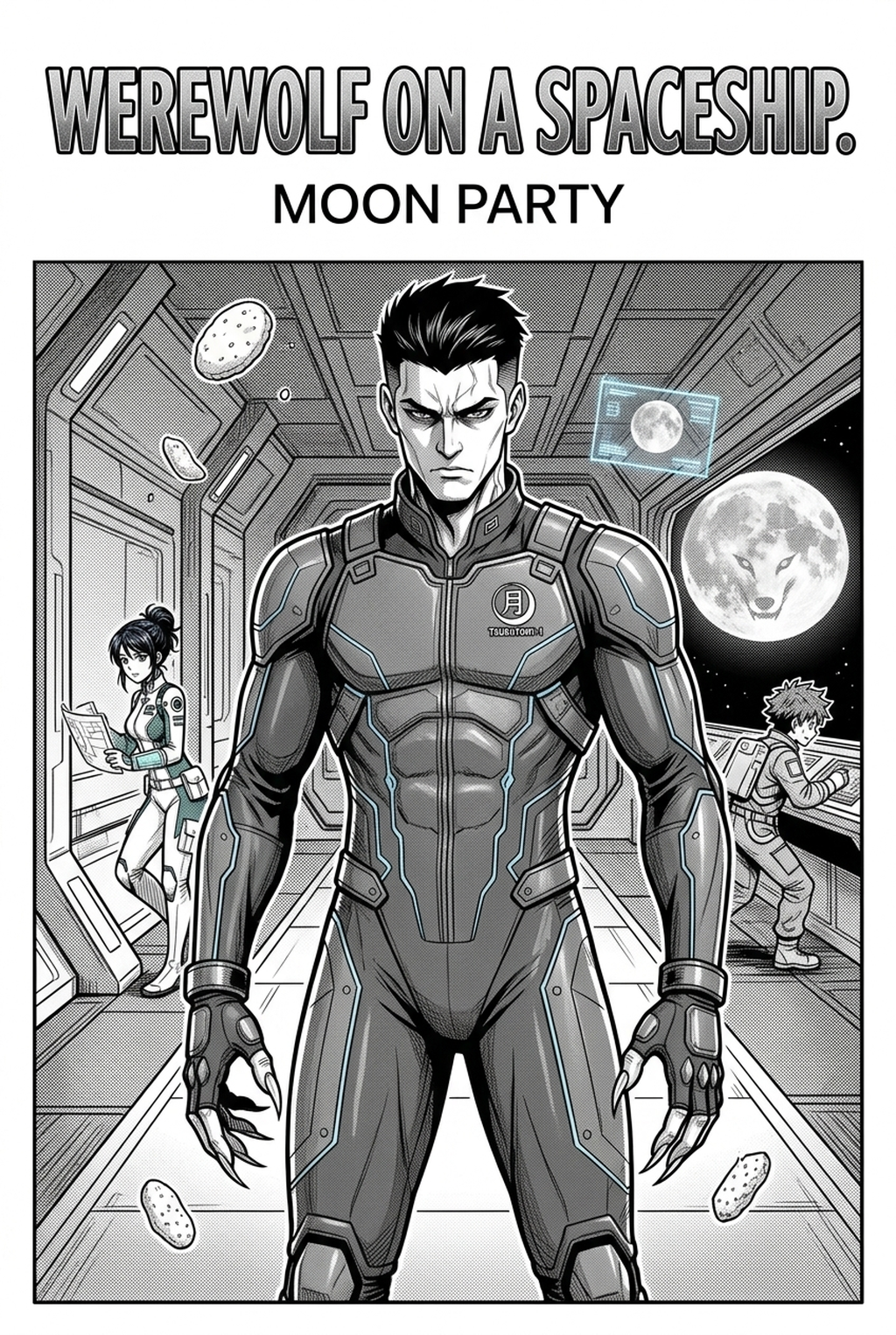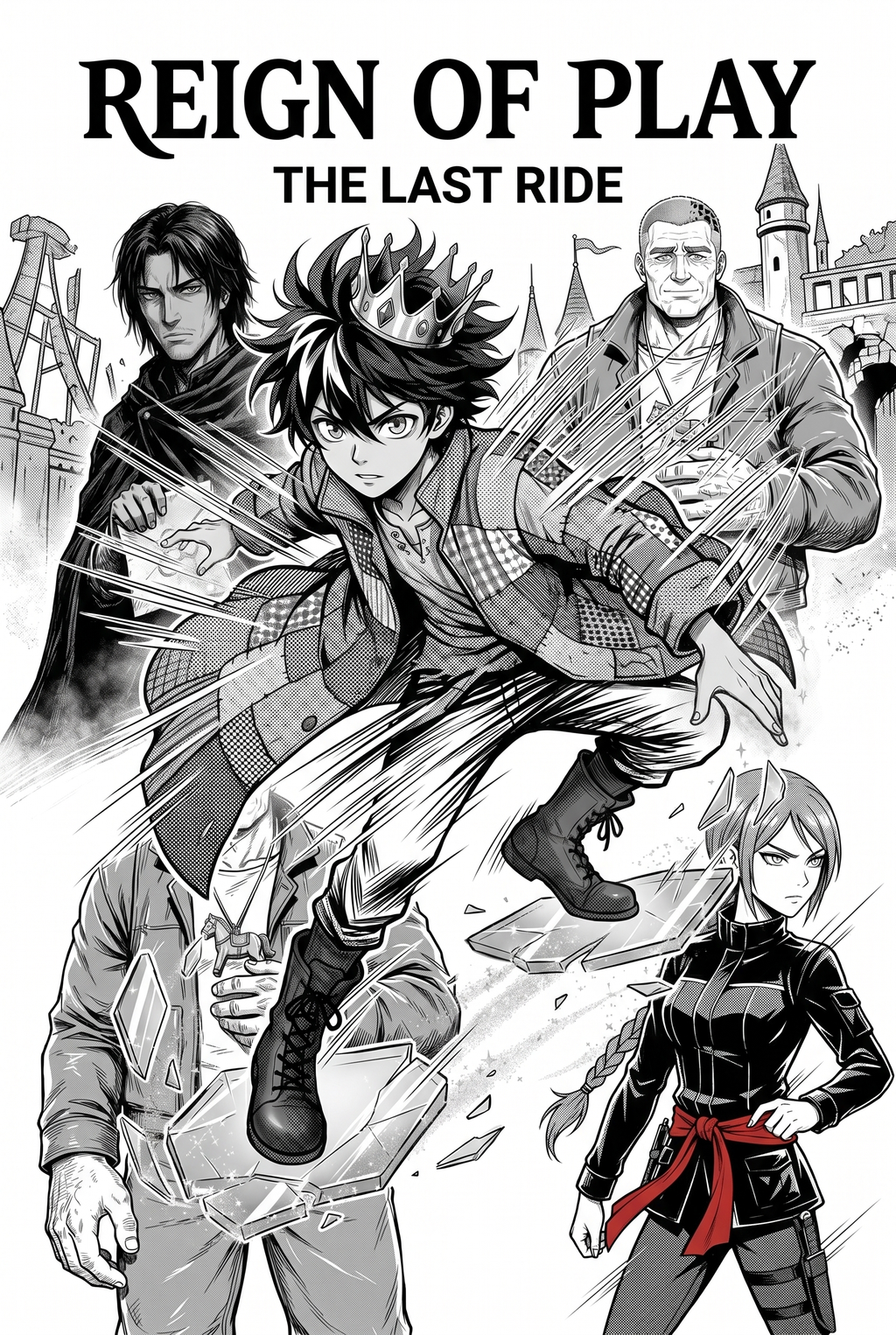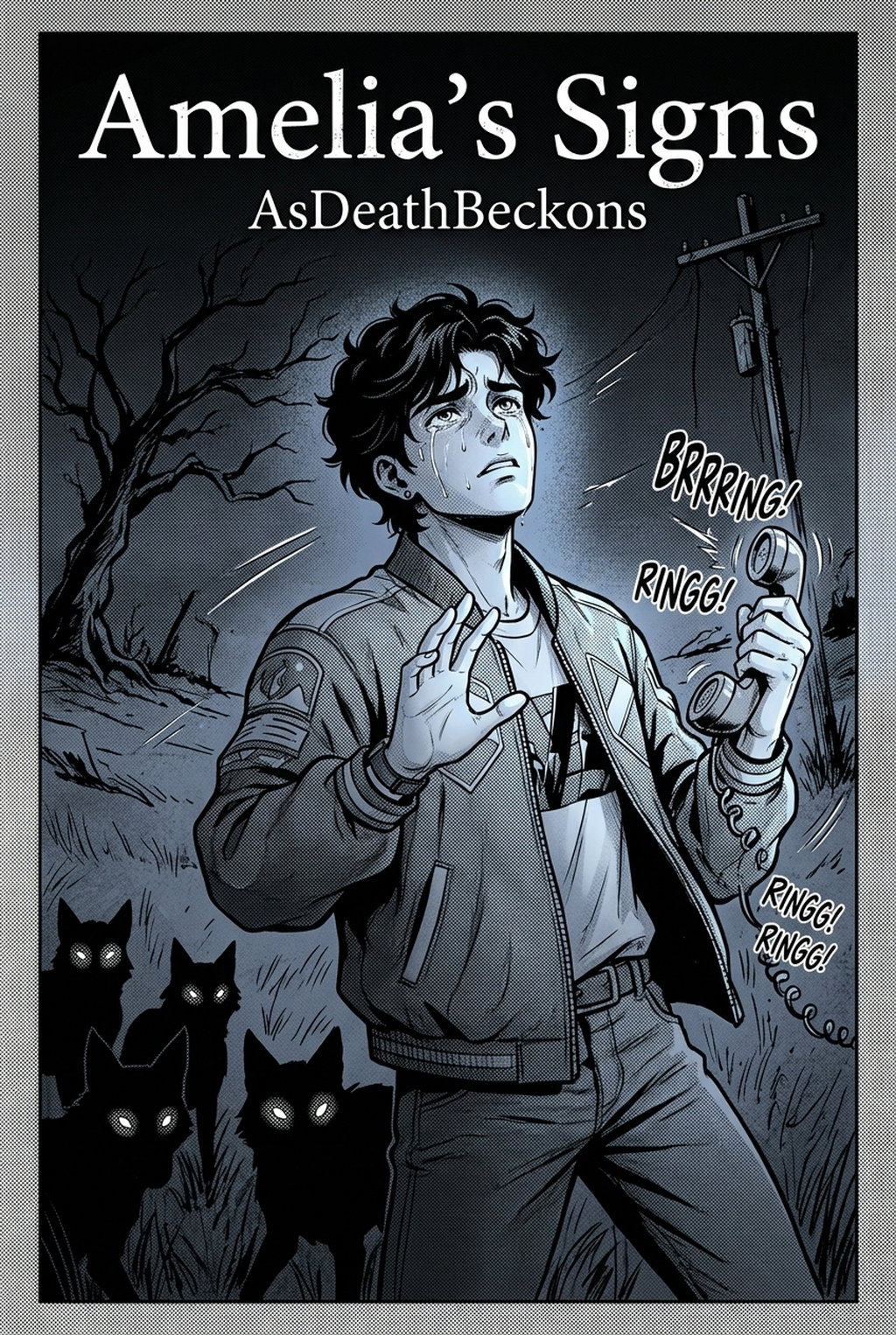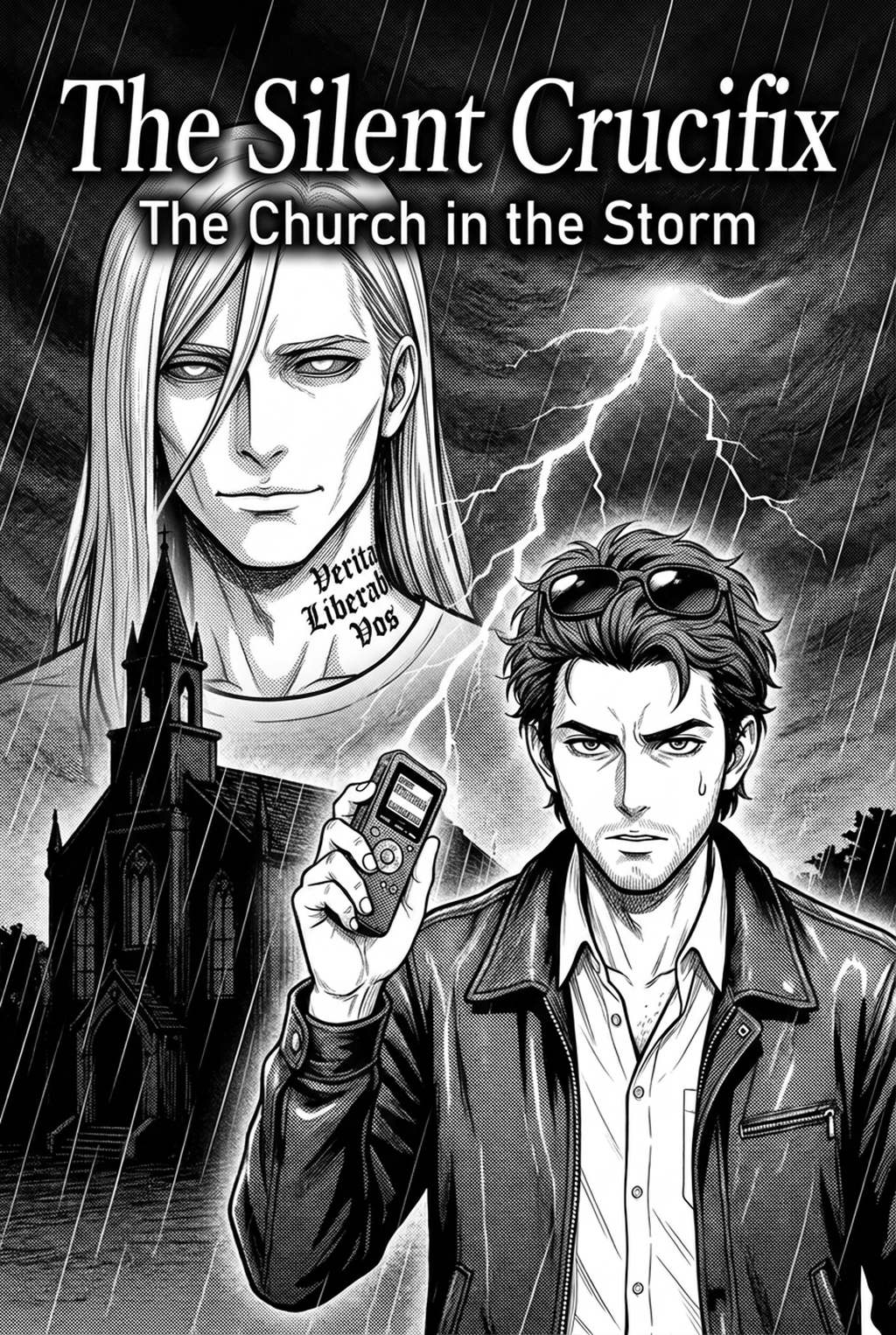
AI 4-Koma Strip Maker: Fundamentals of Four-Panel Structural Flow
Effective 4-koma rhythm relies on the traditional Japanese framework of Ki-Sho-Ten-Ketsu, which represents Introduction, Development, Twist, and Conclusion. The third panel, or the 'Ten' (twist), acts as the critical anchor for the entire strip; pacing succeeds only when the first two panels establish a baseline expectation that the third panel sharply subverts.
Creators must resist the urge to cram exposition into the initial panels. If your dialogue consumes more than 40% of the visual space in the first panel, you are likely failing the primary directive of this format, which is to allow the art to carry the weight of the gag.
- Ki (Introduction): Sets the scene and establishes the status quo for your characters. * Sho (Development): Expands on the introduction without adding unnecessary character-proportion drift. * Ten (Twist): Injects the unexpected element that breaks the established baseline. * Ketsu (Conclusion): Delivers the final reaction or resolution that cements the humor.
Why Structural Discipline Drives Manga Success
The four-panel constraint serves as an essential editor that forces you to remove 'filler' panels that dilute the emotional or comedic impact of your work. By adhering to this rigid delivery format, you establish a reliable source context for the reader, who intuitively expects the punchline to hit at a specific cadence.
Without this frame, your storytelling risks 'comedic drift,' where the timing of the reveal loses its rhythm in serialized releases. Readers rely on the familiarity of the structure to understand when a joke is being built and when it is being released. When you violate this expected timing, you force the reader to do extra cognitive work to understand the joke, which effectively kills the laughter.
Applying Structural Intelligence to Digital Creation
Mangaka automates the rhythm of your strip by mapping a single punchline idea across four distinct panels, ensuring the logical flow maintains the tension required for the final reveal. You can isolate the 'Ten' panel to iterate on different punchline intensities without re-drawing the entire strip or losing character consistency.
- Rhythm visualization: The platform helps you identify if the visual punchline is appropriately balanced against the setup text. * Workflow acceleration: You can generate the scaffolding for your comic strips, saving hours on initial panel layout and composition. * Iterative control: You maintain creative oversight over the final inked, colored, or line-art output, allowing for adjustments to speech-bubble placement before final export.
By utilizing 4-koma comedy pacing with Mangaka to structure your initial ideas, you avoid the common pitfall of having to redraw a full strip when the comedic timing in the third panel feels flat or overly predictable. This keeps the review focused on story intent, line weight, panel readability, and the export quality behind the final AI 4-Koma Strip Maker output.
Addressing Common Pacing Bottlenecks
Creators often encounter 'transition fatigue,' where the progression between the second and third panels feels disjointed, causing the reader to disengage before the final frame. One common error is 'dead weight' in the second panel, where the creator attempts to explain the setup too thoroughly, essentially ruining the surprise element of the twist.
- Over-explanation: Avoid using the second panel to provide unnecessary backstory; trust the reader to pick up on visual cues. * Text-to-image ratios: If your text delivery format dominates the visual gag, you create a reading bottleneck that forces the audience to stop looking at your character expressions to focus on reading wordy dialogue. * Pacing disconnects: Ensure that the transition from Sho to Ten creates a logical bridge rather than a jarring jump that confuses the narrative flow.
Getting Started with Consistent Structural Design
Mastering the standard rhythm is a prerequisite before you attempt to break the rules for stylistic effect. When you are just starting, aim for minimal dialogue in the 'Ten' panel, allowing the art to carry the punchline visually rather than relying on textual setup.
If you are currently producing a strip where the joke feels weak, try stripping the dialogue down by 50% in the 'Ten' panel and shifting the focus to a distinct character facial expression. Use your 4-koma comedy pacing to verify that your panel gutters are consistent and that the speech-bubble layout does not obscure the key elements of the punchline.
- Before Export. Creators should compare the generated line art with the original sketch and confirm that facial expressions, props, speed lines, and speech-bubble space still support the scene. A repeatable review pass should cover character consistency, panel readability, background clarity, and whether the final file is ready for coloring, lettering, or editor feedback.
- For Longer Projects. Creators should save approved examples of line weight, face detail, clothing folds, and background density. Those references keep later chapters closer to the intended style. For collaboration, creators should mark which panels are final and which panels still need redraws. Clear status labels prevent an assistant, editor, or colorist from polishing the wrong version.
- For Publishing. Creators should review the page at the actual reading size before export. Small screens expose crowded dialogue, weak silhouettes, and line details that looked fine while zoomed in. Creators can use each revision decision to clarify panel readability, character consistency, and export quality before publishing or sharing.
The Bottom Line
Mastering AI 4-Koma Strip Maker workflow requires the discipline of constraint, ensuring every panel contributes to the final punchline rather than acting as filler. By utilizing established structures like Ki-Sho-Ten-Ketsu and iterating on your ideas with modern tools, you can ensure your comedic timing remains sharp and consistent across every serial release. Start refining your next punchline ideas today at 4-koma comedy pacing to see how structural pacing elevates your work.