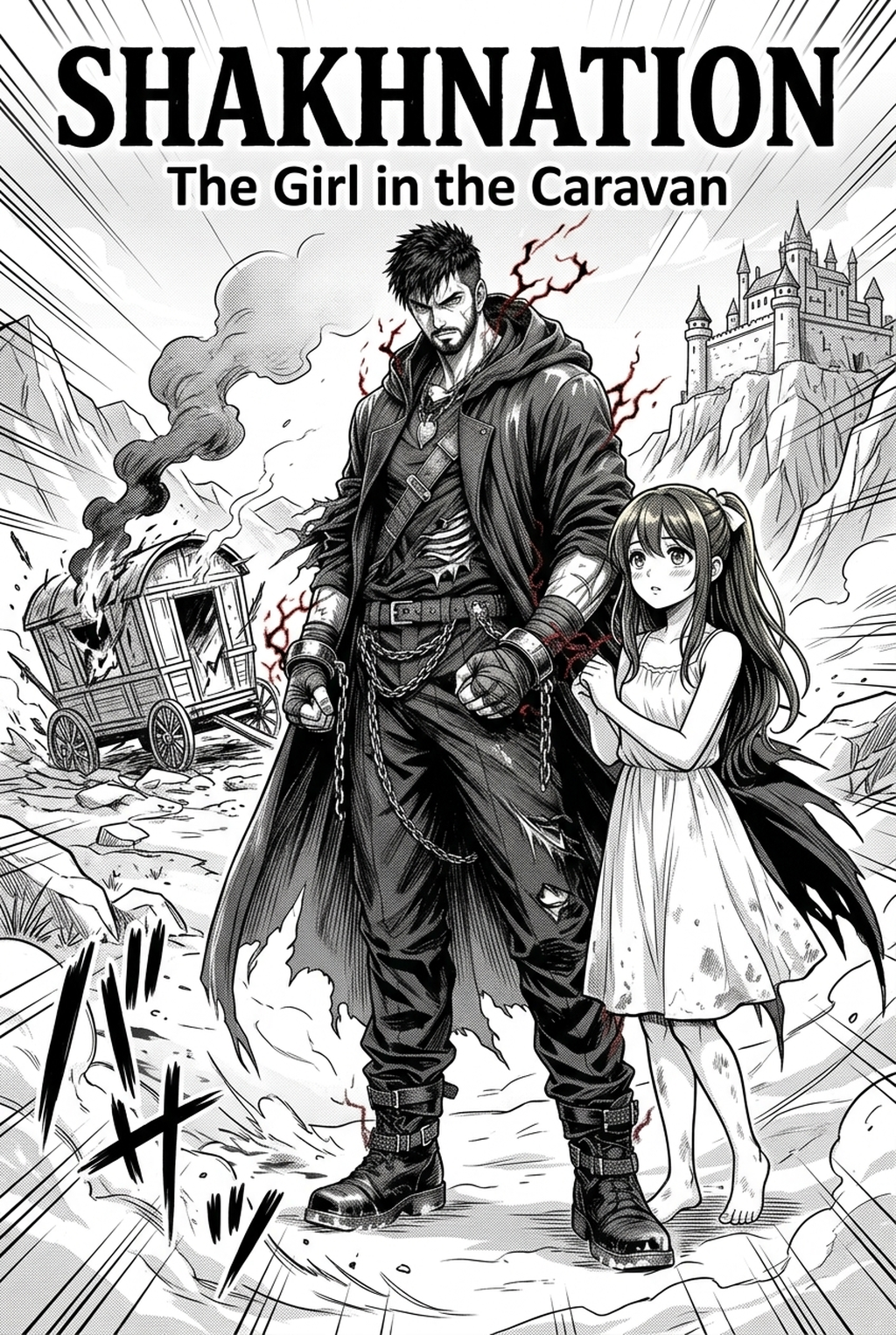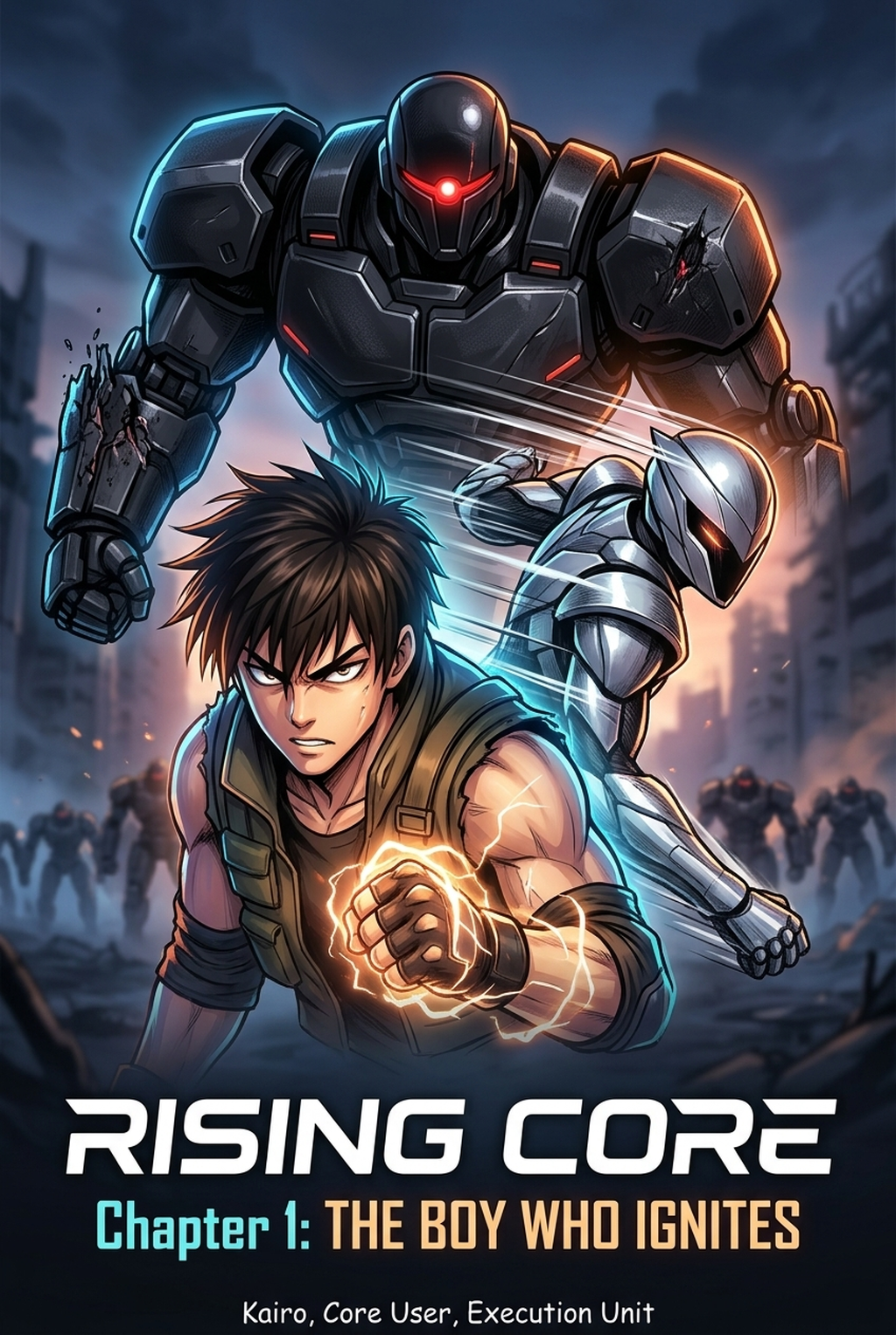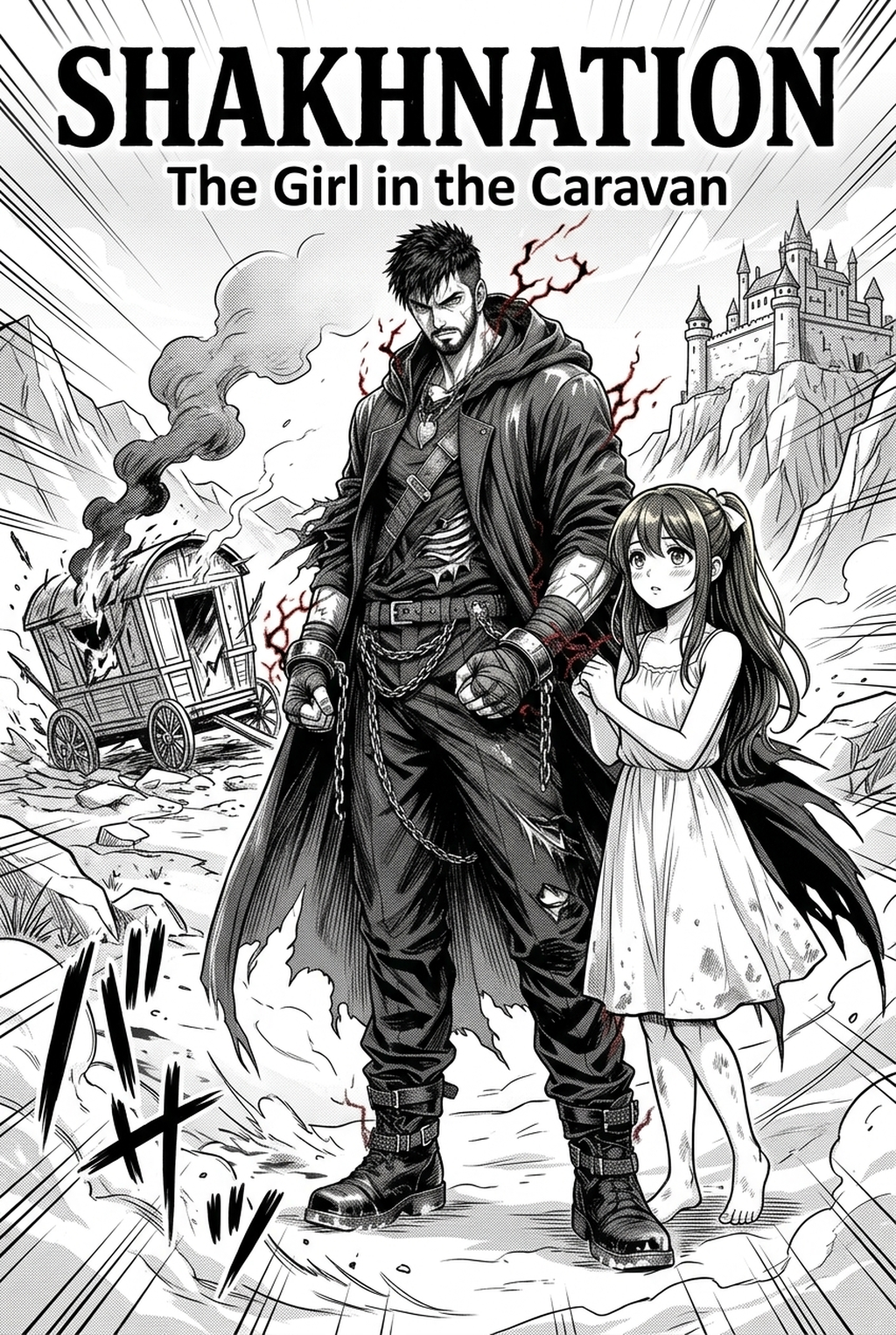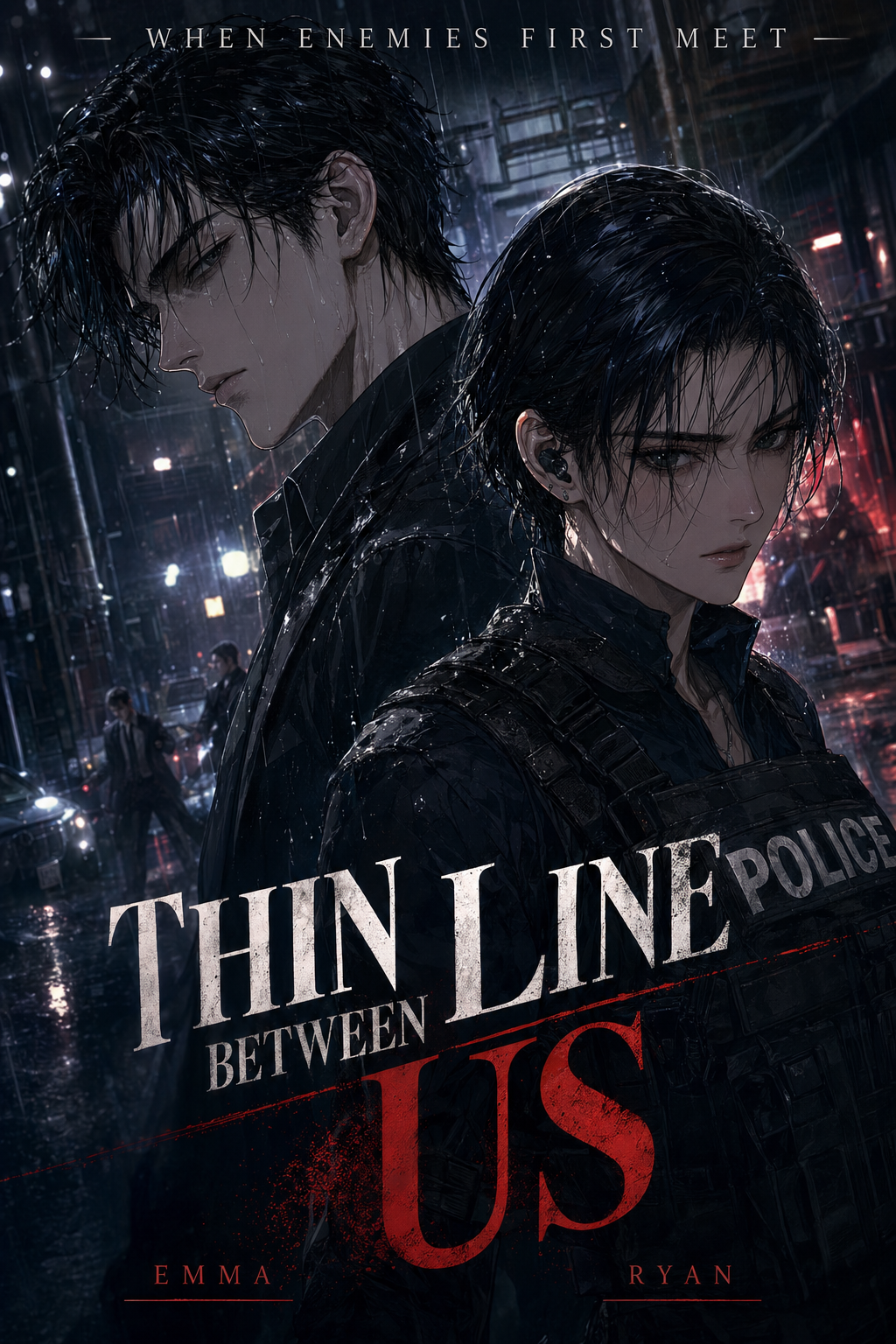
Understanding the AI 4-Koma Strip Maker
The core of this format is the interplay between the four distinct beats that guide the reader’s eye and mind. Unlike a long-form tankobon chapter where you have twenty pages to develop a sub-plot, the 4-koma strip demands that your setup in the first two panels is perfectly calibrated to support the inevitable subversion of expectations in the third.
- Ki (Introduction): The first panel must immediately establish the setting and the primary character dynamic without needing any external context. * Sho (Development): The second panel builds on the initial state, adding nuance or a secondary action that readies the scene for the shift. * Ten (Twist): The third panel functions as the emotional or logical pivot point, often featuring an exaggerated facial expression to heighten the comedy. * Ketsu (Conclusion): The final panel offers the resolution, typically providing the punchline or the lingering irony that defines the strip’s success.
The primary artistic challenge here is visual economy. If you fail to maintain character silhouette recognition or rely on overly cluttered backgrounds, you lose the Ketsu" impact entirely because the reader spends too much time decoding the art rather than feeling the punchline.
Why AI 4-Koma Strip Maker Matters for Manga Creators
The mathematical rigidity of the four-panel layout serves as the most effective training ground for comedic timing in the entire manga industry. You are forced to prune all secondary dialogue until only the setup and the punchline remain, which prevents the "dialogue bloat" common in novice webcomics.
Mastering the 'Ten' is the most critical driver of reader engagement; if the shift is too predictable, the conclusion loses its impact, regardless of how much time you spent on ink textures or complex screen tones. Many creators falsely believe that increasing the number of panels improves the humor, but in reality, the four-panel limit acts as a high-pressure filter. It forces you to abandon lukewarm ideas quickly and focus on sharper, more punchy narrative arcs. This constant iteration loop is exactly what separates professional-grade gag manga from amateur sketches that fail to elicit a reaction.
How 4-Koma Strip Works with Mangaka
Modern AI tools allow creators to move from an abstract punchline idea to finalized visual assets without requiring decades of illustration training or manual storyboard drafting. By providing a concept for a gag, you can leverage AI AI 4-Koma Strip Maker workflow Maker workflow with Mangaka to generate the required panel sequence, ensuring that character proportions remain consistent across all four squares.
The biggest bottleneck in traditional production is often the "layout-to-ink" phase, where character drift—where a character’s height or accessory changes slightly between panels—breaks the reader's immersion. When you generate your strips, the tool maintains visual logic, effectively locking the character model while you experiment with the 'Ten' variation.
Because you aren't spending three hours inking a single frame, you can iterate through dozens of variations of the third-panel twist in the time it would normally take to complete one page. This rapid testing capability is not just about speed; it is about performance analysis. You can tweak the intensity of a character's reaction, adjust the background density to shift the focus, and then instantly see how those changes affect the 'Ketsu' punchline before committing to a final export.
Use Cases for AI 4-Koma Strip Maker
Creators utilize this specific structure for various purposes beyond simple slapstick comedy, as it is uniquely suited for mobile-first consumption. By establishing character presence immediately in the first panel, you bypass the need for lengthy exposition, which is ideal for social media or daily serialized updates.
- Slice-of-life narratives: Focus on small, relatable human moments that feel complete and self-contained. * Marketing assets: Condense a product feature into a humorous anecdote to make it more memorable than a static ad. * Serialized gags: Build a recurring audience who returns daily to see how familiar characters react to new, short-form scenarios.
How to Get Started with Mangaka
If you want to master this medium, start by reverse-engineering your favorite strips to observe the exact rhythm of the 'Ten' moment. Note how the setup in the first panel always leads directly into the pivot without requiring excessive preamble.
When you use 4-koma strip , you can handle the pacing of the comic strip by focusing on the punchline logic first. While the AI handles the panel composition and the rendering of your characters, you remain the final judge of the comedic timing. You might find that moving a character expression from the third panel to the second changes the entire feeling of the strip; being able to perform these "what-if" tests in seconds allows you to refine the humor until it is perfect.
Creators should compare the generated line art with the original sketch and confirm that facial expressions, props, speed lines, and speech-bubble space still support the scene. A repeatable review pass should cover character consistency, panel readability, background clarity, and whether the final file is ready for coloring, lettering, or editor feedback.
The Bottom Line
The creator workflow remains the most efficient medium for capturing a reader's attention with a single, sharp punchline. By utilizing AI tools to handle the technical hurdles of panel composition, character consistency, and layout, you can finally focus on the essential storytelling beats that make four-panel comics a timeless art form. Whether you are a seasoned mangaka or a hobbyist, prioritize the 'Ten' and start building your sequence at 4-koma strip today.
Create Dynamic 4-Koma Manga with Mangaka.app
The four-panel structure demands strict comedic rhythm and rapid visual exposition. With Mangaka.app's purpose-built creation tools, independent cartoonists and mangaka can produce complete 4-koma strips in minutes:
- Automated Ki-Shō-Ten-Ketsu Templates: Instant vertical 4-panel grids calibrated for mobile webtoons and print publications.
- Consistent Chibi & Gag Characters: Maintain recognizable expressions, exaggerated comedic takes, and unified character proportions across all four beats.
- Dynamic Dialogue & Sound FX: Built-in Japanese onomatopoeia styling and balloon tail auto-placement.
- High-Resolution Multi-Format Export: Export strips optimized for social media vertical feeds or print collections.
Start building your next viral comic strip today at Mangaka.app .