AI 4-Koma Strip Maker: Understanding the Mechanics of Narrative Structure
A successful 4-koma relies on the Kishōtenketsu structure: Ki (introduction), Shō (development), Ten (twist), and Ketsu (conclusion). Mastering this Japanese storytelling model is essential for maintaining narrative flow within a strictly limited delivery format where you only have four distinct chances to engage the reader.
The 'Ten' panel serves as the critical emotional anchor that dictates whether the reader shares the strip on social media. If your third panel lacks a clear departure from the expectations set in the first two panels, the final 'Ketsu' punchline will fall flat regardless of how polished your line art looks.
Creators often fail by overloading the first panel with unnecessary exposition, leaving no room for the necessary buildup. A common mistake is using the first panel to explain the setting, whereas effective strips immediately place the character in an active state of conflict or observation.
Why This Format Matters for Your Indie Workflow
The 4-koma format serves as a low-friction entry point for indie creators to establish character consistency and build a steady readership without committing to the massive time investment of 20-page chapters. It minimizes the barrier to entry, allowing artists to iterate on specific art styles and comedic timing faster than any long-form publication schedule would permit.
Use these strips as a 'character stress-test' to refine expressions and body language before committing to high-stakes, long-form manga pages. If a character’s design feels cluttered or inconsistent in a simple four-panel set, you can identify and correct these visual imbalances before they become systemic errors across a larger project.
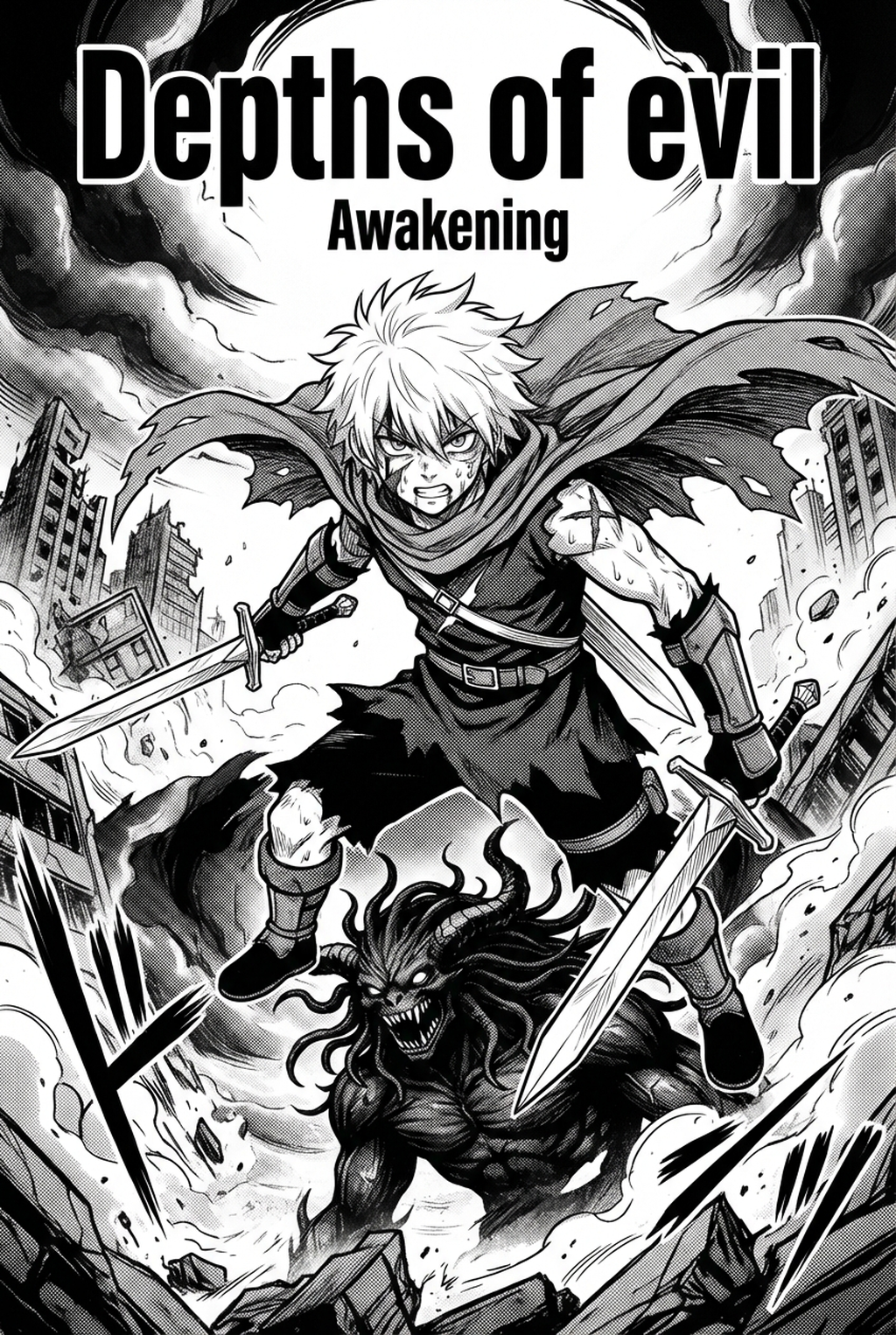
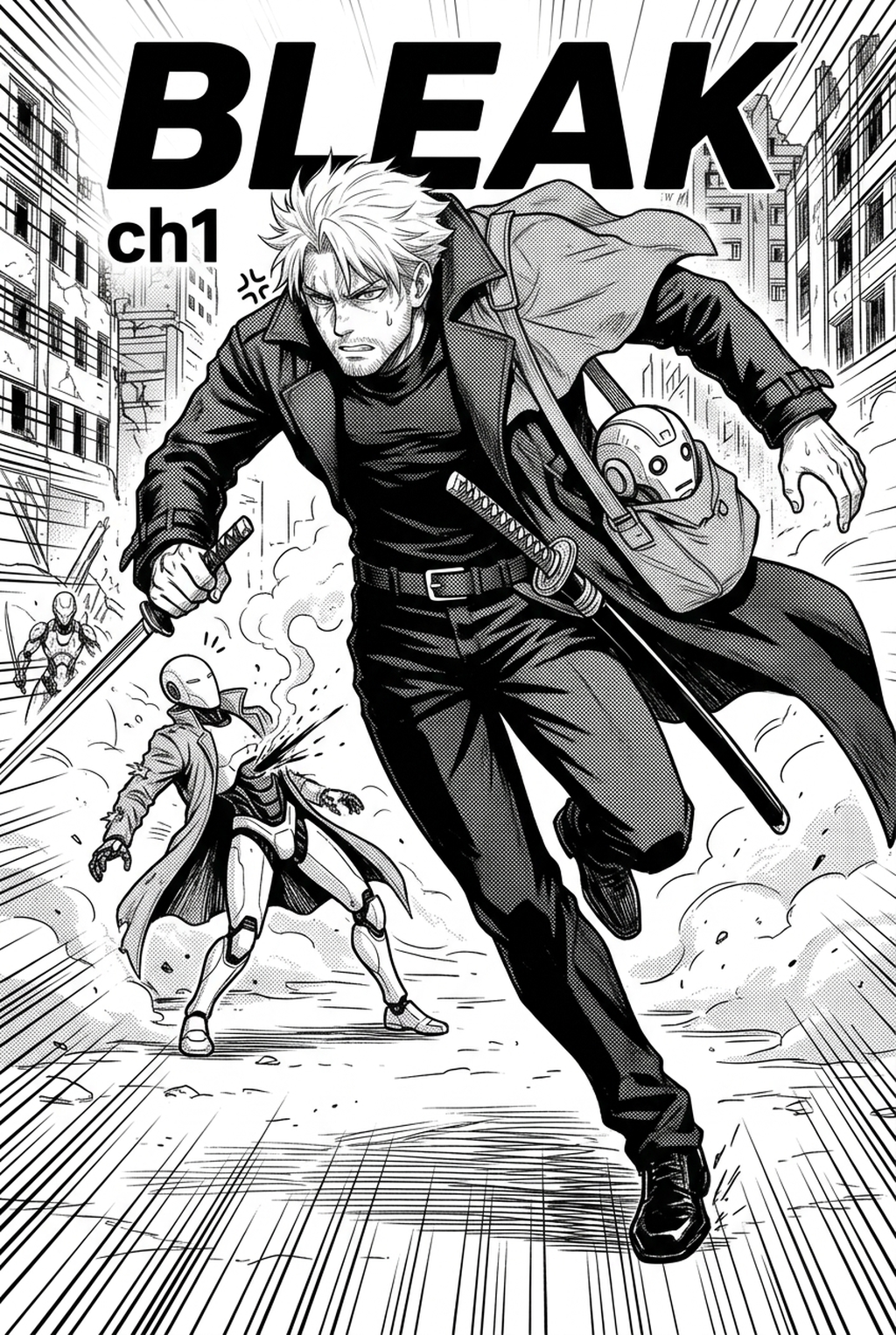
- Chapter cadence. Use the AI pass for pages where speed matters most, such as repeated action poses, transformation beats, or dense speed-line panels. Keep manual cleanup for hero panels where the line style defines the emotional peak.
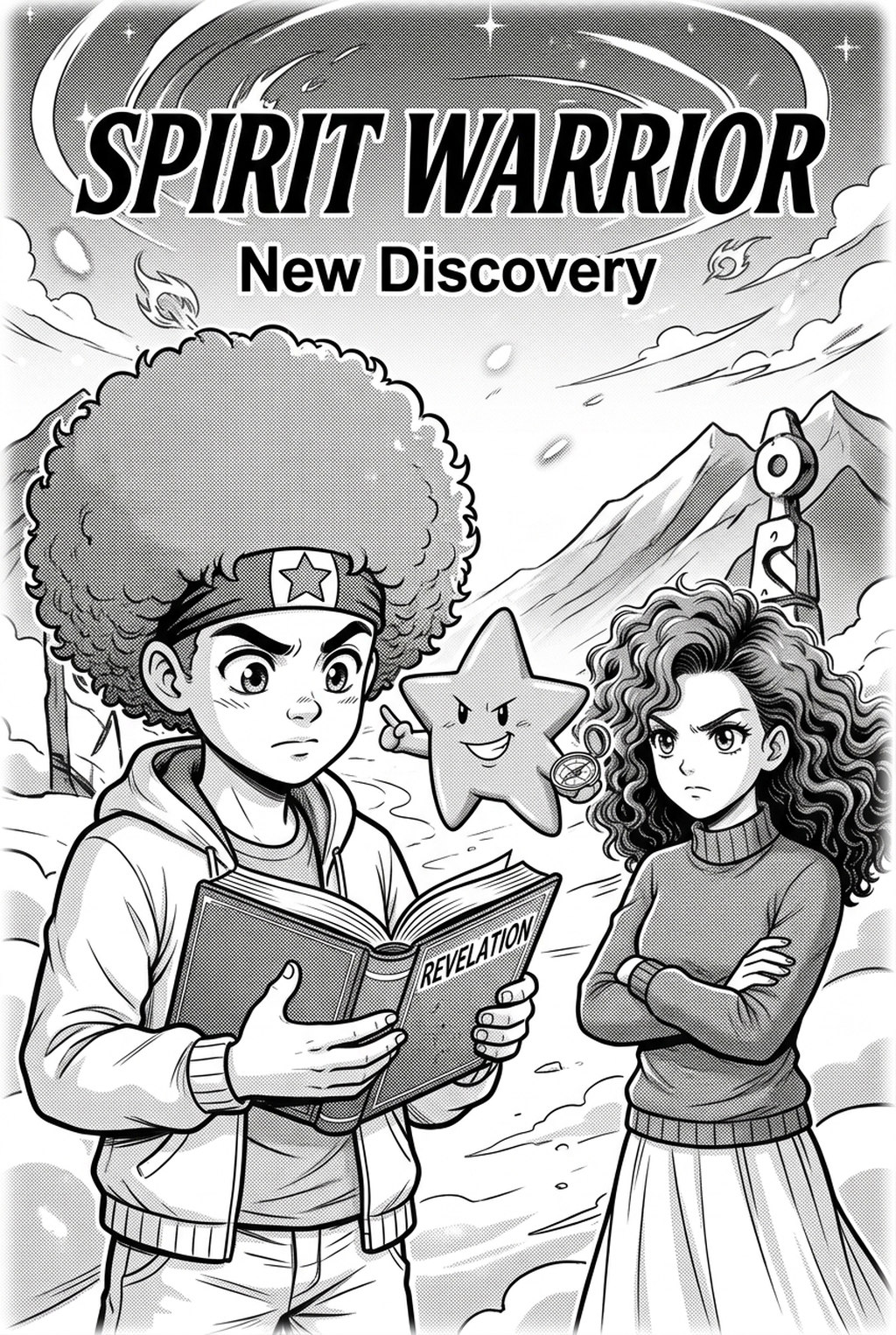
- Character continuity. Compare the generated lines against the same model sheet, costume notes, and facial-expression range used during sketching. This prevents a fast inking pass from drifting away from the character identity readers recognize.
- Export readiness. Check whether the final manga output can move into lettering, coloring, or final layout without rebuilding panel borders or speech-bubble space. A good manga workflow should save time while keeping the next production step predictable.
How 4-Koma Strip Creation Works with Mangaka
By leveraging AI tools, creators can input a single punchline idea and automatically generate cohesive storyboards, panel layouts, and character poses. This process removes the technical friction of drafting, letting you focus on the creative essence of the script rather than struggling with basic geometric alignment.
One of the most persistent issues in manual comic production is the subtle alteration of facial features or costume details as a character moves across the four panels. AI-assisted tools ensure character sheet consistency, effectively locking your design parameters so that your lead persona remains recognizable in every frame.
By automating the tedious drafting phase, you can spend more time on dialogue polish and artistic flair rather than basic inking. For instance, a creator might input a specific punchline, and the 4-koma strip creation engine will provide a base layout where line weight and gutter spacing are already optimized for professional readability, leaving the final polish to your creative oversight.
| Feature | Manual Process | Mangaka Workflow |
|---|---|---|
| Panel Alignment | Manual ruler/gutter math | Instant layout generation |
| Character Consistency | Constant reference checks | Locked model parameters |
| Drafting Time | 4–6 hours per strip | 15–30 minutes per strip |
Managing Density for Mobile Readability
Maintaining balanced spacing and text density across all four panels is vital to ensure readability on small mobile screens. When text blobs become too large, they occupy the negative space meant for visual comedic cues, effectively ruining the timing of your twist.
Professional tips include using negative space effectively to highlight the comedic timing in the third panel twist. By leaving the background sparse during the 'Ten' reveal, you force the reader’s eye to focus directly on the character’s reaction, which is almost always where the humor resides.
How to Get Started with Your Layout
What is the best aspect ratio for digital 4-koma strips? The standard is a vertical layout for mobile scrolling platforms, though a horizontal 2x2 grid is still preferred for traditional desktop or printed consumption. Does AI replace the need for storyboarding? AI tools act as a review owner that suggests layout flow, but the human creator must still curate the core punchline to ensure the emotional trajectory remains intact. You remain the final editor, ensuring that every panel serves the narrative rather than just filling space.
While a 4-koma is strictly four panels, it is standard to experiment with 'yon-koma' variations that add small transition panels if necessary. However, if you find yourself needing more than six panels, you are likely shifting into traditional page-based manga territory, which requires an entirely different approach to spacing and page breaks.
Creators should compare the generated line art with the original sketch and confirm that facial expressions, props, speed lines, and speech-bubble space still support the scene. A repeatable review pass should cover character consistency, panel readability, background clarity, and whether the final file is ready for coloring, lettering, or editor feedback. For longer projects, creators should save approved examples of line weight, face detail, clothing folds, and background density. Those references keep later chapters closer to the intended style.
The Bottom Line
Mastering this format is the most effective way for budding mangaka to learn narrative economy and build a loyal, recurring audience. By utilizing AI to handle the repetitive production stages, you can focus on the creative essence that makes your work stand out in a crowded market. 4-koma strip creation by distilling your best ideas into a concise four-act structure using Mangaka’s design tools.