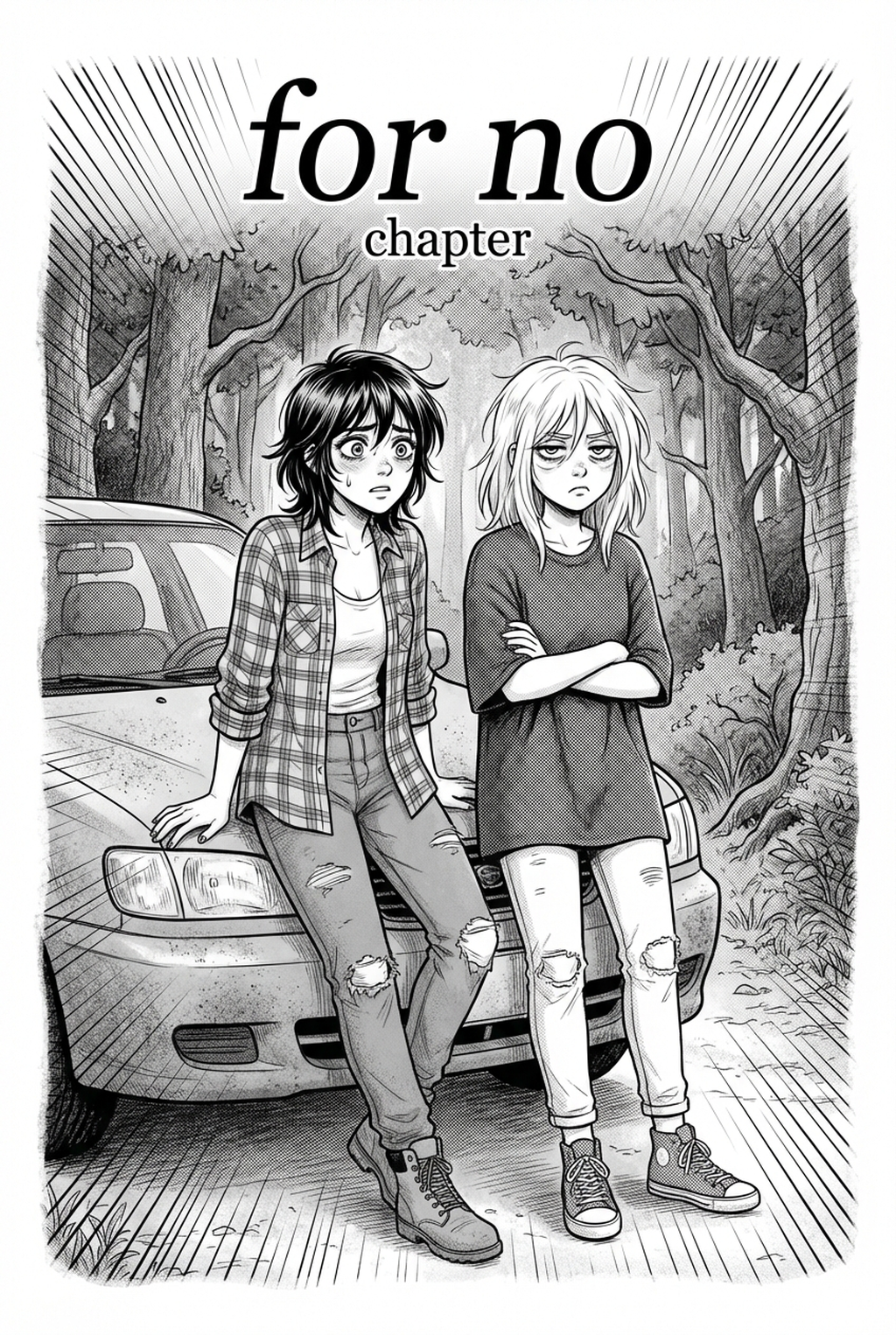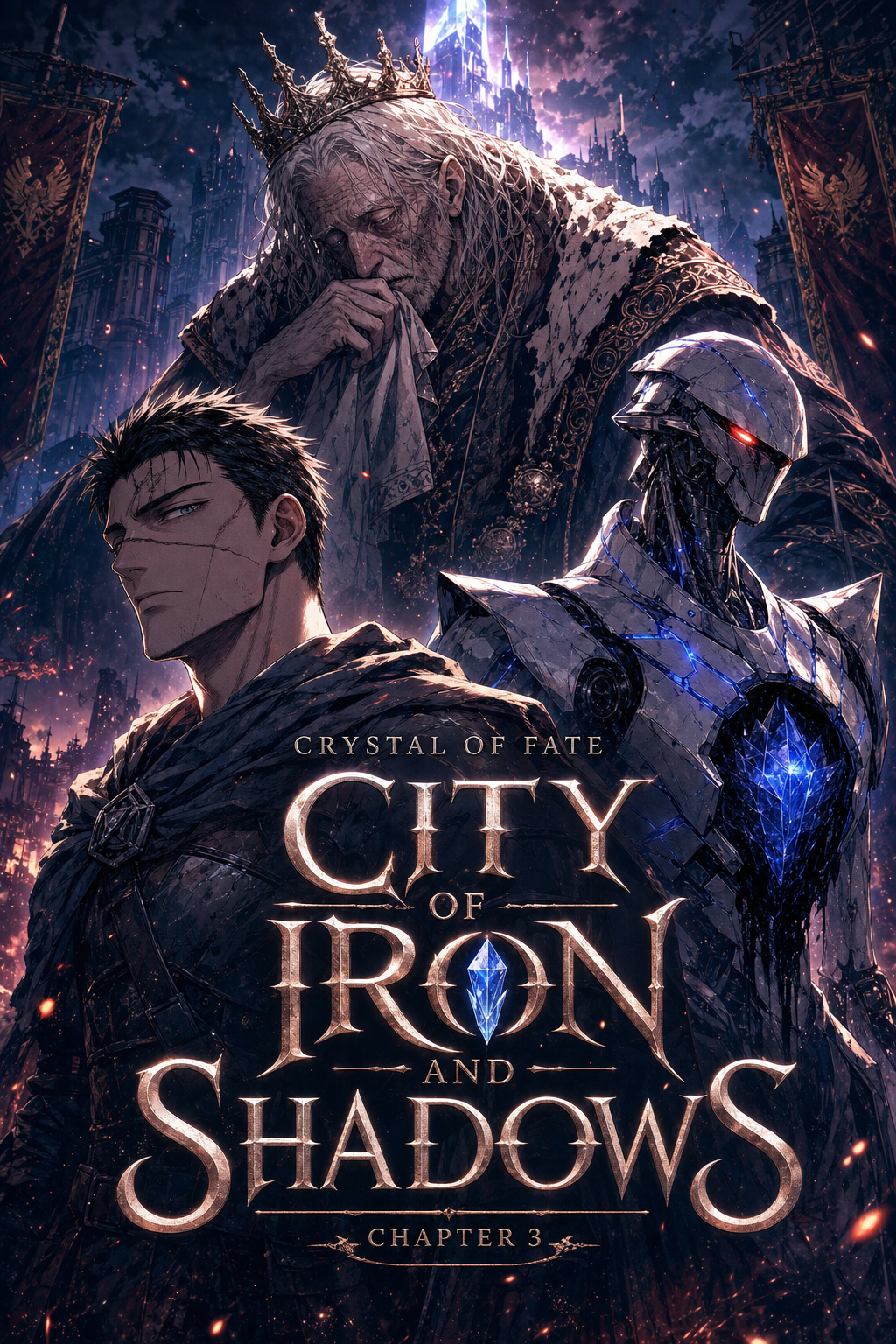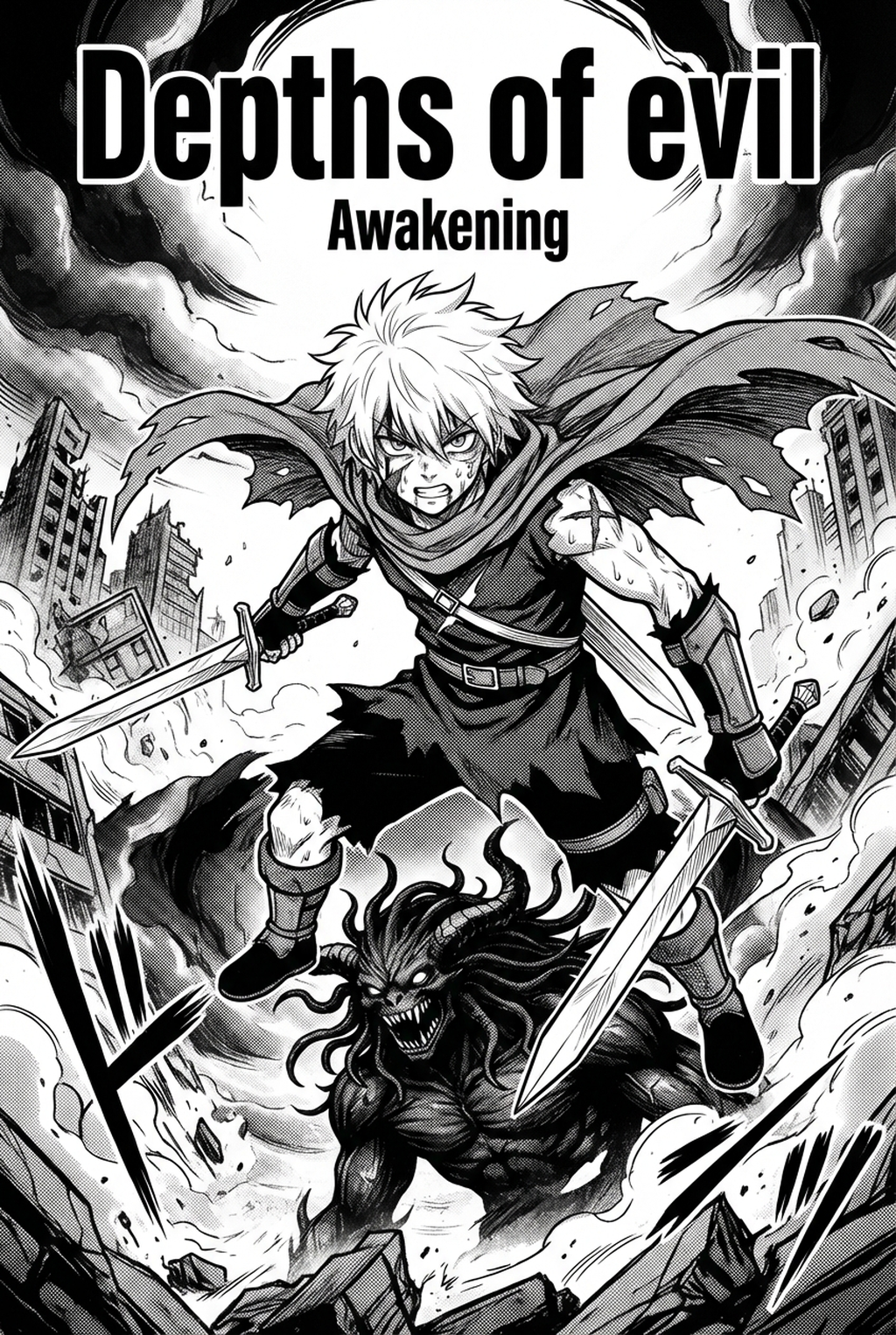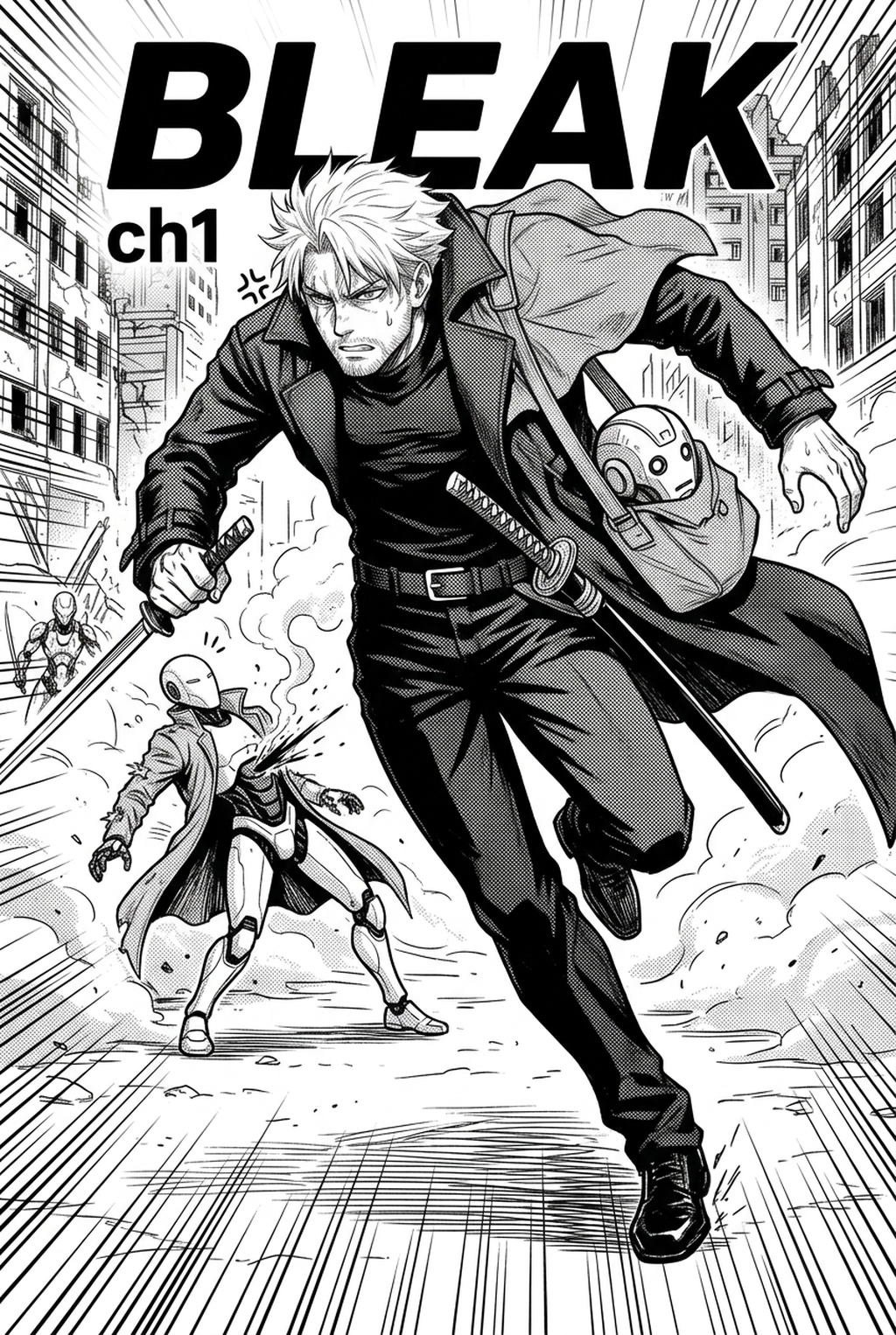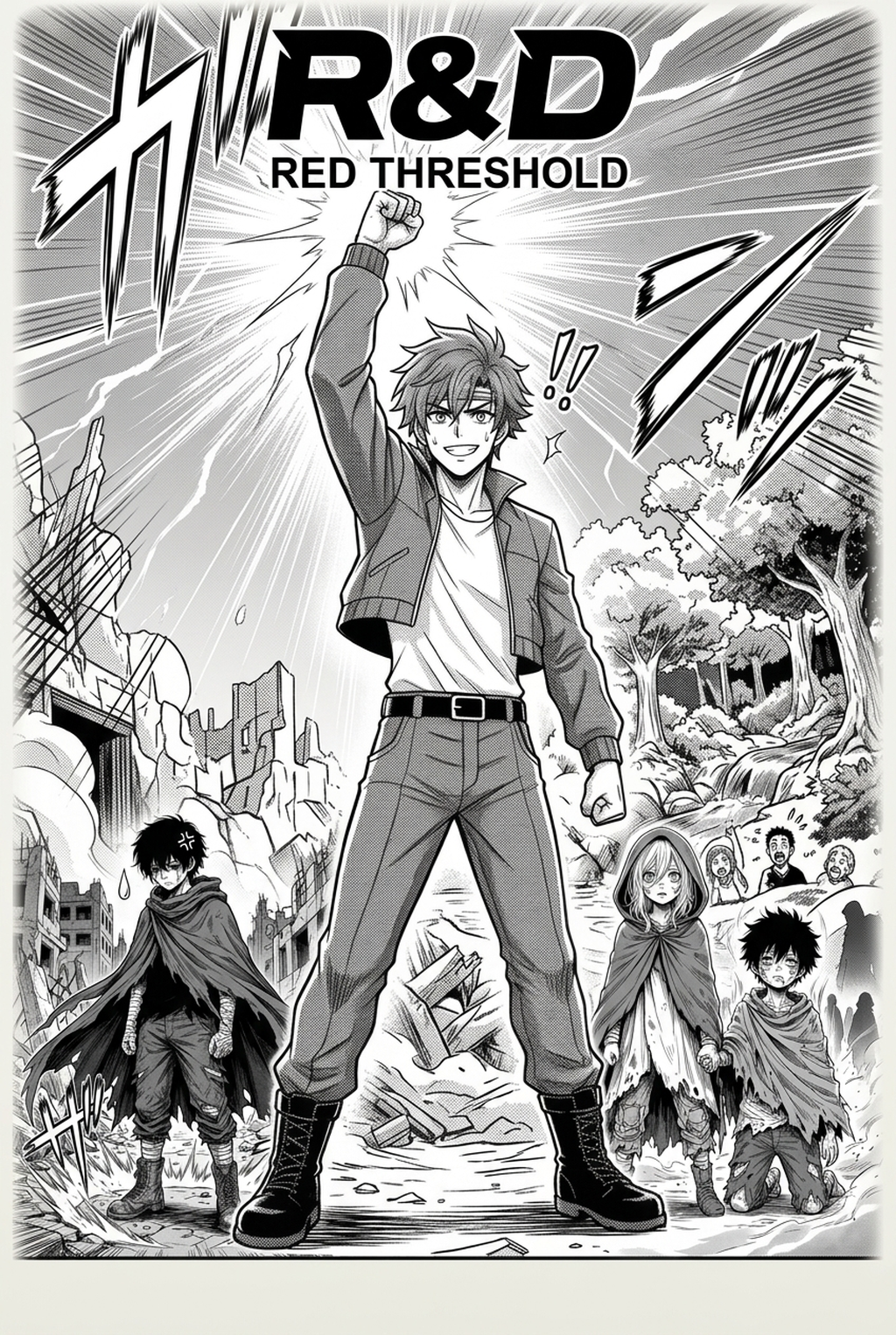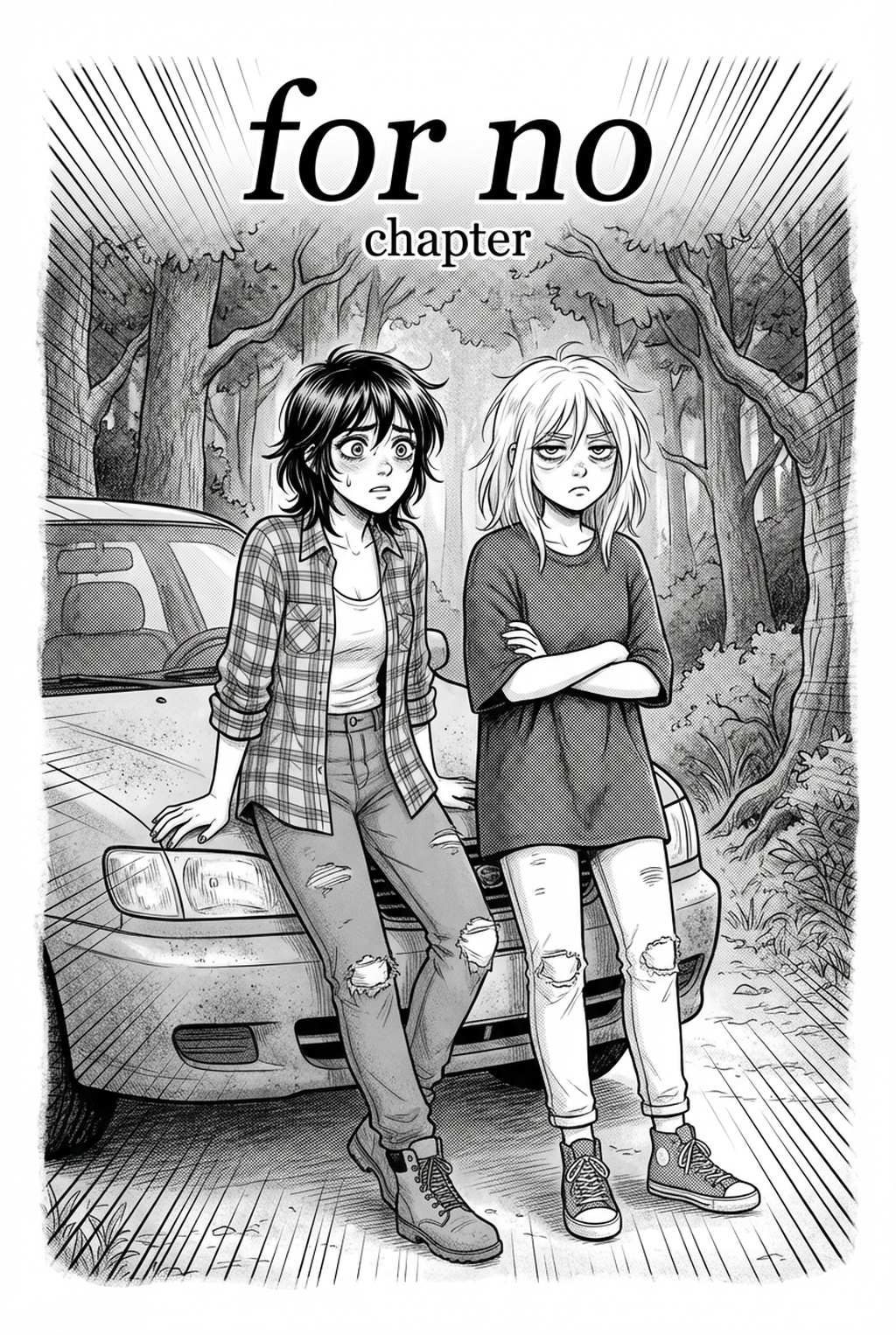
AI Manga Character Designer: Anatomy of Professional Reference Assets
A professional sheet provides a standardized blueprint that captures your character from three primary angles: front, profile, and three-quarter view. This layout is not merely an artistic exercise but a rigid production manual that dictates how your character must appear when subjected to foreshortening or dynamic movement.
- Orthographic Projections: Present the character in a neutral standing pose to clearly define height, torso-to-leg ratios, and shoulder breadth. * Consistency Markers: Highlight specific visual details like unique eye shapes, recurring scars, or facial markings that must appear in every panel regardless of the character’s emotional state. * Signature Gear and Weapons: Inventory every item, such as a specialized scabbard or a signature jacket pattern, including a detailed close-up of these objects to ensure they are drawn accurately during repetitive action sequences.
You use these sheets to act as the primary review owner for your own work, stopping anatomical inconsistencies before they reach the inking stage. If you do not have a fixed reference, you risk a "style shift" that can pull a reader out of your narrative immersion as the story progresses.
Consistency Benefits for Serialized Manga
Manga creators face extreme "consistency fatigue" when drawing recurring characters for long-running series, often losing track of subtle details under the pressure of tight deadlines. Reference sheets serve as a single source of context, allowing you to bypass the need for memory-based drawing that inevitably introduces errors.
- Archetype Enforcement: Well-designed sheets allow creators to maintain specific visual markers that define a character's archetype, such as shonen-style spiky hair density or seinen-style muted clothing textures. * Workflow Acceleration: Using pre-defined character models significantly speeds up inking and color workflows by eliminating the need to re-calculate proportions mid-chapter. * Drafting Efficiency: When you have a firm grasp of your character’s physical silhouette, you can plot out complex battle choreography without spending hours checking if the character's armor plating or belt configuration remains accurate to the previous page.
Mangaka Character Model Integration
Mangaka allows creators to convert text descriptions into standardized visual references in seconds, directly solving the problem of manual drafting time. If your character requires a specific, recurring costume detail like a weathered leather strap with unique buckle placement, the AI ensures that these features remain locked across multiple character iterations.
- Feature Lock: Automated tools ensure that character terminology—such as specific eye shapes, distinct freckle patterns, or recurring facial scarring—remains locked across multiple iterations of the character model. * Dynamic Pose Mitigation: AI-driven design reduces the 're-draw' time often required when traditional character sheets fail to account for complex dynamic poses or extreme perspective shifts.
For Example. a creator working on a 24-page chapter might find their protagonist’s hair volume shrinking in panels where the character is viewed from above. By using the character sheet design with Mangaka to generate a precise 360-degree reference, you create a visual anchor that keeps your hair-spikes consistent even during the most complex, high-energy panel layouts.
Applied Character Sheet Use Cases
A functional sheet should act as a multi-purpose toolkit that includes more than just the character's physical dimensions. You must categorize your assets to cover every potential scenario your character will encounter, from dramatic dialogue scenes to high-speed combat.
- Color Palette Guide: Extract precise hex codes or pigment matches for hair, skin, and clothing to maintain color consistency in colored covers or promotional material. * Expression Charts: Map out at least five core emotional states—joy, rage, despair, focus, and confusion—to define the character’s acting range for standard dialogue panels. * Costume Marker Details: Highlight specific seams, belt configurations, or armor plating that define the character's unique silhouette for both the ink and screen-tone layers.
Workflow Initiation for Artists
You should update your reference sheets whenever a character undergoes a major design evolution or time-skip, treating each iteration as a new source of truth for the project. When asked about style, remember that the model can be guided to handle specific art styles like Seinen or Shojo by prompting the AI with style-specific source context.
- Storyboard vs. Sheet: Do not confuse these assets; character sheets provide the foundational visual material, whereas storyboards define the scene execution and pacing. * Production Cadence: A character sheet does not replace your artistic intuition, but it removes the technical overhead that prevents you from focusing on the actual storytelling. * Style Adaptability: By tailoring the generative context to your target audience's aesthetic, you ensure that the output feels native to your specific manga genre.
Creators should compare the generated line art with the original sketch and confirm that facial expressions, props, speed lines, and speech-bubble space still support the scene. A repeatable review pass should cover character consistency, panel readability, background clarity, and whether the final file is ready for coloring, lettering, or editor feedback. For longer projects, creators should save approved examples of line weight, face detail, clothing folds, and background density. Those references keep later chapters closer to the intended style.
The Bottom Line
Effective design is the definitive boundary between an amateur experiment and a professional manga series that maintains visual integrity from the first page to the final cliffhanger. By leveraging tools like the character sheet design , you minimize the technical overhead of re-drawing characters, allowing you to prioritize the narrative and emotional resonance of your work. Start building a foundational reference for your protagonist today to eliminate consistency errors in your future panels.
Building Industry-Standard Turnarounds with Mangaka
Professional serialization pitches demand comprehensive character design sheets with precise orthographic views, accessory breakdowns, and emotional reaction matrices. Mangaka's character turnaround generator automates multi-view alignment, guaranteeing consistent height proportions and signature silhouettes across all angles.
The platform allows creators to document line weights, screen tone codes, and anatomical guidelines in an organized, editable canvas. Streamline your pre-production pipeline with Mangaka's dedicated character creation studio and deliver publisher-ready model sheets effortlessly.