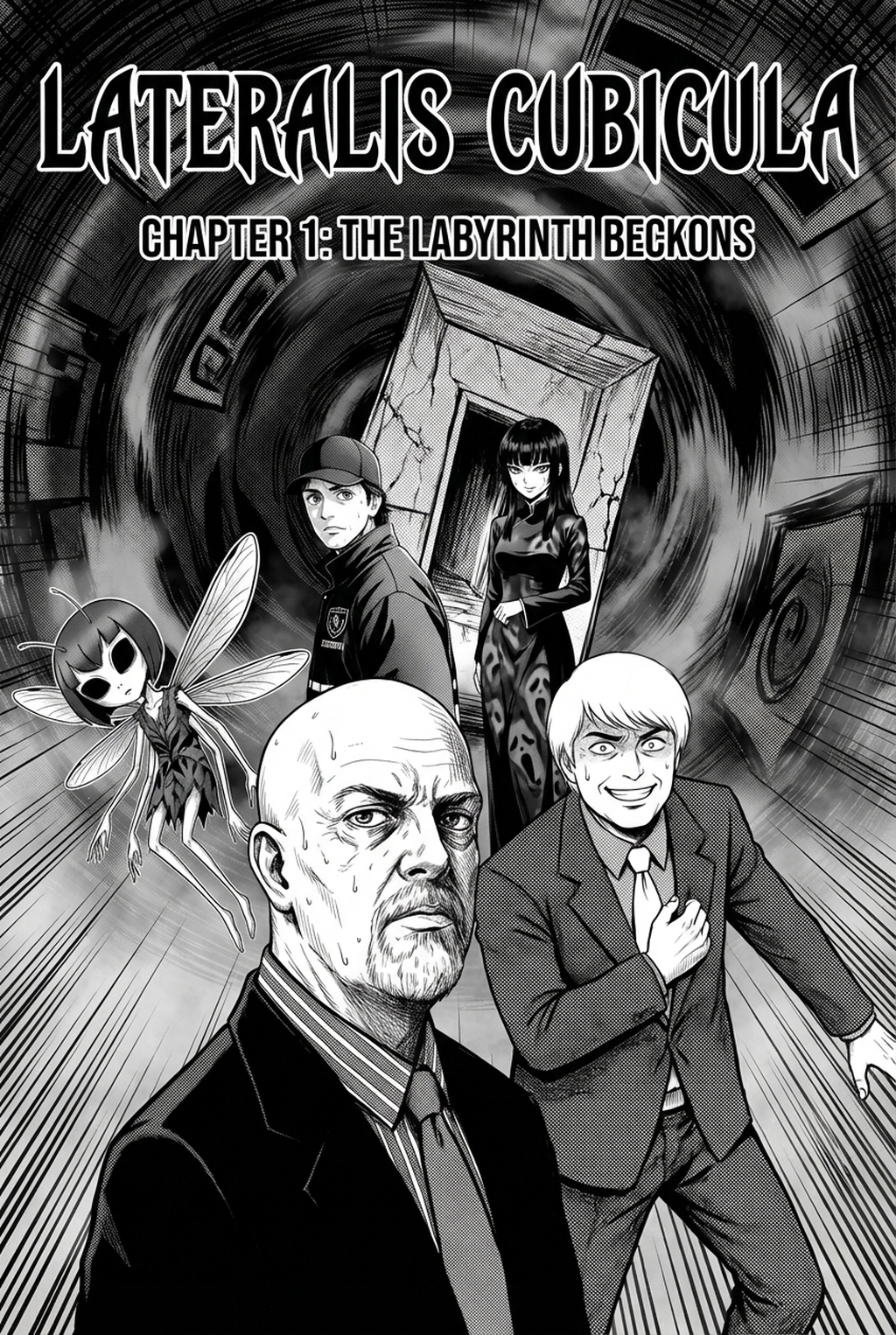
The Mechanics of Culinary Environment Construction
Effective cooking manga background design creates a sense of scale and realism within a professional kitchen or home cooking setting. You must prioritize the spatial relationship between preparation stations, industrial ventilation systems, and the specific tiered shelving found in professional culinary environments to keep the scene grounded.
A professional kitchen is defined by the work triangle—the distance between the stove, the sink, and the refrigerator. You should map these paths to ensure character movement feels authentic; if your protagonist moves from a prep board to a high-heat wok station, the background must reflect the proximity and flow of an actual commercial setup.
Readers of the gourmet genre possess an eye for detail, often distinguishing between specific blade types or cookware styles. Incorporating accurate depictions of Japanese santoku knives versus European-style chef knives acts as a visual cue for your protagonist’s technical skill level and professional background.
Check character consistency, panel readability, line quality, and export readiness before publishing. Creators should also record why the page passed review, which panel details still need manual cleanup, and which export format the next collaborator will use. That makes the subsection useful instead of leaving a short checklist under a large heading.
Why Technical Precision Impacts Reader Immersion
High-detail backgrounds in cooking series act as the 'third character,' establishing the atmosphere and intensity of the kitchen environment. When you provide a consistent, high-fidelity backdrop, you prevent jarring transitions that distract readers from the food-styling close-ups or character dialogue essential to the story.
A cramped, steam-filled izakaya background suggests a different story tone than a clinical, spacious fine-dining kitchen. By maintaining high visual quality in these settings, you anchor the reader in the specific emotional stakes of your culinary sequences. Gourmet genre fans are quick to notice inaccuracies in kitchen layouts, such as illogical placement of gas lines or impossible sink configurations. Your commitment to realistic background geometry serves as a signal that the series is a serious, well-researched exploration of the culinary arts.
How to Optimize Your Workflow with Mangaka
Traditional manual drawing of repetitive kitchen tiles, utensils, and stainless-steel surfaces remains the primary time-sink for independent creators working on tight deadlines. You can bypass the tedious labor of inking complex architectural grids by using AI-driven tools that translate scene descriptions into complex perspective layouts instantly.
Maintaining Geometric Consistency. Creators often struggle with 'scale-drift' where plate dimensions or appliance sizes change between panels during a long sequence. Cooking manga background design with Mangaka ensures geometric consistency by locking your scale parameters across a full chapter’s storyboards, ensuring that a 30-inch oven stays a 30-inch oven regardless of the camera angle.
AI-generated backgrounds integrate directly into the production production process, allowing for seamless layering of characters over generated panels. Most modern generation tools offer adjustable line-weight filters that allow you to match the generated art to the specific ink weight of your hand-drawn character layers, creating a unified look across the entire page.
Real-World Applications for Gourmet Panels
Using tools like Mangaka allows for generating manga-style backgrounds by providing text descriptions describing the scene, such as "commercial kitchen, ramen shop, steam, hyper-detailed. By automating the background layer, you can dedicate more focus to character expressions and food-styling close-ups, which serve as the primary emotional anchors of your series.
You can generate distinct kitchen styles—from rustic izakayas to ultra-modern fine-dining settings—by refining the creative brief to specify interior décor, lighting, and cultural setting. This flexibility allows you to shift the environmental mood of a chapter without needing to redraw the entire set from scratch.
- Background Integration: Generate 5 key master backgrounds for the competition kitchen, ensuring consistent perspective and lighting. * Review Pass: Overlay characters onto the backgrounds, adjusting individual line weights by 10-15% to ensure the foreground characters pop against the AI-generated backdrop. * Exporting: Finalize your files in 600 DPI grayscale or black-and-white TIFF format to maintain industry-standard printing clarity.
Getting Started with Professional Background Tools
Professional background art is highly recommended for short-form web manga, as modern digital readers prefer the immersive quality that detailed backgrounds provide. Because readers often consume content on high-resolution tablets, the difference between a sparse panel and a fully realized environment is readily apparent.
You might wonder if AI-generated art will clash with your manual inking style. Fortunately, you can apply tone and line-weight filters within the generation interface to ensure that the background art matches the stylistic convention of your existing character sheets.
Whether you are outputting for a digital scroll format or a traditional printed volume, you should generate your backgrounds at a minimum of 600 DPI to avoid pixelation. Maintaining this resolution allows you to zoom in on specific kitchen equipment or food prep details without losing clarity.
Creators should compare the generated line art with the original sketch and confirm that facial expressions, props, speed lines, and speech-bubble space still support the scene. A repeatable review pass should cover character consistency, panel readability, background clarity, and whether the final file is ready for coloring, lettering, or editor feedback.
The Bottom Line
High-quality background design is part of the production decision for solo manga creators; it is an accessible, manageable aspect of the workflow through modern AI integration. By prioritizing efficient layout design and leveraging smart generation tools, you ensure that your story's culinary action remains the central, polished focus for your audience. Cooking manga background design and see how much time you save on your next chapter.
Related articles
Mastering Food Manga Art Style: A Guide for Creators 2026
Exorcist Manga Character Design: A Dark Aesthetics Guide
Mastering Cyberpunk Manga Background Design in 2026