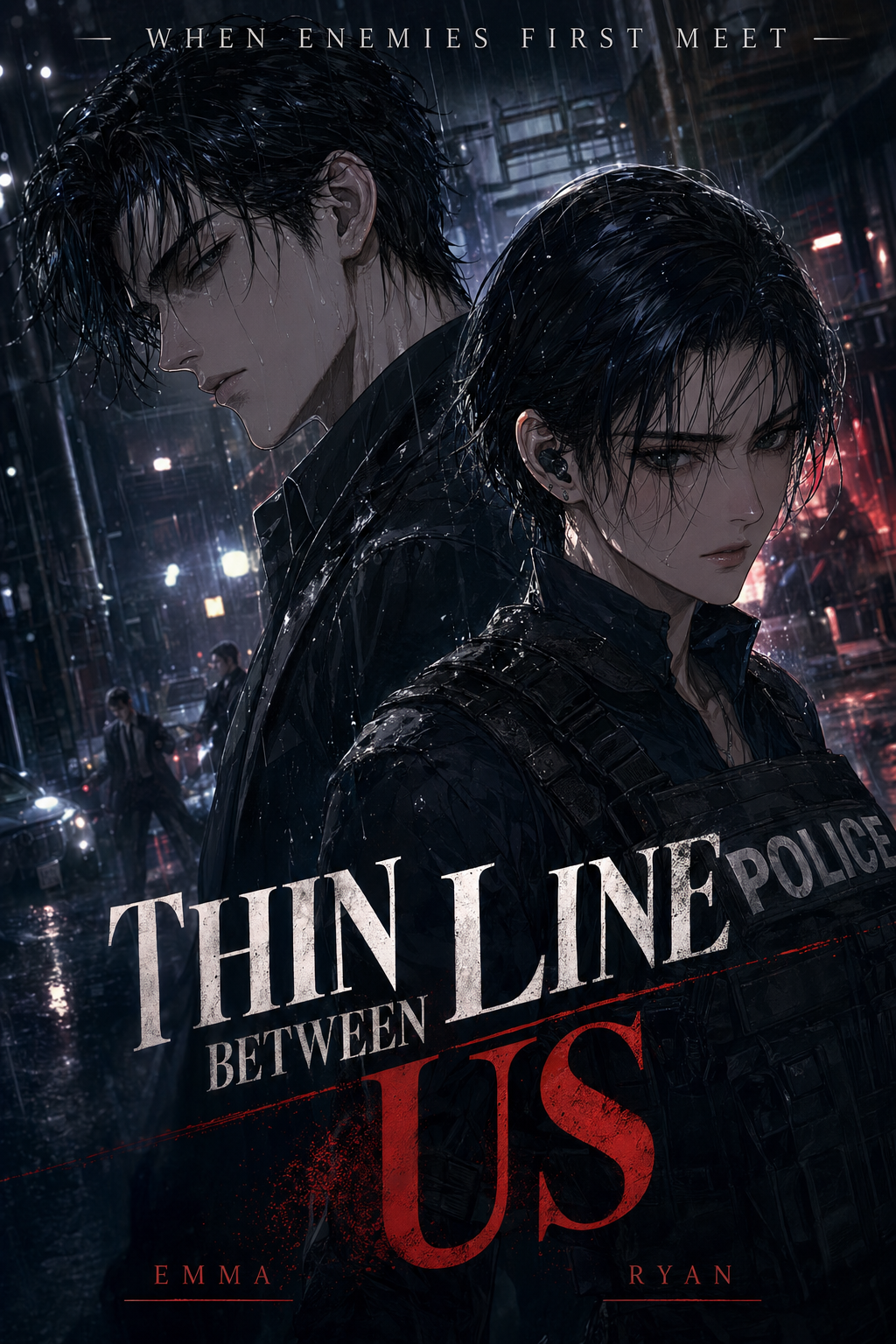
AI Manga Character Designer: Why Structural Consistency Sustains Long-Term Narratives
Maintaining character consistency is critical for serialized fantasy manga because readers lose immersion if a hero's design shifts significantly between chapter one and chapter twenty. Without a rigid reference sheet—documenting exact proportions, specific hair volume, and accessory placement—you risk accumulating production debt during the labor-intensive inking and color stages.
Industry standards require a 'turnaround sheet' that acts as the single source of truth for your characters. If you neglect these early-phase visual disciplines, you will inevitably spend extra hours fixing anatomy errors during the page-layout process, slowing down your overall release schedule.
- Design Rigor: Establishing fixed proportions for torso-to-limb ratios prevents the common failure of "shrinking" characters in distant shots. * Accessory Mapping: Document exactly where a strap or belt sits on a character's hip to avoid drawing errors when the character is shown from the back. * Production Velocity: Investing time in a master design document reduces the need for constant corrections during the final export phase.
Leveraging Digital Tools for Character Precision
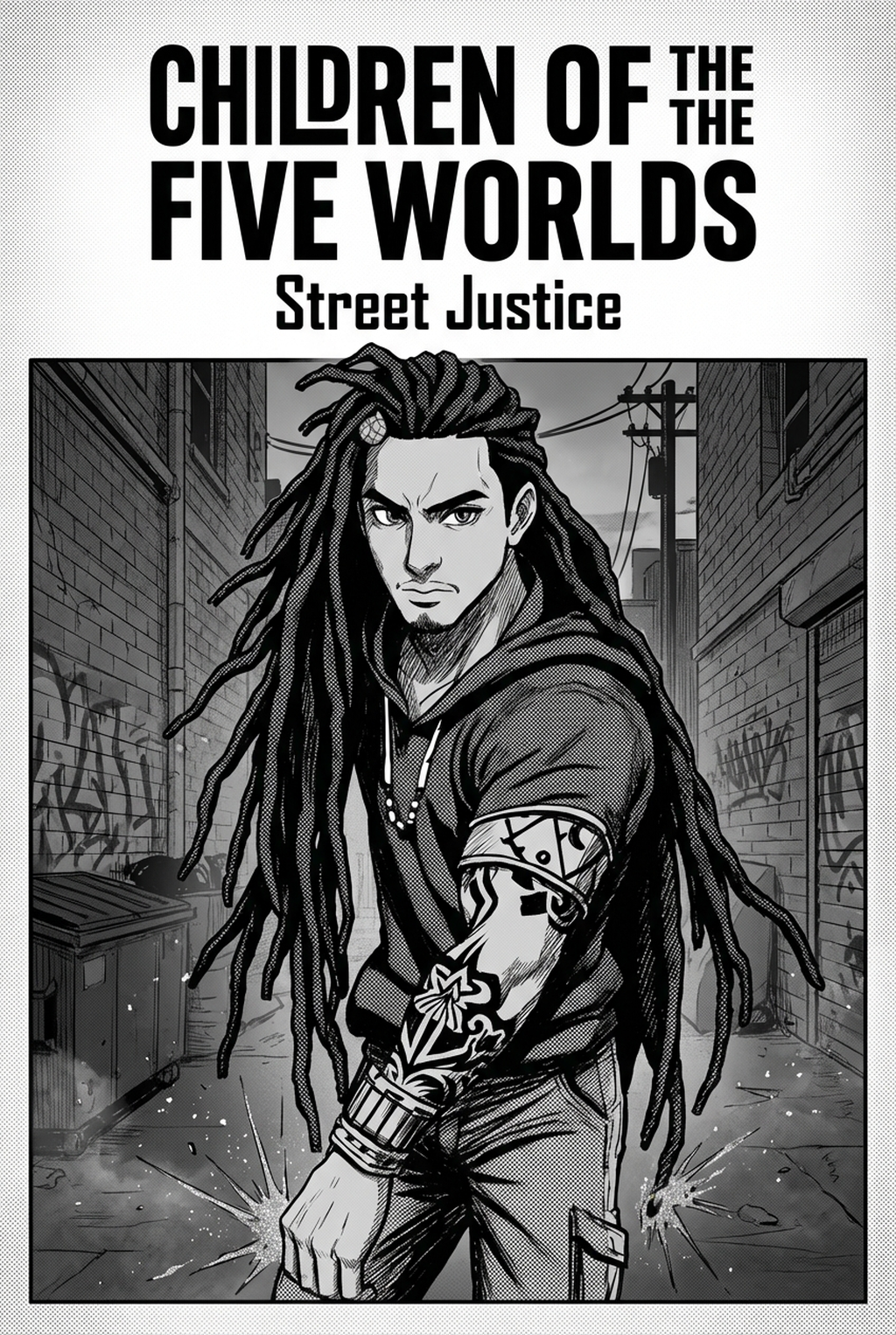
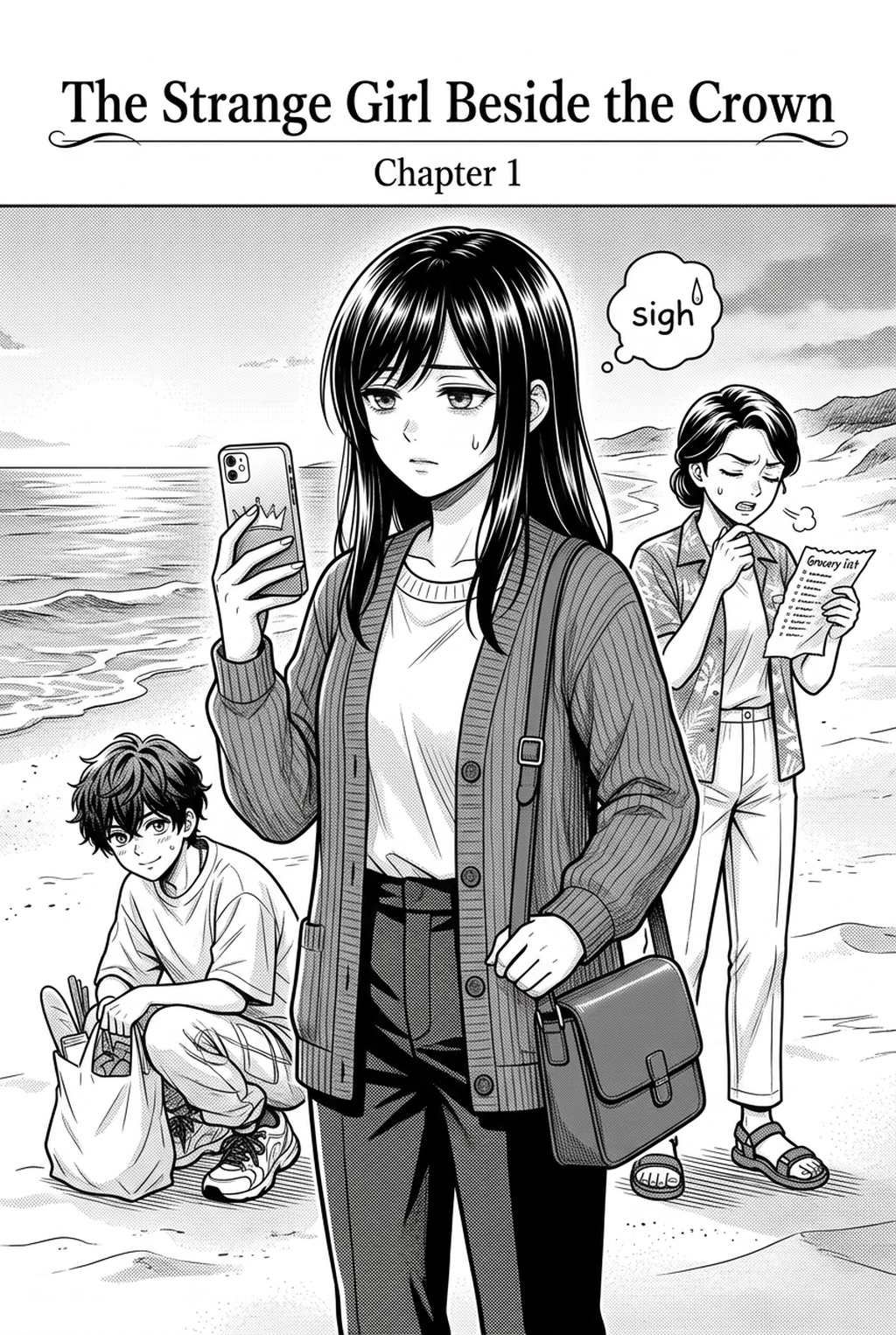
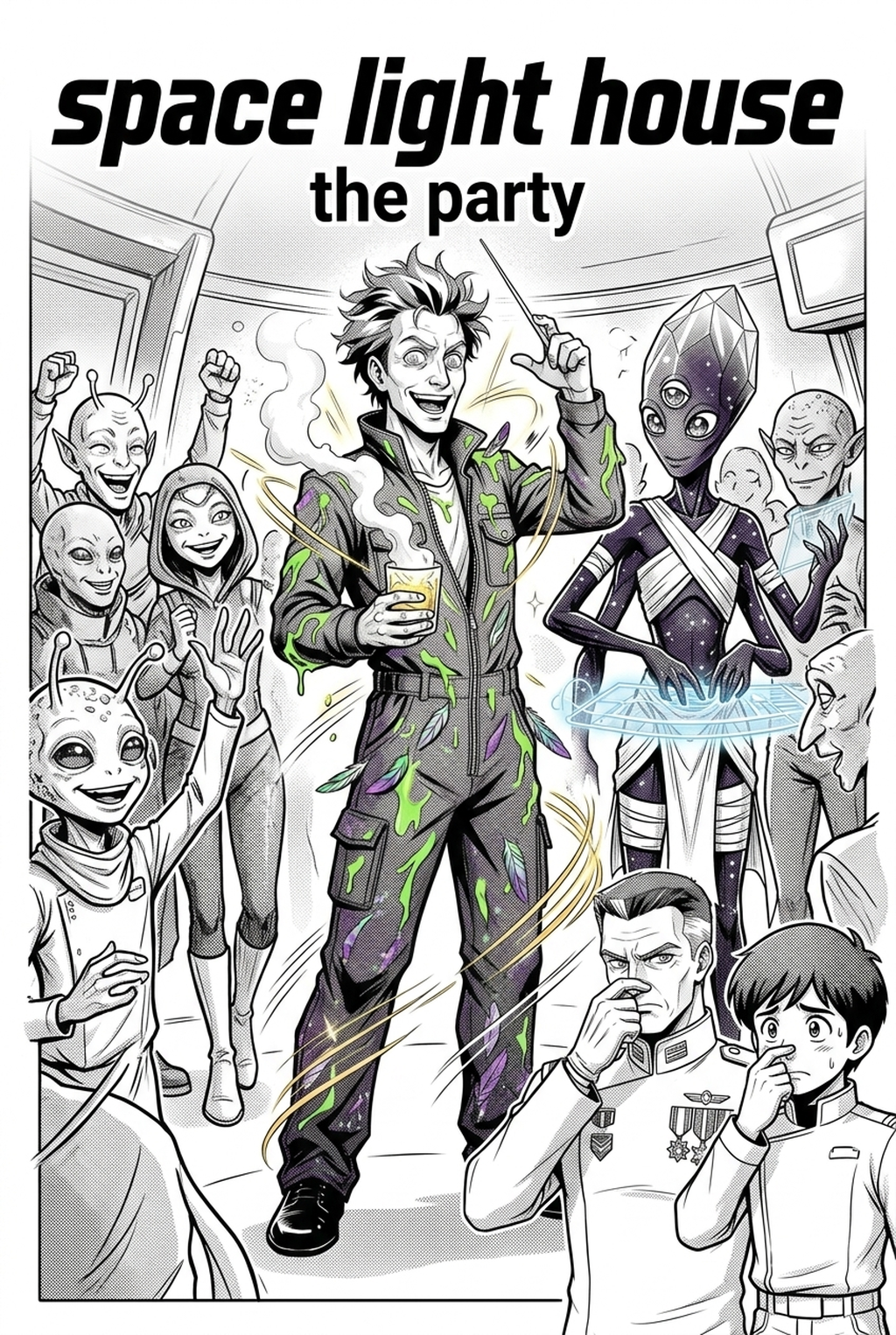
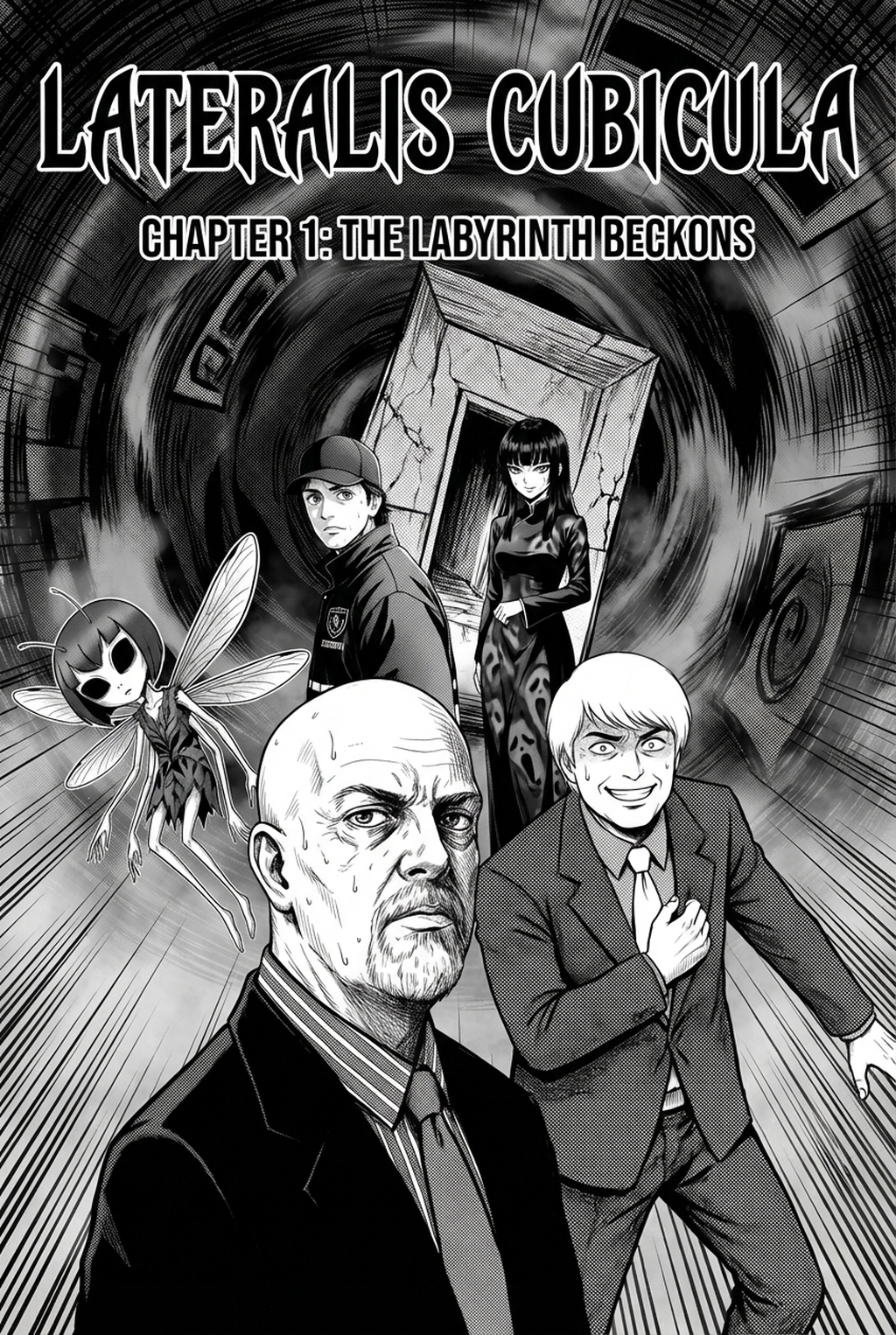
The Mangaka AI Manga Character Designer automates the creation of multi-angle reference sheets by generating consistent character iterations from your specific narrative descriptions. By defining precise creative brief parameters, you can lock in essential traits like "glowing eyes" or "weathered leather capes" across multiple poses and expressions.
This capability addresses the primary pain point of manual design: the hours spent redrawing the same character from a new angle only to find the proportions have drifted. When you use the tool to maintain consistency, you free up your schedule to focus on higher-level tasks like storyboard logic and panel pacing.
- Automated Reference Sheets: Generate a full turn-around set with a single consistent output that matches your established artistic style. * Parameter Locking: Lock features like specific eye shapes or glowing sigils across varied poses to ensure a character remains the same entity regardless of the action. * Pre-Production Efficiency: Use generated drafts to block out your character's look early, ensuring you have a production-ready model before you start inking the first panel.
Tailoring Fantasy Designs to Target Audience Expectations
The approach to your character’s appearance should shift based on the specific aesthetic expectations of your target demographic. Each genre has distinct conventions that help readers immediately understand the tone and stakes of your fantasy world.
| Genre Focus | Primary Visual Priority | Key Design Element |
|---|---|---|
| Shonen | Dynamic Growth | Evolving armor or weaponry scales with power |
| Shojo | Ornate Aesthetics | Ethereal lighting, lace, and emotional resonance |
| Seinen | Gritty Realism | Worn textures, weathered leather, and scars |
You want armor that reflects the character's progression. For Shojo, prioritize fluid lines and intricate patterns in fabric to convey an ethereal atmosphere. In Seinen, incorporate surface noise like scratches on metallic armor or fabric pilling to ground the character in a believable, harsh reality.
Essential Steps for Your Design Workflow
How do I keep my fairy tale character designs consistent across 20+ chapters? Focus on creating a central character master file in fairy tale manga character design with Mangaka that you can reference whenever you start a new batch of panels, ensuring that every detail—from the placement of a magic pendant to the specific way hair falls—is captured exactly.
Creative Brief and Source Input. Can AI tools handle specific stylistic requests for fantasy character designs? Yes, by providing detailed descriptions of materials, such as "worn velvet," "cracked obsidian," or "shimmering silken thread," the model adjusts its output to match the desired tactile quality required for your page-layout composition.
What is the most important element when designing a magical manga character? The silhouette is paramount. If you remove the color and tone, the character must still be instantly recognizable by their shape and accessories alone. Creators should compare the generated line art with the original sketch and confirm that facial expressions, props, speed lines, and speech-bubble space still support the scene. A repeatable review pass should cover character consistency, panel readability, background clarity, and whether the final file is ready for coloring, lettering, or editor feedback. For longer projects, creators should save approved examples of line weight, face detail, clothing folds, and background density. Those references keep later chapters closer to the intended style.
- Before Export. Creators should compare the generated line art with the original sketch and confirm that facial expressions, props, speed lines, and speech-bubble space still support the scene. A repeatable review pass should cover character consistency, panel readability, background clarity, and whether the final file is ready for coloring, lettering, or editor feedback.
- For Longer Projects. Creators should save approved examples of line weight, face detail, clothing folds, and background density. Those references keep later chapters closer to the intended style. For collaboration, creators should mark which panels are final and which panels still need redraws. Clear status labels prevent an assistant, editor, or colorist from polishing the wrong version.
- For Publishing. Creators should review the page at the actual reading size before export. Small screens expose crowded dialogue, weak silhouettes, and line details that looked fine while zoomed in. For style control, creators should keep a short reference board beside the draft and compare hair shapes, eye details, costume folds, and texture choices before approving the final page.
The Bottom Line
Mastering character design requires a disciplined balance of classic storytelling archetypes and rigorous visual consistency. By using the fairy tale manga character design to maintain your aesthetic, you ensure your manga remains professional and production-ready.
Related articles
Bride of the Barrier Master Character Design Guide 2026
Mastering the Villainess Manga Art Style: A 2026 Guide
Mastering Goblin Manga Character Design for Your Story 2026