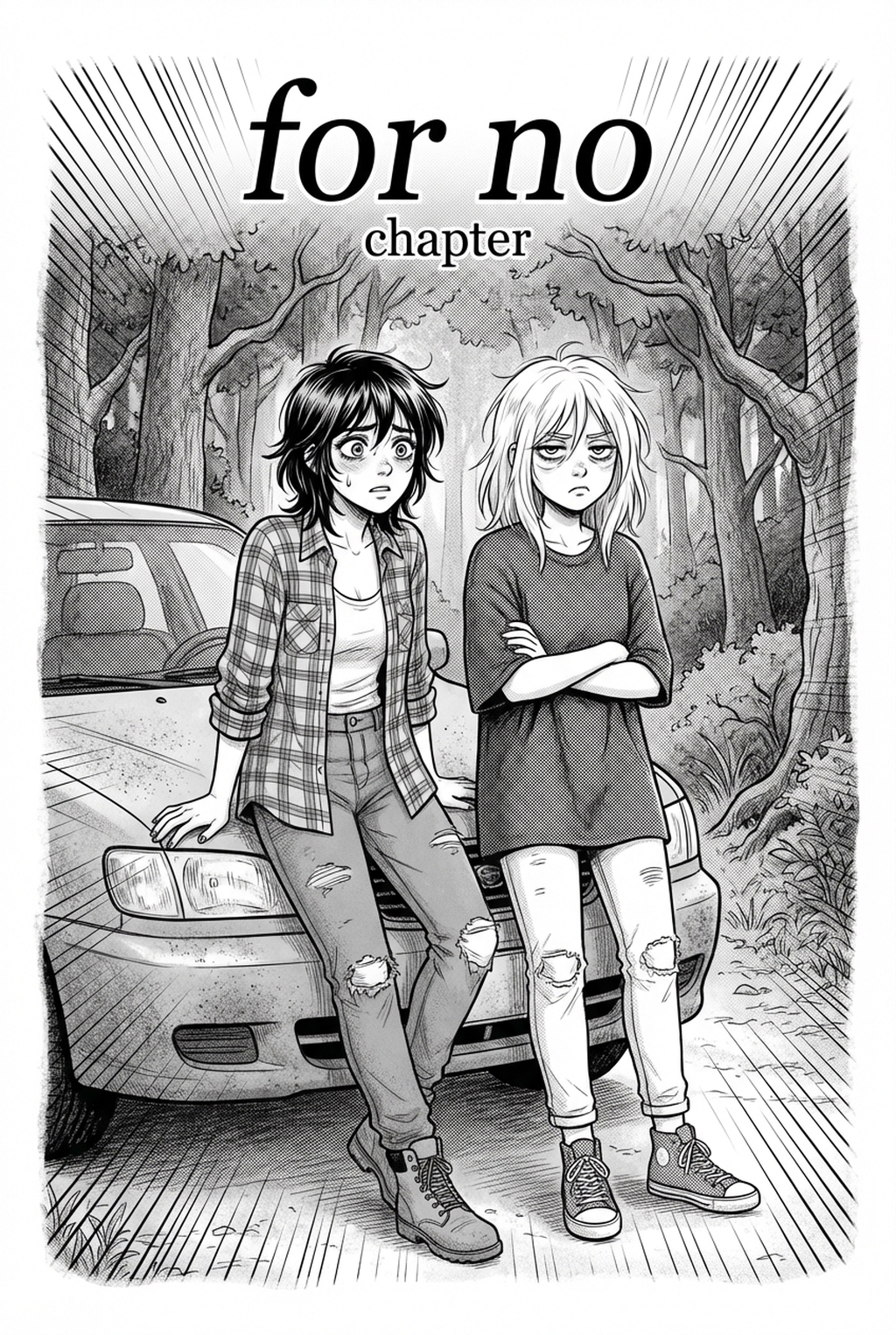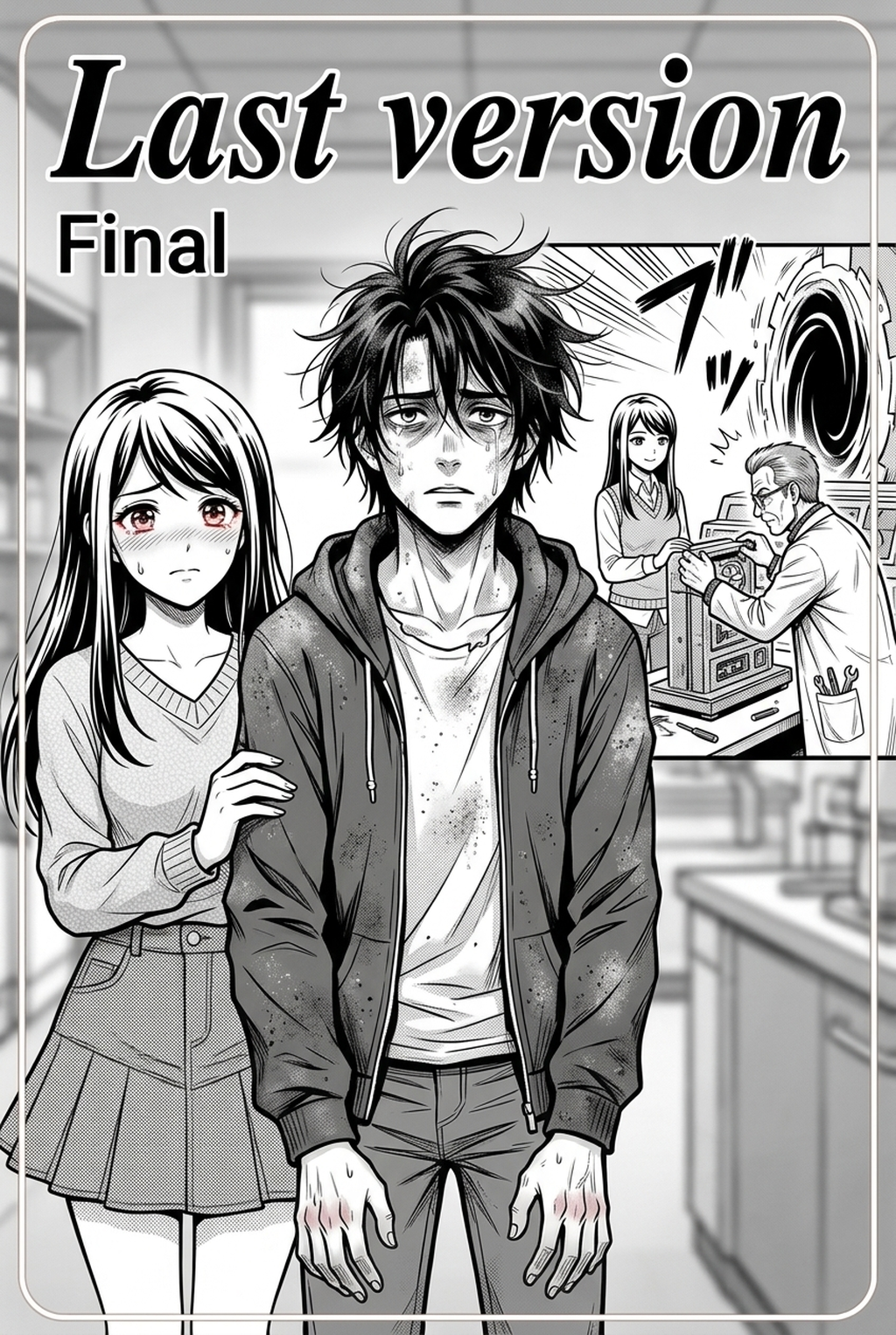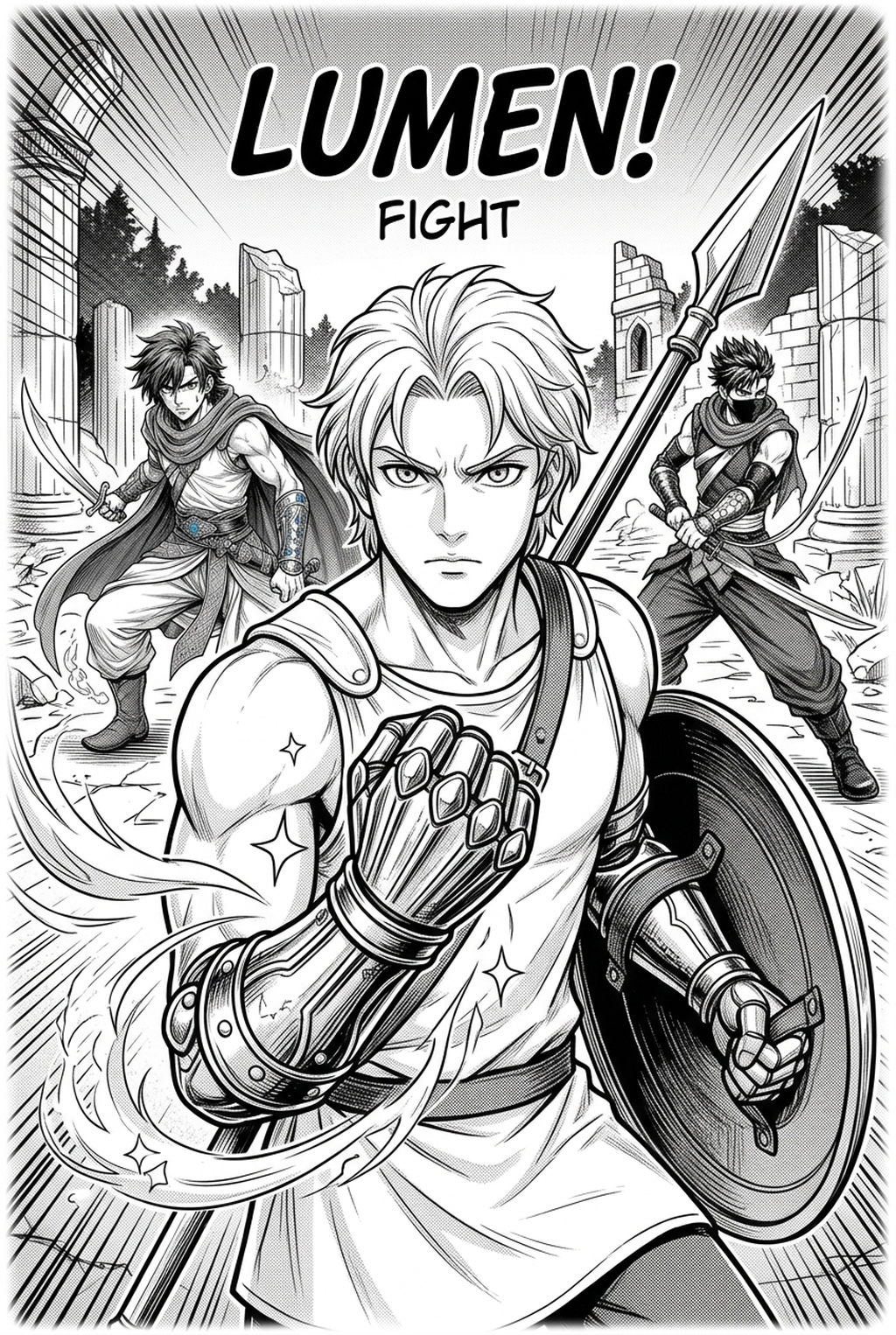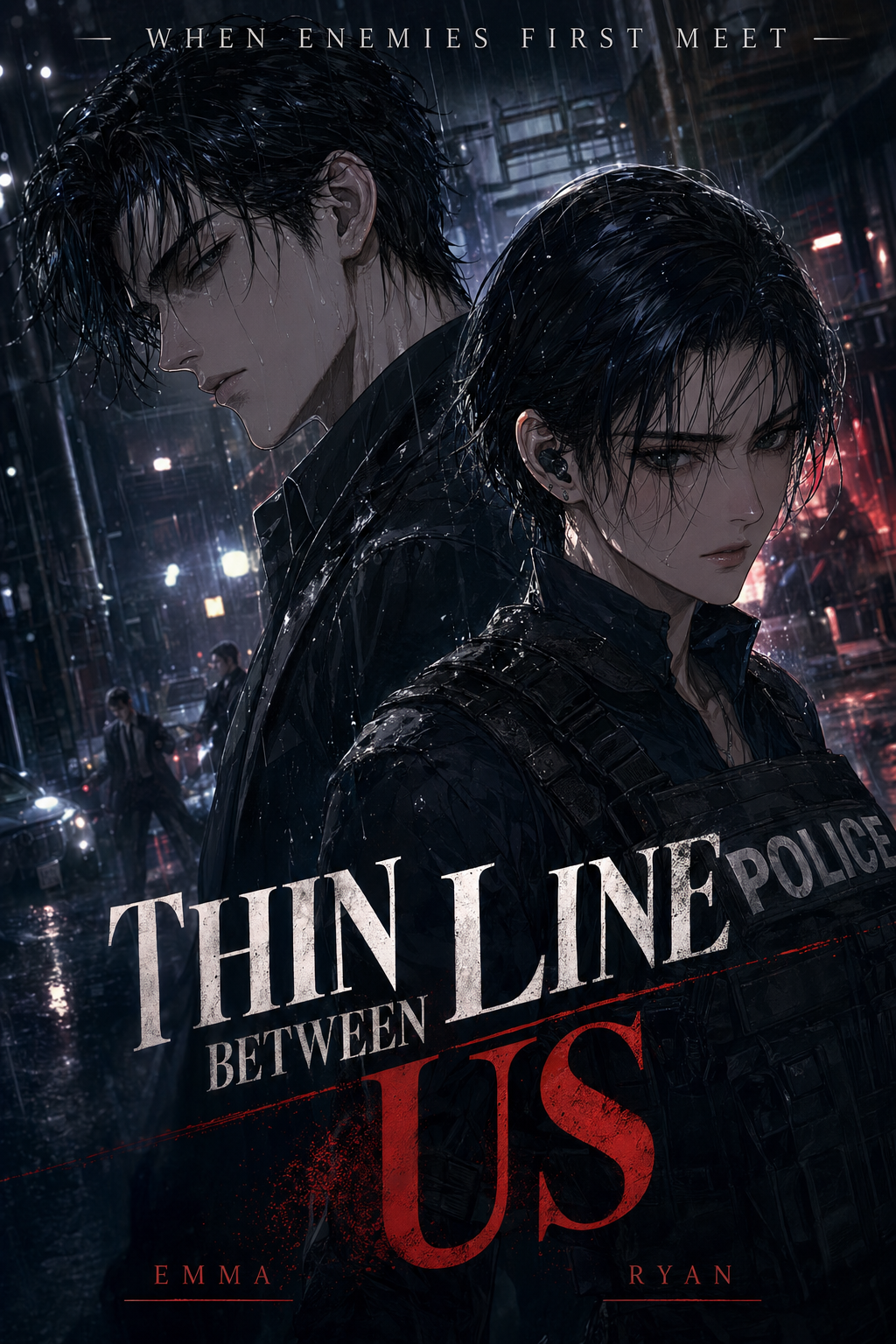
AI Manga Background Artist: Understanding Background Art for Fantasy Narratives
Effective environmental design establishes scale, atmosphere, and a immediate 'sense of place' that anchors your reader's eye within the fictional world. In fantasy genres, this task carries a heavier burden than slice-of-life work because your readers expect physical evidence of your world-building, from floating ley-line conduits to decaying ancient temples.
Maintaining a persistent reality means that magical flora, castle masonry, and town layouts must remain identical from chapter one through the final volume. If a tower sits on the east side of a citadel in an early wide shot, shifting it to the west in later action panels creates a cognitive disconnect.
Using high-detail focal points balanced against soft background blurs prevents your panels from becoming cluttered or overwhelming. Artists often find that drawing every single brick in a cathedral ruins the focus on the protagonist, whereas blurring the periphery guides the eye back to the central emotional beat.
Why Structural Integrity Matters for Creators
Consistent environments act as a visual anchor that keeps readers oriented during fast-paced fight choreography or complex, multi-layered world-building lore. When architectural assets retain their scale and orientation, your characters never seem to float in a vacuum, providing a grounded reality that is essential for suspenseful combat sequences.
Series with complex non-human architecture frequently suffer from quality degradation as the series progresses and your time budget tightens. Using repeatable architectural assets prevents the drop in line-weight fidelity that often occurs when manual drafting becomes too taxing to maintain on a weekly or bi-weekly cycle.
When you ignore perspective, your readers lose track of where characters stand in relation to threats, effectively neutralizing the stakes of a well-choreographed magical battle. For this criterion, check character consistency, panel readability, line quality, and export readiness before publishing. Creators should also record why the page passed review, which panel details still need manual cleanup, and which export format the next collaborator will use. That makes the subsection useful instead of leaving a short checklist under a large heading.
How Fantasy Manga Background Art Works with Mangaka
fantasy manga background art automates the generation of dense architectural environments by translating your specific scene descriptions into high-fidelity, production-ready assets. By offloading the technical labor of drafting complex geometric structures, you reclaim hours of time traditionally spent on the tedious aspects of scene construction.
Modern production workflows depend on achieving a seamless blend between character art and the environment. You can calibrate your scene descriptions to reflect your specific line weight and shading techniques, ensuring that the generated output does not appear out of place against your manual ink-work.
Applying complex lighting like a magical aura or specific dusk-lit shadows often requires lengthy manual screen-tone work. Generating these atmospheric bases allows you to iterate on the "feel" of a location instantly, which is vital when you are balancing multiple panels that need to shift lighting based on time of day.
Use Cases for Environmental Production
Success begins with separating your pages into 'hero panels' that demand your full hand-drawn attention and 'supporting panels' that define the series' breadth. Identifying this split prevents burnout while ensuring your most important story moments retain that unique, personal artistic touch.
Building a library of saved scene descriptions and their resulting assets acts as a 'style guide' for your series. By reusing these tokens, you guarantee that every palace interior or forest path looks like it originated from the same artist’s hand, fostering a professional, cohesive reading experience.
The most efficient workflow involves treating AI-generated compositions as a technical base. After generating the initial perspective-perfect background, adding subtle, hand-inked overlays allows you to layer in specific story-relevant details or textures that emphasize your unique artistic voice. Check character consistency, panel readability, line quality, and export readiness before publishing.
Workflow Integration for Manga Studios
Can modern digital tools replicate specific line-weight conventions while maintaining your personal artistic signature? Yes, by providing source context for the generated scene, you ensure the output aligns with your established shading and ink-line thickness. Using assistants for background tasks is a standard industry practice that allows you to focus creative energy on character acting and emotional storytelling. Adopting high-efficiency generation methods does not hurt your credibility; it mirrors how major studios manage their workload to deliver high-quality, long-form content.
By providing descriptive creative briefs that define horizon lines, focal distances, and vanishing points, you can generate technically accurate perspectives that are difficult to construct from scratch. Providing specific values, such as a "low-angle, wide-lens view of a ruined temple," ensures the resulting panel matches your storyboarding requirements exactly.
Creators should compare the generated line art with the original sketch and confirm that facial expressions, props, speed lines, and speech-bubble space still support the scene. A repeatable review pass should cover character consistency, panel readability, background clarity, and whether the final file is ready for coloring, lettering, or editor feedback.
Creators should save approved examples of line weight, face detail, clothing folds, and background density. Those references keep later chapters closer to the intended style. For collaboration, creators should mark which panels are final and which panels still need redraws. Clear status labels prevent an assistant, editor, or colorist from polishing the wrong version.
The Bottom Line
Mastering the production of your world is about balancing technical scale with efficient output, ensuring you never sacrifice narrative pacing to draw every brick by hand. By leveraging fantasy manga background art to handle the heavy lifting, you reclaim your most valuable resource—time—to dedicate toward the storytelling elements that define your series.
Generating Immersive Worldbuilding Environments with Mangaka
Crafting sprawling fantasy cities, ancient cathedral ruins, and enchanted forest backgrounds is notoriously labor-intensive for indie mangaka. Mangaka's background generation studio empowers authors to generate perspective-accurate architectural and natural scenery aligned with their specific comic line art style.
Creators can easily render matching daytime, dusk, and nighttime atmospheric conditions while preserving linework sharpness and screentone gradients. Explore how Mangaka's environmental worldbuilding tools transform rough perspective grids into rich fantasy landscapes in seconds.