Defining AI Manga Background Artist
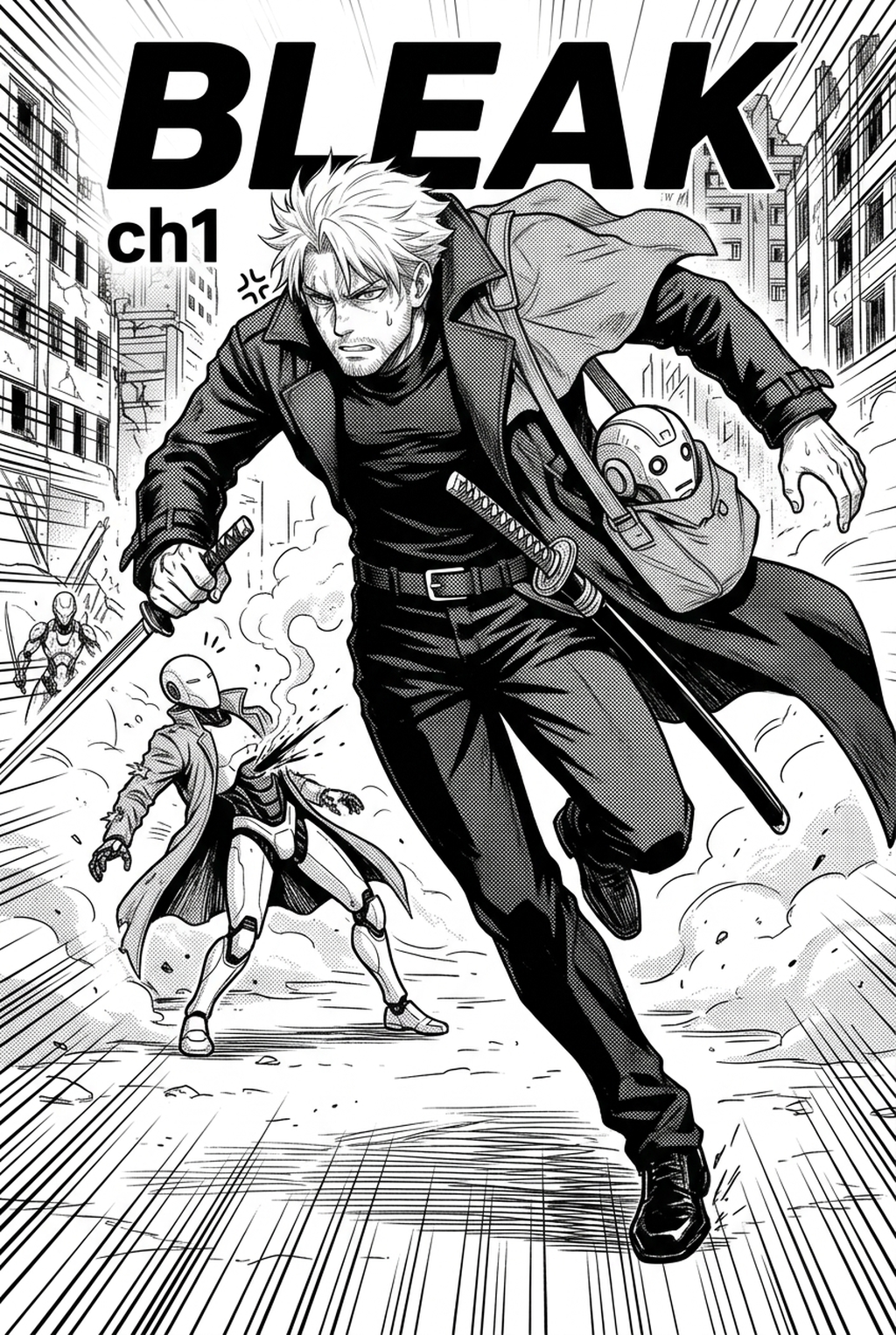
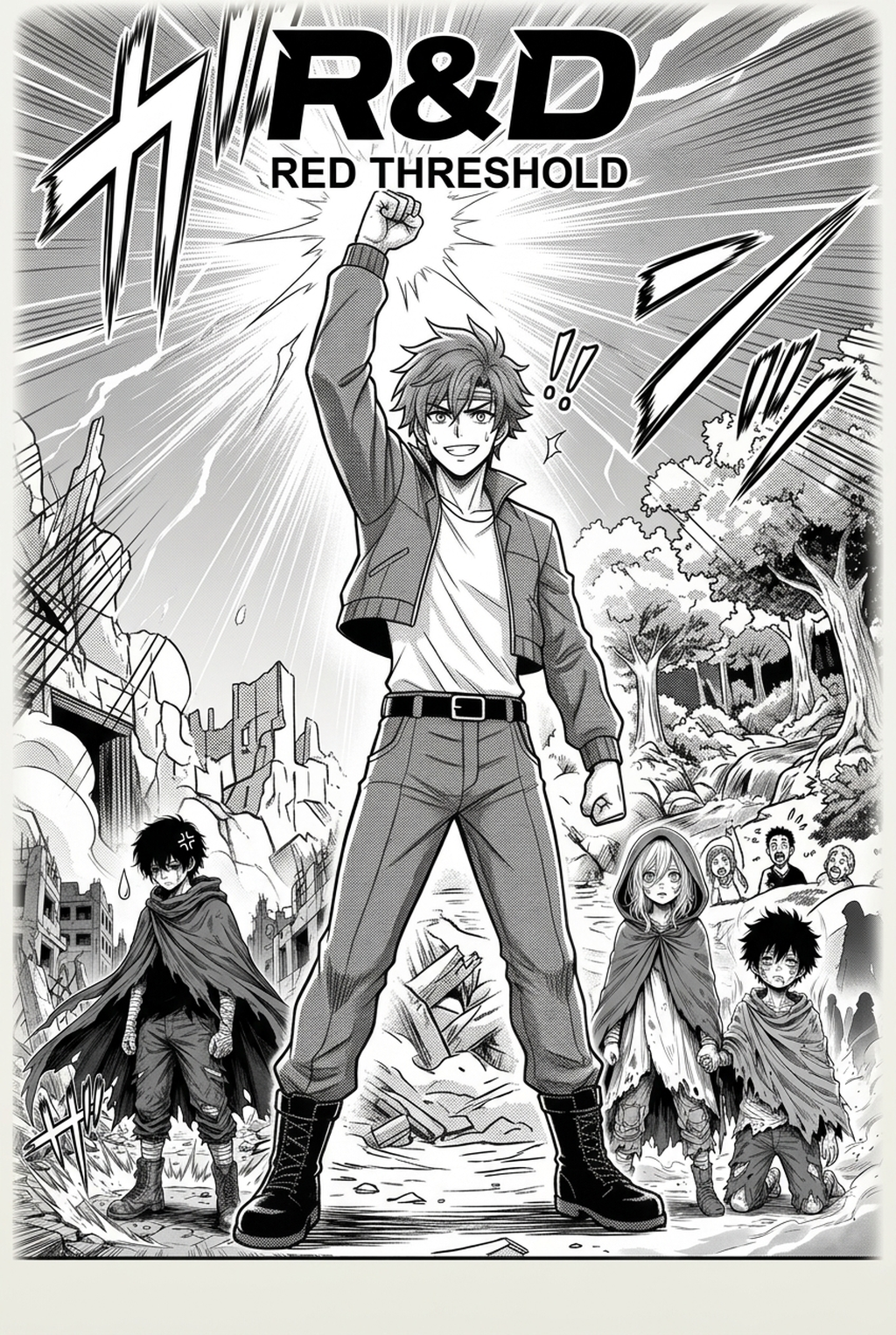
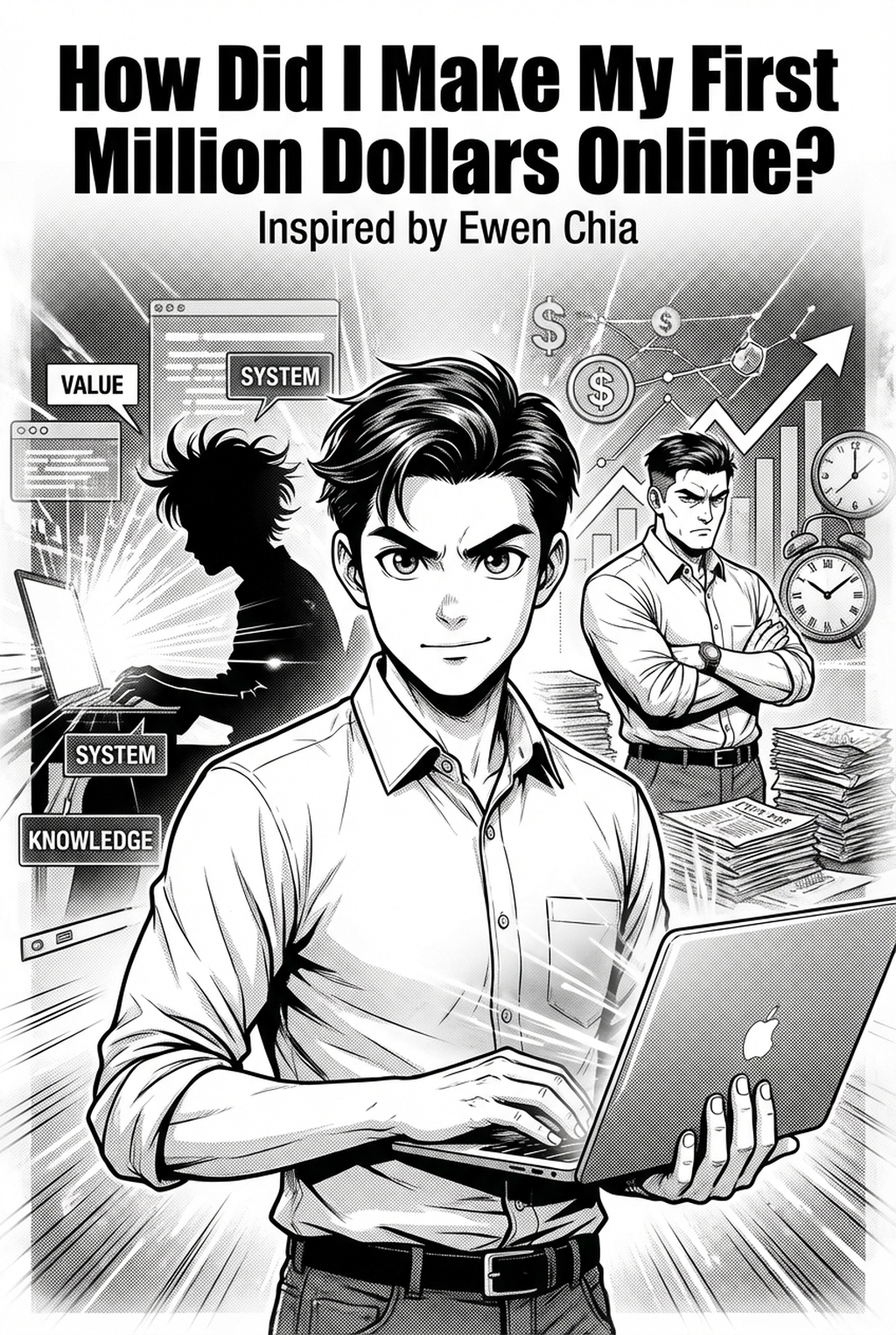
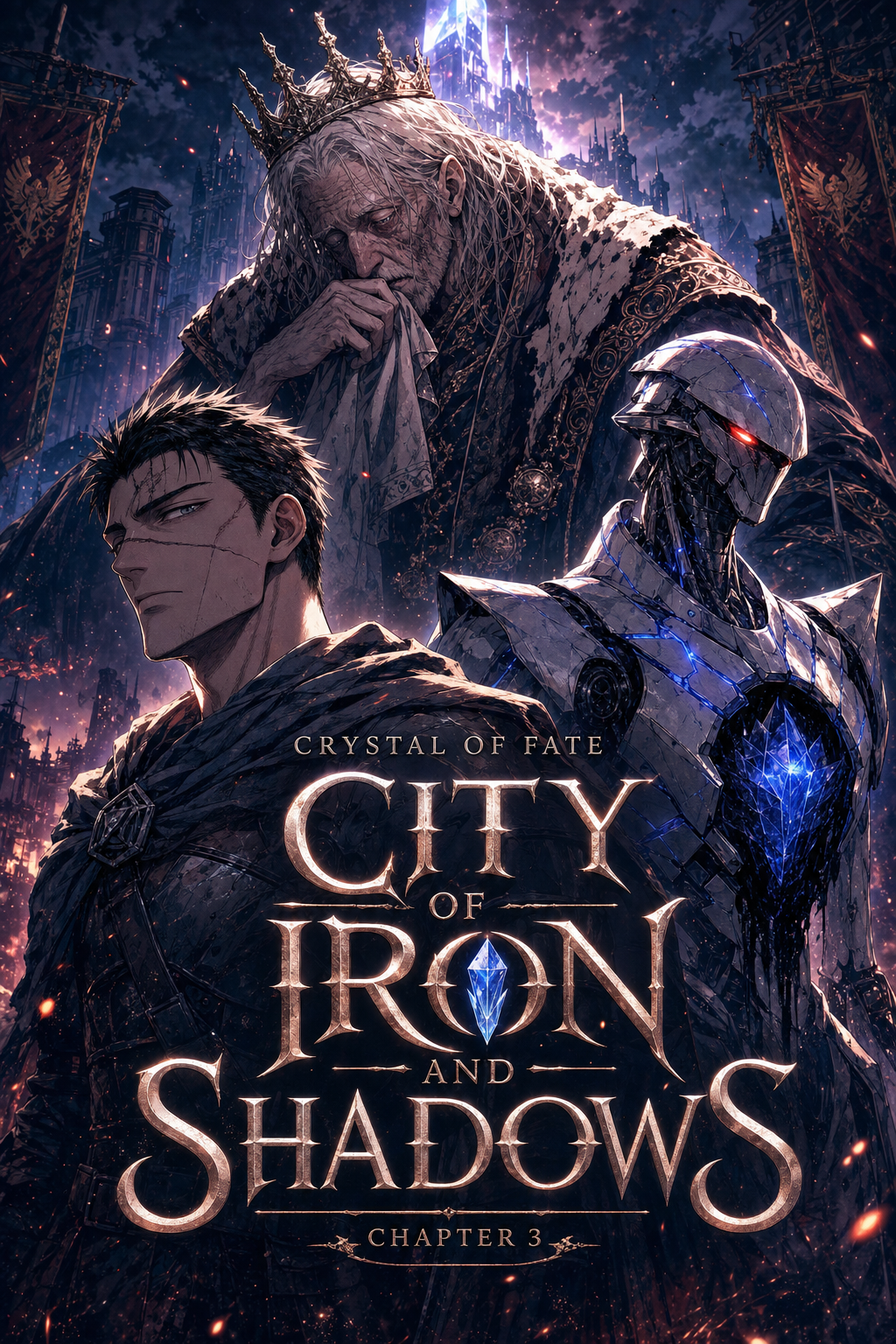
Effective action backgrounds prioritize motion blur, kinetic lines, and high-contrast composition to direct the reader's eye toward the conflict. Unlike static scenery, these panels function as reactive elements that signify the sheer force of a blow or the rapid displacement of a character through space.
To maintain professional standards, you must master the following foundational elements that ground your fight choreography:
- Speed Lines (Action Lines): These vectors define the trajectory of a movement and must align perfectly with the vanishing point to maintain perspective integrity. * Vanishing Point Distortion: Used effectively, this technique warps the environment to pull the reader into the center of the fray, heightening the intensity of a character's leap or dash. * Shattered Environment Elements: Deploying fractured debris, flying gravel, or splintered wood helps quantify the impact force, turning a generic setting into a participant in the battle.
The primary goal of your background is to provide immediate source context for the battle—showing how the environment physically reacts to the character's movement. If a character strikes a concrete wall, the background must explicitly display the structural failure, such as cracks radiating from the impact point, to validate the power level depicted.
Why AI Manga Background Artist Matters for Creators
In high-octane Shonen, backgrounds are not just filler; they act as a visual secondary character that conveys the scale of power, while in Seinen, they ground the reader in a gritty, high-tension reality. Neglecting the interaction between the character and their surroundings often leads to a flat, unengaging reading experience that fails to capture the gravity of a duel.
Action backgrounds must adapt to the narrative tone to ensure the reader perceives the environment as a living threat rather than a static backdrop. * The Shonen-scale insight: You must account for wide-angle debris fields, wind displacement, and massive structural damage that reflects the evolving power levels of your protagonists. * The Seinen psychological layer: Use brutalist, claustrophobic architecture to mirror the internal tension of a duel, ensuring the environment feels oppressive and unforgiving.
How Manga Action Scene Backgrounds Works with Mangaka
Drawing hyper-detailed backgrounds for every panel can ruin the pacing, leading to visual drag where the reader stalls on a peripheral building instead of following the flow of the fight. Mangaka helps you reclaim this time by automating the generation of complex, perspective-perfect environments from natural language descriptions.
The 20% rule mandates that you allocate high detail only to the immediate point of impact, keeping peripheral elements suggestive or blurred to maintain momentum. By using AI to handle the heavy lifting, you ensure that your line art remains consistent, preventing the common failure of mismatched line weights between your hand-drawn characters and generated environments.
Efficient workflows rely on pre-built assets to maintain high visual fidelity without sacrificing the tight deadlines required for serialization. By automating the background layer, you become the review owner for the entire panel, allowing you to prioritize the character's weight, pose, and expression.
Check character consistency, panel readability, line quality, and export readiness before publishing. Creators should also record why the page passed review, which panel details still need manual cleanup, and which export format the next collaborator will use. That makes the subsection useful instead of leaving a short checklist under a large heading.
Use Cases for AI Manga Background Artist
Mangaka allows creators to generate consistent manga-style background layers from natural language, bypassing the need for manual perspective construction that often slows down the inking stage. You can generate complex environmental effects that would take hours to draw by hand, such as high-velocity debris, dramatic weather, or crumbling ruins, all while maintaining a consistent aesthetic.
Inputting specific parameters—such as "shattered concrete street, low-angle, motion blur, night time"—allows you to generate production-ready files instantly. This capability allows you to focus on the finer details of character positioning and ink weight, knowing the environmental context is handled.
- Consistency Control: Use standardized tags to ensure that the environment remains identical across a multi-panel sequence, preventing perspective jumps. * High-Contrast Integration: Generate backgrounds with predefined tonal ranges that complement your existing ink and screentone style. * Rapid Iteration: If the composition of a specific layout requires adjustment, you can regenerate the background in seconds to match a new crop or angle.
How to Get Started with Mangaka
Getting started involves integrating the AI layer early in your layout phase so that your character positioning aligns with the environment's perspective. This keeps the review focused on story intent, line weight, panel readability, and the export quality behind the final AI Manga Background Artist output.
- Maintaining Consistency: Keep your style tags consistent across the entire sequence to ensure that your backgrounds retain a uniform look even in high-speed, multi-panel fight setups. * Style Customization: Tailor your environmental output by defining your preferred art style, from high-contrast noir shadows to the complex, detailed landscapes found in high-fantasy titles. * Merging Techniques: The best way to blend AI-generated environments with your hand-drawn characters is to apply a subtle layer of digital ink over the generated background, matching your brush settings and line weight to create a cohesive image.
Creators should compare the generated line art with the original sketch and confirm that facial expressions, props, speed lines, and speech-bubble space still support the scene. A repeatable review pass should cover character consistency, panel readability, background clarity, and whether the final file is ready for coloring, lettering, or editor feedback.
Creators can evaluate Manga action scene backgrounds with Mangaka mid-workflow when they need the product path tied directly to review, refinement, and export. A real test should use the same sketch, character goal, or panel sequence that would otherwise need manual cleanup after generation.
The Bottom Line
Capturing the visceral energy of a fight scene requires a strategic blend of manual artistry for the character and smart automation for the environment. By utilizing tools like the Manga action scene backgrounds , you offload the technical burden of perspective and line weight, ensuring your creative focus remains on storytelling and the character’s performance.