What Is Manga Background Art?
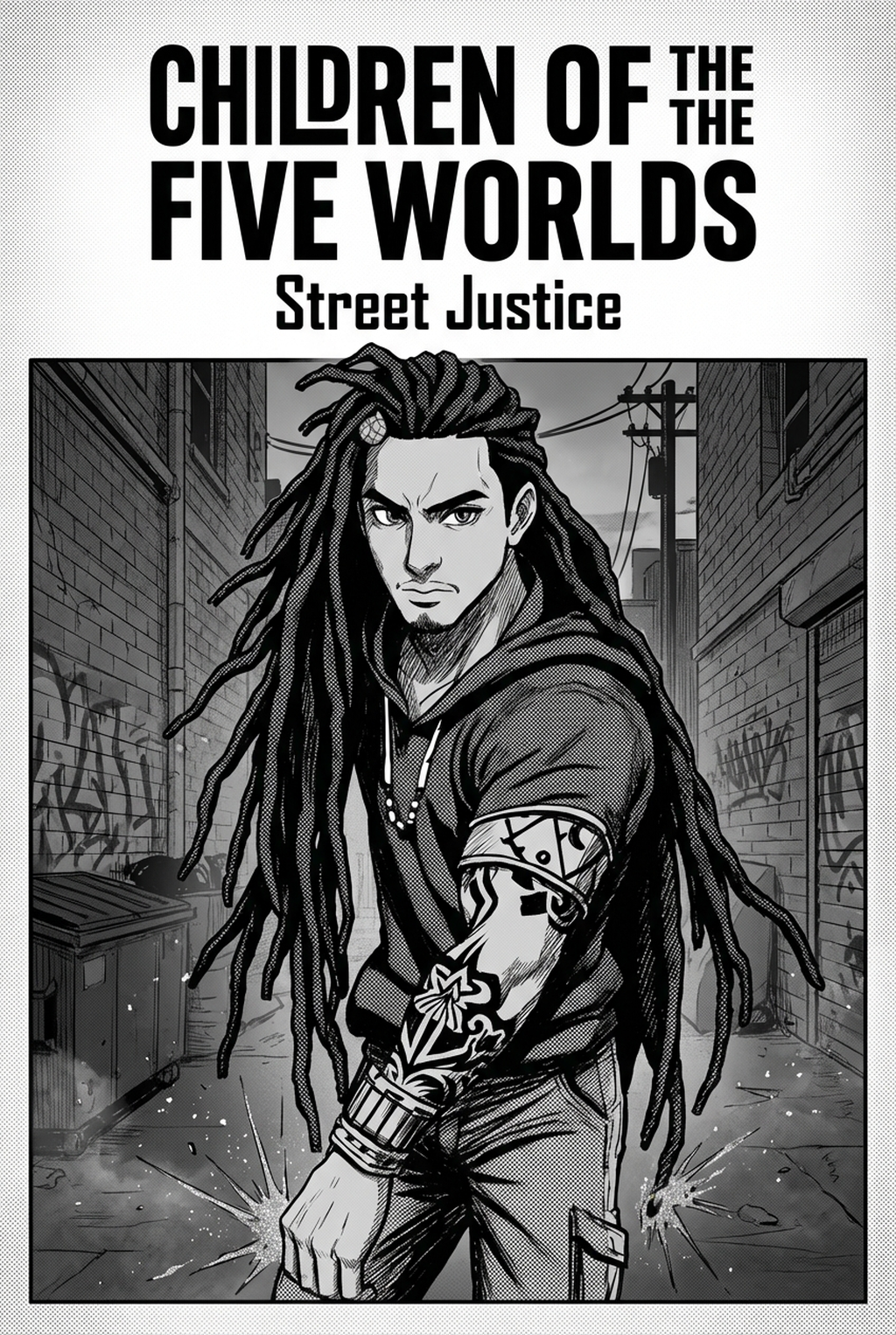
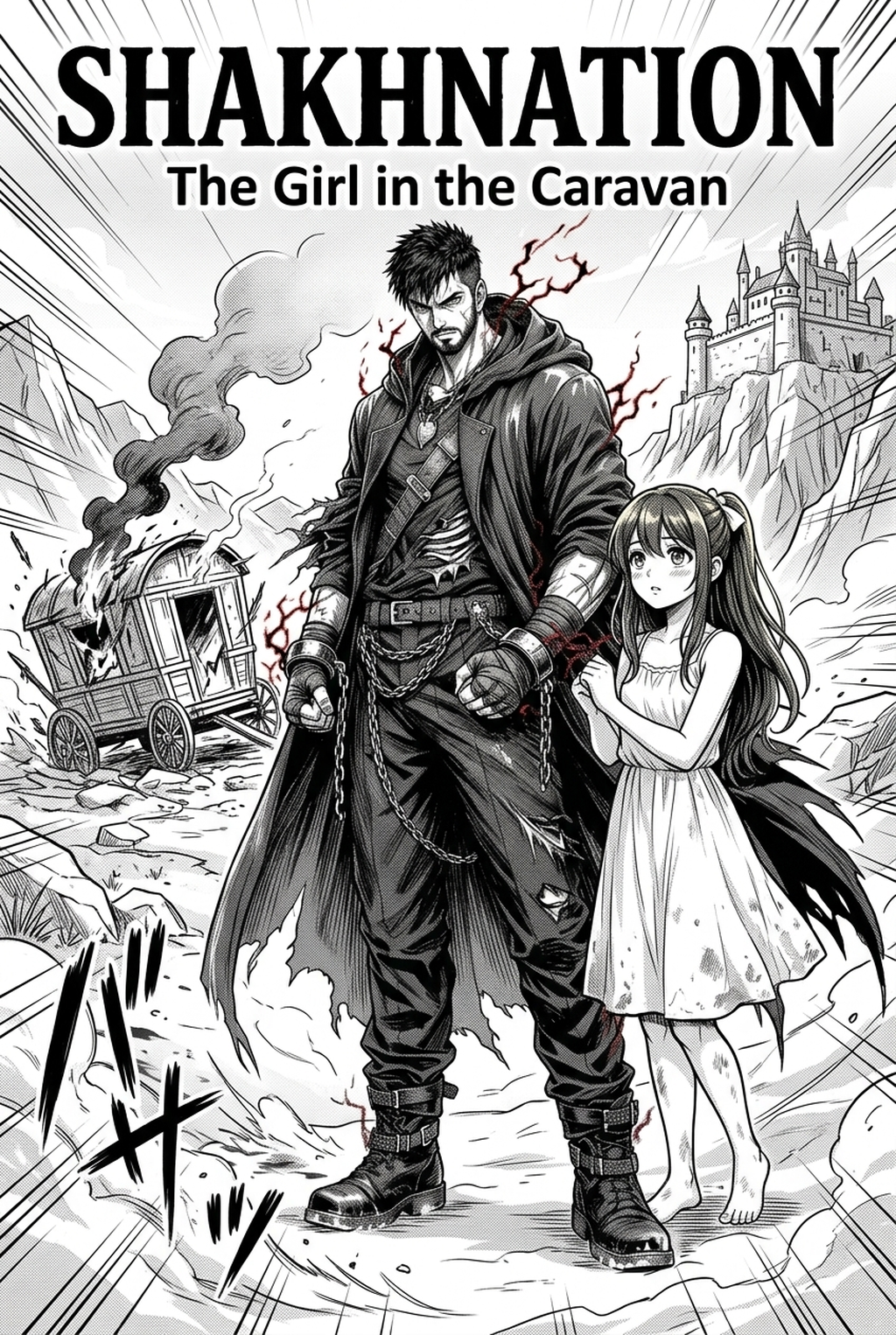
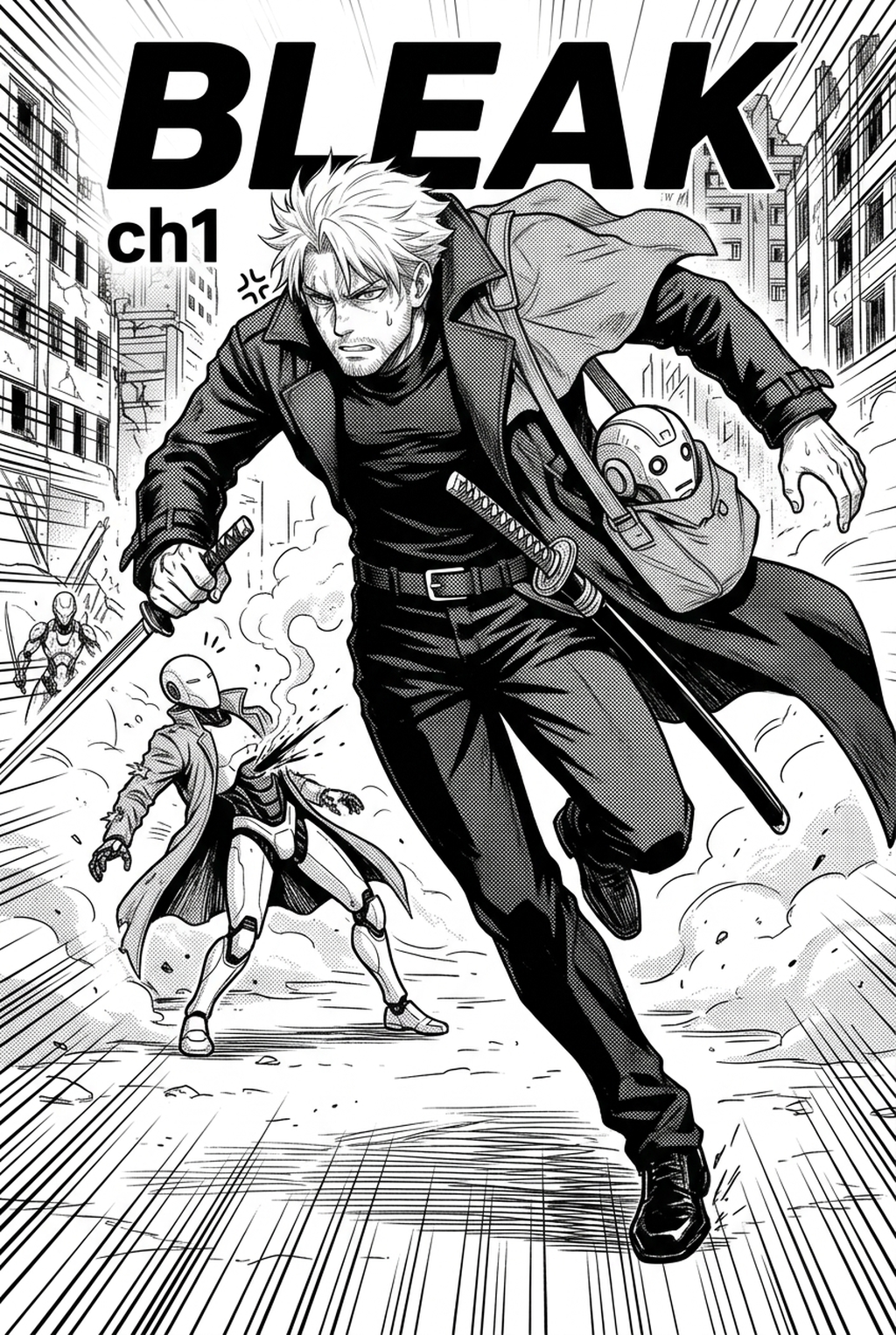
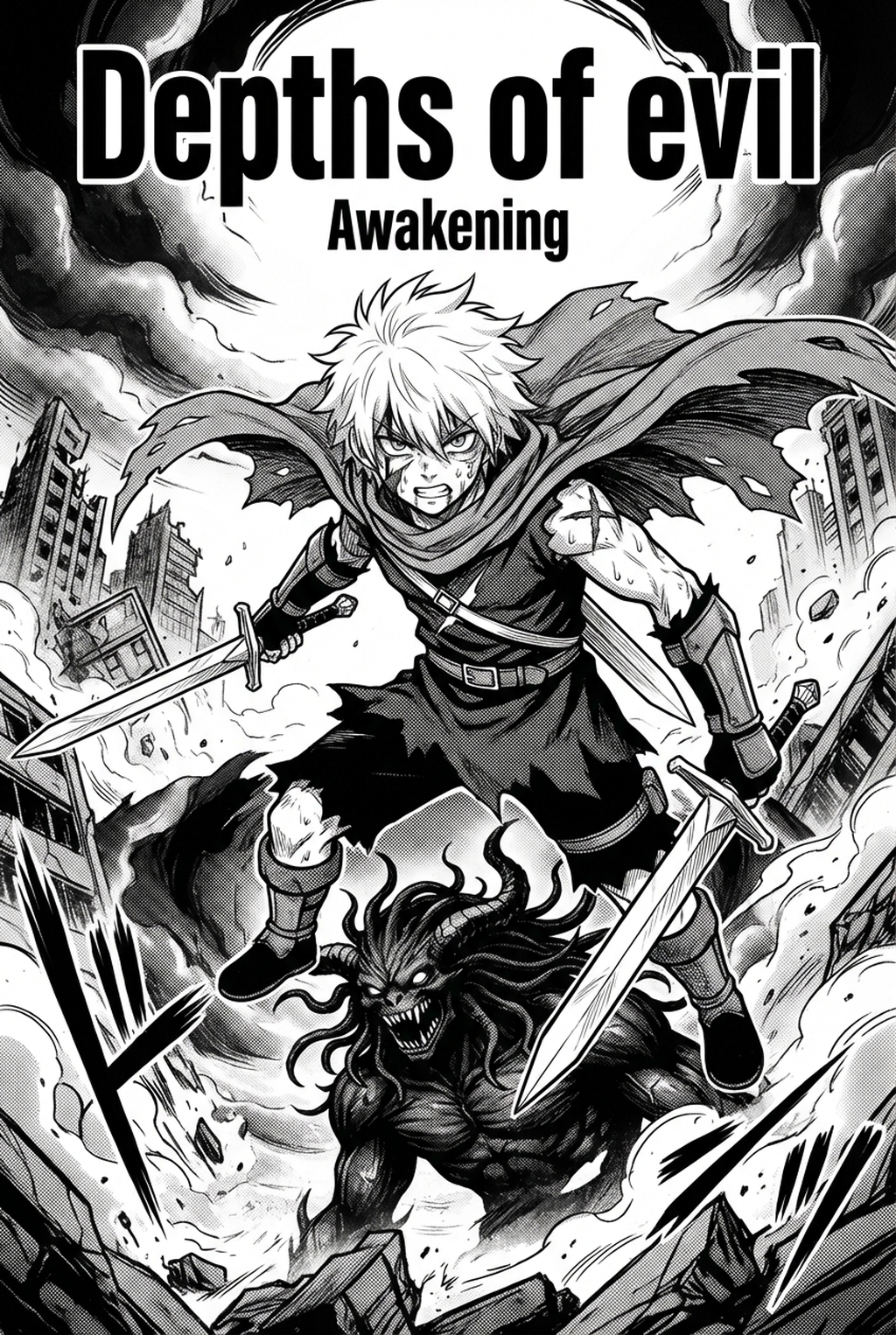
Professional environmental panels are defined by a rigorous adherence to consistent perspective, line weight that complements character focus, and precise screentone application to define depth. These backgrounds must serve the source context—whether an claustrophobic school hallway or an sprawling, decaying cyberpunk metropolis—to amplify the intended emotional weight of the scene.
- Linework Fidelity: The background must maintain a high-contrast black and white aesthetic that avoids muddying the character action or cluttering the reader’s eye. * Depth Construction: Effective use of negative space and screentone gradients creates a sense of scale, preventing environments from feeling like flat cardboard cutouts. * Narrative Synchronization: Every architectural element must align with the tone of the chapter; a serene countryside setting in a Shonen manga requires different line density than the chaotic background of an urban skirmish.
Why AI Manga Background Artist Matters for Manga Creators
Most indie creators lose approximately 60% of their production time to drafting environments, often leading to severe background burnout and missed publication deadlines. Without a streamlined approach, the review owner—typically the creator balancing roles as writer, penciler, and inker—is forced to cut corners on detail to preserve the quality of the main characters.
- Perspective Fatigue: Manual construction of vanishing points for complex cityscapes often leads to misaligned structures, forcing time-consuming revisions. * Inconsistent Architectural Scale: Maintaining the same object size and placement across multiple panels is a technical nightmare that leads to visual continuity errors. * Studio-Grade Quality Gaps: Independent artists often struggle to replicate the dense, hand-drawn atmosphere of professional studio work, resulting in panels that feel empty or overly simplistic.
How Manga Background Art Works with Mangaka
AI Manga Background Artist workflow with Mangaka replaces the tedious manual calculation of perspective grids by allowing creators to generate professional-grade assets directly from scene descriptions. By shifting the workload from manual drawing to descriptive input, you preserve your energy for the narrative rhythm and high-stakes character moments that truly matter. Streamlined Integration Workflow.
- Contextual Asset Generation: Input specific genre terminology—such as Shonen impact zone" or Seinen industrial interior"—to ensure the background reflects your required aesthetic. * Layer-Ready Export: The tool outputs high-resolution assets that are ready for immediate integration into your page layout, preserving individual line and shading layers. * Automated Perspective Calibration: Say goodbye to manually drawing grids; the AI manages geometry to ensure that architectural elements align perfectly with your character proportions.
Use Cases for AI Manga Background Artist
Different genres demand specific visual treatments for environments to maintain reader immersion and emotional impact. Applying the wrong environmental weight can ruin a panel's composition, making it vital to align your background generation with the unique needs of your story’s target audience.
- Shonen Impact Zones: Focus on generating backgrounds that utilize dynamic motion lines and high-contrast destruction patterns to amplify the tension during combat sequences. * Seinen Environmental Density: Generate hyper-realistic, intricate office interiors or dense cityscapes that provide a grim, tangible sense of atmosphere without requiring hundreds of hours of manual inking. * Shoujo Atmospheric Patterns: Create soft, flowery, or ethereal backdrops that emphasize emotional dialogue, ensuring the environment enhances—rather than distracts from—the character's facial expressions.
How to Get Started with Mangaka
Transitioning to an AI-assisted workflow allows you to maintain total control over your creative vision while delegating the heavy lifting of environment geometry to digital tools. By defining your style early through specific descriptors, you ensure the backgrounds feel like a natural extension of your own hand-inked characters.
- Linework Consistency: The AI models are designed to mirror your existing inking style, preventing the "digital look" that often makes AI-generated assets stand out negatively in a hand-drawn book. * Asset Ownership: These backgrounds are bespoke creations generated based on your unique script input, ensuring you are not using generic stock imagery that risks copyright overlap. * Software Compatibility: Integration is seamless; because the output is provided in standard file layers, you can import them into your primary illustration software to blend them effortlessly with your own penciling.
- Before Export. Creators should compare the generated line art with the original sketch and confirm that facial expressions, props, speed lines, and speech-bubble space still support the scene. A repeatable review pass should cover character consistency, panel readability, background clarity, and whether the final file is ready for coloring, lettering, or editor feedback.
- For Longer Projects. Creators should save approved examples of line weight, face detail, clothing folds, and background density. Those references keep later chapters closer to the intended style. For collaboration, creators should mark which panels are final and which panels still need redraws. Clear status labels prevent an assistant, editor, or colorist from polishing the wrong version.
- For Publishing. Creators should review the page at the actual reading size before export. Small screens expose crowded dialogue, weak silhouettes, and line details that looked fine while zoomed in. For style control, creators should keep a short reference board beside the draft and compare hair shapes, eye details, costume folds, and texture choices before approving the final page.
The Bottom Line
Manga production is evolving toward systems that allow creators to focus on artistic vision and narrative pacing rather than repetitive geometric drafting. By offloading complex environmental labor to specialized tools, you ensure your production stays on schedule without sacrificing the technical quality required for a professional-grade release. manga background art to see how it fits into your next chapter's workflow.
Related articles
What Is a 4-Koma Strip? A Guide to the Manga Gag Format 2026
Use Our AI Manga Storyboard Builder to Plan Your Pages 2026
Automate Manga Speech Bubble Placement with Mangaka AI 2026