What Is Manga Background Art?
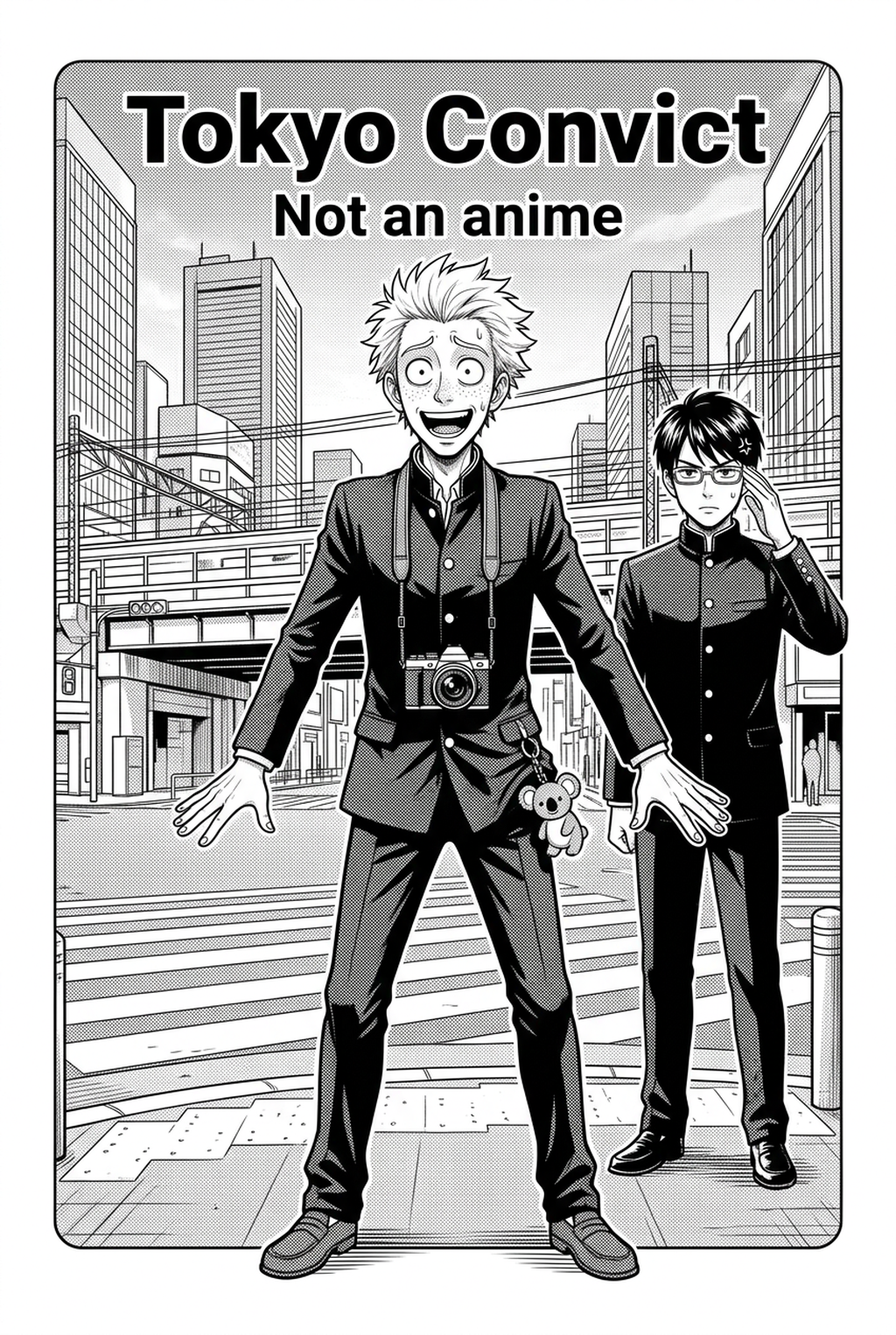
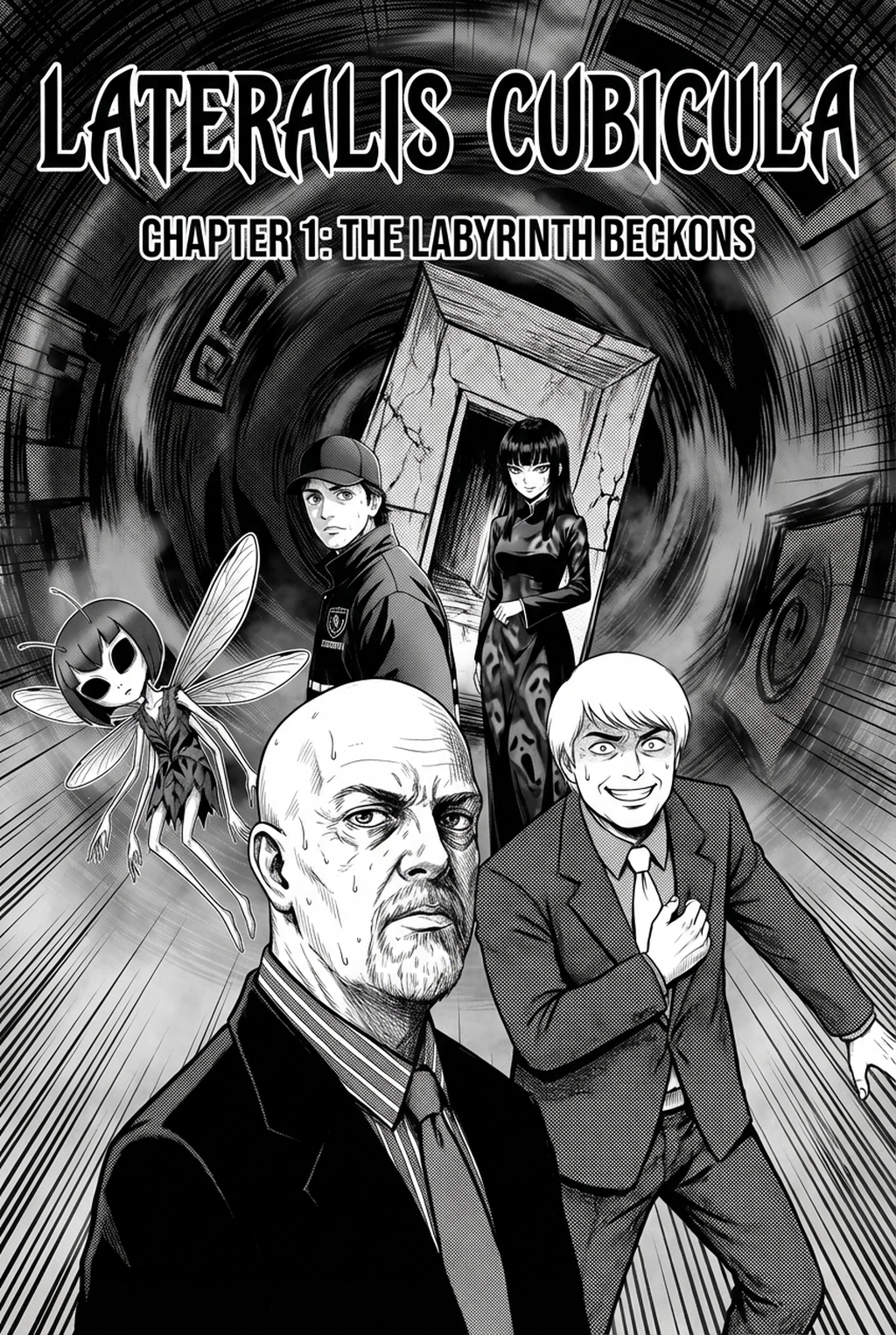
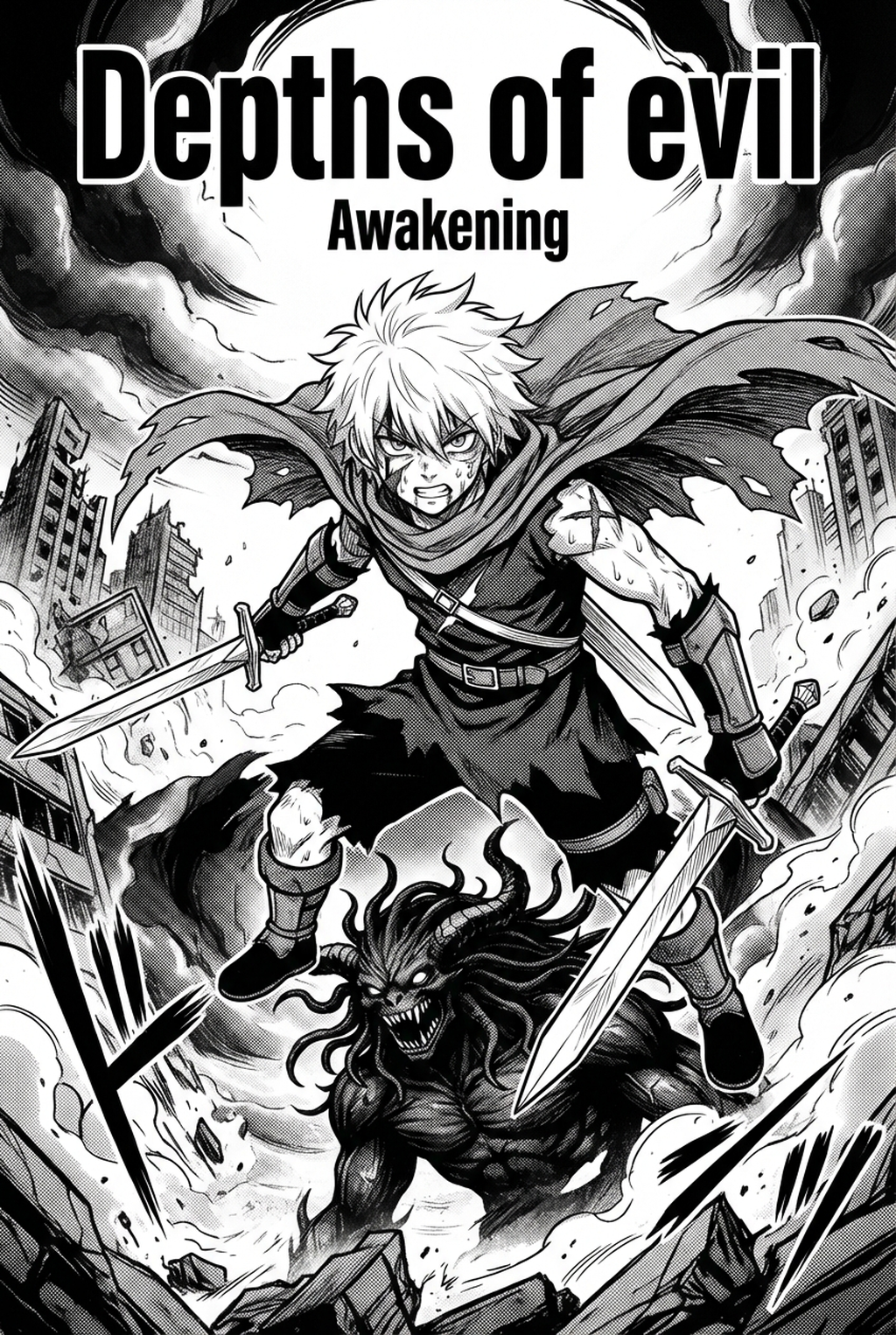
Effective manga background art balances technical detail with readability to ensure characters remain the focal point of the panel. It acts as the stage for your actors, requiring precise perspective grids and tonal depth to define the sub-genre—whether you are rendering the claustrophobic alleys of a Seinen mystery or the sprawling, grand landscapes of an Isekai adventure.
Readers instinctively notice when a vanishing point drifts or a building’s floor plan becomes nonsensical across a multi-page chapter. Maintaining spatial coherence for action scenes requires consistent environmental perspective, even when shifting between close-up shots and sweeping wide-angle panels. If you fail to lock these grids, the "uncanny valley" effect of a warped background will inevitably distract the reader from the dialogue and character emotion.
The line-weight density must adapt to your target printing format, whether it is high-resolution digital tablets or physical, low-porosity paper stock. If your background lines are as thick as your character outlines, the panel becomes visually muddy, losing the clear separation needed for easy scanning. Aim for thinner, more delicate cross-hatching in backgrounds to ensure the character's heavier, primary inking pops forward naturally.
Why AI Manga Background Artist Matters for Manga Creators
Consistency in environmental design prevents visual fatigue and keeps the reader anchored within the world's internal logic. When a creator fails to maintain environmental continuity, it risks confusing the reader about where characters are positioned relative to one another in the scene.
High-quality backgrounds act as a silent narrative tool, signaling time of day, location, and emotional tone without requiring character dialogue. A background that feels "lived in"—with subtle set dressing like worn posters in a classroom or overgrown vines on a ruin—tells the reader more about the setting’s history than a page of exposition.
The biggest challenge for solo artists is avoiding environments that look like sterile, cold architectural models. To maintain a professional look, you must inject organic imperfections into your structures. A perfectly straight 90-degree corner in a suburban home feels less authentic than one with slight wall wear, which is why manual inking traditionally took so long to perfect.
How Manga Background Art Works with Mangaka
AI tools like Mangaka automate the transformation of text descriptions into line art and tone-filled backgrounds, drastically reducing the hours spent on manual rendering. By automating the inking and perspective layout phases, creators can pivot from long, repetitive production cycles to rapid, iterative storytelling.
From Low-Fidelity Sketch to Final Panel. Instead of spending four hours drawing a detailed city street from scratch, you can feed a scene description into the AI Manga Background Artist workflow with Mangaka to produce a base structure. For instance, if you are designing a Tokyo-style train station, you simply describe the architectural style and lighting angle. The tool then outputs a high-fidelity line art layer. You can then apply your own digital inking over this, ensuring your specific style remains intact while offloading the heavy perspective work.
One frequent failure with general-purpose art tools is the tendency to produce "photorealistic noise" that looks entirely alien when placed next to hand-drawn characters. Mangaka focuses on specific manga-style line weights, creating clean, high-contrast black-and-white structures that mimic the look of traditional pen-and-ink tools. This allows for seamless integration of your characters, even if you are working at a high 600 DPI resolution for professional printing.
Use Cases for AI Manga Background Artist
| Use Case | Benefit | Consideration |
|---|---|---|
| Establishing Shots | Creates immense scale and detail in seconds. | Ensure the lighting matches your character's shading. |
| Repeating Locations | Saves hours on internal room perspective. | Keep a library of exported backgrounds for reuse. |
| Atmospheric Lighting | Adds mood without manual hatching time. | Check that tone density doesn't blur on smaller screens. |
You can use AI-generated backgrounds for commercial manga publishing as long as you treat them as base assets. The key is to perform a final "cleanup" pass on the export, where you adjust the line weights or add hand-drawn details that tie the background into your personal signature style.
To maintain a consistent style, always keep your character layer and your background layer on separate PSD files during the initial phases. Once the background is generated, use a standard brush to touch up the edges where characters make contact with the floor or furniture, which anchors them into the space effectively.
- Chapter cadence. Use the AI pass for pages where speed matters most, such as repeated action poses, transformation beats, or dense speed-line panels. Keep manual cleanup for hero panels where the line style defines the emotional peak.
- Character continuity. Compare the generated lines against the same model sheet, costume notes, and facial-expression range used during sketching. This prevents a fast inking pass from drifting away from the character identity readers recognize.
- Export readiness. Check whether the final manga output can move into lettering, coloring, or final layout without rebuilding panel borders or speech-bubble space. A good manga workflow should save time while keeping the next production step predictable.
How to Get Started with Mangaka
creator workflow no longer requires a team of assistants; modern AI tools bridge the gap between creative vision and technical execution. By adopting AI-assisted workflows, you can maintain professional standards while focusing your energy on character development and story arc construction.
Visit manga background art to begin generating your first manga-style scene descriptions and see how technology can accelerate your project's production. Before export, creators should compare the generated line art with the original sketch and confirm that facial expressions, props, speed lines, and speech-bubble space still support the scene.
The Bottom Line
Mastering your production workflow is the difference between an unfinished project and a published chapter. By integrating AI into your background creation, you regain valuable hours that would otherwise be lost to repetitive manual drafting. Take charge of your storytelling efficiency today by visiting manga background art and start generating your first set of professional, high-fidelity creator workflow assets.
Related articles
50 Creative 4-Koma Strip Ideas for Your Next Manga Project
Auto-Position Your Manga Speech Bubble Layout in 2026
Kagurabachi Manga Art Style: A 2026 Guide for Creators