What Is Manga Background Art?
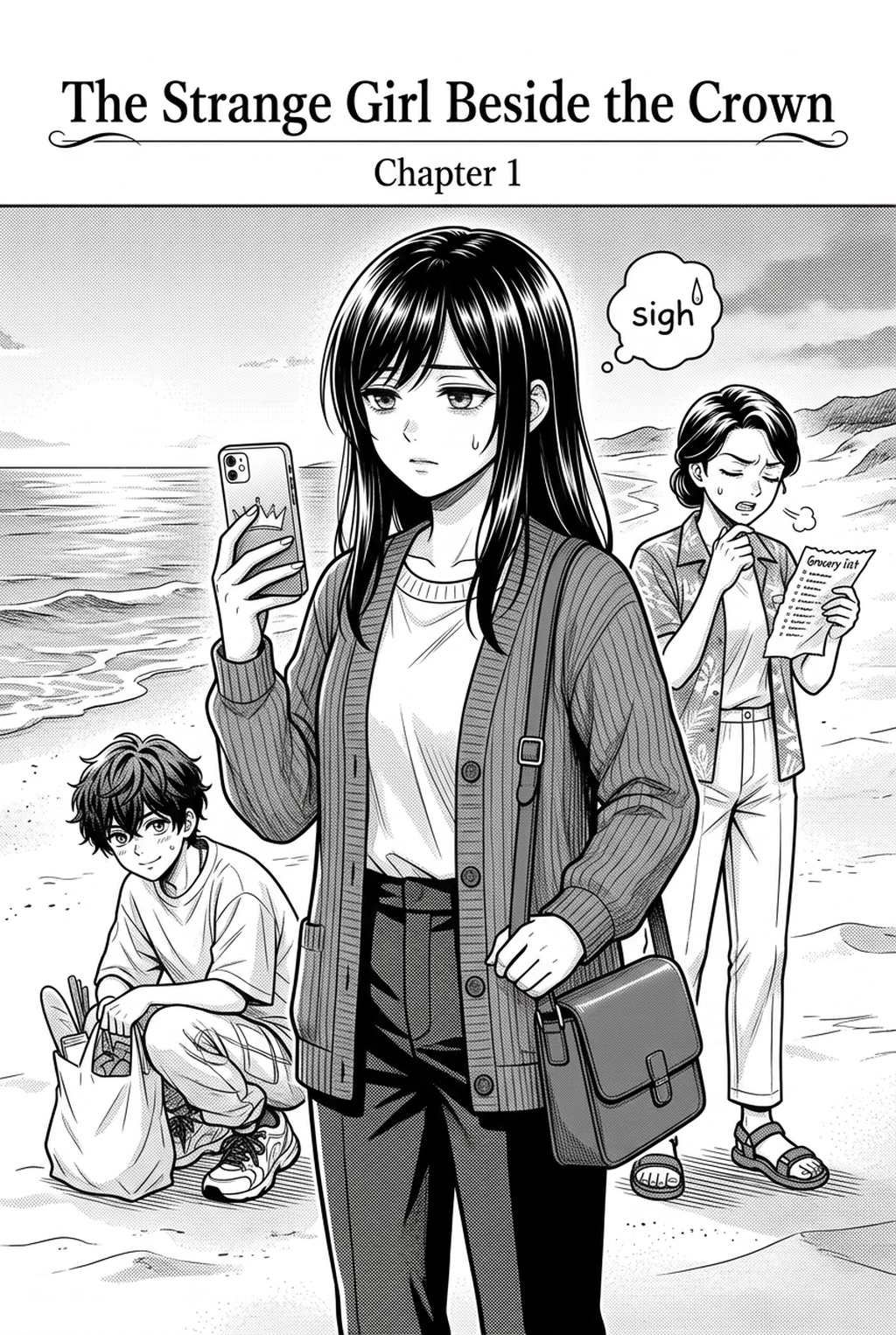
Manga background art establishes the source context of a scene, dictating the mood, time of day, and cultural setting through visual shorthand. High-quality environments utilize precise perspective techniques—such as extreme three-point vanishing points or soft depth-of-field blurring—to draw the reader’s eye directly toward the central character action in the foreground.
- Environmental Narrative Device: Consistent backgrounds function as a silent anchor, allowing readers to track movement across complex storyboards without needing constant exposition. * Visual Hierarchy: Proper application of atmospheric perspective creates the necessary depth to keep foreground character expressions legible against dense architectural detail. * Style Uniformity: Successful background integration requires matching the ink density and screentone textures of the environment to the character art to maintain a cohesive delivery format.
Why AI Manga Background Artist Matters for Manga Creators
The primary bottleneck for independent manga production is the time-intensive process of manually constructing 3D perspective grids or tracing high-resolution photographs to build consistent panel environments. Small creative teams often hit a "burnout threshold" after ten chapters, where the sheer volume of required assets forces them to choose between missed deadlines and degraded line quality.
- The Inconsistency Trap: Manual drafting across 20-page chapters often results in line-weight drift, where the thickness of architectural lines fails to match the character silhouettes, pulling the reader out of the scene. * Asset Management: When backgrounds are hand-drawn without a standardized reference, creators struggle to recreate the exact same room from a different angle in later chapters, leading to visual errors. * Review Owner Burden: A lead creator acting as the primary review owner often spends more hours cleaning up environmental perspective errors than crafting emotional beats or dialogue, stalling the creative process.
How Manga Background Art Works with Mangaka
AI Manga Background Artist workflow with Mangaka converts descriptive scene text into high-fidelity images that mirror traditional hand-drawn line art styles, effectively eliminating the need for manual sketching. By defining your environmental parameters—such as "shonen-style cross-hatching" or "minimalist seinen architecture"—you can generate backgrounds that adhere strictly to your project's established visual identity.
Generating backgrounds through descriptive input allows you to specify exact camera angles, such as low-angle shots for heroic entrances or top-down views for establishing the scope of an urban battlefield. This process allows you to bypass the initial layout phase and move directly into compositing, where you can focus on character performance and narrative rhythm.
The tool generates assets that respect the specific delivery format requirements of your publication, whether you are targeting mobile-first web platforms or traditional printed manga tankobons. By producing clean, high-resolution line art, the tool ensures that your assets are ready for immediate screentone application or digital color work without requiring complex post-production cleaning.
Use Cases for AI Manga Background Artist
Using specialized assets correctly allows you to build a visual library that can be reused across multiple volumes, ensuring continuity for recurring locations. Layering these AI-generated backgrounds with hand-drawn foreground elements provides the best of both worlds: efficient production times and a unique, personal artistic touch.
- Standardized Asset Storage: Generate a suite of core environments for your primary setting, such as a school rooftop or home interior, to ensure your world feels lived-in and unchanging across dozens of chapters. * Stylistic Terminology Application: Refine your output by injecting specific stylistic terms into your input descriptions to match your unique brand of inking, ensuring your backgrounds don't clash with your character designs. * Hybrid Compositing Workflows: Treat generated images as the base "plate," then ink your own foreground characters on separate layers to maintain total control over your final composition and narrative focus.
How to Get Started with Mangaka
Integrating specialized environmental tools into your existing creative flow requires a shift in how you prioritize your page-production time. By automating the technical drafting of grids and perspective, you liberate your creative energy for the storytelling elements that define your manga's soul.
- Character Art Synchronization: Use your existing character line-weight parameters as part of your generation creative brief to ensure environmental lines don't look "too clean" or overly digital compared to your hand-drawn style. * Camera Angle Precision: Specify your perspective requirements clearly, such as "high-contrast fisheye" or "flat two-point perspective," to ensure the output aligns with the established camera angles used in your previous storyboards. * Software Compatibility: Export your generated assets as high-resolution PNG or PSD files, which integrate seamlessly with industry-standard software to allow for rapid final adjustments, tone shading, and balloon placement.
Creators should compare the generated line art with the original sketch and confirm that facial expressions, props, speed lines, and speech-bubble space still support the scene. A repeatable review pass should cover character consistency, panel readability, background clarity, and whether the final file is ready for coloring, lettering, or editor feedback.
Creators should save approved examples of line weight, face detail, clothing folds, and background density. Those references keep later chapters closer to the intended style. For collaboration, creators should mark which panels are final and which panels still need redraws. Clear status labels prevent an assistant, editor, or colorist from polishing the wrong version.
The Bottom Line
Modern manga production no longer requires you to trade hours of technical drafting for high-quality, professional results. By leveraging intelligent background generation, you can pivot your creative focus from the labor-intensive construction of perspective grids to the high-level storytelling that keeps your readers returning. manga background art by integrating custom, style-aligned background assets into your production production process today.
Related articles
Start Manga Storyboard Creation with AI – Try Mangaka 2026
Mastering AI Manga Storyboard Tips for Better Narrative
Create Your Manga Storyboard Fast with AI-Powered Tools 2026