AI Manga Background Artist: Understanding Architectural Foundations in Panels
High-quality environments use calculated line weight and spatial depth to establish a sense of scale without distracting from the primary action occurring in the foreground. Effective background creation requires more than just aesthetic appeal; it demands adherence to vanishing points and textural density that aligns with your specific inking style.
- Vanishing point alignment: Ensuring that all architectural lines converge correctly prevents the 'floating' effect where characters appear disconnected from the ground plane. * Line weight hierarchy: Thinner lines for distant structures and bolder, heavier strokes for foreground elements create a natural sense of atmosphere and proximity. * Texture integration: Utilizing specific screentone patterns or digital hatching that matches your character work creates a unified aesthetic across the entire page layout.
The background acts as a secondary narrator, providing environmental context that reinforces the emotional stakes of the scene. If the environment is too sparse, the narrative loses its sense of reality; if it is too cluttered, it forces the reader's eye away from the emotional focal point of the page.
Environmental Significance for Genre Storytelling
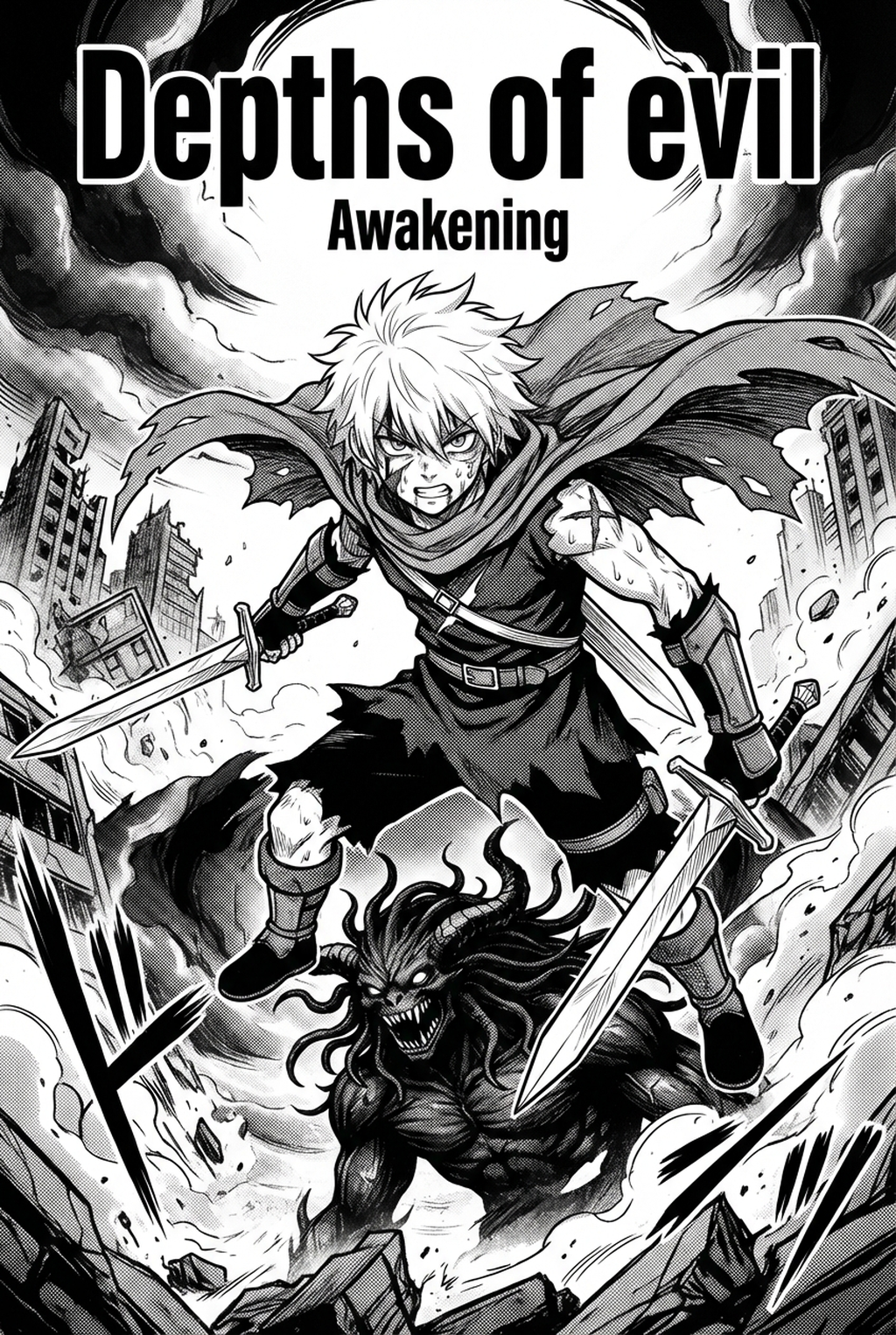
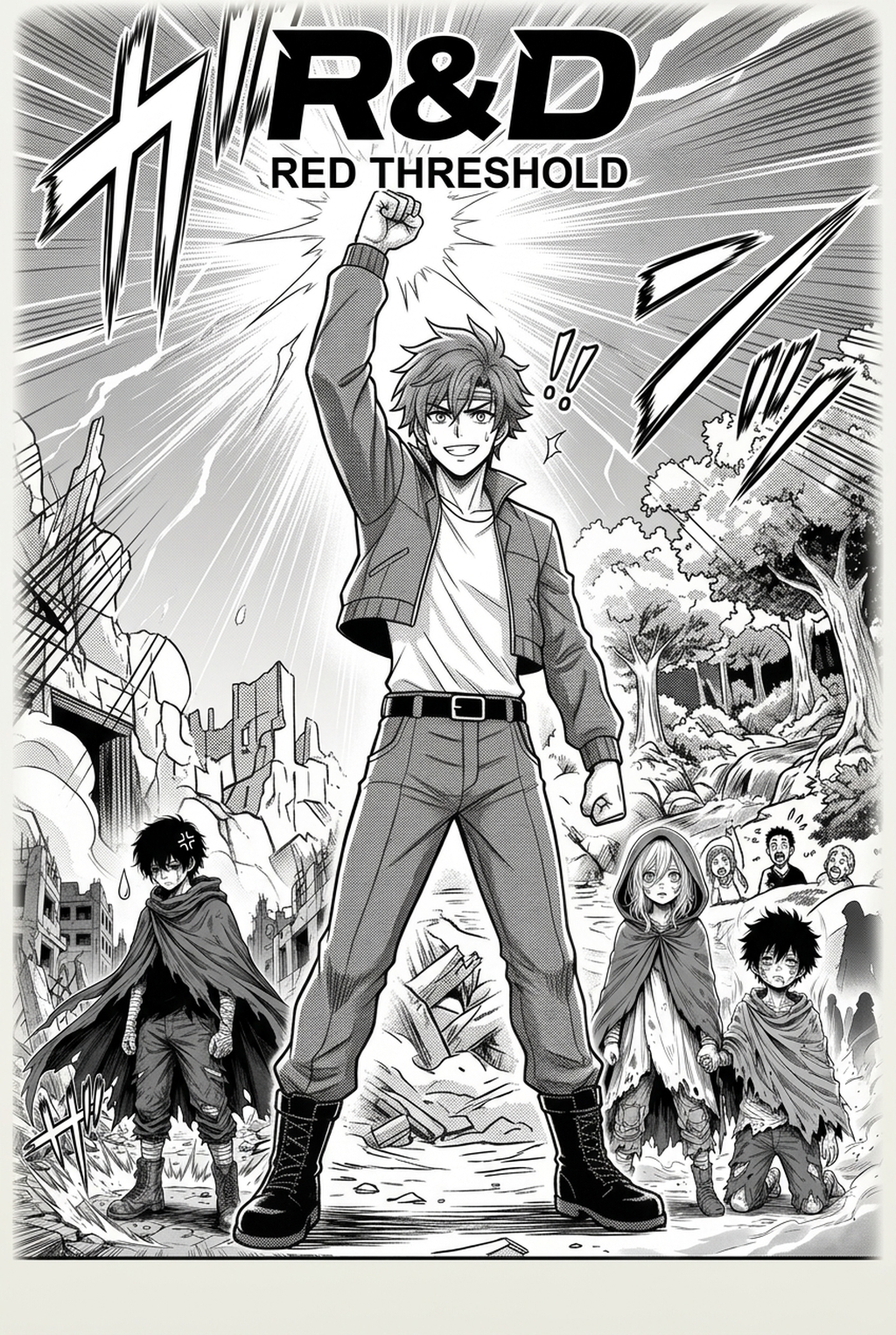
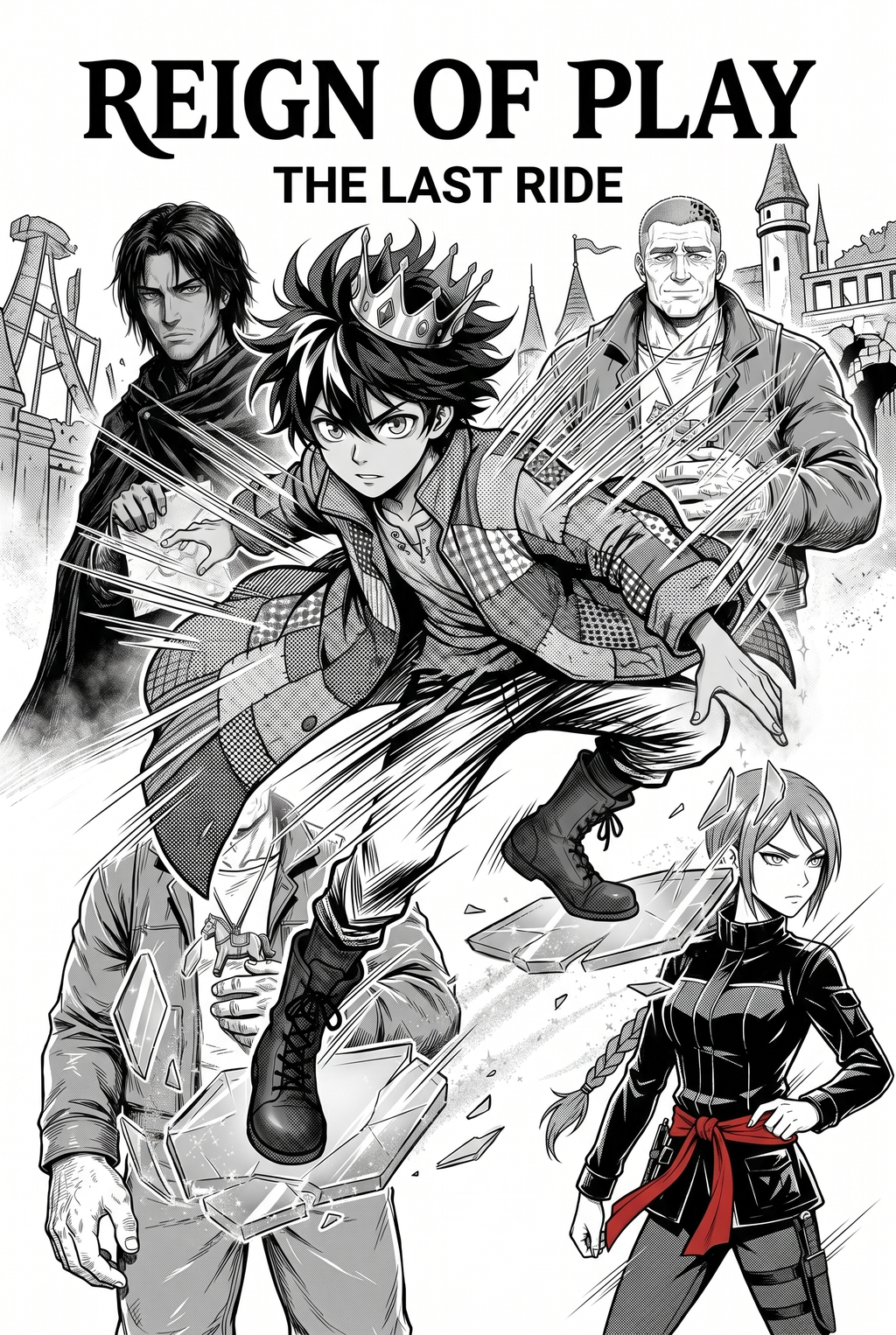
The requirements for environmental fidelity vary significantly depending on the genre, with Shonen creators often prioritizing kinetic energy over rigid architectural accuracy. While a fast-paced battle scene might lean on exaggerated perspective and motion-heavy settings, Seinen narratives demand deeper realism and nuanced lighting to ground their more complex themes.
- Shonen dynamic settings: Shonen projects focus on environmental speed-lines and debris to amplify battle choreography and character growth during high-stakes sequences. * Seinen architectural density: Seinen projects often require a higher level of detail-density to support grounded, complex narratives where the setting acts as a reflection of character decay or growth. * Atmospheric lighting states: Consistent illumination across panels prevents the "lighting drift" that occurs when an environment's shadows do not match the character's light source, a common failure in multi-panel sequences.
Audience expectations also play a major role in how much detail is required. Shonen readers are often more forgiving of stylized, abstract backgrounds if the energy of the scene is high, while Seinen readers expect rigorous environmental consistency that serves as a pillar for the story’s world-building.
Implementing Artificial Intelligence as a Design Partner
AI tools like Mangaka allow creators to generate detailed environments from simple, descriptive input text, effectively bypassing the hours typically spent on manual perspective construction. By integrating an AI background assistant into your workflow, you can dedicate significantly more time to character design and complex page layouts while maintaining high-fidelity settings that remain perfectly compliant with your visual standards.
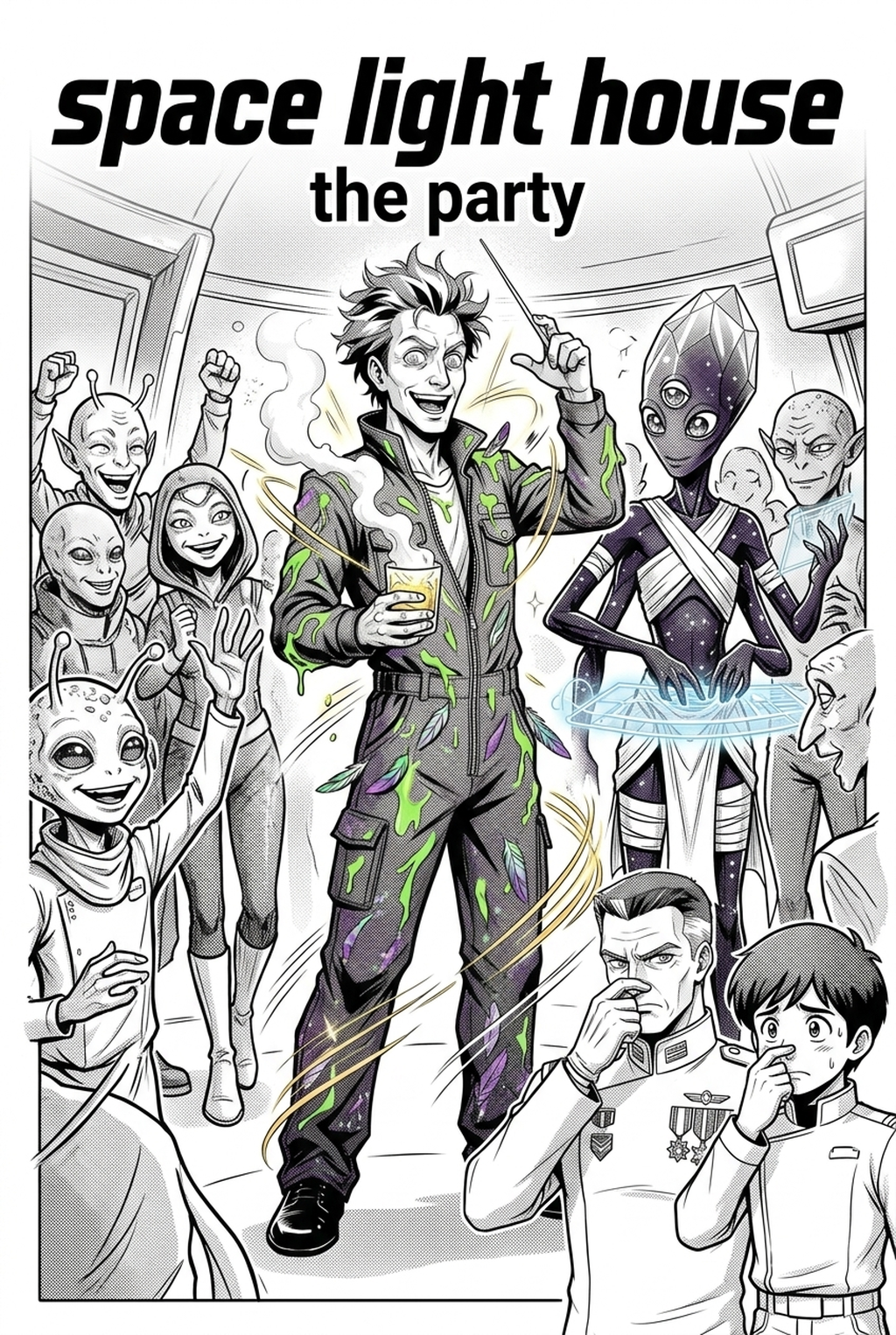
- Production bottleneck reduction: Complex scenes such as crowded cityscapes or historical interiors, which previously required days of inking, are rendered in minutes. * Style-matching capabilities: Modern generative tools allow for the refinement of inputs to ensure the final output strictly adheres to your specific line-weight constraints. * Seamless digital integration: The ability to export high-resolution assets directly into your preferred software ensures that the background becomes a native part of your existing digital workspace.
Treating AI-generated art as a base layer provides a starting point that you can then customize with manual inking and signature screening techniques. This hybrid approach ensures that the human touch remains at the center of the final piece while the technical heavy lifting is handled by the generation software.
Applying Generated Assets in Professional Page Layouts
Seamless workflows rely on the ability to match the AI’s delivery format with your preferred digital inking platform to maintain total creative control. Unlike generic image generators, tools built for creators keep source context for specific lighting and perspective, ensuring the background maintains structural stability across multiple panels of the same scene.
- Format compatibility: Export your backgrounds as layered PSD files or high-resolution vector lines to ensure they integrate correctly with your existing layer stacks. * Iterative refinement: Use the original scene description as a anchor point for subsequent panel generations to prevent the "style drift" that occurs when variables change mid-sequence. * Manual overlay techniques: Use the generated output as a template for your own inking layer, adding your personal flair to the base structure to bridge the gap between AI efficiency and human artistry.
A common scenario involves a creator producing a 20-page chapter. This keeps the review focused on story intent, line weight, panel readability, and the export quality behind the final AI Manga Background Artist output.
Getting Started with Mangaka for Your Next Project
Refining your inputs allows the generated environment to adhere to your specific line weight, shading requirements, and perspective angles. If you find your background art is drifting, return to your initial scene description and tighten the constraints on lighting direction and environmental scale.
- Style preservation: The platform allows you to upload reference styles, ensuring the output matches your existing inking density. * Artistic integrity: Using software to handle the technical, time-consuming aspects of environment design empowers the artist to retain creative control over the final composition. * Maintaining sequence stability: By anchoring your scene descriptions, you maintain environmental consistency across multiple panels without needing to redraw the same background from scratch.
Modern workflows must balance speed with the specific visual requirements of the manga format. Using manga background art with Mangaka transforms the background creation process from a grueling task into a creative collaboration. Creators can use each revision decision to clarify panel readability, character consistency, and export quality before publishing or sharing.
The Bottom Line
The future of manga production relies on the synergy between human creative vision and the efficiency offered by specialized background generation. By leveraging tools that respect the nuance of inking, line weight, and atmospheric perspective, you can produce professional-grade world-building that keeps pace with modern publishing demands. You can start creating your own manga backgrounds today to see how these tools integrate into your unique artistic workflow.
Related articles
Mastering Your Manga Background: A Guide for 2026
What Is a 4-Koma Strip? A Guide to the Manga Gag Format 2026
Use Our AI Manga Storyboard Builder to Plan Your Pages 2026