AI Manga Background Artist: Understanding Background Art Terminology
High-quality environmental work relies on maintaining a consistent perspective grid and tonal balance that does not compete with your character's visual weight. You must balance the structural integrity of your architecture against the scene's emotional atmosphere, often requiring specific adjustments to depth of field and weather-based debris to ground your characters effectively.
Professional background assets require more than just a clean sketch; they demand a deliberate approach to the "source context" of your story. * Vanishing Point Precision: The foundation of architectural stability in any panel, preventing the common failure of "leaning" buildings that ruin viewer suspension of disbelief. * Tonal Hierarchy: Using contrast to separate your foreground characters from the background, ensuring the reader’s eye moves naturally across the panel without fighting visual noise. * Atmospheric Anchoring: Incorporating lighting, weather, and debris to transform a static room into a narrative space that reflects the mood of your dialogue.
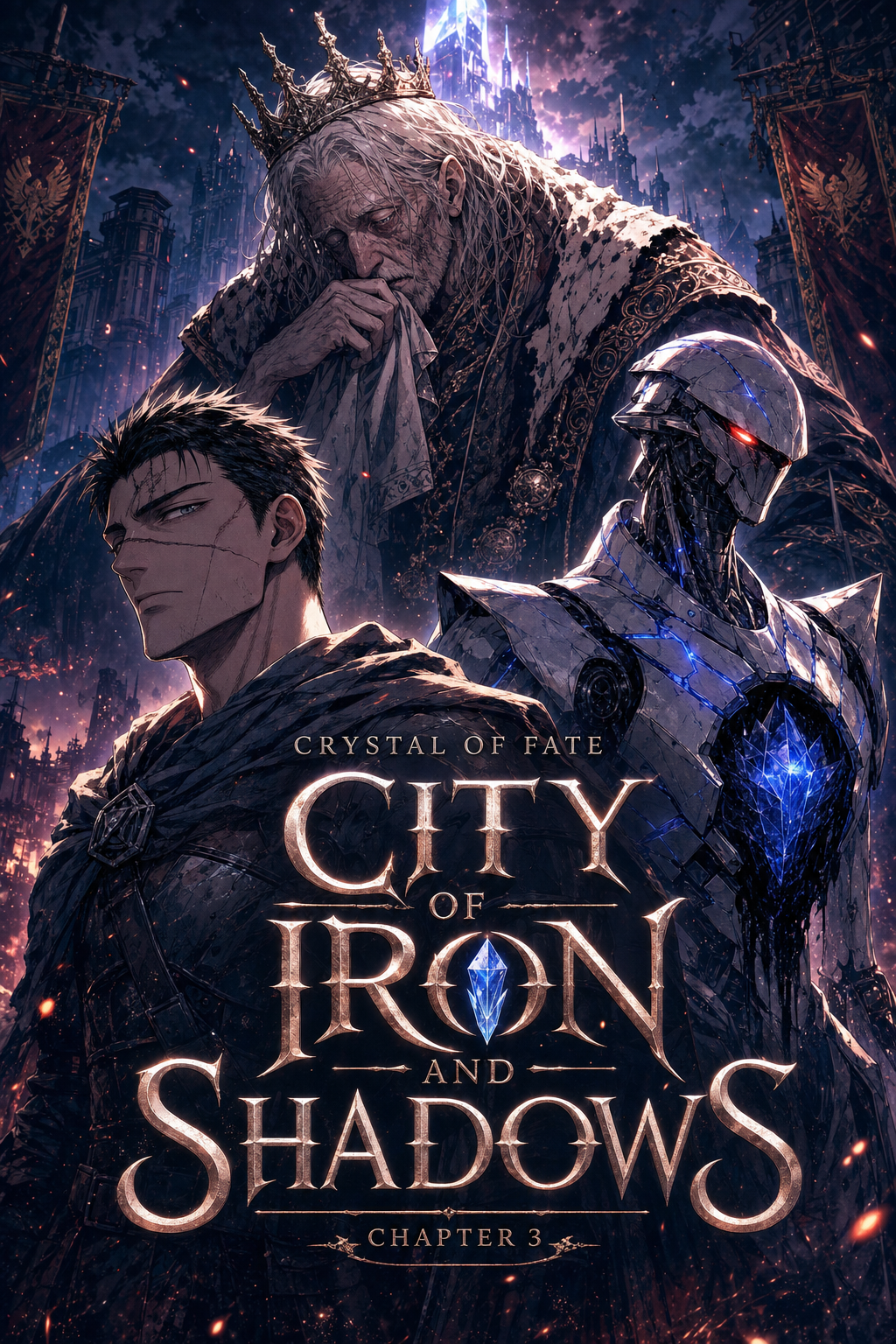
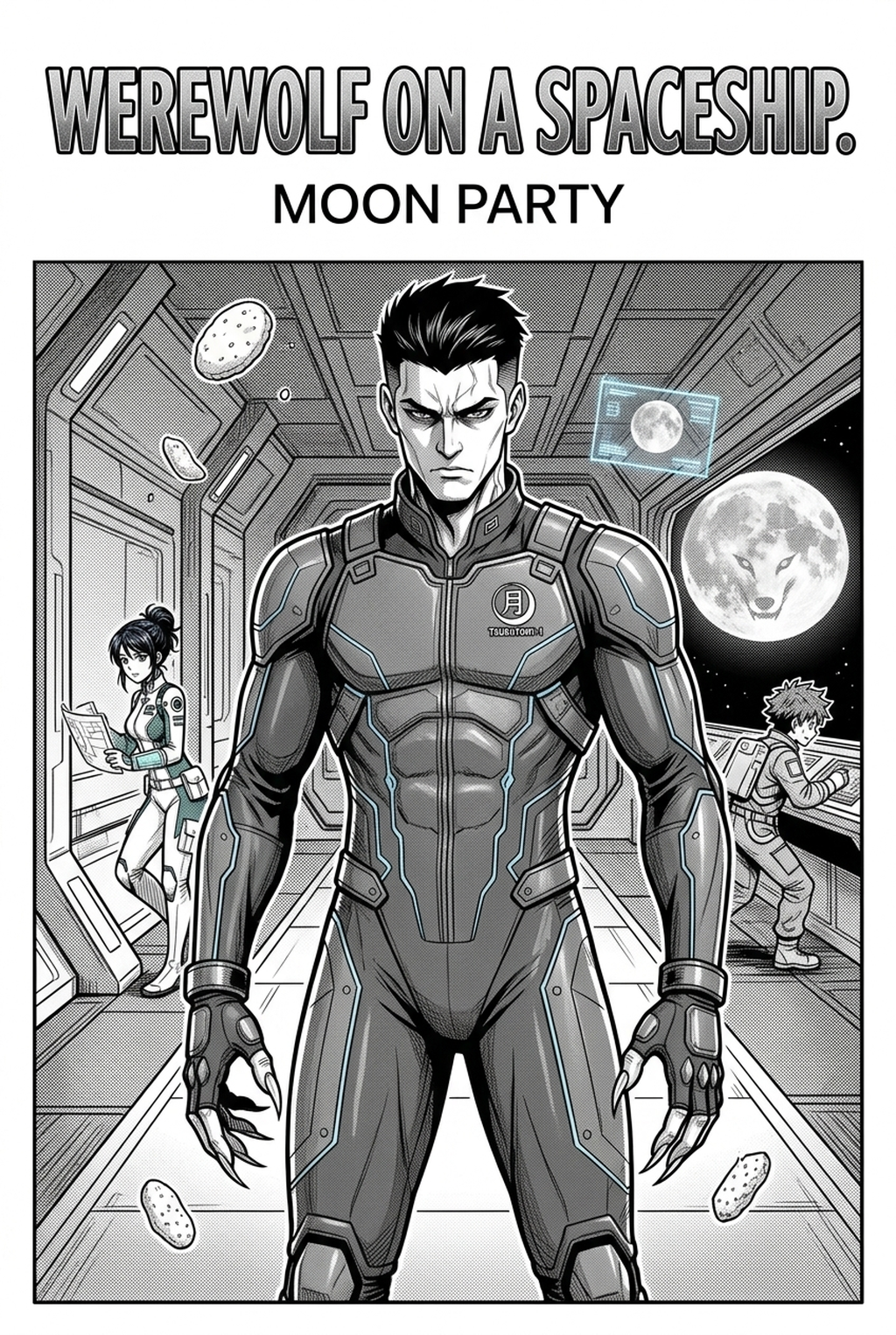
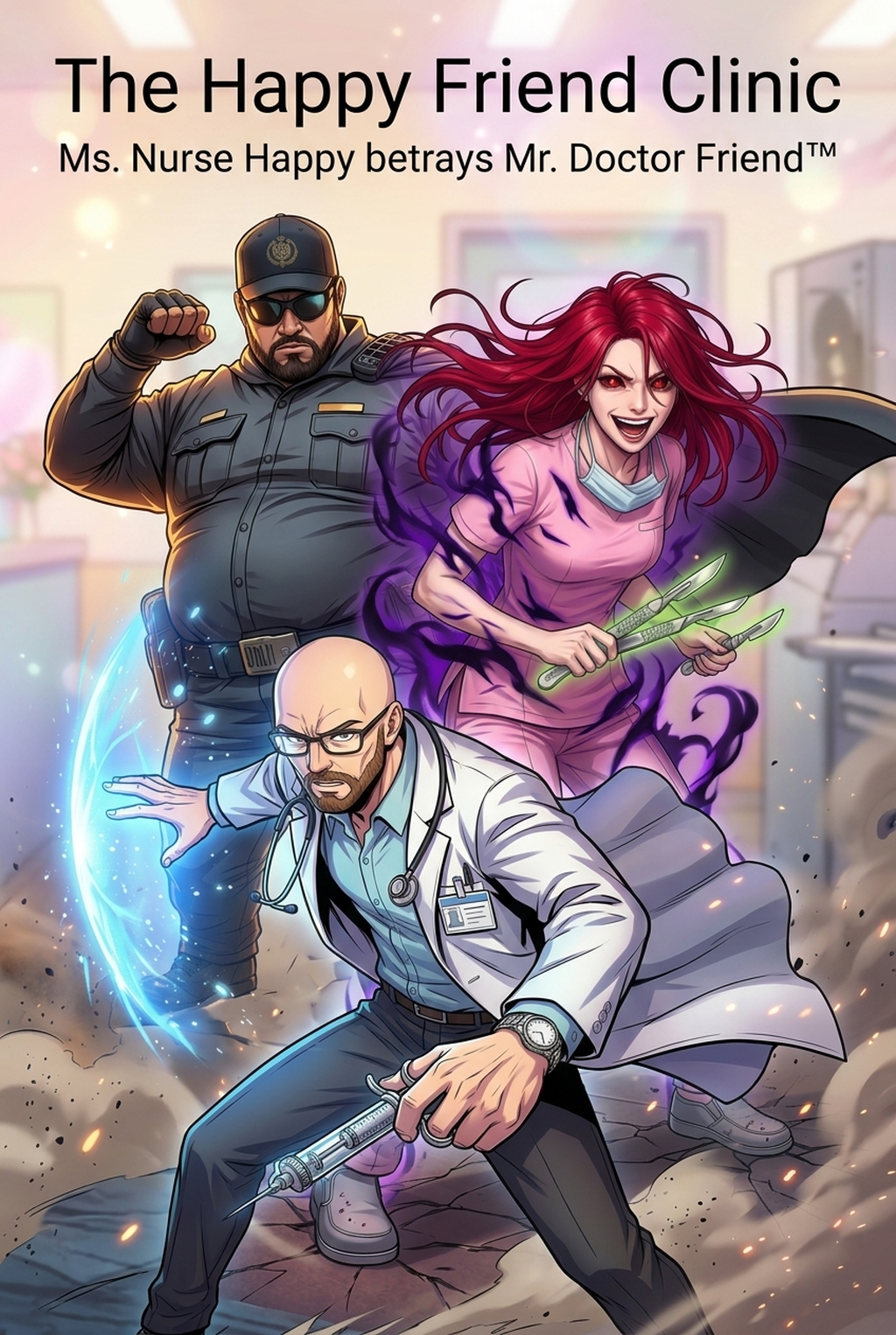
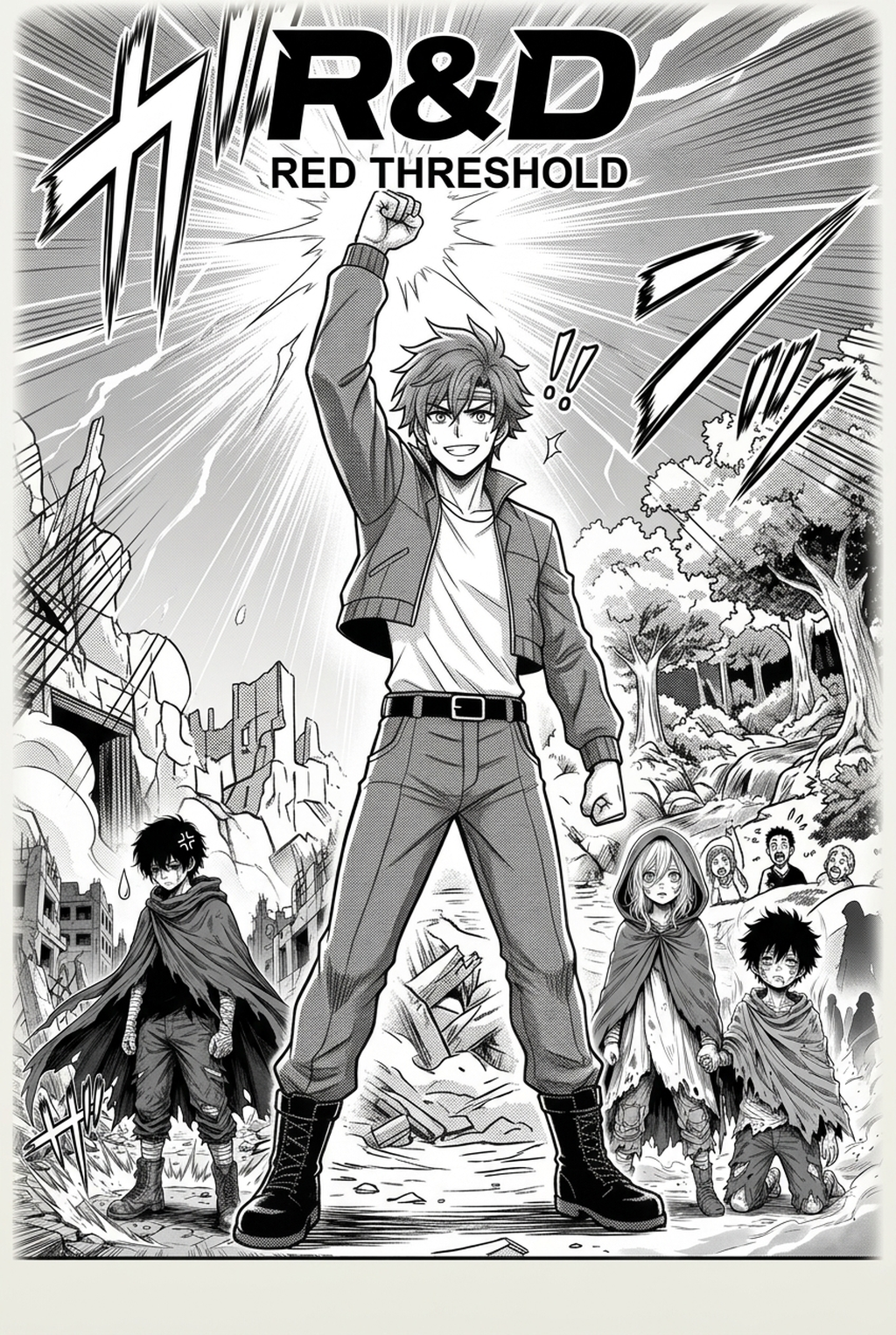
The visual density of your scenery should align with the core mechanics of your genre to avoid jarring transitions. * Shonen-Style Line Density: Emphasizes high-contrast, sharp line art and dynamic "speed line" perspectives, often prioritizing the scale of structures to heighten the impact of high-stakes battles. * Seinen-Style Painterly Depth: Leverages soft halftone gradients, complex organic textures, and detailed shading to evoke grounded, realistic, or sometimes unsettling psychological environments.
Why Background Art Matters for Manga Creators
Environments function as your story’s silent narrator, signaling time, social status, and impending plot beats before a character even speaks. When you neglect the environment, you create "visual friction," forcing the reader to mentally fill in the gaps rather than focusing on the emotional delivery of your dialogue or character action.
Consistent backgrounds establish the "geography of the story," making locations like a crowded apartment or an abandoned school feel like tangible, lived-in spaces. If a reader cannot identify the environment at a glance, they lose the spatial awareness necessary to track action sequences, leading to confusion during complex panels.
You use background art to dictate where the reader looks, using negative space to draw attention to character expressions during intimate moments. By mastering the balance between detailed foregrounds and simplified backgrounds, you ensure that high-effort inking work is directed toward the elements that drive your narrative pacing forward.
How Background Art Works with Mangaka
Mangaka eliminates the technical bottleneck of manual 3D modeling by allowing you to generate perspective-correct layouts from precise textual descriptions. This system interprets your creative brief to output the specific line-work or halftone files you need to integrate into your existing page layout without requiring you to draw every structural line from scratch.
You retain agency over the output by defining the "delivery format" through advanced creative brief engineering, ensuring the final assets match your specific inking style. By controlling parameters such as line-density thresholds and focal length, you guarantee that AI-generated environments possess the same stylistic fingerprint as your manually drawn character models.
You can pivot your environmental design in seconds by modifying your scene inputs rather than redrawing entire backgrounds. For example, shifting an afternoon classroom scene into a high-tension nighttime sequence requires only a shift in your descriptive keywords, saving hours of manual shading.
Check character consistency, panel readability, line quality, and export readiness before publishing. Creators should also record why the page passed review, which panel details still need manual cleanup, and which export format the next collaborator will use. That makes the subsection useful instead of leaving a short checklist under a large heading.
Use Cases for AI Manga Background Artist
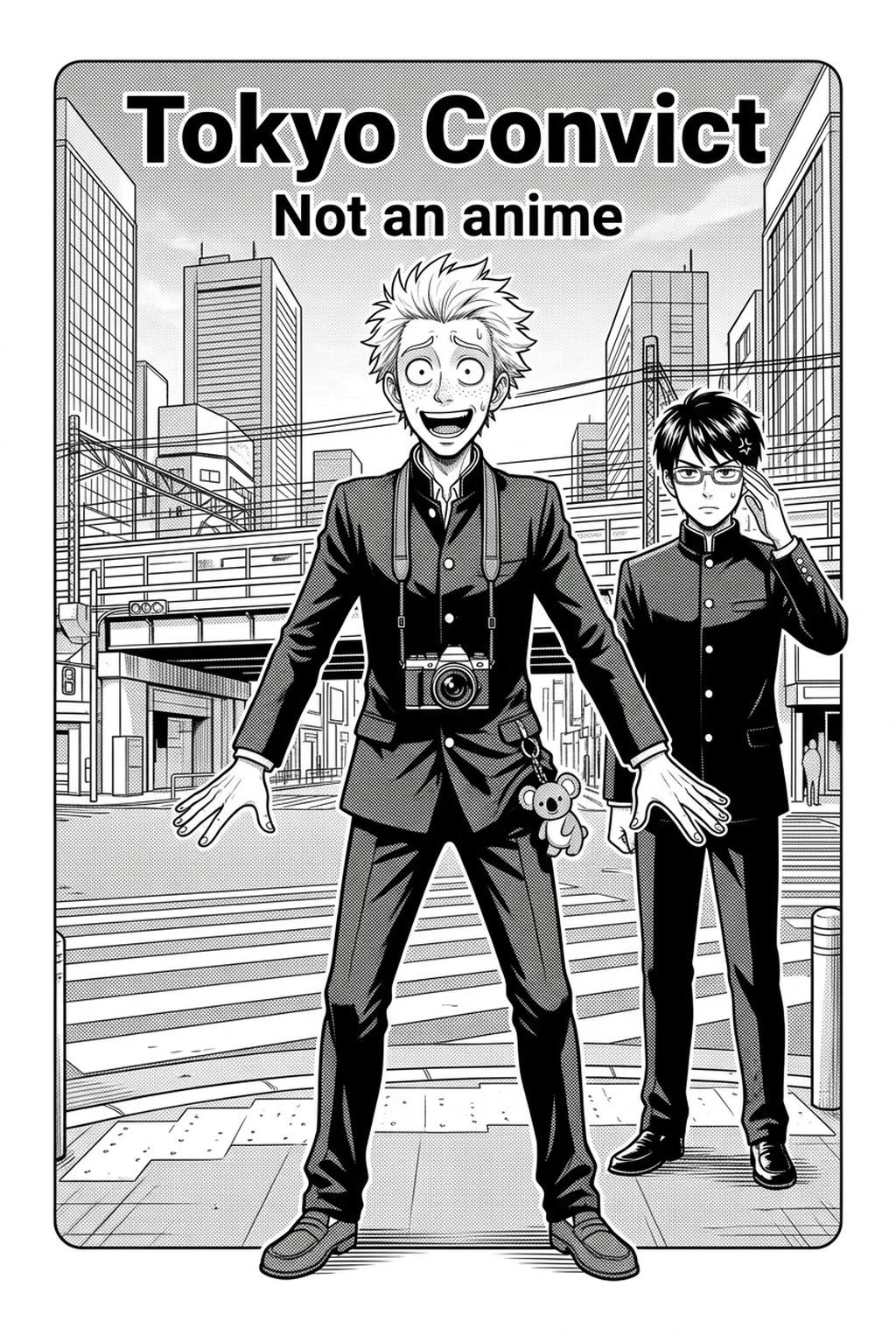
Different story requirements demand specialized approaches to how backgrounds occupy your page layout. * Action-Oriented Shonen: Uses high-perspective cityscapes and architectural scale to emphasize the speed and reach of character abilities. * Grounded Slice-of-Life: Relies on hyper-detailed residential environments and nature-based scenery to create a sense of realism and intimacy. * Atmospheric Horror: Employs oppressive lighting and clever use of negative space to heighten mystery and sustain long-term visual tension.
How to Get Started with Mangaka
To begin, input a specific description of your desired environment into the platform, defining both the setting and the stylistic constraints for your panel. You can access the tool at AI Manga Background Artist workflow with Mangaka to generate clean line work that aligns with your specific character art style. Optimizing Your Production Workflow.
- "
- Evaluate Delivery Formats: Select between clean vector-like line work, raw layouts for halftone layering, or pre-shaded panels depending on your inking workflow. 3. Perform Editorial Polishing: Once the asset is generated, use your preferred software to overlay your character art and manually tweak the line weight or shading to ensure a perfect, cohesive final panel.
Creators should compare the generated line art with the original sketch and confirm that facial expressions, props, speed lines, and speech-bubble space still support the scene. A repeatable review pass should cover character consistency, panel readability, background clarity, and whether the final file is ready for coloring, lettering, or editor feedback. For longer projects, creators should save approved examples of line weight, face detail, clothing folds, and background density. Those references keep later chapters closer to the intended style.
The Bottom Line
Background art is the essential backbone of immersive storytelling, but it no longer requires the prohibitive time investment of manual architectural drafting. By adopting tools like manga background art , you can shift your workflow from tedious labor to creative direction, ensuring professional-quality visual results at scale.
Related articles
What Is a Manga Storyboard? Mastering Your Narrative Flow
Manga Storyboard Guide: Designing Pacing and Flow in 2026
Manga Storyboard Guide: Creating Narrative Flow with AI 2026