What Is Manga Background Art?
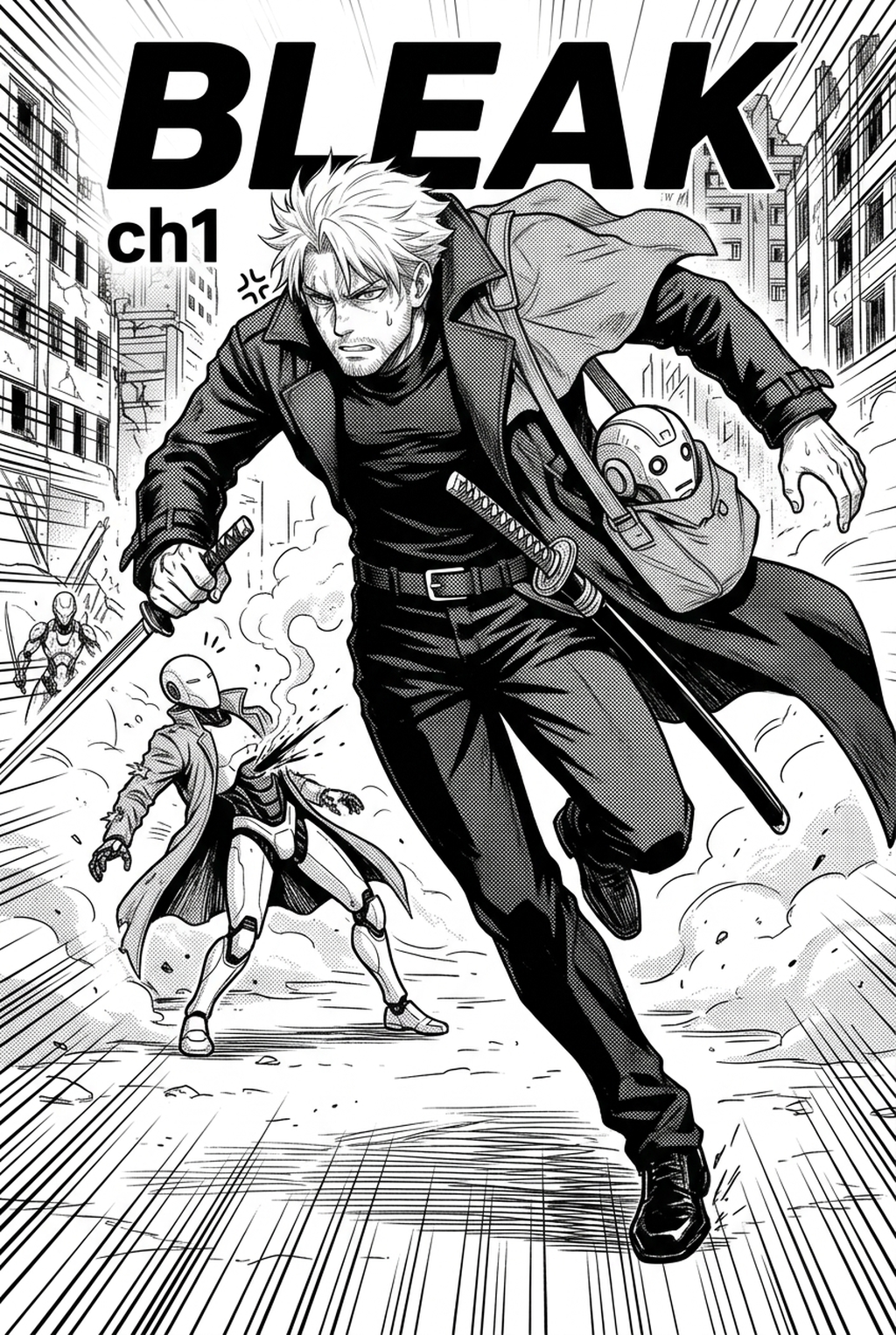
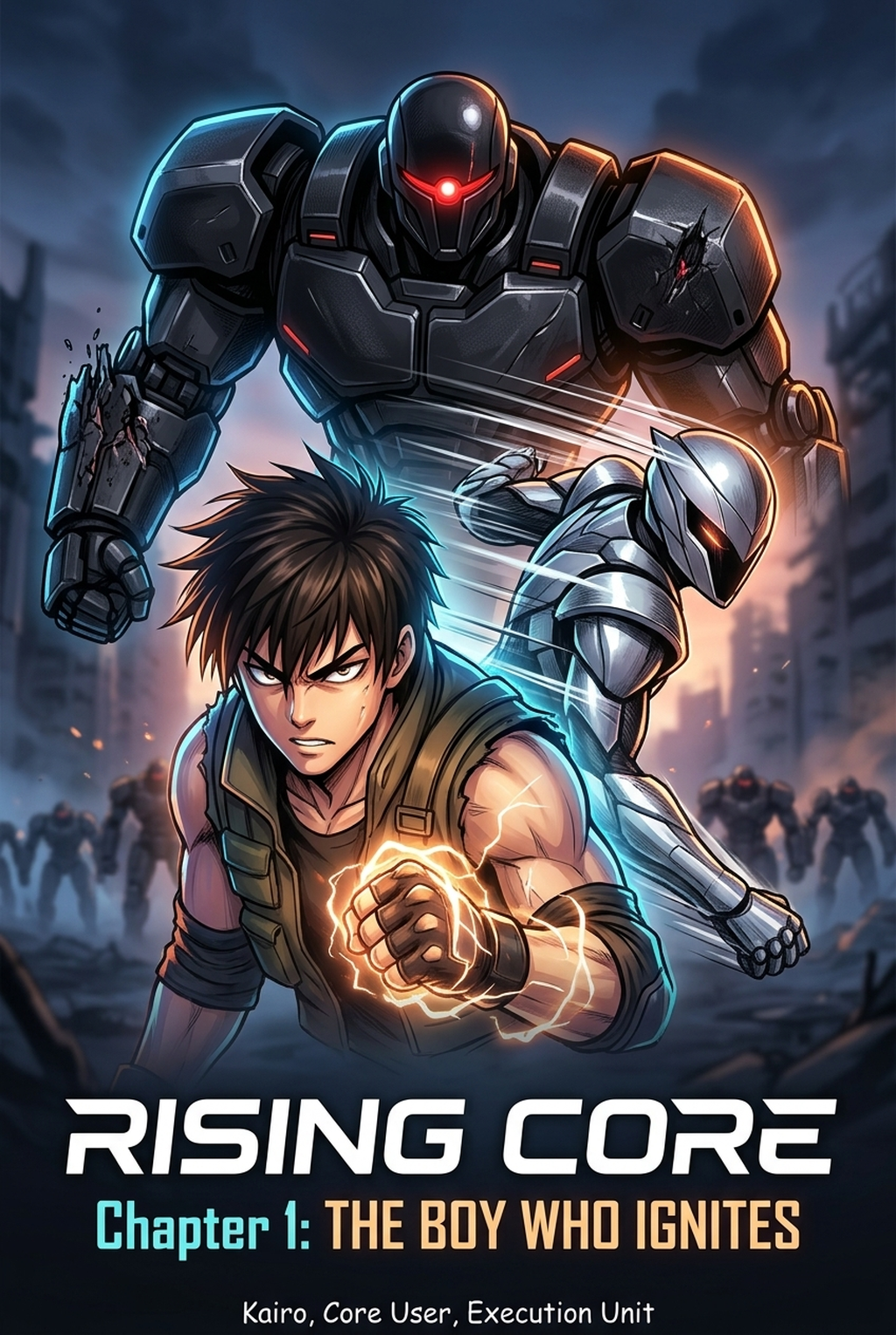
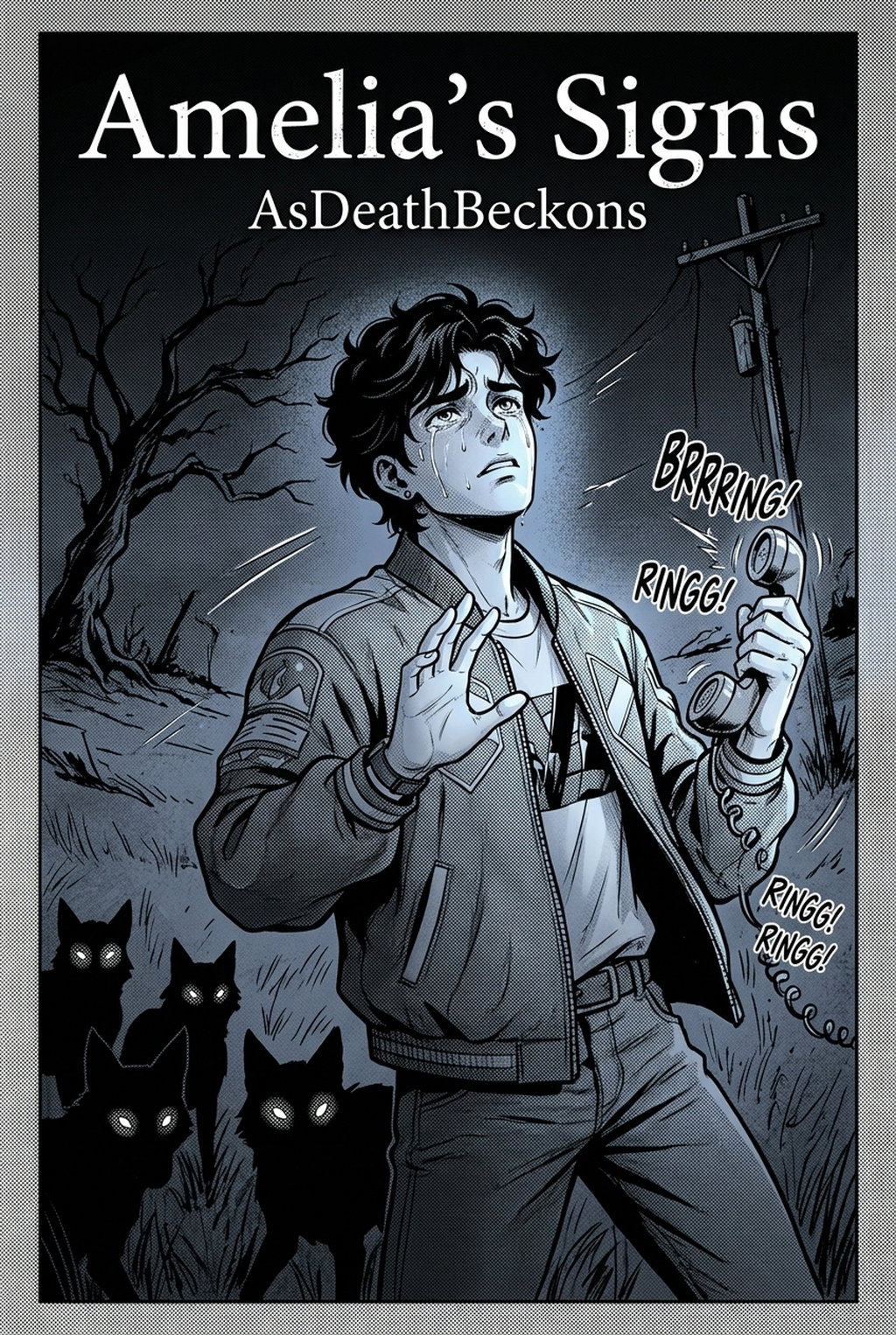
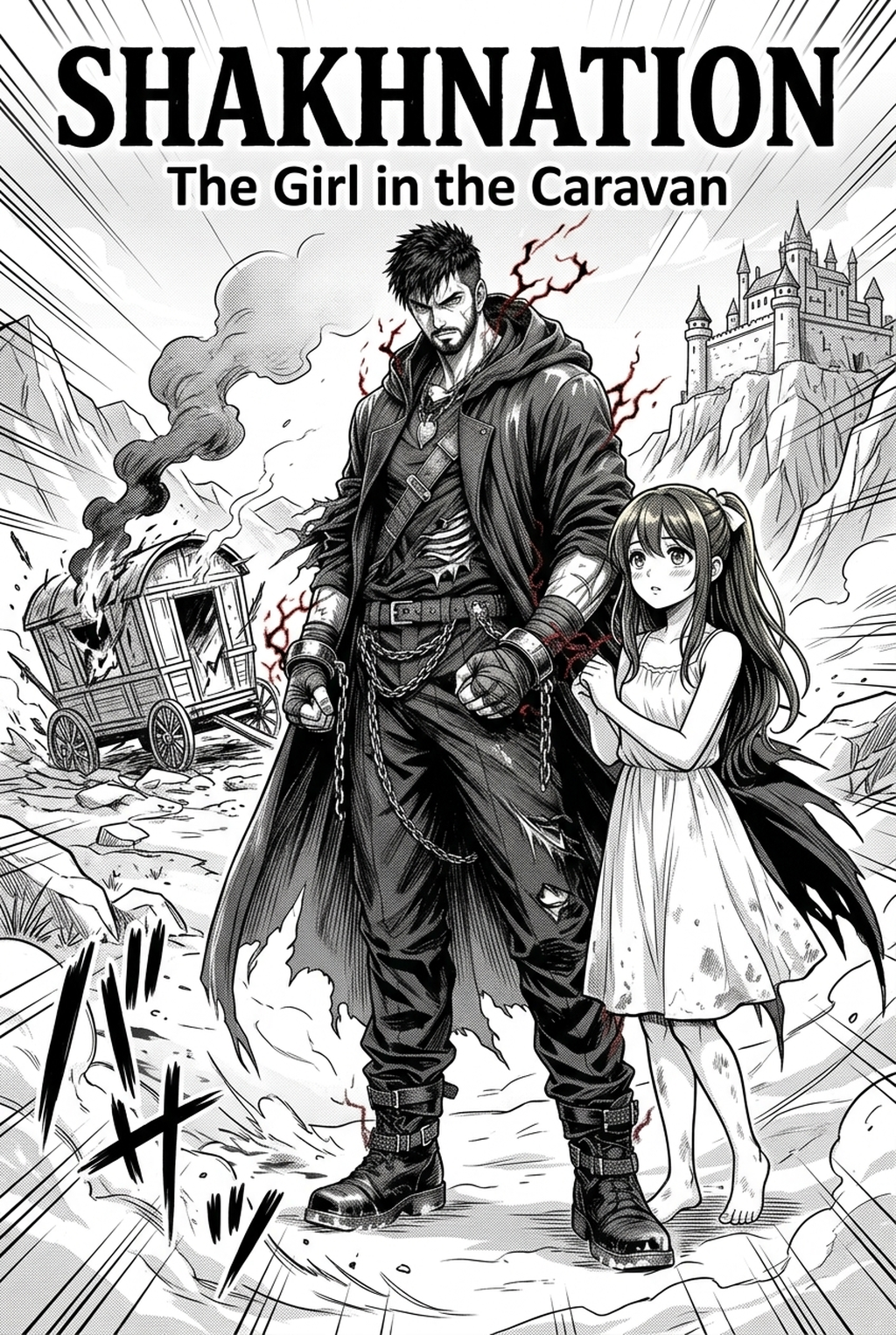
High-quality background imagery serves as a silent narrator, utilizing specific architectural details and lighting choices to mirror the emotional state of a character within a given panel. A successful background effectively balances descriptive detail without distracting from the primary action, maintaining a unified aesthetic that persists across dozens of chapters to anchor the reader's sense of place.
Achieving professional results demands a rigorous adherence to perspective grids that prevent the common failure of skewed architecture or floating characters. Professionals prioritize consistent line-weight ratios between the character layer and the environmental layer, ensuring that the background feels like a natural extension of the scene rather than an isolated, static element.
Backgrounds influence the reader's mood by altering lighting conditions and structural density based on the scene's intent. A high-stakes combat scene might utilize fractured, high-contrast urban architecture to induce anxiety, while a calm school-life sequence relies on soft, open, and airy compositions. This emotional mapping allows the setting to support the script rather than acting as mere decorative filler for the page.
Why AI Manga Background Artist Matters for Manga Creators
Consistency in environmental rendering is a critical metric for indie creators aiming to reach industry-standard quality levels without the luxury of an entire studio support team. When backgrounds shift in style or density throughout a volume, the resulting visual inconsistency creates a subconscious barrier to reader retention, signaling a lack of production maturity.
For an independent creator juggling 20+ pages per month, the time required for manual inking of complex cityscapes often leads to burnout and compromised quality. By offloading the mechanical reproduction of architecture to an automated solution, you can reallocate your limited time to character expressiveness and page layout, which are the primary drivers of reader engagement.
A recognizable, cohesive aesthetic is a key indicator of a professional series, yet it is notoriously difficult to maintain over hundreds of panels. Centralizing your background requirements within a consistent creative brief registry ensures that your ramen shop or school rooftop looks identical in chapter 50 as it did in chapter one, effectively eliminating the risk of stylistic drift.
How Manga Background Art Works with Mangaka
Mangaka bridges the gap between rough storyboards and final high-resolution assets by translating your specific scene descriptions into render-ready backgrounds. This removes the necessity of manual perspective plotting, allowing you to focus on the final digital pass, where you can easily adjust opacity and line weights to perfectly blend the generated environment with your hand-drawn character layers.
Creators input granular details—such as "cramped, dimly lit apartment in Tokyo, 3-point perspective from a low worm’s-eye view, cluttered aesthetic"—to receive immediate, high-fidelity visual drafts. The tool allows you to refine these drafts by specifying architectural archetypes, such as 'Cyberpunk', 'Meiji-era traditional', or 'Classic Shonen', ensuring that the setting aligns with your genre conventions.
By generating AI Manga Background Artist workflow with Mangaka at the start of your workflow, you move into the inking phase with a solid foundation that supports screentone application. Once the background is generated, you export the file as a layer, allowing for precise control over tone overlay and edge-feathering, which is vital for blending AI-generated output with your own digital brushwork.
Use Cases for AI Manga Background Artist
Independent creators benefit most from a 'Modular Asset Library' approach, where recurring locations are generated and archived as a foundational set for future continuity. This strategy allows you to maintain a consistent universe across 50+ chapters while significantly reducing the time required to build a new set-piece from scratch for every single scene requirement.
Compositing AI backgrounds allows you to prioritize character expressiveness, where reader engagement is objectively highest. By generating a background that provides the necessary context but stays visually understated, you ensure the reader's eye is always drawn first to the character’s reaction, which is the most critical element of effective panel pacing.
A 'creative brief Registry' enables you to keep a list of perfected descriptors that consistently deliver the desired look for your recurring locations. When you need to revisit a location, you simply pull the registry creative brief, modify it for the new weather or time of day, and generate the updated asset, ensuring the environment always feels like a cohesive part of your story.
How to Get Started with Mangaka
Getting started with a modern automated production process means shifting your role from a manual illustrator to a creative director who manages the visual output. You define the style, the perspective, and the atmosphere; the system handles the heavy lifting of line-work and shading, leaving the final polish to your artistic judgment.
You can customize the architectural style of your backgrounds by specifying themes such as 'Ghibli-esque' or 'Grimdark' in your creative briefs to match the series tone. Furthermore, the tool supports precise camera positioning, including bird's-eye and worm's-eye views, which are critical for establishing scale in wide-angle panels and intimate character close-ups.
To blend your characters with the generated background, use a final digital pass to adjust the contrast, line weight, and opacity of the environment layer. This layer adjustment ensures that the final PNG or PSD export looks like a unified page, maintaining the same visual weight throughout your entire layout without the need for manual perspective correction.
The Bottom Line
Automating the creation of environmental assets is part of the production decision but a standard practice for modern creators scaling their production to meet industry demand. By integrating high-quality generation into your workflow, you transition into the role of a creative director, freeing up the mental bandwidth required to refine the story beats that define a hit series. If you are ready to accelerate your page output without sacrificing visual quality, you should manga background art and see how it fits into your next chapter.
Related articles
Mastering the Manga Inking Process: From Pencils to Print
Create a Professional Manga Storyboard Layout in 2026
Mastering Manga Storyboard Tips: A Narrative-First Guide