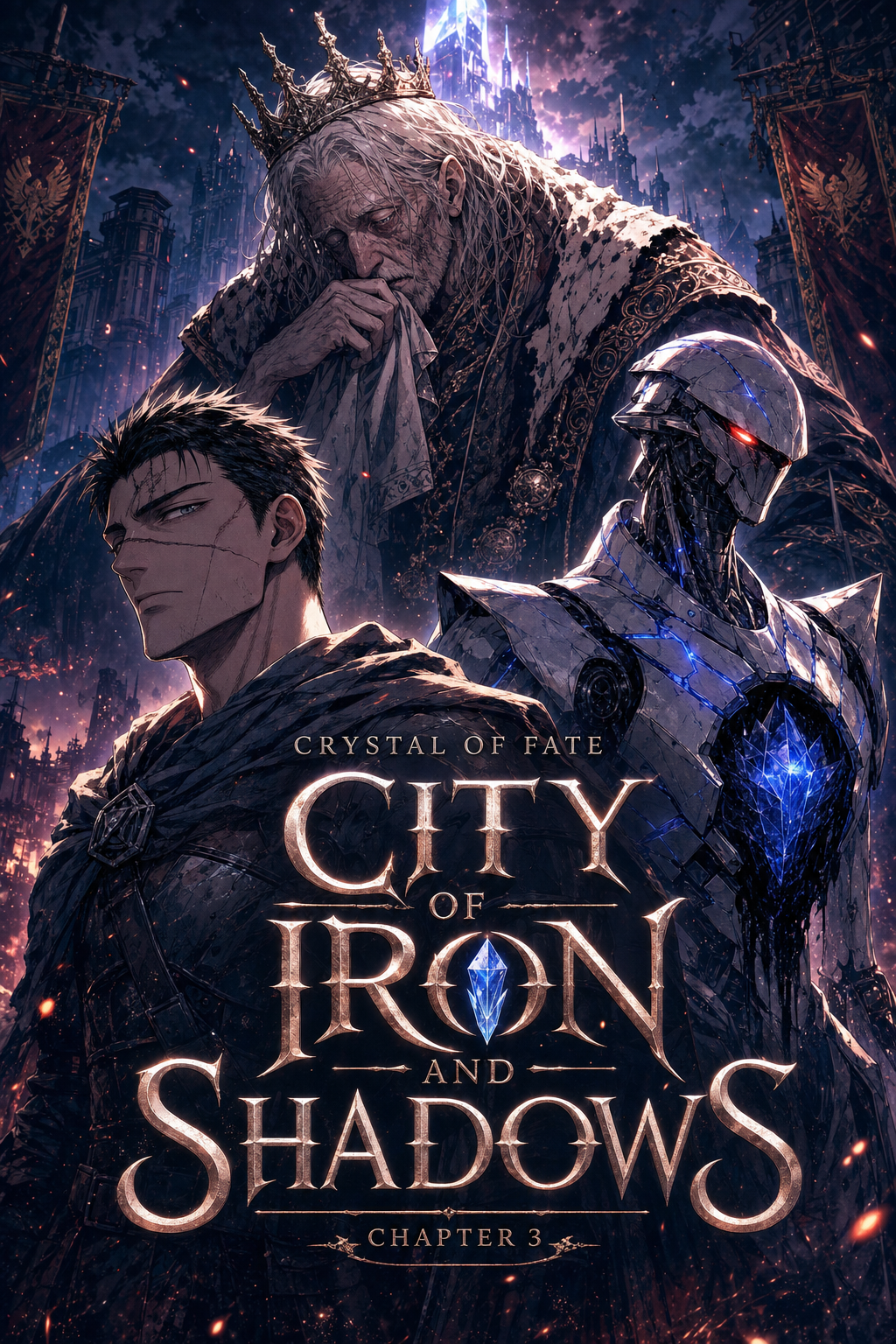
AI Manga Background Artist: Why Structural Continuity Matters for Manga Creators
Consistent environments act as an audience-exclusive anchor, preventing "visual jarring" where readers lose track of where characters are located within a scene or house. Maintaining this continuity requires a disciplined approach to your library of environment assets and set-piece templates.
When building "living spaces" for your series, integrate environmental narrative cues—such as a specific mess on a desk or unique wear patterns on city streets—that reflect the specific story context. If you change the arrangement of a protagonist's apartment across panels without a narrative reason, you lose the trust of the audience.
| Feature | Manual Drawing | Mangaka Generation |
|---|---|---|
| Perspective | Hand-plotted grids | Automated vanishing points |
| Line Fidelity | Requires steady inking | Vector-ready line art |
| Time Investment | 2-4 hours per background | 2-5 minutes per panel |
How Manga Background Art Works with Mangaka
Tools like Mangaka allow creators to bypass manual line art and shading by transforming specific scene descriptions into ready-to-use panels. By automating the tedious rendering of complex architectural details, you gain more "review owner" time to focus on character emotion, expressions, and critical panel composition.
The integration of text-to-panel generation allows you to input exact context, such as "cramped, dimly lit apartment with stacks of manga volumes," and receive output that matches the specific visual language of your genre. Because the tool generates these as distinct layers, you retain full control over the final composition, allowing you to prioritize the source context of your scene while ensuring the output remains compatible with your existing digital canvas.
Workflow Applications for Complex Production
Effective workflows involve layering generated backgrounds with your custom foreground ink to create a seamless delivery format that avoids the "pasted-in" look common in amateur work. By focusing on source context management, you ensure that every panel within a chapter feels part of the same production aesthetic.
- creative brief Library Maintenance: Build a collection of descriptive settings that define your world’s lighting and architectural style. * Base Layer Optimization: Use the output as a rough base to which you add manual screen tones or hand-drawn highlights to emphasize specific story beats. * Panel Integration: Import the generation into your preferred software, ensuring the resolution matches your 600 DPI standard for print or vertical comic platforms-specific vertical layouts.
Advanced users utilize these outputs as a base layer, applying manual screen tones or custom effects to align the final output with their unique artistic style. If you are producing a 50-panel chapter, using a consistent seed or creative brief set across the entire sequence guarantees that the "feel" of your world remains static, even when the camera angle shifts.
- Chapter cadence. Use the AI pass for pages where speed matters most, such as repeated action poses, transformation beats, or dense speed-line panels. Keep manual cleanup for hero panels where the line style defines the emotional peak.
- Character continuity. Compare the generated lines against the same model sheet, costume notes, and facial-expression range used during sketching. This prevents a fast inking pass from drifting away from the character identity readers recognize.
- Export readiness. Check whether the final manga output can move into lettering, coloring, or final layout without rebuilding panel borders or speech-bubble space. A good manga workflow should save time while keeping the next production step predictable.
Essential Strategies for AI-Assisted Environment Design
Can AI-generated backgrounds match traditional hand-drawn styles? Yes, by using style-specific creative briefs and post-generation filtering, AI outputs can be seamlessly blended with traditional ink, provided the user exercises control over the final line-art quality.
Creative Decisions and Export Quality
Creative Decisions and Export Quality. How do you maintain consistent lighting across multiple background panels? Modern tools use fixed reference points and scene-specific descriptors to ensure that shadows and highlights remain uniform across a sequence. If a light source is established in the first panel, define that source in every subsequent creative brief to maintain visual coherence throughout the scene.
Is using AI-generated art acceptable in the manga industry? Many independent creators and vertical comic platforms studios are now adopting these methods to handle labor-intensive background filling, allowing them to focus their limited time on high-impact story moments and complex character acting. This shift represents a professional evolution rather than a replacement of the creator's voice.
Creators should compare the generated line art with the original sketch and confirm that facial expressions, props, speed lines, and speech-bubble space still support the scene. A repeatable review pass should cover character consistency, panel readability, background clarity, and whether the final file is ready for coloring, lettering, or editor feedback.
Workflow Fit and Review Needs
Creators should save approved examples of line weight, face detail, clothing folds, and background density. Those references keep later chapters closer to the intended style. For collaboration, creators should mark which panels are final and which panels still need redraws. Clear status labels prevent an assistant, editor, or colorist from polishing the wrong version.
Creators can evaluate the output when they need the product path tied directly to review, refinement, and export. A real test should use the same sketch, character goal, or panel sequence that would otherwise need manual cleanup after generation. For further experimentation.
Creators can evaluate manga background art with Mangaka mid-workflow when they need the product path tied directly to review, refinement, and export. A real test should use the same sketch, character goal, or panel sequence that would otherwise need manual cleanup after generation.
The Bottom Line
Mastering environments no longer requires years of technical perspective training thanks to advancements in generative technology. By automating environment design, creators can achieve professional, high-fidelity results while reclaiming time for their core narrative work. The key to professional manga production today is not manual labor, but the strategic management of digital assets and AI tools. Get started with Mangaka and streamline your background art creation .
Related articles
Mastering Your Manga Background: A Guide for 2026
What Is a 4-Koma Strip? A Guide to the Manga Gag Format 2026
Use Our AI Manga Storyboard Builder to Plan Your Pages 2026