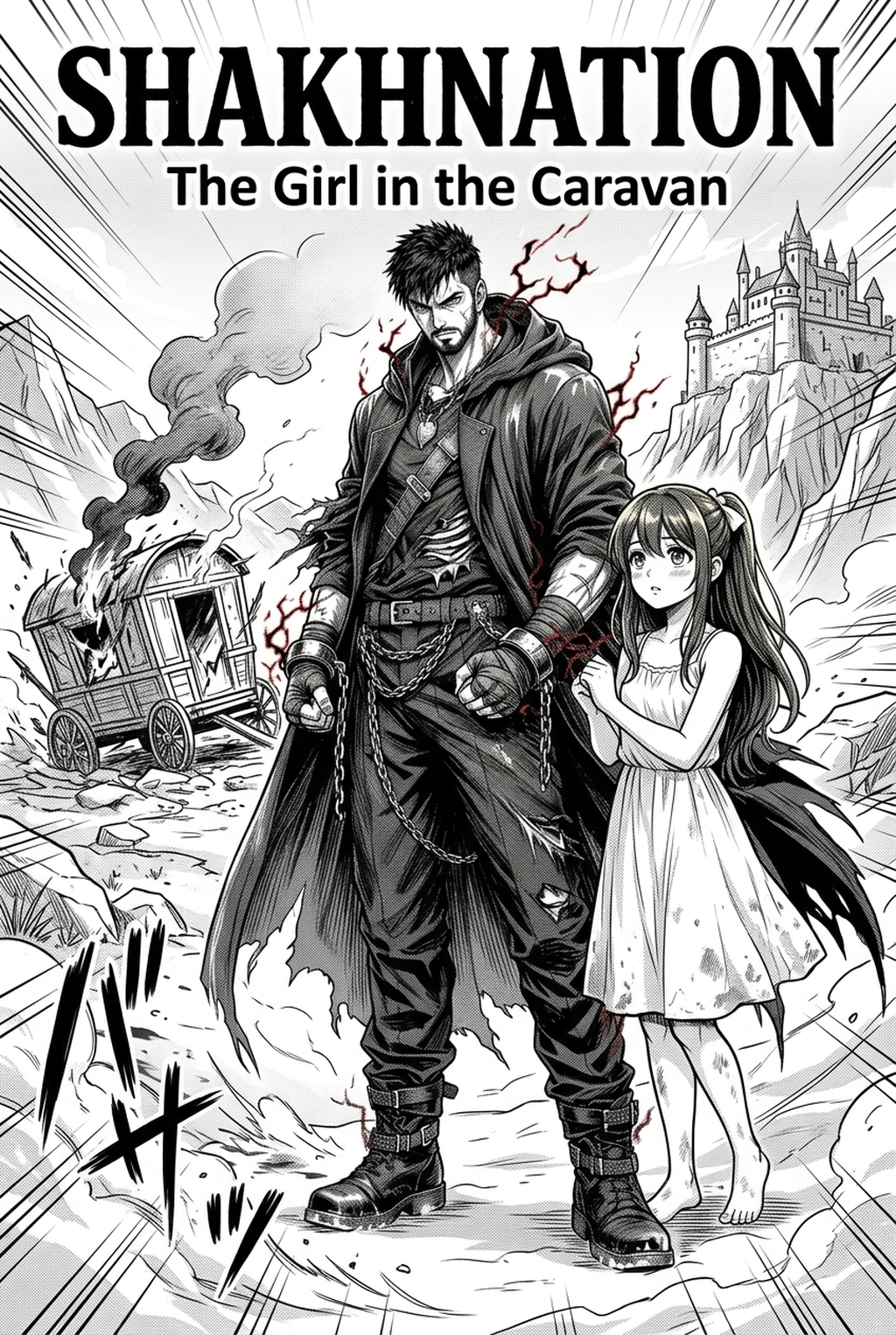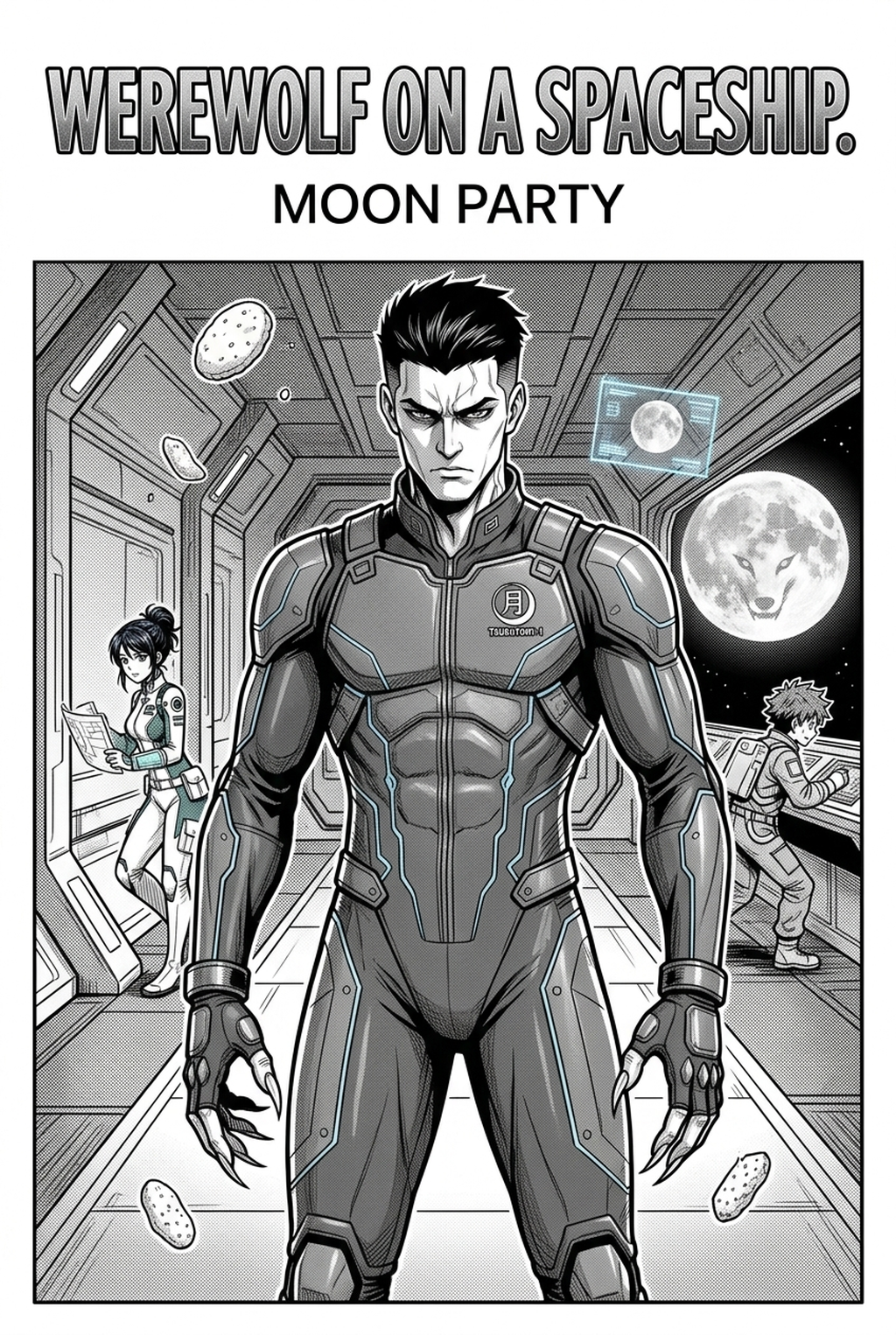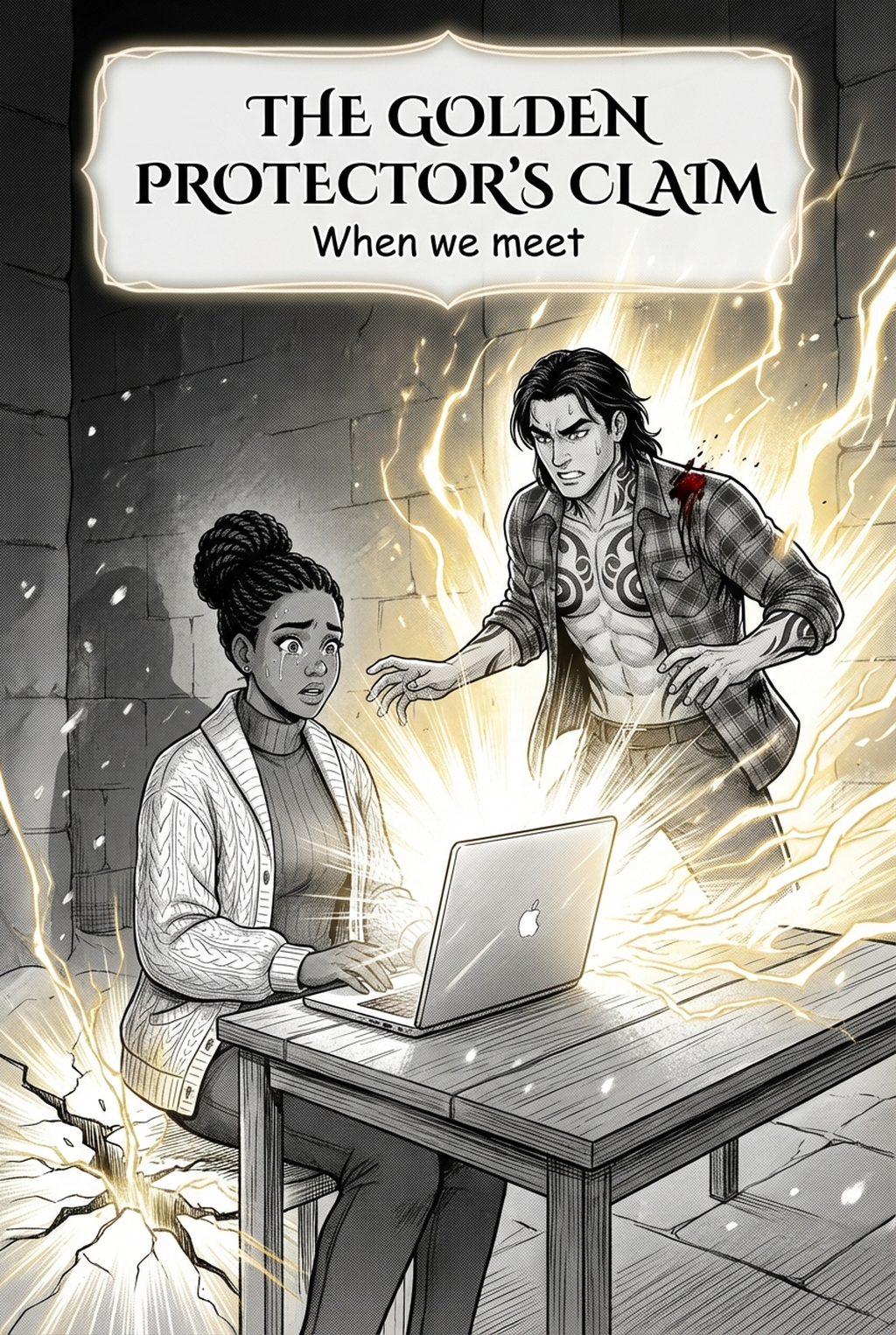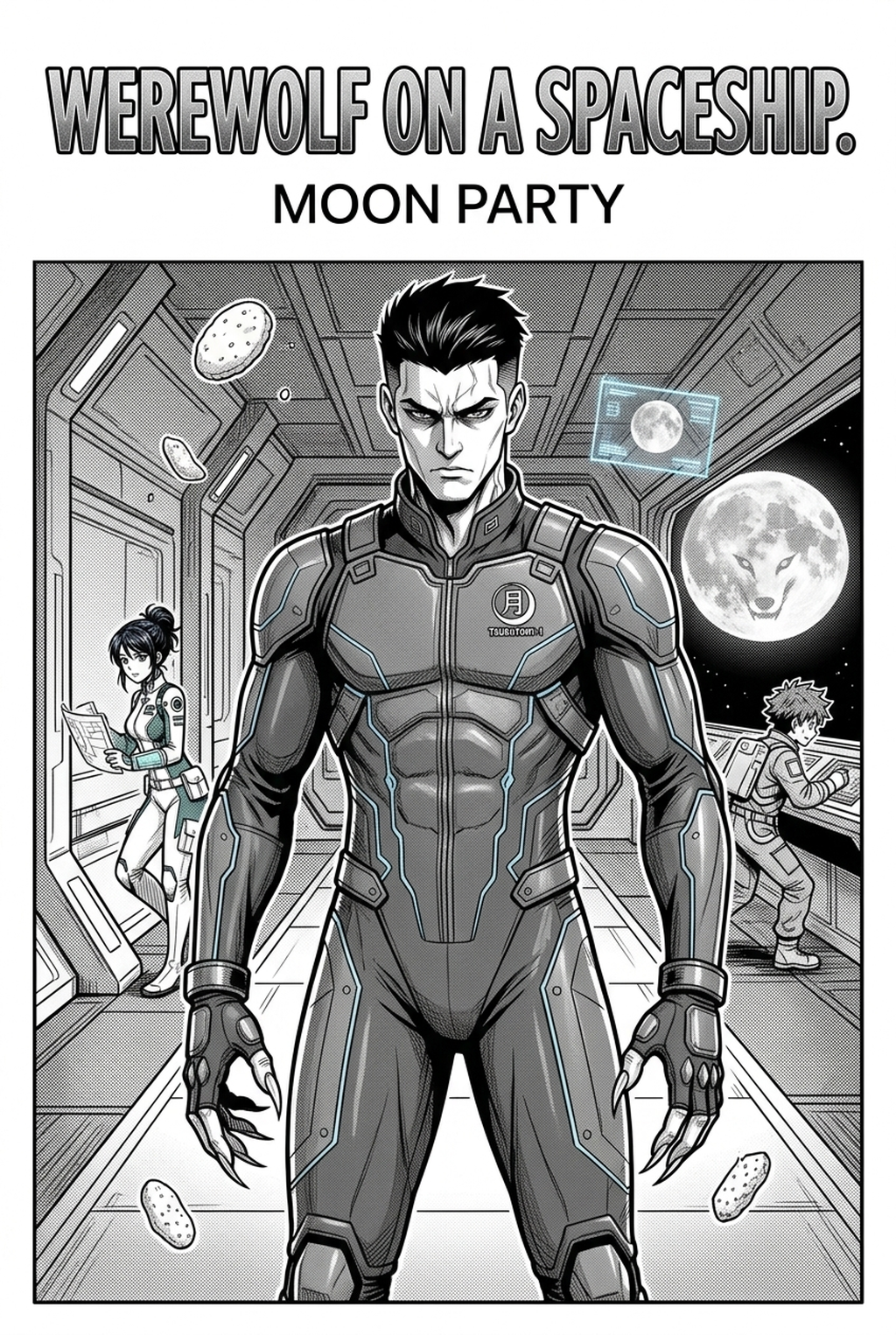
AI Manga Background Artist: Why Structural Environment Design Matters
Backgrounds act as a silent narrator, dictating the atmospheric tension of a chapter through the strategic management of negative space. In a high-stakes Shonen battle, overly dense line work can unintentionally slow the "read speed" of a panel, effectively stalling the pacing of a fight sequence that should feel visceral and fast.
Effective creators use architecture to control the emotional "temperature" of a scene. A sprawling, empty rural landscape with minimal architectural detail emphasizes isolation or melancholy, whereas a crowded urban market panel forces the reader to slow down, absorbing the cultural setting through sensory clutter. If you neglect the negative space management within your background layouts, your pages become visually "noisy," leading to rapid reader fatigue during long-form consumption.
Automating Environmental Drafts with Mangaka
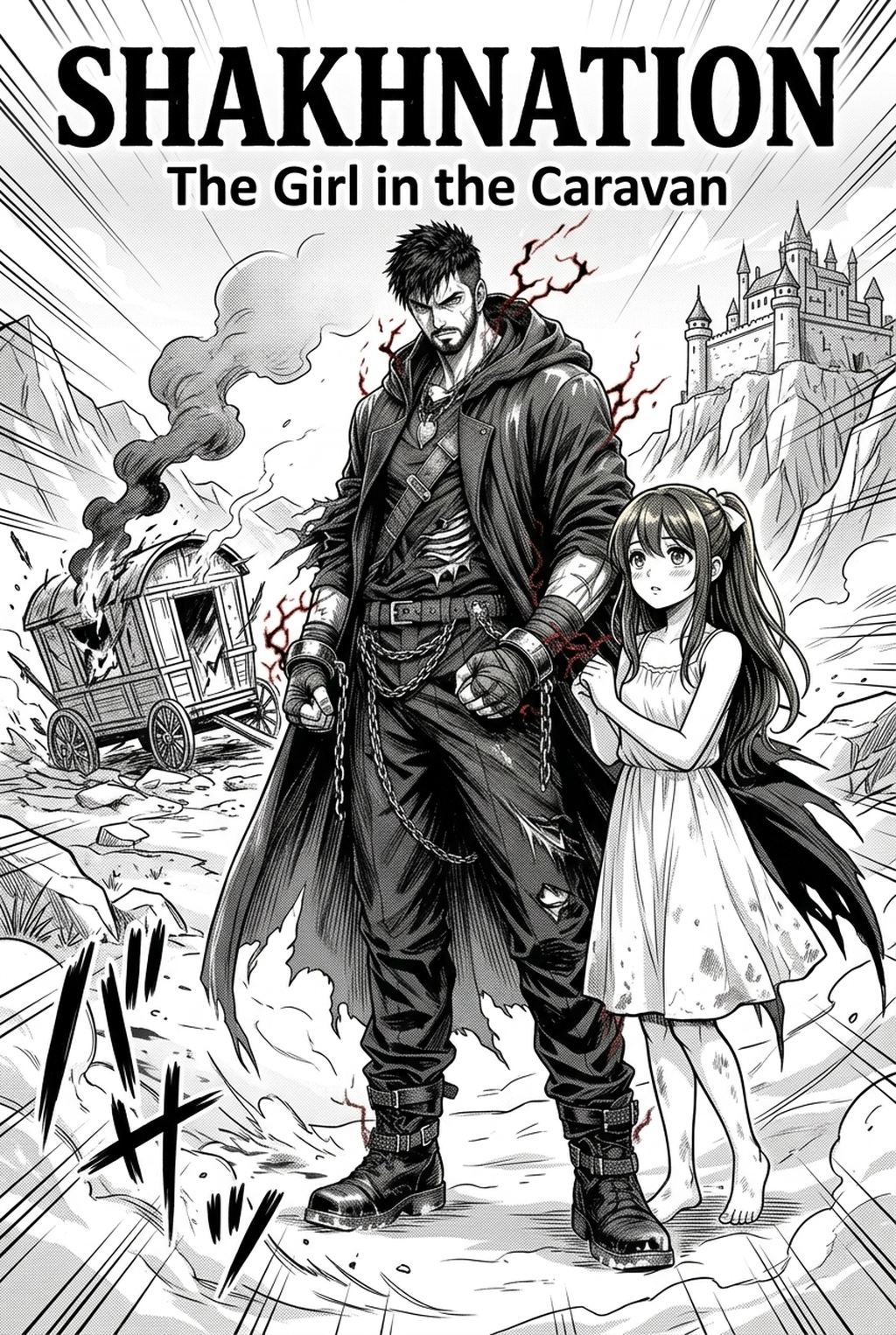
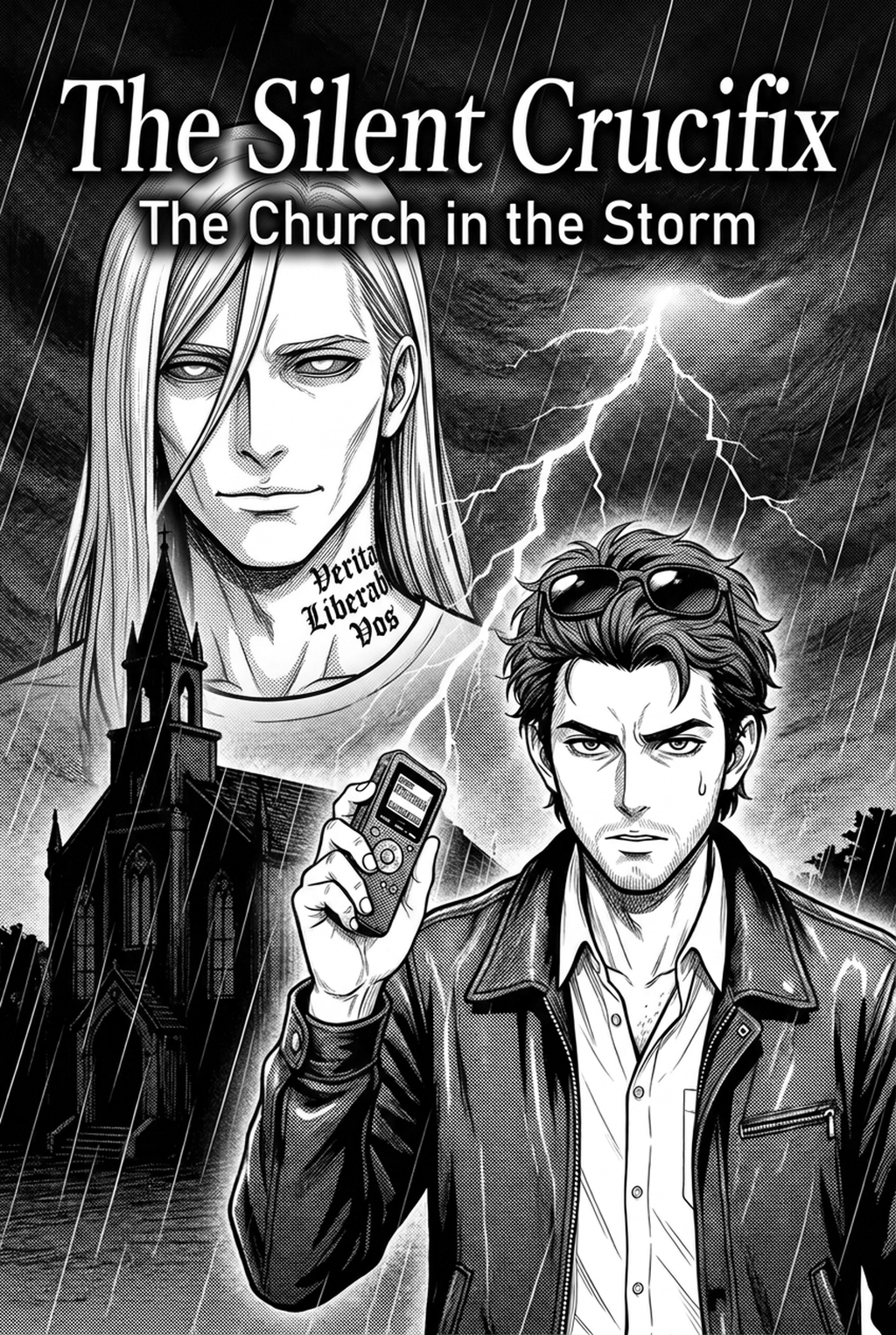
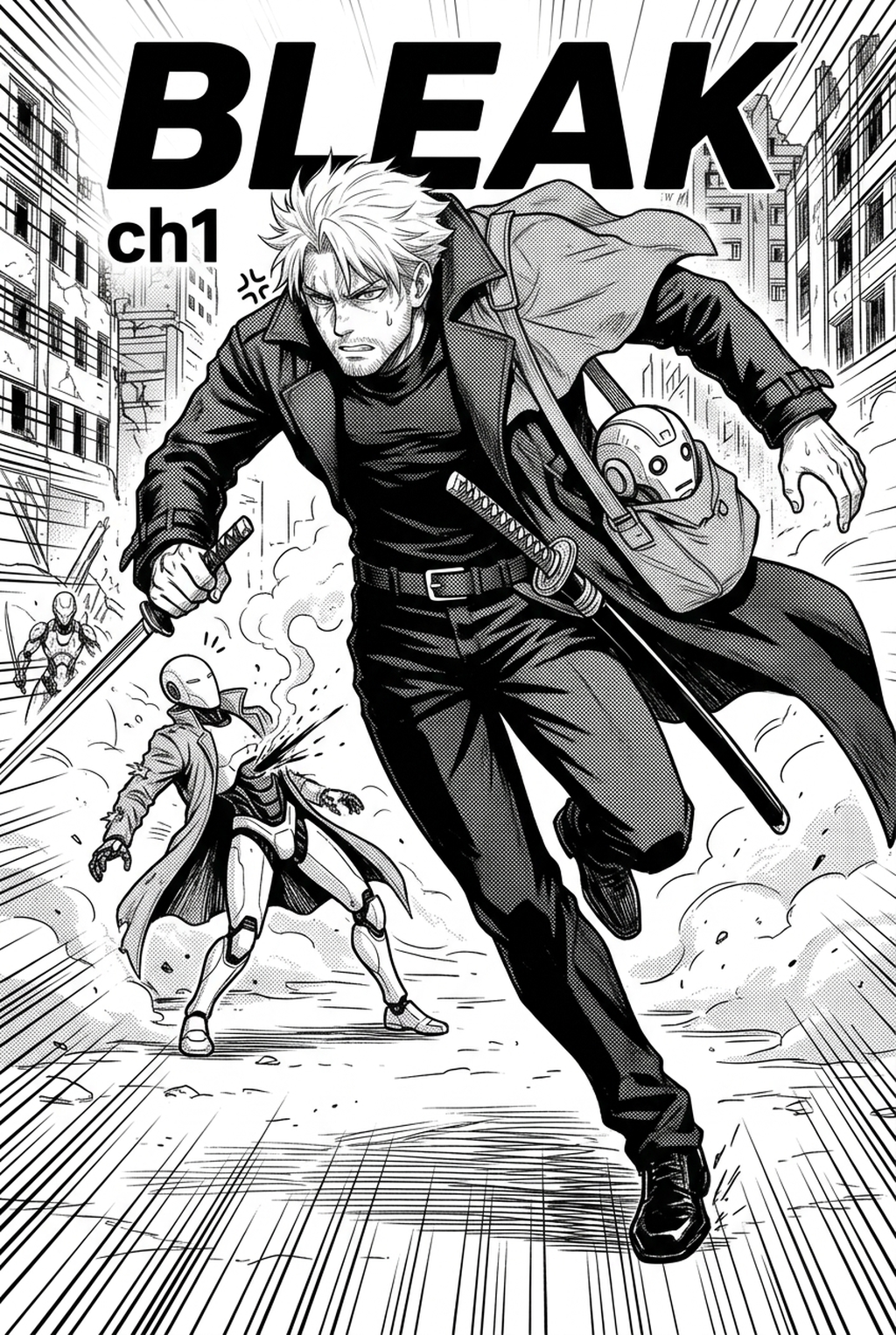
AI-driven generation tools like manga background art with Mangaka enable you to input descriptive text descriptions and receive high-fidelity, perspective-accurate line art without manual sketching. This technology removes the need for laborious photo-bashing or repetitive perspective-grid construction, allowing you to reallocate your limited time to critical plot beats and emotional dialogue.
Unlike static asset packs or generic architectural stock, contextual generation ensures the environment is rendered to fit your specific light source and camera angle. If you need a rainy Tokyo alleyway at night, the system generates the lines to match the existing perspective of your character, preventing the common "mismatched tilt" failure that frequently occurs when manual assets are forced into a scene.
- Customizable Geometry: You control the architectural style—from traditional historical Japanese teahouses to futuristic sci-fi cityscapes—by tweaking your descriptive scene parameters. * Line-Art Fidelity: The outputs are rendered with traditional pen-and-ink aesthetics, providing a "hybrid" base that harmonizes instantly with your manual character line work. * Workflow Integration: Export your generated panels as high-resolution files, ready for immediate screentoning or color application within your existing creative environment.
Implementation Scenarios for Background Generation, a Worm's-Eye View Looking Up at a Shinto Shrine), Focus on Architectural Language Rather Than Broad Concepts. By Narrowing Your Creative Briefs, You Ensure the AI Output Aligns with Your Established Character Design. This Keeps the Review Focused on Story Intent, Line Weight, Panel Readability, and the Export Quality Behind the Final AI Manga Background Artist Output.
A creator developing a 20-page chapter might identify five recurring room types. Instead of manually redrawing the same library interior for every panel, they input specific lighting values and "mood modifiers" to generate variations that match the scene's emotional shift from day to night. Once exported, you can adjust the line weights during your post-production review, ensuring the background doesn't "smudge" the visual clarity of the character’s silhouette. This systematic approach effectively treats background generation like a balance sheet, keeping your art production in check without sacrificing the quality of your visual narrative.
Getting Started with AI-Assisted Design
Creators often wonder if these tools compromise their artistic status or the authenticity of the final page. It is helpful to remember that professional manga studios have relied on specialized assistants and digital labor-saving tools for decades; AI is simply the most efficient tool currently available to streamline your technical overhead. Creative Brief and Source Input.
- Visual Authenticity: Modern models are specifically tuned to output traditional line art that mimics ink pens and screen tones, making the finished result indistinguishable from hand-drawn work. * Commercial Security: Mangaka is designed for professional use, ensuring that creators maintain the necessary rights to use generated assets in published, serialized content. * Creator Empowerment: By automating the most tedious aspects of architectural perspective, you gain the ability to maintain a serialized, high-quality output pace that was previously only achievable for artists with massive studio budgets.
Creators should compare the generated line art with the original sketch and confirm that facial expressions, props, speed lines, and speech-bubble space still support the scene. A repeatable review pass should cover character consistency, panel readability, background clarity, and whether the final file is ready for coloring, lettering, or editor feedback. For longer projects, creators should save approved examples of line weight, face detail, clothing folds, and background density. Those references keep later chapters closer to the intended style.
- Before Export. Creators should compare the generated line art with the original sketch and confirm that facial expressions, props, speed lines, and speech-bubble space still support the scene. A repeatable review pass should cover character consistency, panel readability, background clarity, and whether the final file is ready for coloring, lettering, or editor feedback.
- For Longer Projects. Creators should save approved examples of line weight, face detail, clothing folds, and background density. Those references keep later chapters closer to the intended style. For collaboration, creators should mark which panels are final and which panels still need redraws. Clear status labels prevent an assistant, editor, or colorist from polishing the wrong version.
- For Publishing. Creators should review the page at the actual reading size before export. Small screens expose crowded dialogue, weak silhouettes, and line details that looked fine while zoomed in. This keeps the review focused on story intent, line weight, panel readability, and the export quality behind the final AI Manga Background Artist output.
The Bottom Line
AI-assisted workflow is the foundation of immersive storytelling, but it no longer requires a studio of assistants or months of manual perspective drafting to achieve professional results. By adopting an AI-assisted workflow, you regain the freedom to focus on your characters and narrative arcs, keeping your production schedule on track while maintaining high visual standards. You can begin generating professional-grade environments for your next chapter by heading over to the AI Manga Background Artist workflow today.
Related articles
Streamline Your Manga Storyboard Creation with Mangaka 2026
Manga Storyboard: Draft Not Generated 2026 Guide Manga Guide
Manga Storyboard Guide: How to Map Out Your First Chapter