What Is Manga Background Design?
Effective environment creation requires a precise balance between geometric accuracy and the atmospheric "kage" or tone depth that sets the story's mood. You are not just drawing walls and windows; you are building the physical stage that dictates how your reader interprets the scale of a combat scene or the intimacy of a dialogue panel.
- Geometric Perspective: Using vanishing points to guide the viewer’s eye toward your focal point, typically the protagonist or the central action. * Tone and Texture Depth: Applying screen-tone density to distinguish foreground obstacles from distant horizons, which prevents the flat, two-dimensional look often found in amateur layouts. * Line Weight Hierarchy: Ensuring the thickness of your architectural ink lines is slightly thinner than the character's outer silhouette to maintain visual hierarchy without sacrificing detail.
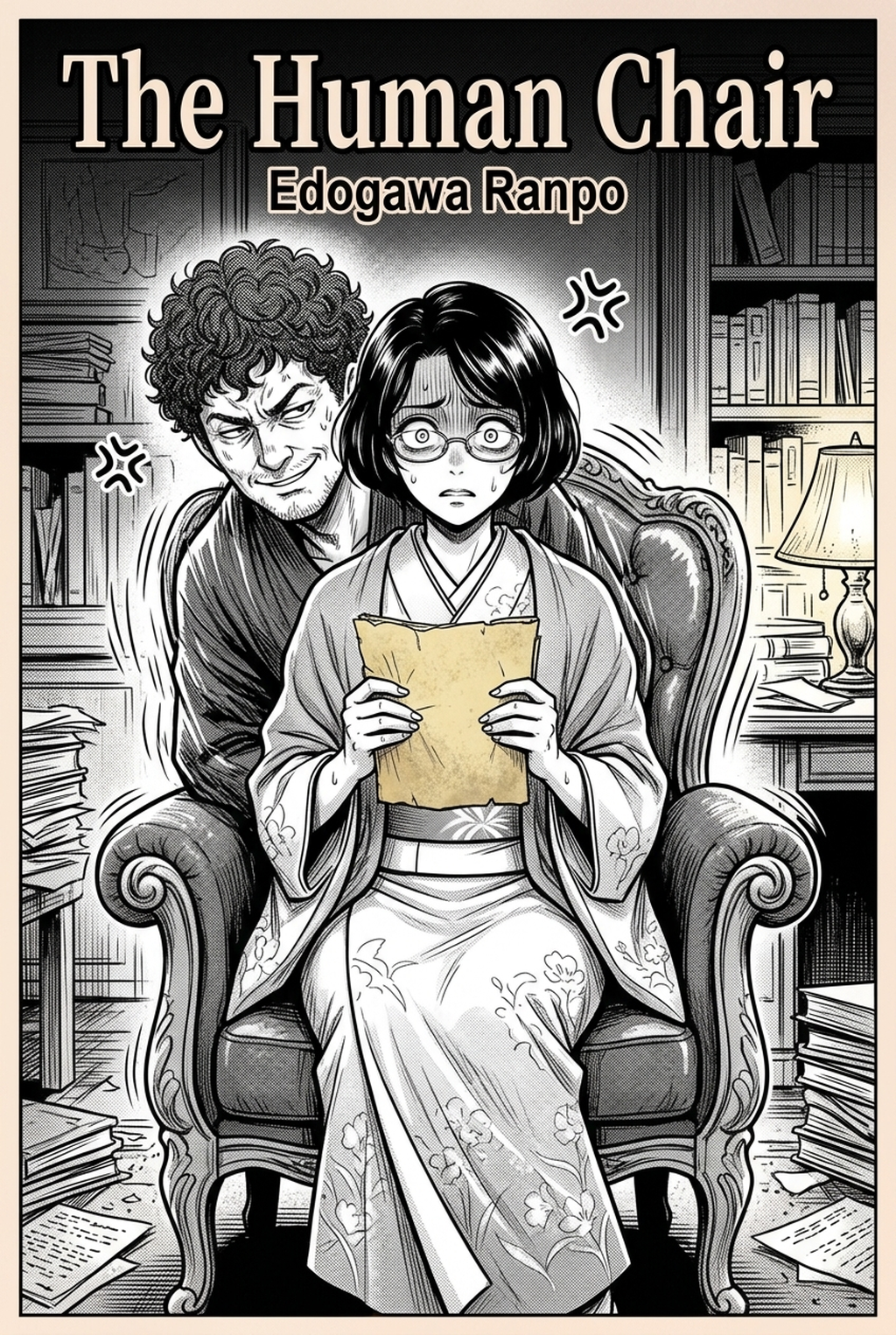
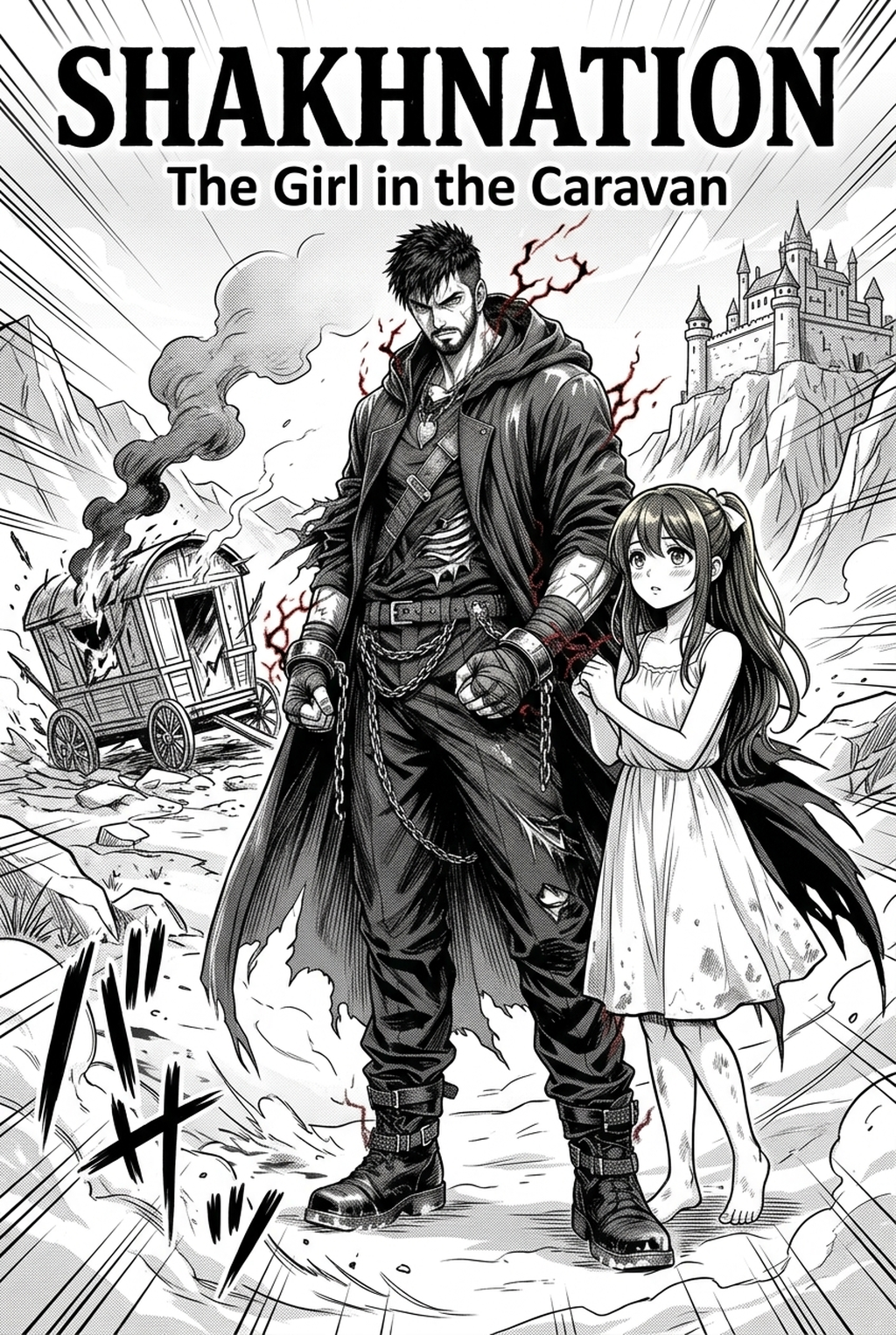
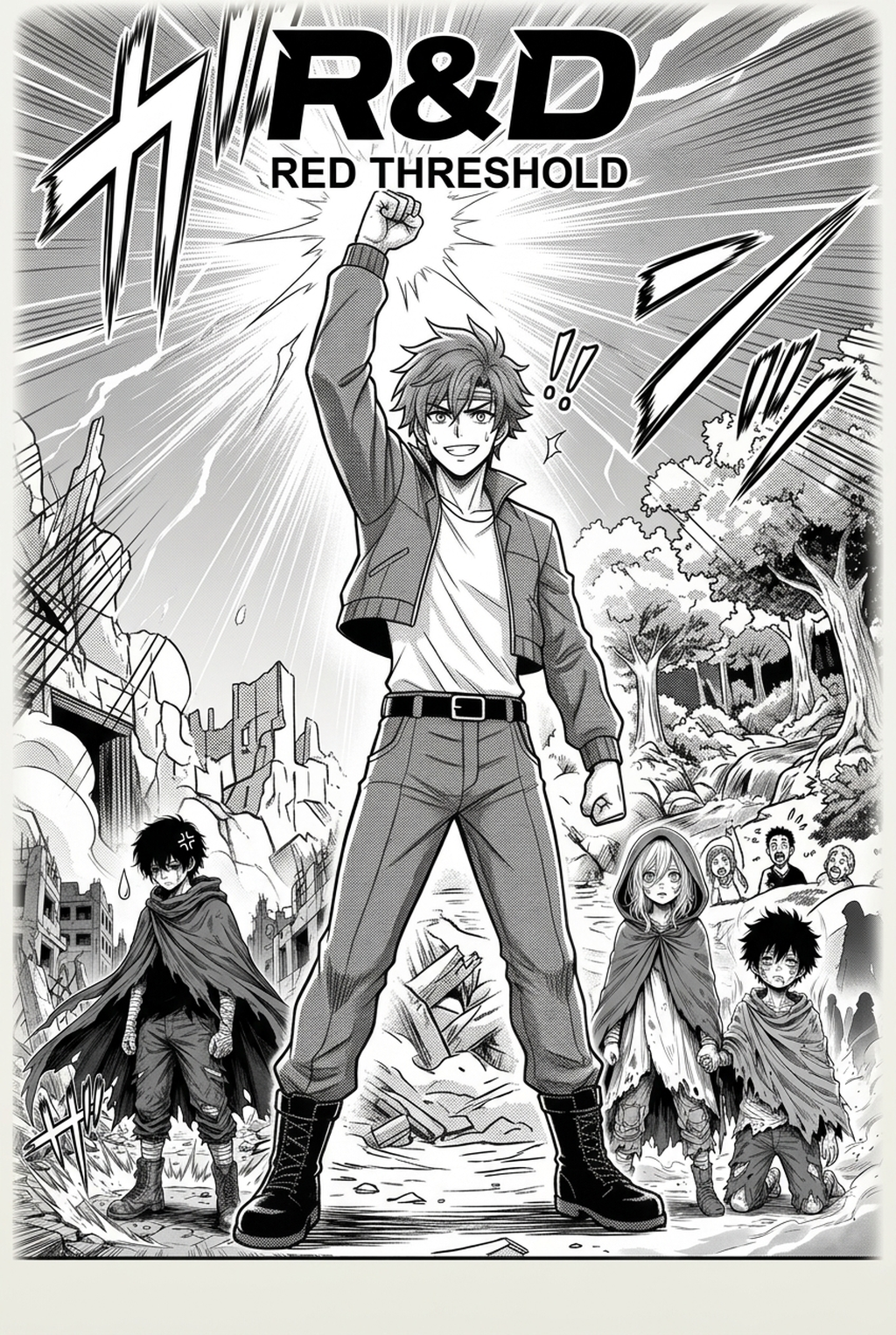
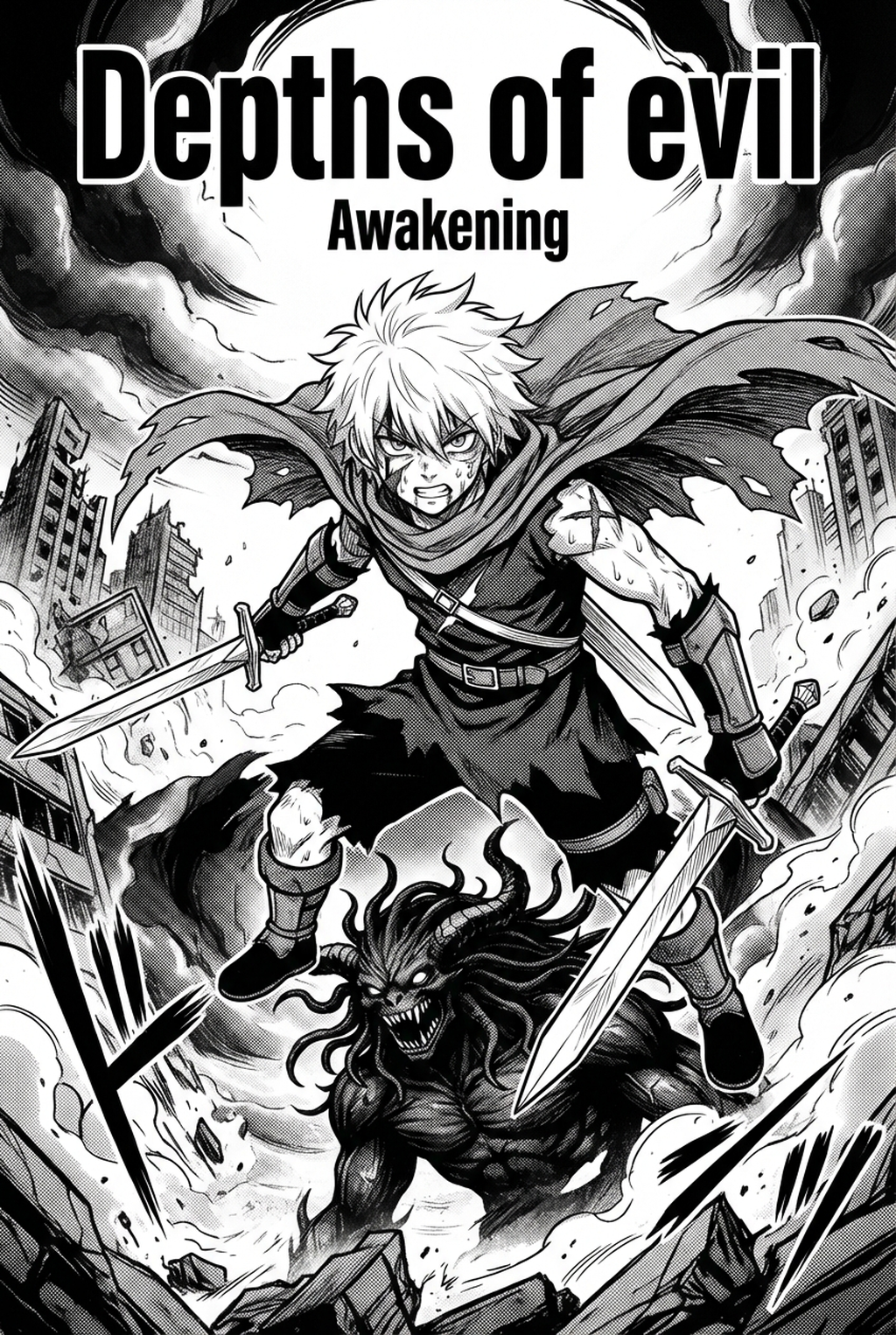
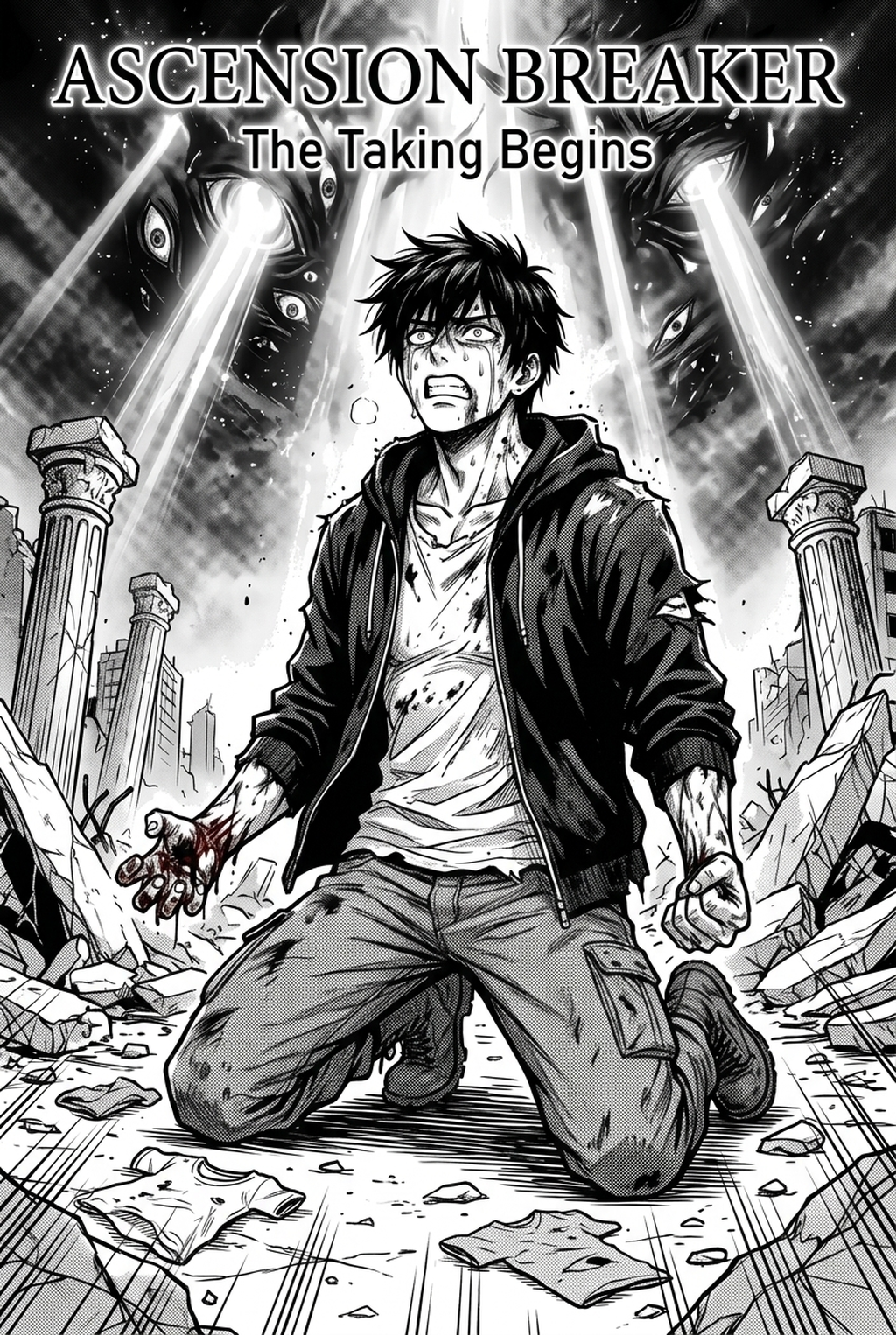
- Shonen Requirements: Focus on high-impact, distorted perspectives that amplify the velocity of kinetic combat panels. The scenery should be fractured or collapsing to mirror the intensity of the struggle. * Seinen Requirements: Emphasize dense, realistic textures and architectural heritage. Detailed brickwork, weathered signage, and complex piping build the psychological weight necessary for mature, slow-burn narratives.
Why AI Manga Background Artist Matters for Manga Creators
Backgrounds function as your "second character," establishing the temporal and emotional stakes for the reader on every page. Neglecting the consistency of your environment—such as changing the number of windows on a building across two panels—breaks the reader's immersion and signals a lack of professional polish in a serialized volume. Using wide-shot establishment panels allows you to control the speed of the narrative, providing a momentary pause for the reader before diving back into the rapid-fire action of character-heavy panels. Conversely, over-detailing every background element in a conversation sequence will inevitably lead to eye fatigue and diminish the impact of your important character expressions.
How Manga Background Design Works with Mangaka
Creators often spend hours plotting perspective grids for complex cityscapes, only to have the final inking look stiff or artificial. manga background design streamlines this production process by generating high-fidelity base plates from descriptive scene briefs, which eliminates the need to draw every architectural component from scratch. Integrating Automated Layouts.
- Composition-Heavy Generation: Start by generating a base plate that captures the desired camera angle and lighting source, then treat this output as a reference or tracing layer for your final manual inking. * Lighting Alignment: Use your scene description to specify light sources that match the character's existing shadows, ensuring the character and environment don't look like they occupy two different worlds. * Reference Layer Fidelity: If you struggle with the time-intensive task of drawing intricate historical buildings, use these outputs as a structural foundation. You can then add your signature style and line-weight preferences directly over the base, effectively cutting your "ink time" by 60% without losing creative control.
Use Cases for AI Manga Background Artist
Avoiding visual flatness is the primary challenge when working with digital aids. Even with automated assistance, you must ensure your background follows a coherent horizon line that matches the perspective of your characters to keep the reader grounded in the space.
- Foreground versus Background: Keep the detail in the far background sparse to push it away from the reader, ensuring the characters remain the clear focal point of every panel. * Avoiding the Cut-Out Effect: Mismatched line-art thickness is the most common error in hybrid workflows; always normalize the line weight of your background assets to ensure they harmonize with your manual character inks. * Panel Pacing: Use high-detail, "hero" backgrounds only for transition panels or major narrative beats, while keeping action-oriented panels focused on simple, high-impact environmental shapes.
- Chapter cadence. Use the AI pass for pages where speed matters most, such as repeated action poses, transformation beats, or dense speed-line panels. Keep manual cleanup for hero panels where the line style defines the emotional peak.
- Character continuity. Compare the generated lines against the same model sheet, costume notes, and facial-expression range used during sketching. This prevents a fast inking pass from drifting away from the character identity readers recognize.
- Export readiness. Check whether the final manga output can move into lettering, coloring, or final layout without rebuilding panel borders or speech-bubble space. A good manga workflow should save time while keeping the next production step predictable.
How to Get Started with Mangaka
Many creators worry that using tools for perspective will compromise their artistic authenticity, yet it serves the same function as using physical 3D wood models or photo references to ensure accuracy. Modern platforms are designed to adapt to your unique style, allowing you to fine-tune the output so it mimics traditional ink and screen-tone techniques rather than looking like generic digital renderings.
- Period and Style Control: When generating historical or futuristic structures, refine your scene descriptions with period-specific architectural tags and material textures to achieve high visual fidelity. * Style Matching: Use style descriptors to ensure the line-work density and cross-hatching patterns of the output match the personal pen-pressure habits you use for character design. * Workflow Efficiency: The goal of using these tools is to free up your schedule so you can focus on the emotional core of your storytelling rather than the repetitive drafting of background architecture.
Creators should compare the generated line art with the original sketch and confirm that facial expressions, props, speed lines, and speech-bubble space still support the scene. A repeatable review pass should cover character consistency, panel readability, background clarity, and whether the final file is ready for coloring, lettering, or editor feedback.
The Bottom Line
creator workflow is evolving toward a hybrid model that emphasizes creative direction over the manual, repetitive drafting of architectural structures. By leveraging professional tools to automate the technical heavy lifting, you can maintain a high-frequency publication schedule without sacrificing the visual depth of your world-building. Elevate your page production by using manga background design and see how quickly your environment creation workflow can become a seamless, efficient part of your storytelling process.