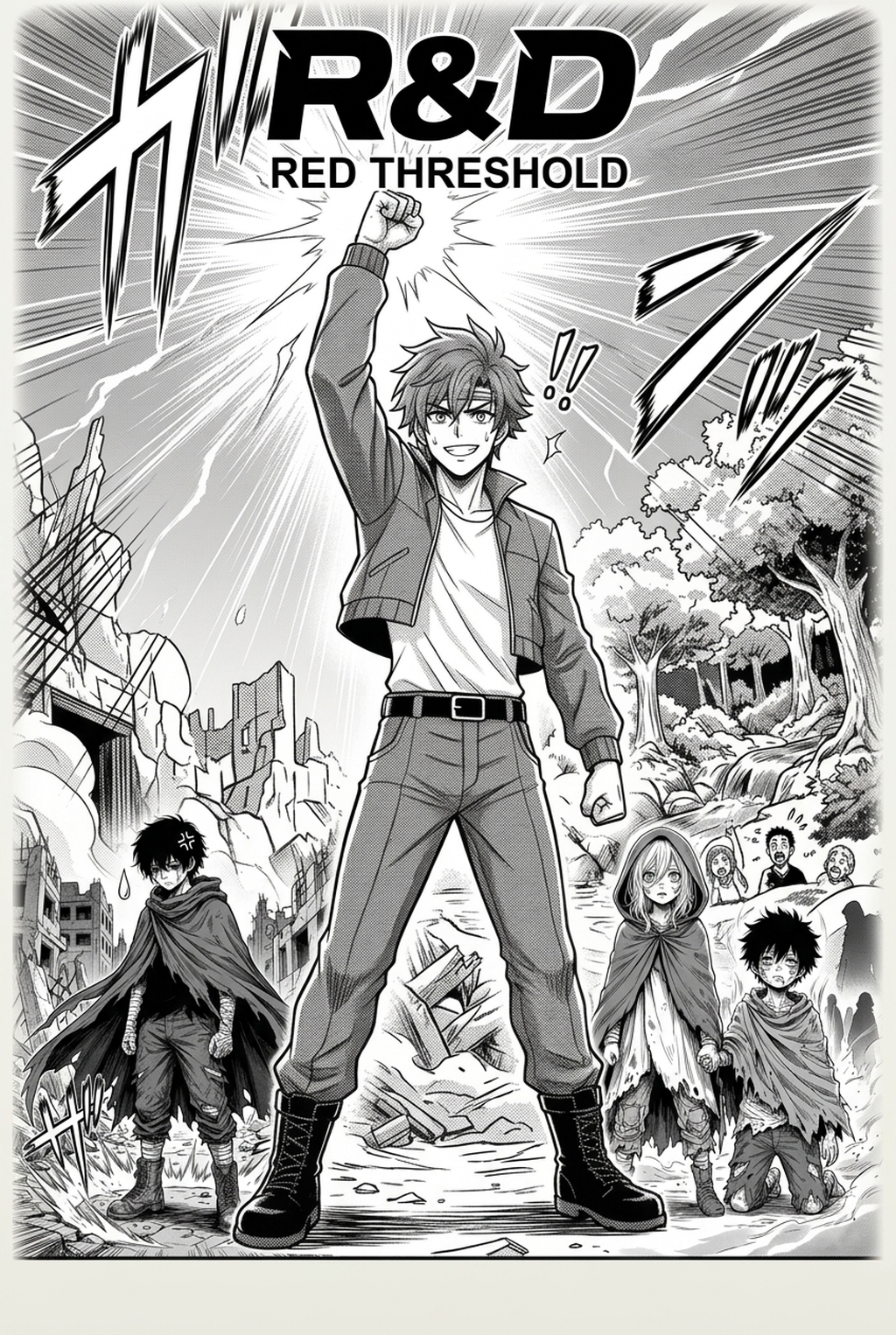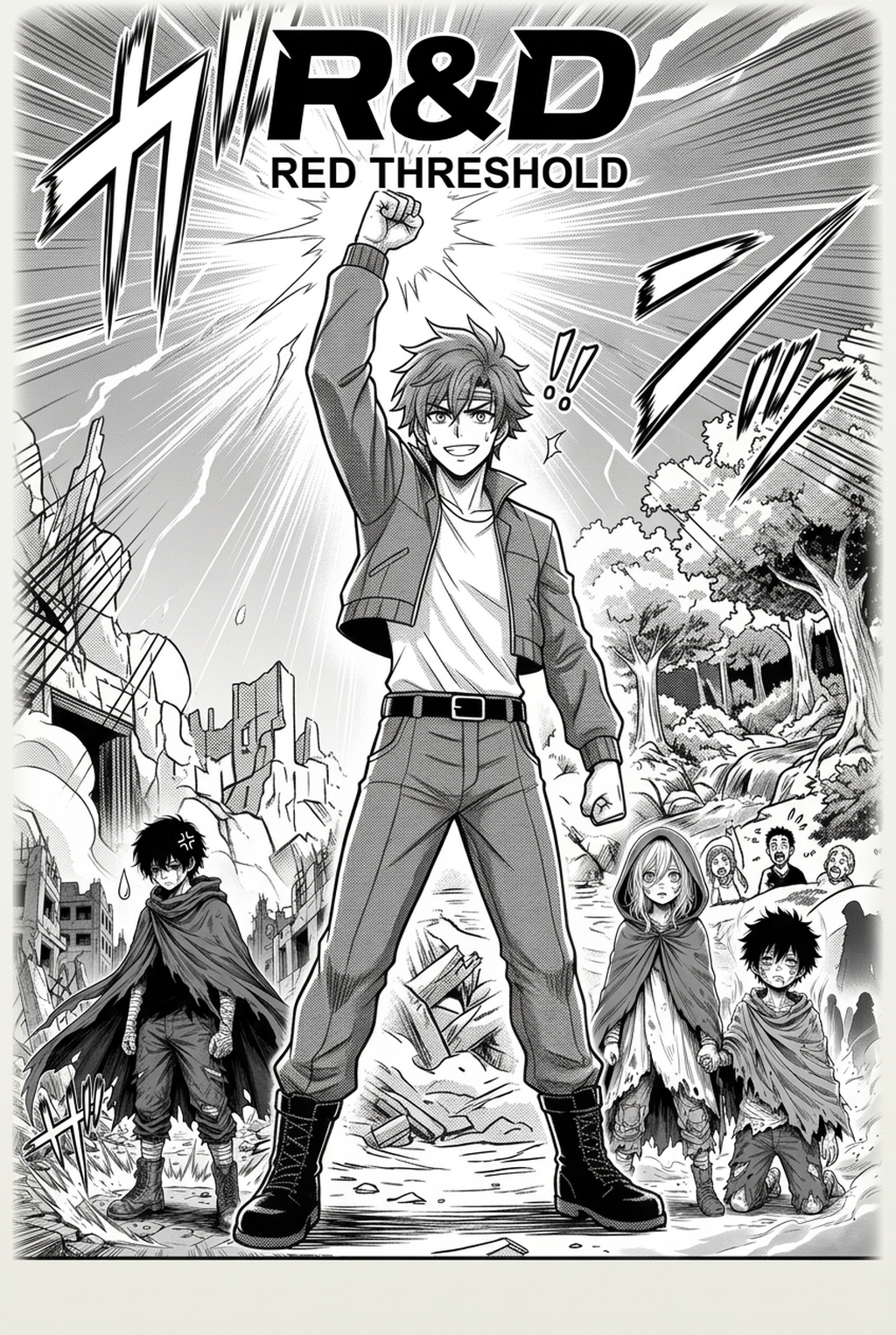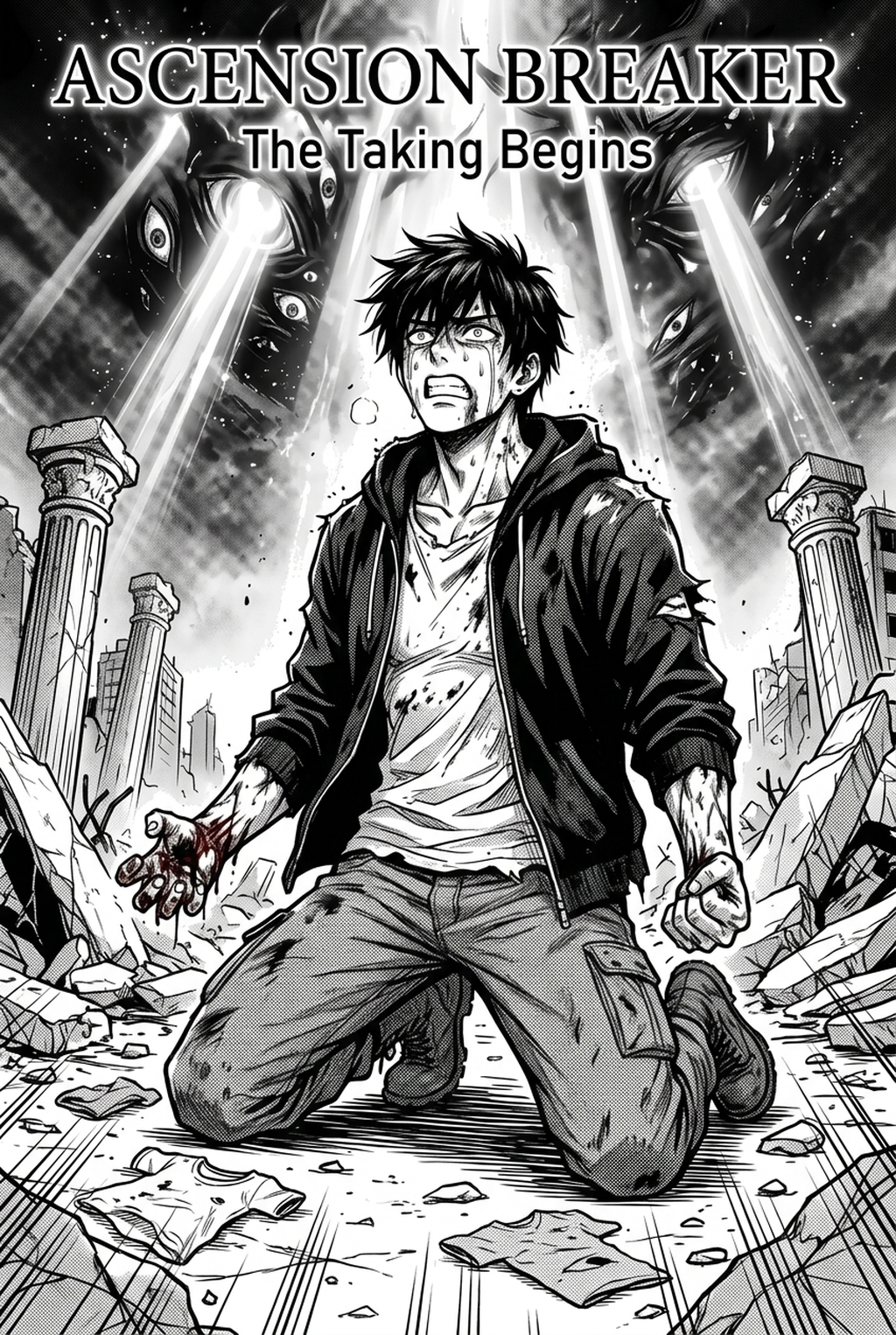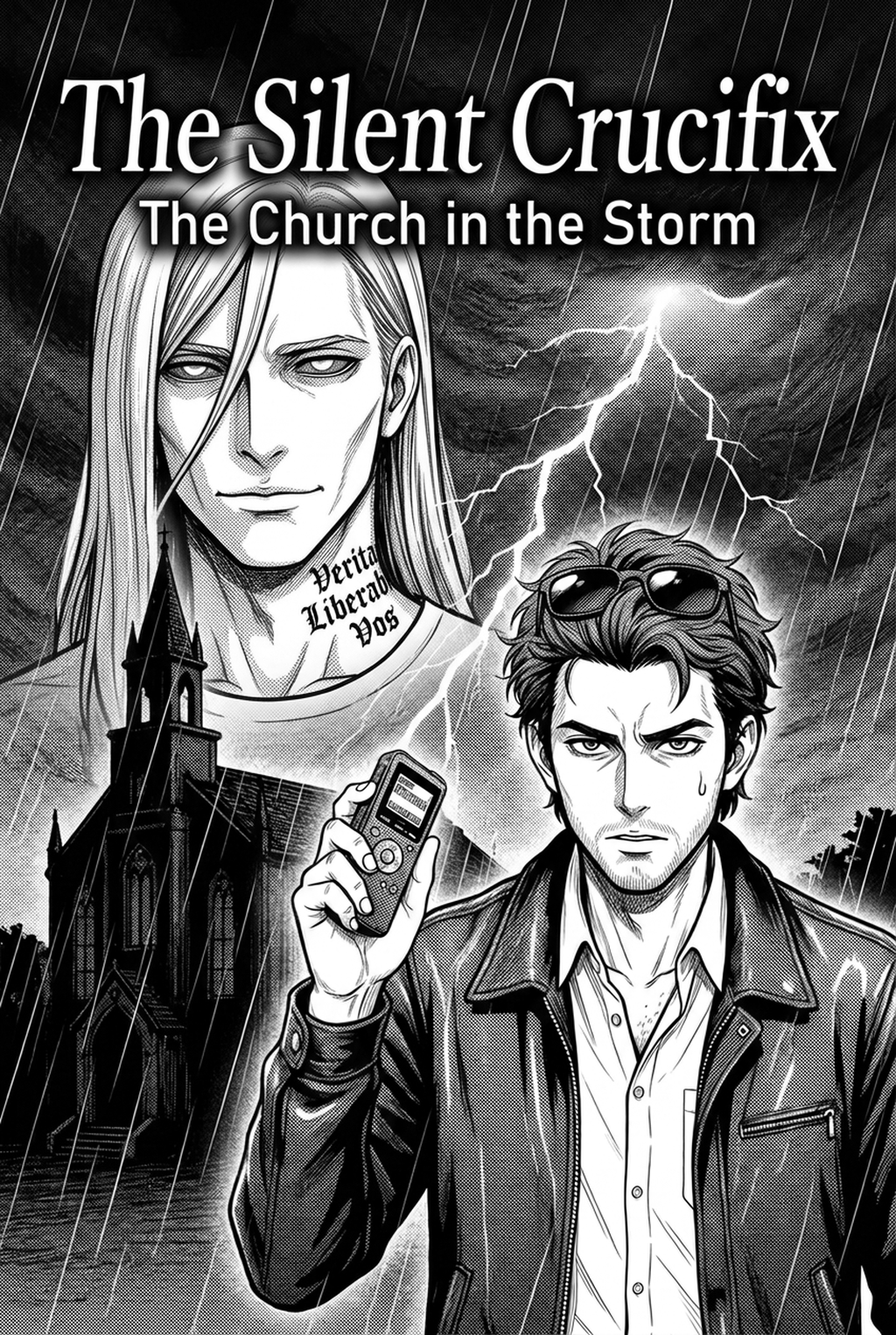
Understanding Spatial Depth Mechanics
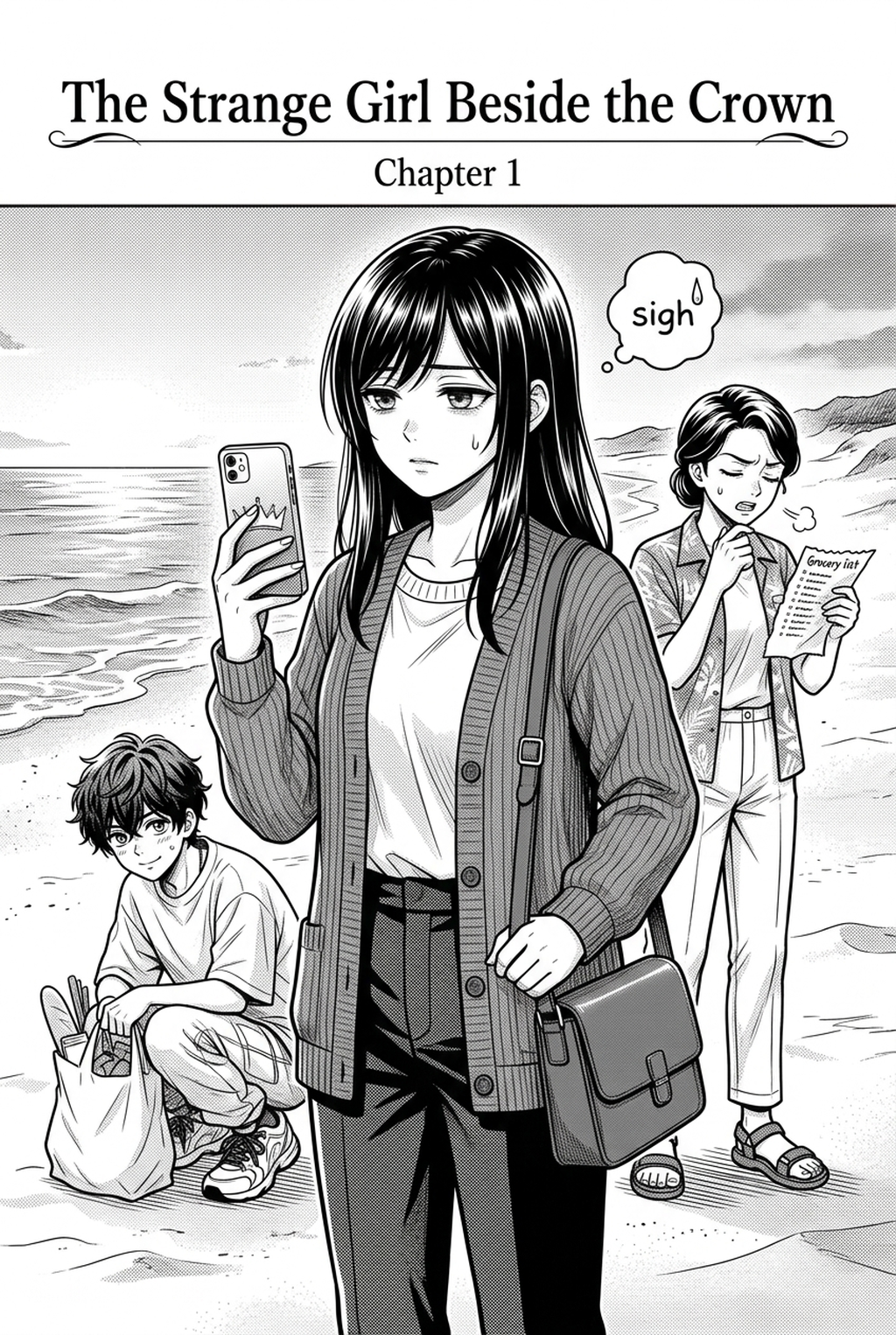
Manga background perspective relies on the consistent application of one-point, two-point, and three-point systems to establish a clear relationship between the viewer and the environment. These systems are not merely aesthetic choices but technical foundations that prevent architectural distortion during your inking phase.
The horizon line serves as the anchor for every object in your scene, representing the artist's eye level regardless of whether you are drafting a cramped apartment interior or a sprawling cityscape. Integrating vanishing points correctly ensures that every parallel line in your panel converges toward a single location, which effectively mimics the natural optical behavior of the human eye.
When characters fail to align with the source context of their environment, the resulting visual jitter makes the scene appear disjointed or amateur. Proper depth calculation requires you to place the character's feet firmly on the ground plane, verifying that the scale of surrounding objects—such as desks, doors, or streetlamps—remains mathematically consistent across different zoom levels and focal lengths.
Impact on Narrative Immersion
Precise spatial orientation serves as the silent guide for the reader's eye, directing focus toward essential narrative beats while establishing the intended mood of a sequence. When the architecture is handled with consistency, the reader remains anchored in the story; when it fluctuates due to poor construction, they are immediately pulled out by the realization that the setting is unstable.
In professional-grade production, background scenes distinguish high-quality independent manga from drafts that lack structural integrity. By maintaining a unified perspective across your page layout, you ensure that high-action sequences feel dynamic rather than confusing, signaling a level of professionalism that resonates with both readers and editors.
Poorly rendered buildings or inconsistent furniture size often betray a lack of planning in the storyboard stage. A well-constructed background functions as the stage upon which your character performances occur, and when the stage itself is technically sound, the total impact of your panel pacing increases significantly.
Perspective Generation with Mangaka
AI-driven generation allows creators to input descriptive scene parameters to produce accurate background geometry instantly, bypassing hours of manual grid plotting and layer management. This toolset enables you to focus on the narrative flow, leaving the rigorous math of projective geometry to an engine designed for speed and accuracy.
Advanced Geometric Snapping. The integration of AI allows for perspective snapping, where the generator matches your specific camera angle and horizon height requirements to your existing panel line art. By feeding your layout specifications into Manga background perspective with Mangaka , you ensure that every background element aligns perfectly with the established Z-axis, eliminating the risk of line-weight drift caused by manual scaling.
AI tools enable rapid iteration of extreme angles, such as fisheye lenses or high-angle bird’s-eye views, that would otherwise require hours of complex drafting. If you are experimenting with a new camera position for a climactic action sequence, you can generate multiple variations of the same scene, select the one that enhances the drama, and integrate it into your page with confidence.
Common Perspective Use Cases
Creators frequently struggle with "flat-perspective syndrome," where background elements lack proper separation, causing the scene to appear like a two-dimensional sticker pack. Overcoming this requires strict adherence to Z-axis positioning in every panel, ensuring that objects in the foreground, mid-ground, and background remain distinct and logically separated.
When background objects shift relative to characters across adjacent panels, the visual continuity of your chapter collapses. You can avoid this by:
- Standardizing scene settings to lock the horizon line and vanishing point locations for recurring locations like school corridors or living rooms. * Defining object hierarchy during the storyboarding phase to ensure that large items like buildings do not fluctuate in size relative to the street level. * Reviewing spatial layout in your PSD or PNG exports to verify that the depth transition feels natural rather than forced.
- Chapter cadence. Use the AI pass for pages where speed matters most, such as repeated action poses, transformation beats, or dense speed-line panels. Keep manual cleanup for hero panels where the line style defines the emotional peak.
- Character continuity. Compare the generated lines against the same model sheet, costume notes, and facial-expression range used during sketching. This prevents a fast inking pass from drifting away from the character identity readers recognize.
- Export readiness. Check whether the final manga output can move into lettering, coloring, or final layout without rebuilding panel borders or speech-bubble space. A good manga workflow should save time while keeping the next production step predictable.
Getting Started with Technical Layouts
Choosing the correct perspective system depends entirely on your desired level of drama and the intended camera elevation for a specific panel sequence. For high-drama moments that require a sense of urgency, moving from a standard one-point system to a distorted three-point perspective can drastically change the reader's emotional engagement with the scene.
Modern AI tools handle non-standard camera angles by interpreting your creative brief to generate extreme wide-angle or tilted views. If you are worried about maintaining consistency across a full chapter, leverage standardized scene presets within the tool to ensure that your spatial logic remains uniform regardless of how many pages you are producing.
- Uniformity checks: Use the same camera height settings for all panels within a specific room to avoid character proportion drift. * Layer preservation: Export your backgrounds as independent files to allow for easier tone or color adjustments in the final production stages. * Narrative alignment: Choose perspective angles that mirror the internal state of your character, using low-angle views to denote power or high-angle views to convey vulnerability.
The Bottom Line
Mastering spatial depth is essential for professional manga production, yet the technical burden no longer requires a lifetime of manual grid drafting. By leveraging AI-based generation tools like Manga background perspective , you can achieve sophisticated, mathematically accurate backgrounds that serve your story rather than hindering your production timeline. Focus on the composition and narrative impact of your panels, letting AI handle the technical heavy lifting of perspective projection.
Related articles
What Is 4-Koma Manga? A Guide to the 4-Panel Comic Format
Colorize Manga Panels Instantly | Mangaka AI Tool in 2026
Mastering Manga Background Art: A 2026 Guide for Indie