What Is Manga Character Design?
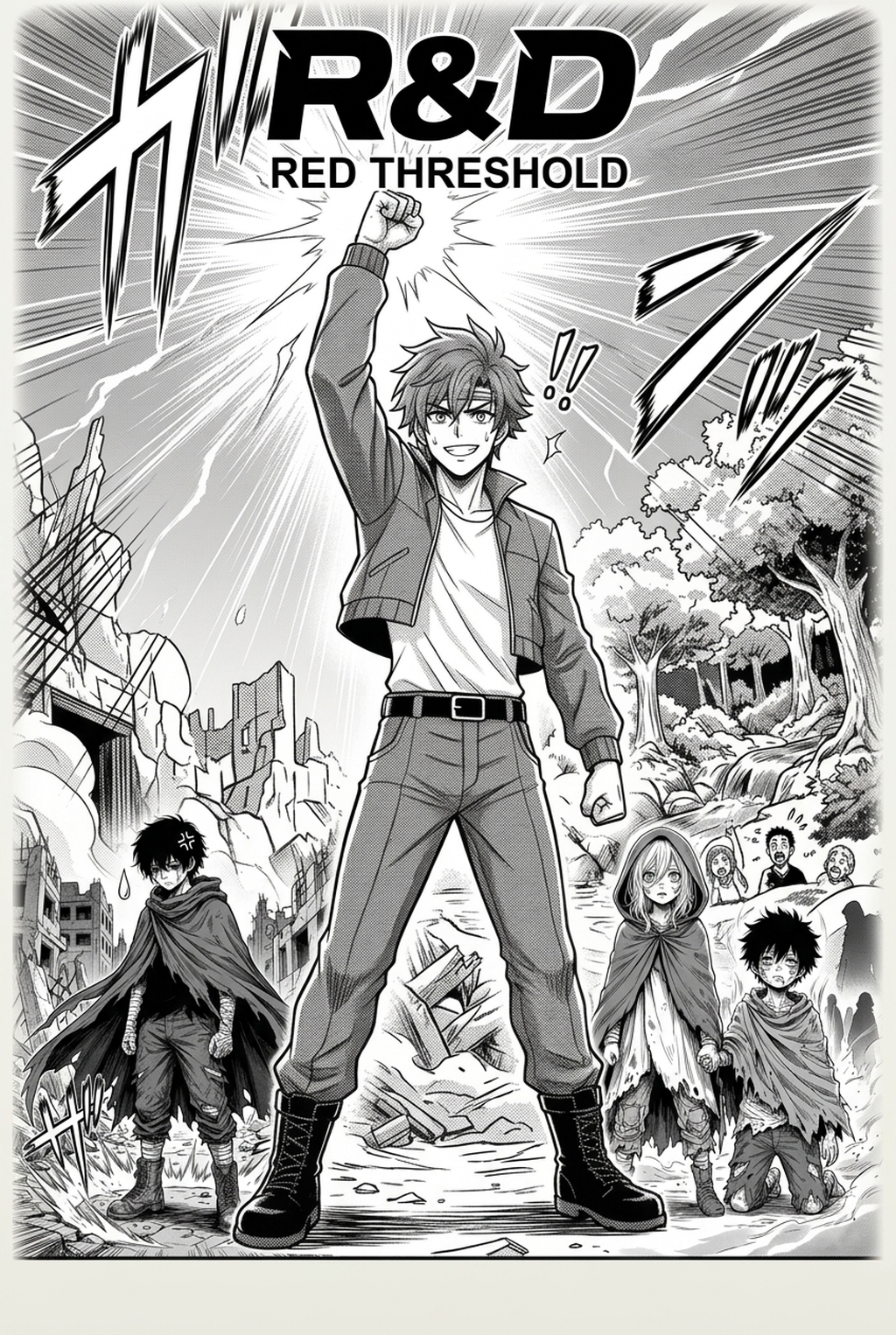
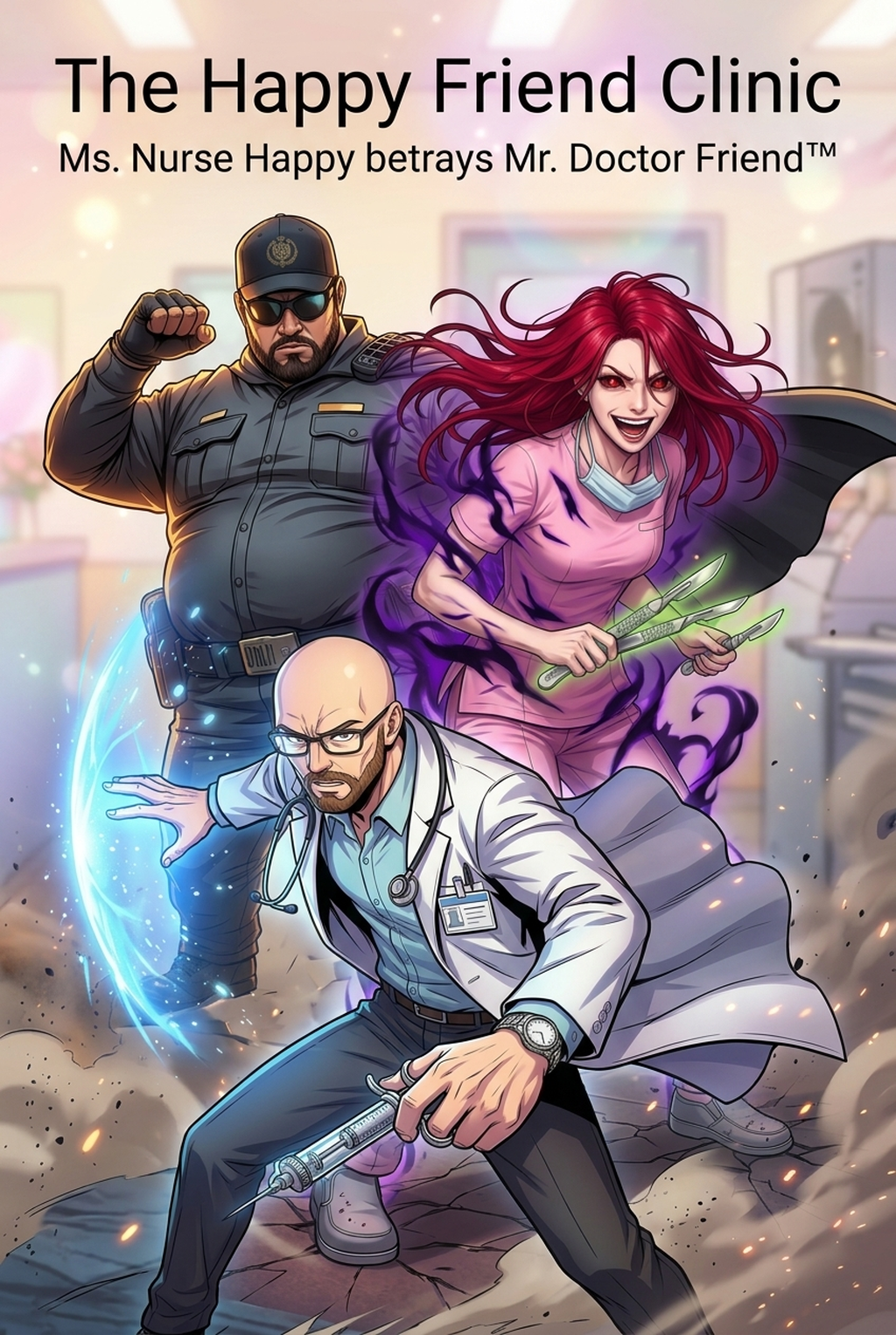
Manga character design centers on the conceptualization of anatomy, attire, and silhouette language to ensure your lead character remains instantly recognizable regardless of the panel composition. A successful design balances intricate details with structural simplicity, allowing for rapid reproduction without losing key identifying markers like distinct hair spikes or specific eye shapes.
This design functions as a visual shorthand for the reader, signaling status, power level, or personality traits at a glance without requiring additional dialogue or exposition. If your silhouette is indistinguishable from your secondary characters during a fight sequence, you have failed the most critical requirement of character-driven manga.
- Silhouette Language: The primary outline of the character must be legible even when rendered in black-and-white silhouette. * Anatomical Scaling: A fixed ratio of head-to-body length must be maintained across all angles to avoid character-proportion drift.
Why AI Manga Character Designer Matters for Manga Creators
The 'tei-hon' acts as the master reference sheet that serves as the single source of truth for every panel you produce, preventing the subtle but catastrophic character drift that ruins long-term readability. When a creator is working solo, this reference acts as an external review owner that holds every new sketch to the original technical specification of the model.
Manual drafting fatigue often leads to slight modifications in jaw width or hair volume that become jarring when viewed as a sequence across several chapters. By grounding your production in a rigid reference sheet, you minimize the risk of "model shifting," where a character’s appearance seems to evolve unintentionally over time.
- Consistency Maintenance: A fixed sheet eliminates the need to cross-reference previous chapters to check if a buckle or strap was placed on the correct side. * Workflow Efficiency: Having a pre-defined model reduces the time spent on corrective inking or erasing and re-drawing flawed proportions. * Narrative Integrity: A stable look allows the reader to focus on the story's action rather than being distracted by inconsistent character features.
How Manga Character Design Works with Mangaka
Modern AI tools like Mangaka solve the issue of source context by encoding your specific character reference data directly into the generation engine. By inputting descriptive text and reference data, you can produce multiple panels with a consistent delivery format that perfectly matches the established character model.
This approach shifts the burden of technical consistency from manual labor to machine-assisted precision, allowing you to focus on high-level narrative pacing. For example, if you are designing a high-action sequence, you can feed the engine the character’s established silhouette. The tool then handles the heavy lifting of keeping that silhouette intact across various dynamic poses, ensuring that your final line art remains compatible with your existing page layouts.
- Model Encoding: Your specific anatomical requirements, such as height and facial proportions, are captured as base metadata.
- Reference Preservation: The engine anchors new outputs to your base model, preventing the stray line work that typically occurs during manual sketching.
- Scaling Production: You can export high-fidelity panels into your preferred AI Manga Character Designer workflow with Mangaka and maintain identical character look-and-feel across thousands of frames.
Use Cases for AI Manga Character Designer
The most important part of design is the silhouette, as hair shape or distinct accessories are vital for instant recognition during rapid vertical-scroll or print-page reading. You can keep designs consistent by utilizing a master character sheet and leveraging AI to maintain model integrity across different page compositions. It is a common misconception that technology replaces original design; instead, it acts as a production partner that automates the technical aspects of keeping models consistent while the creative source context remains entirely in your hands.
- Dynamic Posing: Using the model to ensure complex angles still maintain the character’s recognizable silhouette. * Recurring Panels: Rapidly generating background cameos or long-shot panels where a human would otherwise spend hours on redundant detail. * Style Uniformity: Ensuring that if you adjust a character’s attire or mood, the fundamental proportions remain anchored to the base model.
- Chapter cadence. Use the AI pass for pages where speed matters most, such as repeated action poses, transformation beats, or dense speed-line panels. Keep manual cleanup for hero panels where the line style defines the emotional peak.
- Character continuity. Compare the generated lines against the same model sheet, costume notes, and facial-expression range used during sketching. This prevents a fast inking pass from drifting away from the character identity readers recognize.
- Export readiness. Check whether the final manga output can move into lettering, coloring, or final layout without rebuilding panel borders or speech-bubble space. A good manga workflow should save time while keeping the next production step predictable.
How to Get Started with Mangaka
Success in long-form production relies on the balance between your creative concept and the strict enforcement of visual consistency throughout every chapter. Indie creators who leverage modern production tools can maintain high-quality character designs at scale without compromising their unique artistic vision or wasting time on repetitive technical cleanup.
Creators should compare the generated line art with the original sketch and confirm that facial expressions, props, speed lines, and speech-bubble space still support the scene. A repeatable review pass should cover character consistency, panel readability, background clarity, and whether the final file is ready for coloring, lettering, or editor feedback.
Creators should save approved examples of line weight, face detail, clothing folds, and background density. Those references keep later chapters closer to the intended style. For collaboration, creators should mark which panels are final and which panels still need redraws. Clear status labels prevent an assistant, editor, or colorist from polishing the wrong version.
The Bottom Line
Effective design is not just about drawing a great character; it is about building a system that allows you to draw that character perfectly, time after time. By adopting a tool-assisted workflow, you can stop worrying about accidental proportion shifts and spend your energy where it belongs: on the story. To begin building your own consistent character model, explore the capabilities of the AI Manga Character Designer today.
Related articles
Mastering Manhwa Character Design: A Guide for vertical
Mastering Manhwa Character Design for vertical comic
Professional Manga Line Art Inking: Get Started for Free