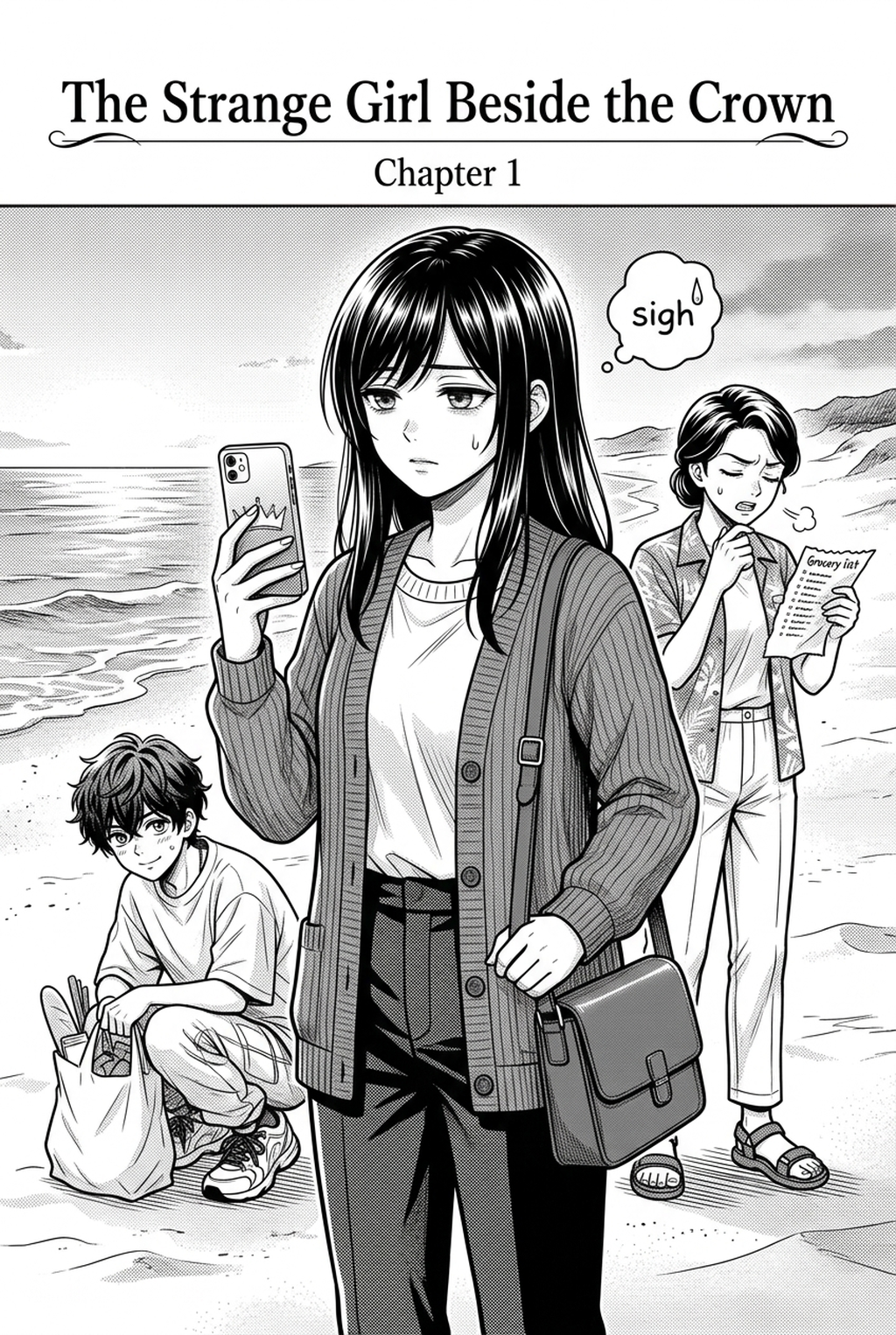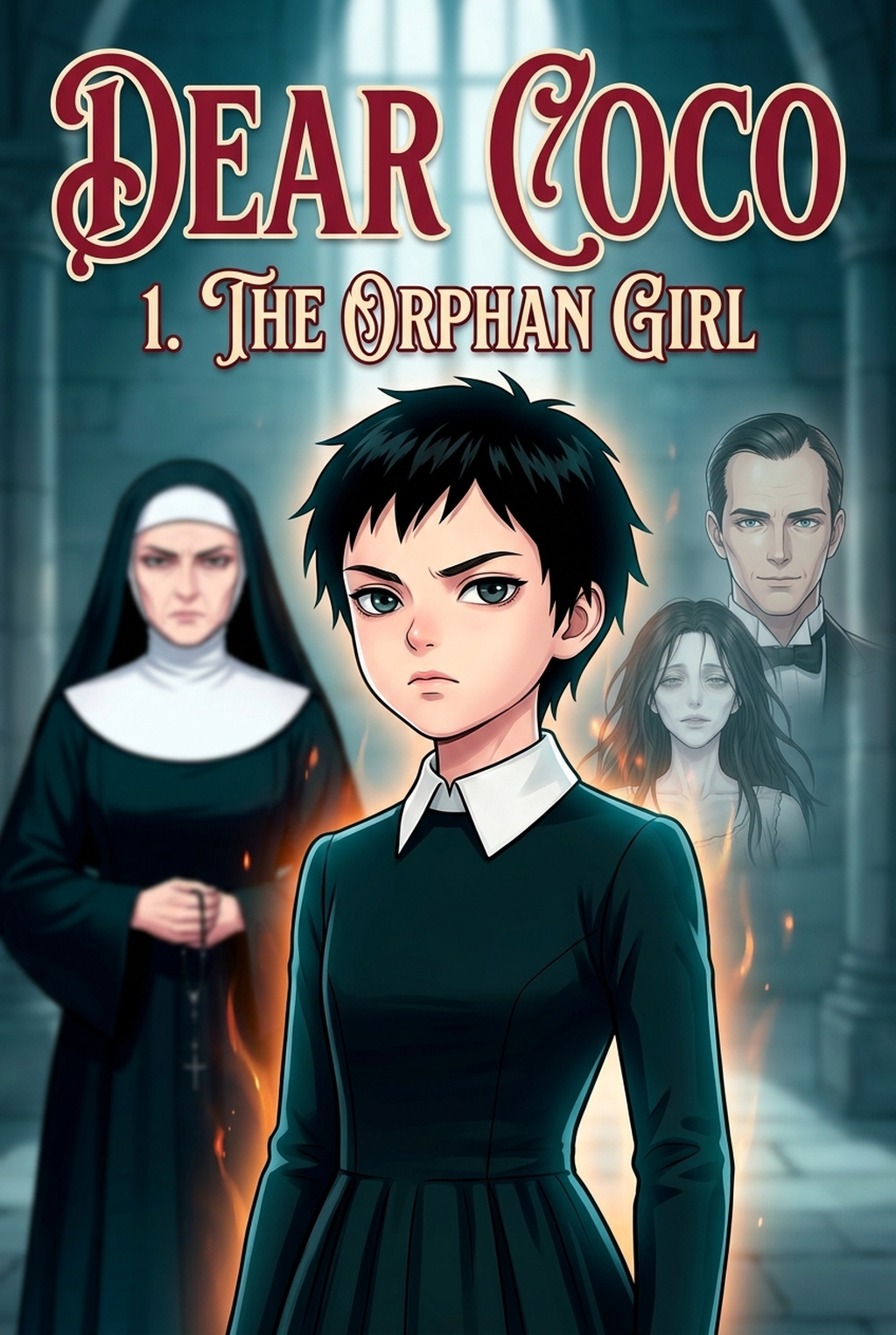
AI Manga Character Designer: Defining Essential Character Architecture
Effective design hinges on a recognizable, repeatable silhouette that functions even when scaled down to a small corner panel. Most newcomers prioritize intricate outfit details, but these often become liabilities during high-energy action sequences where simple, high-contrast shapes are necessary for visual clarity.
You must balance the aesthetic appeal of your lead with the physical necessity of drawing that character thousands of times. If a design requires six individual buckles and a multi-layered cape in every frame, the risk of inconsistent line-weight and smudged inking during the monthly crunch becomes significantly higher.
Strong character markers rely on three pillars:
- Unique Silhouette: The outer shape of the hair and posture should be identifiable even in total shadow. * Repeatable Anatomy: Fixed ratios for head-to-body scale prevent the character from looking shorter or taller in subsequent chapters. * Expression Library: Standardized reactions for anger, surprise, and joy ensure character continuity during intense emotional beats.
Why Consistency Dictates Production Longevity
The greatest failure point in professional manga is character drift, where the protagonist slowly morphs due to fatigue or evolving drawing habits. Without a locked reference sheet, minor deviations in clothing style or facial bone structure can break the immersion of your readers, turning a high-stakes Shonen drama into a disjointed narrative experience.
Readers expect a persistent reality where injuries, scars, and outfit wear-and-tear track logically through the timeline. If the character’s anatomy shifts due to imprecise sketching, the "contract" between the artist and reader—that these characters are fixed beings in a coherent world—is violated, destroying the tension of the story.
Treating your reference sheet as a legal-style document of record ensures that every panel aligns with the established canon. Even when delegating sections of inking or background layout, a centralized reference prevents the "multilingual agreement" problem of visual communication, where different interpretations of the same character design lead to conflicting page exports.
How Mangaka Simplifies Recurring Design
Mangaka allows creators to generate consistent character iterations from a single text-based source, effectively removing the manual burden of redrawing basic poses. By inputting your character profile, the tool handles the technical rendering of various angles and frames, letting you focus on the nuances of emotional expression and panel pacing.
When you generate a base model in Mangaka, you receive consistent outputs that match your original design intent without the risk of line-weight drift. Instead of manually mapping out every limb and fold, you act as the lead director, refining the AI-rendered frames and applying your specific inking style to the final output.
While the AI handles the technical execution of consistent geometry, the human artist remains the final authority on creative impact. After generating a set of panels for a high-intensity combat sequence, you perform a final review to ensure the "action lines" align with your specific artistic tone, often making minor adjustments to the output before exporting the final manga character design with Mangaka for your editor.
Use Cases for Specific Narrative Genres
Every design choice must reflect the environmental context of your world, whether that involves rigid industrial proportions or fluid, organic shapes. A Sci-Fi series demands a different design philosophy than historical drama, and failing to adjust your reference sheet to match the tech-level or cultural era of your story will result in jarring visual dissonance.
Shonen character design emphasizes exaggerated, high-energy poses and "power-up" silhouettes that convey scale and strength. Designers must incorporate flexible clothing logic that looks natural during rapid-movement panels or extreme close-ups of energy attacks. Check character consistency, panel readability, line quality, and export readiness before publishing. Creators should also record why the page passed review, which panel details still need manual cleanup, and which export format the next collaborator will use. That makes the subsection useful instead of leaving a short checklist under a large heading.
Seinen design frequently trades exaggerated poses for realistic, grounded anatomy and dense, intricate outfit detailing. Facial expressions must hold a higher degree of emotional subtlety, requiring the artist to prioritize shadow placement and eye-contact markers that communicate complex motivations without relying on massive, stylized expressions.
Getting Started with Consistent Design
Creating a character that remains identical from the prologue to the climax starts with a well-defined brief. When you define your character's personality and silhouette early, you lock in the parameters that make your creation unique, preventing the stylistic fatigue that often ruins mid-series pacing.
- Preventing drift: Utilize rigid character reference assets that explicitly define proportions; do not rely on memory for long-term consistency. * AI productivity: Think of these tools as an evolution of the digital tablet transition—moving from ink-and-quill to digital layers saved the industry, and moving from manual redraws to assisted generation saves the artist's time. * First steps: Write a concise 300-word personality profile and feed it into a sketch generator to establish the core silhouette before drafting your first panel layout.
Creators should compare the generated line art with the original sketch and confirm that facial expressions, props, speed lines, and speech-bubble space still support the scene. This keeps the review focused on story intent, line weight, panel readability, and the export quality behind the final AI Manga Character Designer output.
The Bottom Line
Effective character design is the backbone of any successful long-form manga, and modern tools have finally bridged the gap between complex conceptual art and consistent, professional-grade output. By automating the technical, repetitive aspects of frame rendering, artists can reclaim their creative time for the story elements that truly matter. You can reclaim your workflow by creating your first consistent character today at AI Manga Character Designer workflow with Mangaka .
Related articles
Mastering AI Character Design for Professional Manga in 2026
AI Character Design: A Guide for Modern Manga Creators 2026
Mastering AI Manga Character Design for Consistent Results