Fundamentals of AI Manga Character Designer
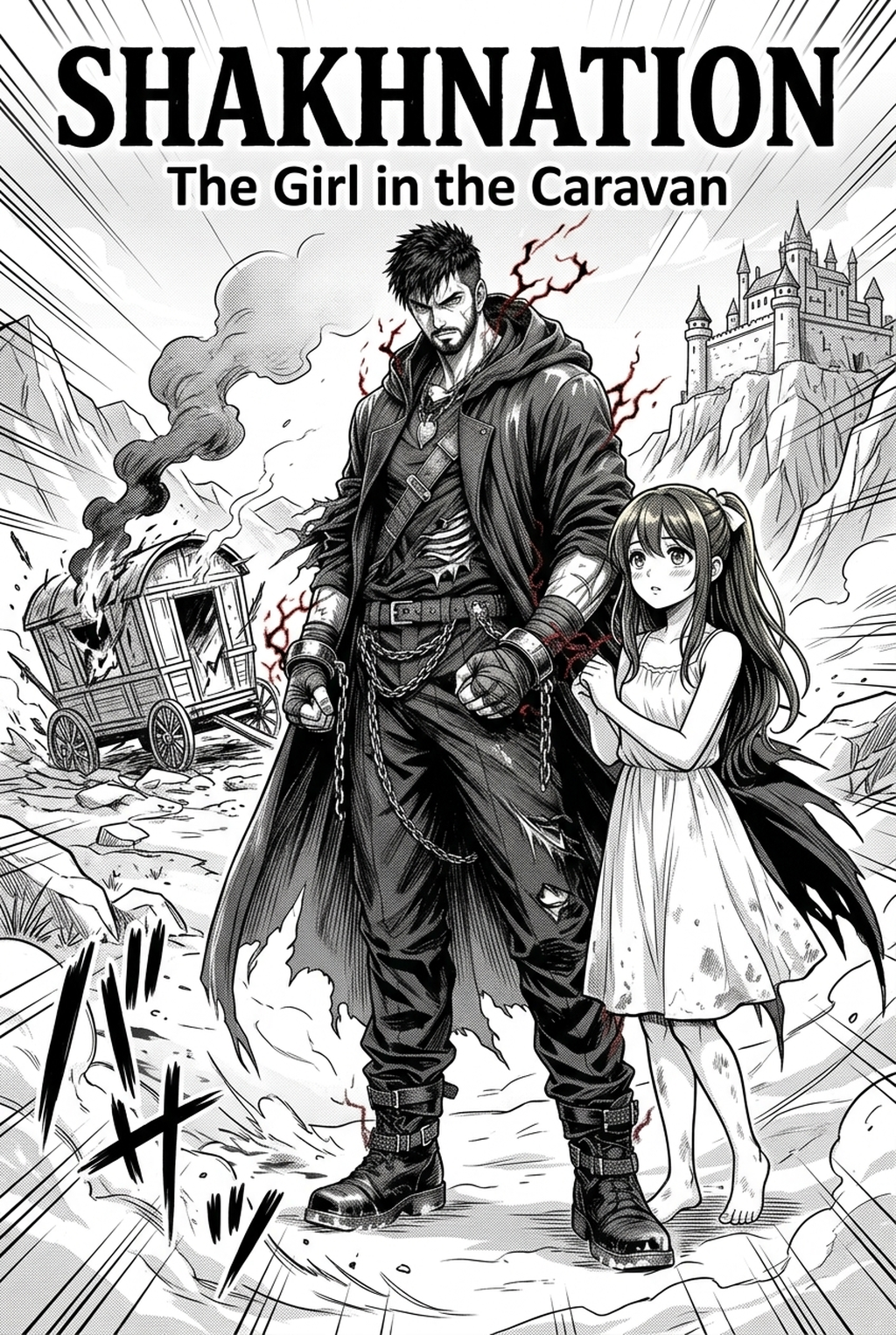
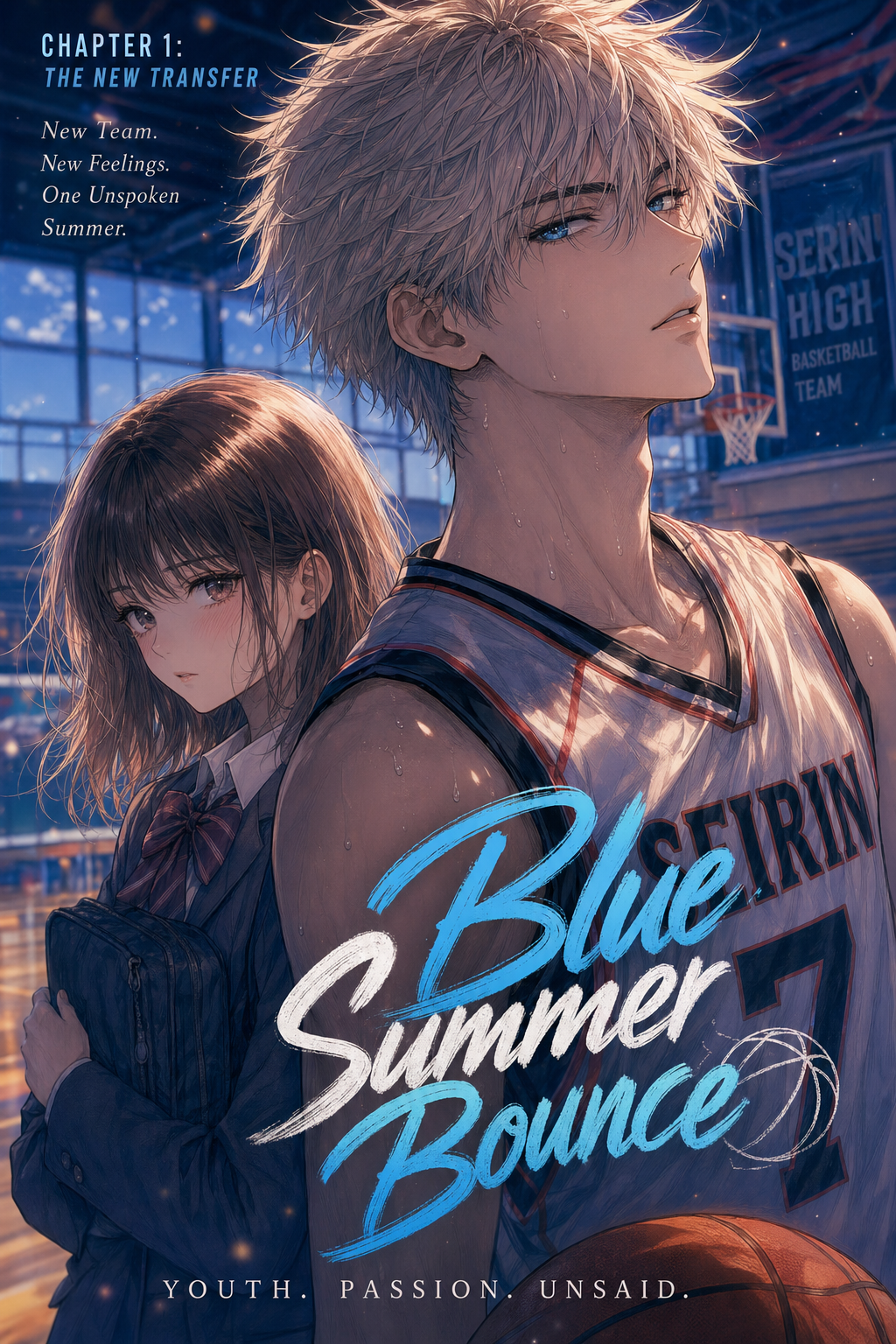
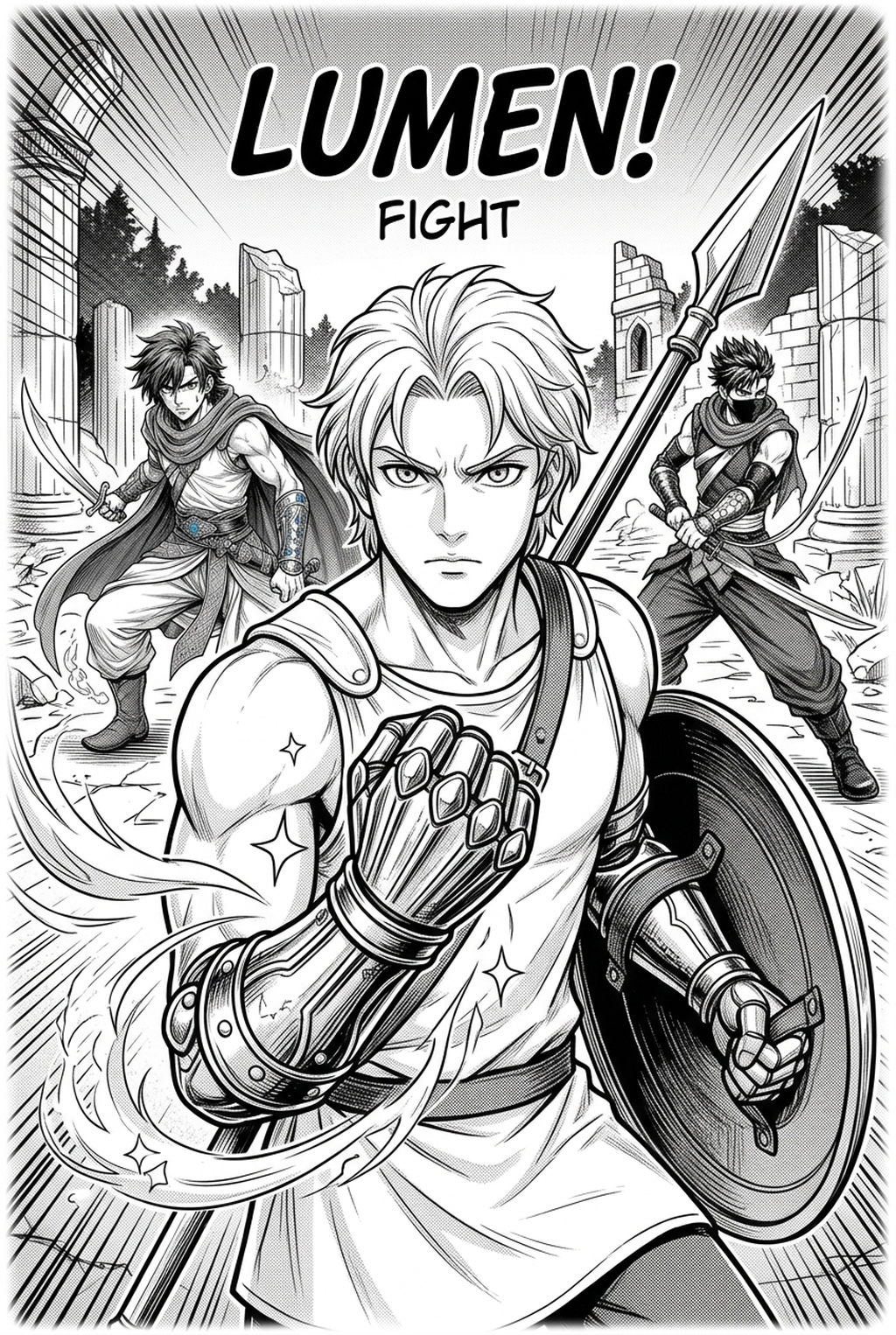
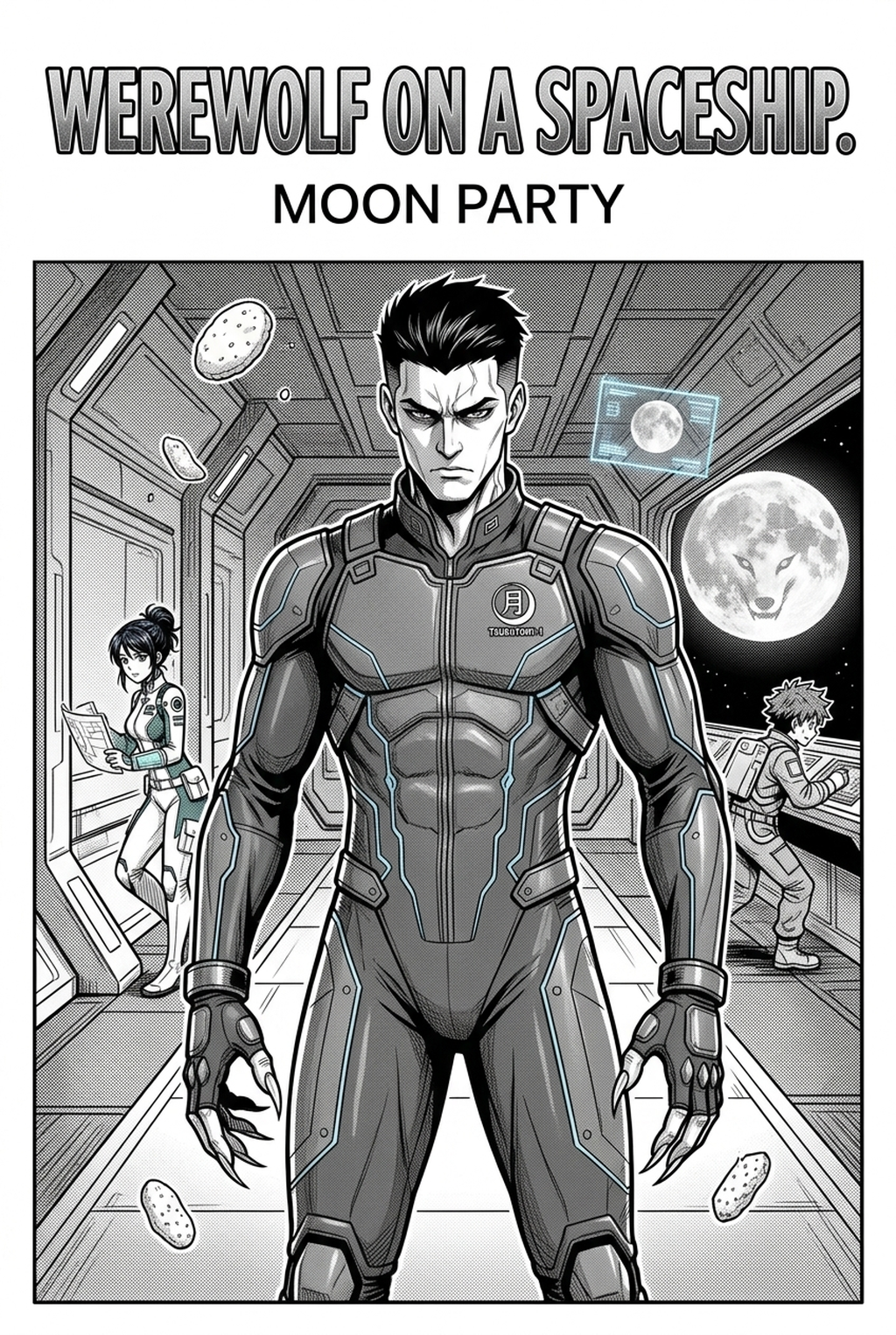
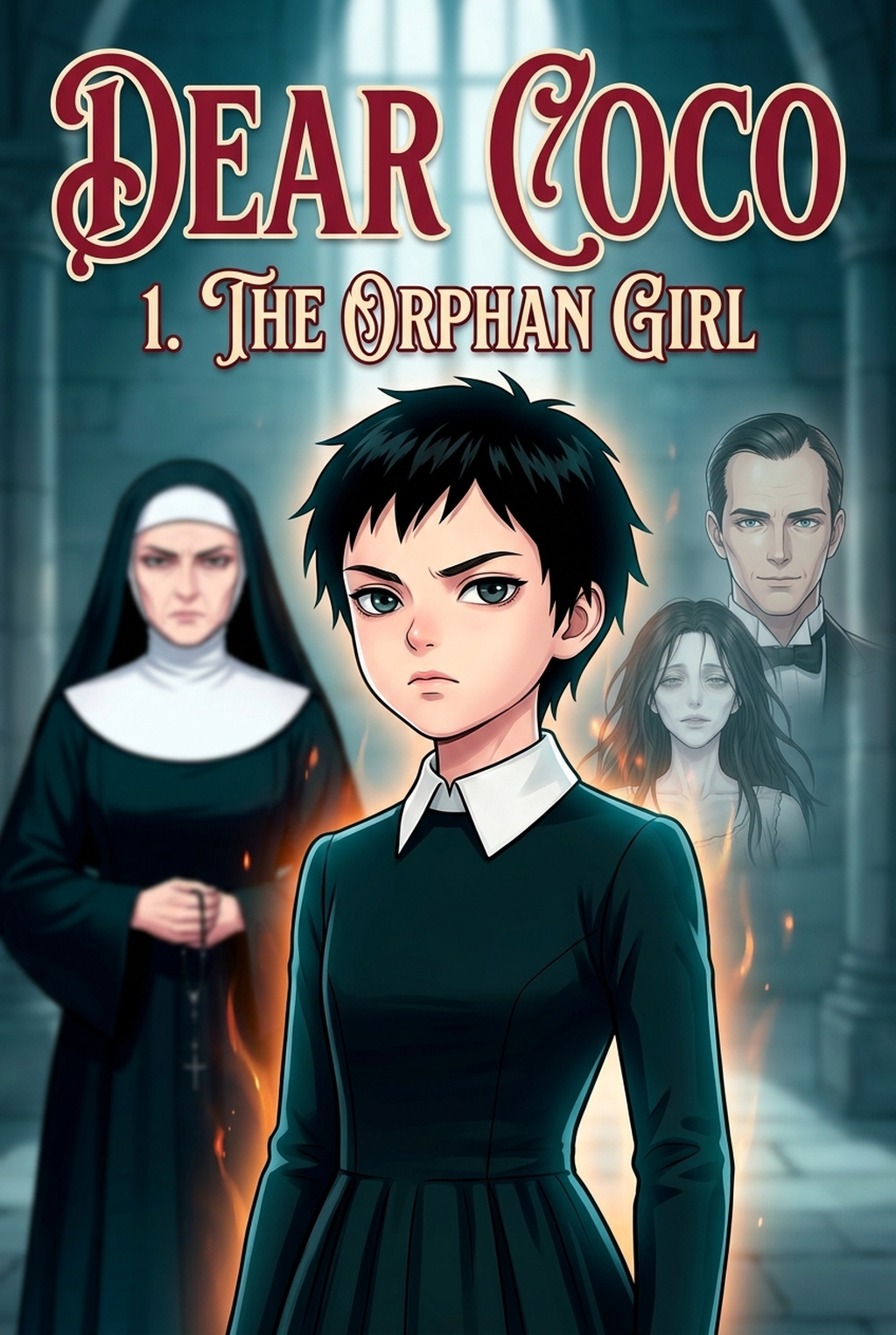
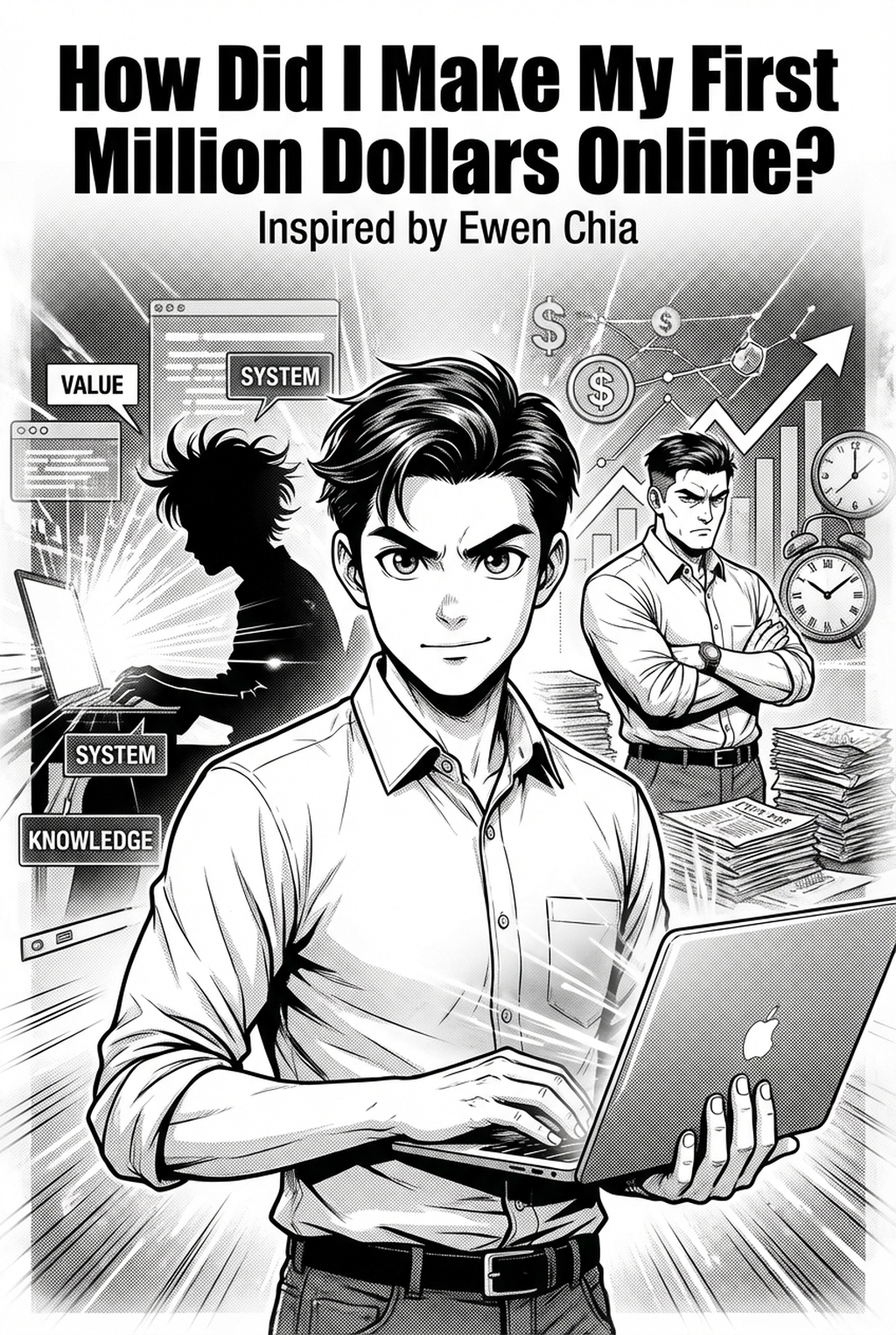
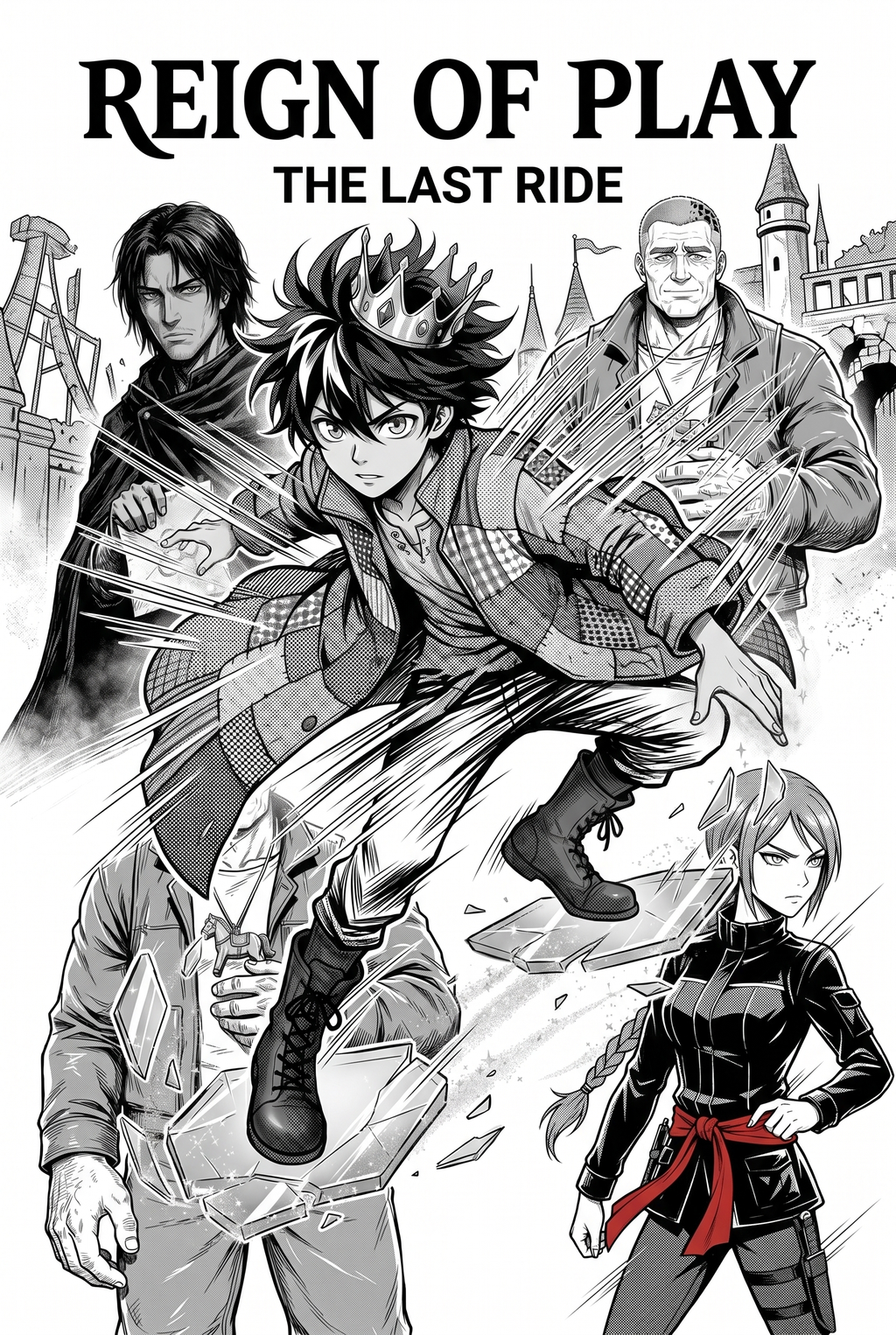
Effective character design relies on the 'Silhouette Test,' where a character's role is identifiable by their shape alone, distinguishing a bulky tank from a lithe assassin without visible color. Visual shorthand, such as exaggerated hair spikes or stylized iris patterns, acts as a primary identifier for Shonen protagonists, while Seinen designs often lean toward realistic proportions to ground the tone in gritty, grounded reality. The most memorable designs balance unique fashion elements with a consistent core look that allows for dynamic posing in action-heavy scenes. Creators often struggle when complex clothing renders poorly in wide shots, resulting in a loss of legibility.
- Silhouette legibility: Ensure the primary silhouette remains recognizable when reduced to a thumbnail size of 50x50 pixels. * Fashion-function balance: Simplify intricate accessories into basic shapes that don't distract from the character’s emotional expression in close-up panels. * Dynamic pose stability: Use a stable center of gravity in sketches to allow for extreme perspective shifts without breaking the character's core aesthetic.
Why Character Integrity Matters for Long-Form Creators
Maintaining character integrity—ensuring a character looks the same from page one to page one hundred—is essential for reader immersion. Many creators suffer from 'character drift,' where subtle changes in line-weight or eye spacing occur over long production schedules without a unified reference sheet.
Digital workflow efficiency depends on establishing a 'source context' or character model that functions as the gold standard for every inked panel. When your inking style lacks a consistent reference, the reader may struggle to recognize the protagonist after a jump in the story or a shift in the artist's mood, leading to a disconnect in the narrative. Relying on a fixed set of design parameters prevents this drift, allowing the production team to focus on storytelling rather than constant retakes.
How Design Works with AI Tools
AI tools now allow creators to generate character model sheets from text descriptions, significantly reducing the 'review owner' time needed to correct anatomical errors in the middle of a chapter. By inputting specific trait parameters, you create a locked visual profile, ensuring that hair color, eye style, and attire remain identical across different camera angles.
This technology enables indie creators to focus on complex storyboarding rather than spending hours redrawing standard character poses from scratch. If you find your character’s height or muscle mass fluctuating between panels, you can feed a base model into manga character design with Mangaka to re-align the current panel with your established source context, ensuring that line-art fidelity remains high throughout the export process.
Applying Design Across Delivery Formats
A successful design must be flexible enough to translate into a variety of delivery formats, from high-octane battle pages to quiet, character-focused dialogues. Think about 'negative space' requirements when designing, ensuring the character’s design doesn't clutter the panel and allows for clear speech bubble placement.
- High-octane action: Use high-contrast line work that handles motion blur and speed lines without losing the character's facial definition. * Dialogue heavy pages: Prioritize expressive, clear facial features that do not compete with the density of surrounding dialogue bubbles. * Consistent asset swapping: Utilize pre-generated character assets to quickly swap poses while maintaining the exact terminology and style defined in the project brief.
Steps for Getting Started with Modern Tools
When starting a new project, prioritize building a strong core character profile early in your process to streamline your entire production production process. This foundational work prevents the most common production bottlenecks, such as the need for mid-series character redesigns or the messy patching of inconsistent panel layouts. Establish the character's base traits, such as eye shape, hair style, and distinctive outfit motifs, using clear text descriptors.
Use these traits to produce a multi-angle reference, ensuring that your character maintains consistent proportions in various orientations. Import this model into your workspace to serve as a visual control for every new panel page. Once the panels are inked, perform a quick check to see if the character’s features align with the original profile before finalizing the export.
- Before Export. Creators should compare the generated line art with the original sketch and confirm that facial expressions, props, speed lines, and speech-bubble space still support the scene. A repeatable review pass should cover character consistency, panel readability, background clarity, and whether the final file is ready for coloring, lettering, or editor feedback.
- For Longer Projects. Creators should save approved examples of line weight, face detail, clothing folds, and background density. Those references keep later chapters closer to the intended style. For collaboration, creators should mark which panels are final and which panels still need redraws. Clear status labels prevent an assistant, editor, or colorist from polishing the wrong version.
- For Publishing. Creators should review the page at the actual reading size before export. Small screens expose crowded dialogue, weak silhouettes, and line details that looked fine while zoomed in. This keeps the review focused on story intent, line weight, panel readability, and the export quality behind the final AI Manga Character Designer output.
The Bottom Line
Great character design is the bedrock of successful storytelling, keeping readers invested through consistent visual identification. By blending traditional artistic intuition with AI-driven consistency tools, modern creators can maintain the highest quality standards without sacrificing production speed. Focus on building a strong core character profile early to streamline your workflow and start designing your manga characters here to ensure professional results every time.
Related articles
What Is a Character Design Sheet? A 2026 Guide for Manga
Create a Pro Character Design Sheet for Manga Artists 2026
Mastering Character Sheet Design for Manga: A 2026 Guide