AI Manga Character Designer: Defining the Fundamentals of Character Construction
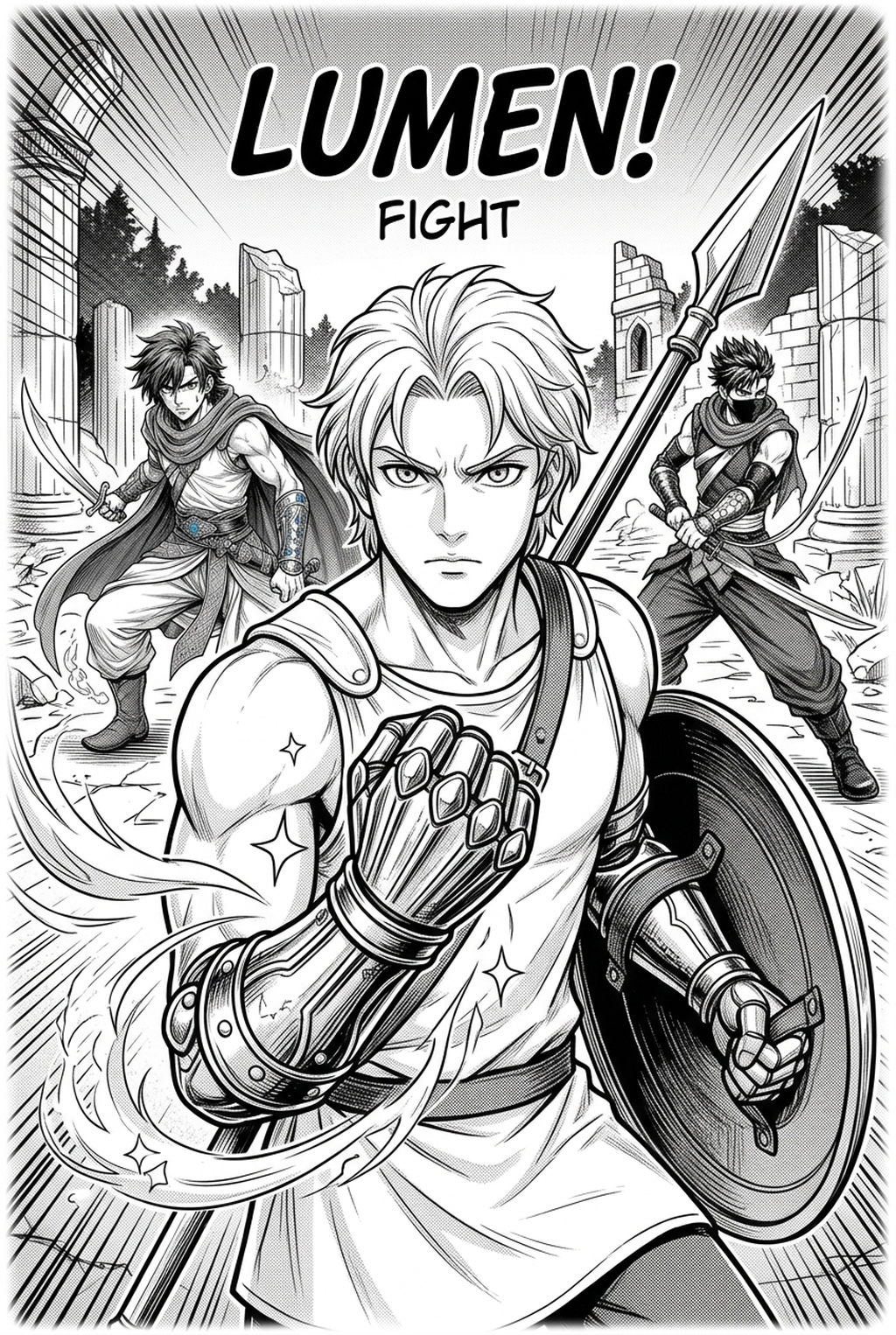
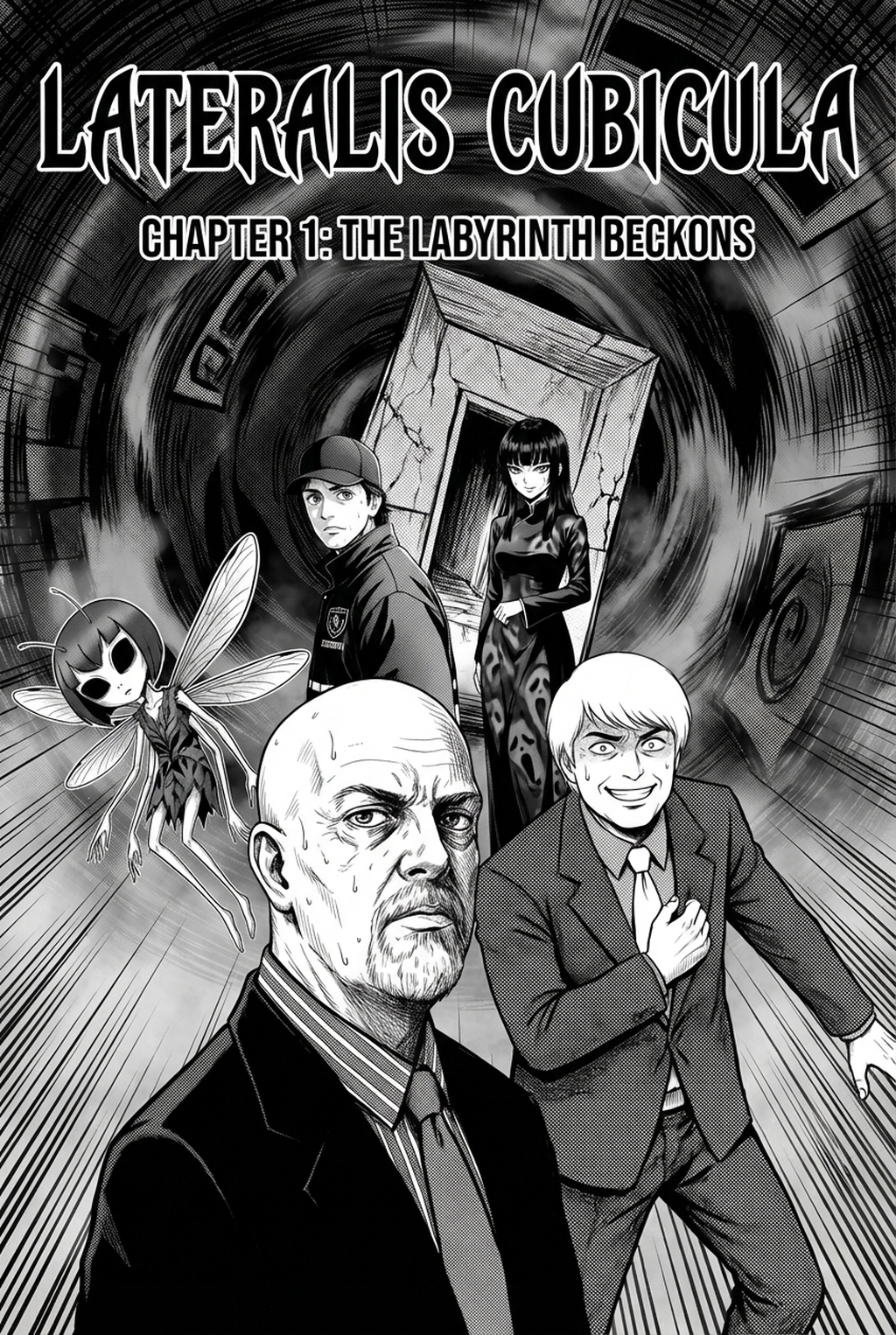
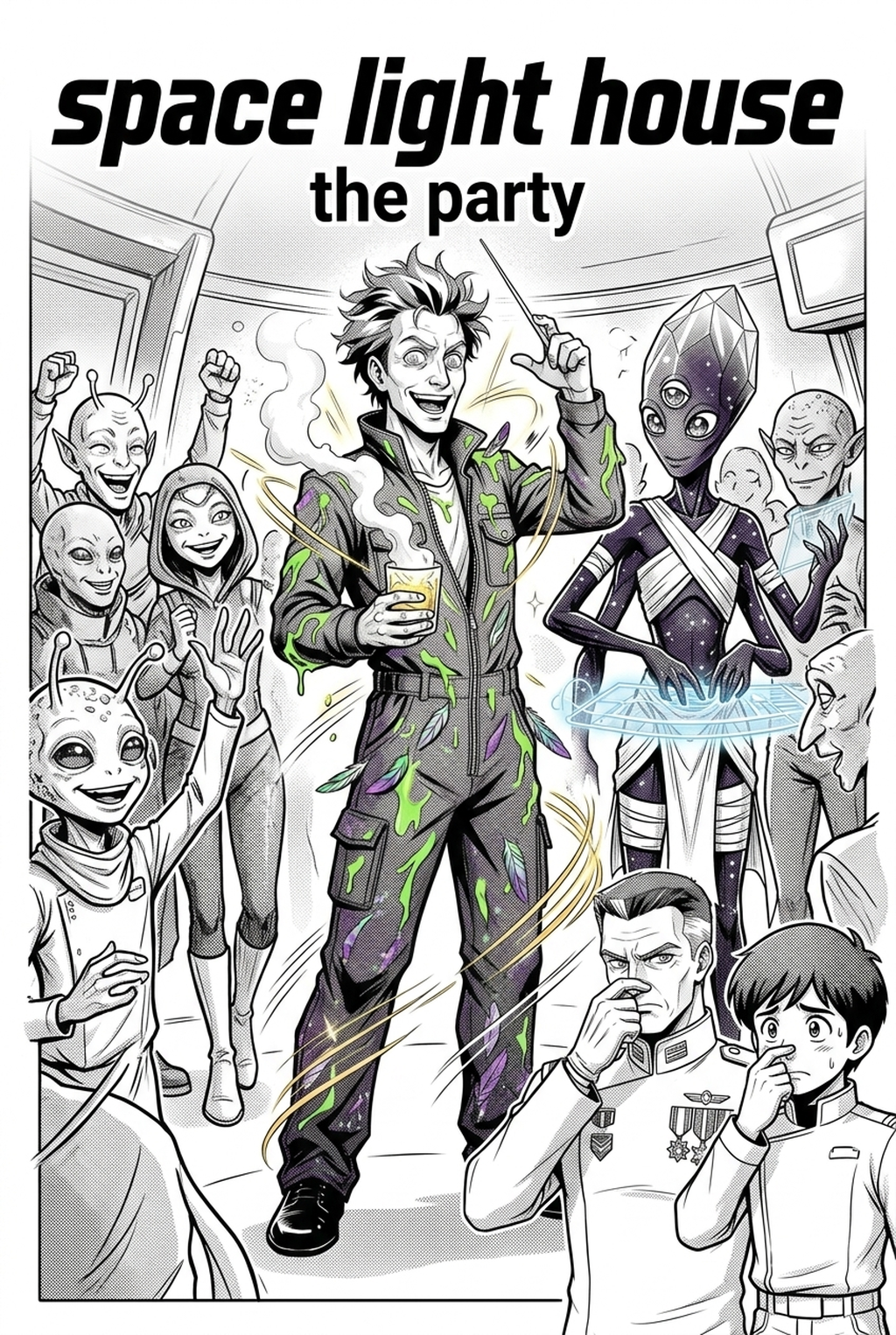
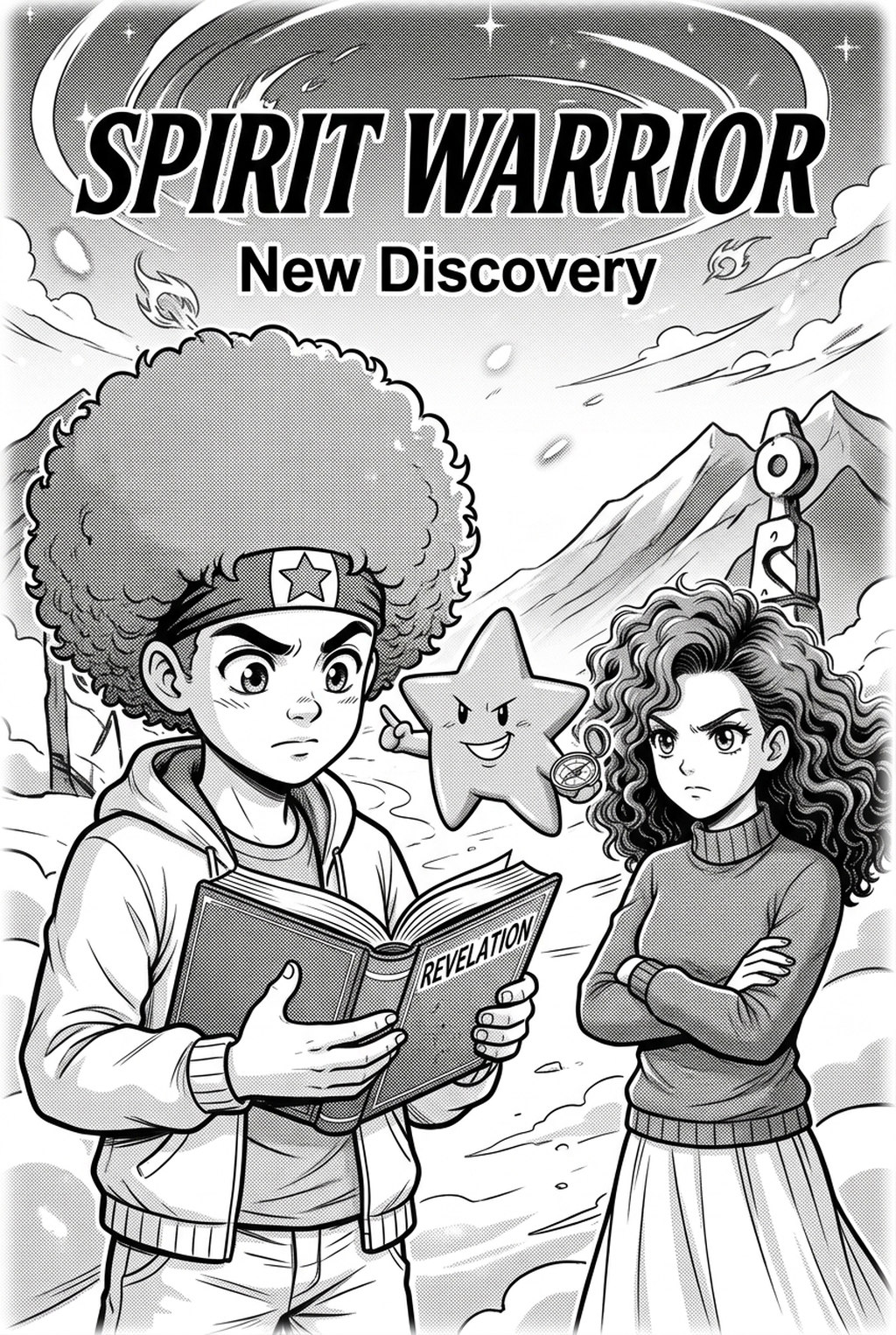
Effective design hinges on an identifiable silhouette that functions as a signature, allowing readers to track your lead through dense paneling and chaotic combat scenes. You must prioritize visual anchors, such as a unique scarf texture, a recurring hair cowlick, or specific armor plating, which serve as persistent reference points for your audience.
- Silhouette Utility: A design that is readable in pure black-and-white silhouette is mandatory for high-octane shonen or seinen layouts. * Archetype Telegraphing: Balance personality traits against functional design features to ensure your character's role—be it a stoic mentor or a frantic sidekick—is immediately communicated to the reader without exposition. * Data Cell Alignment: Treat every panel as a data cell where the character's orientation and lighting must remain consistent with the overall scene composition to avoid spatial confusion.
While a character's "quirkiness" is vital for personality, never ignore the functional necessity of your designs. A character covered in overly intricate, asymmetrical detail for every frame will inevitably lead to a broken release schedule as you struggle to manually ink those elements for months on end.
Avoiding the Production Fatigue of Manual Consistency
Indie creators often underestimate the exhaustion caused by maintaining high-fidelity anatomy across a full serialization run. Manual drawing methods frequently lead to character drift, where subtle shifts in line weight or limb proportions accumulate until the character in chapter fifty looks noticeably different from the character in chapter one.
- Model Sheet Necessity: Building a set of static turnarounds is the only way to lock your anatomy against the rules of your established universe. * Fatigue Mitigation: Automating repetitive, filler-heavy panels allows you to save your human-authored line-art energy for high-stakes climactic moments. * Workflow Bottleneck: When you spend six hours per page just fighting to keep a jacket's collar consistent, you lose the ability to refine your panel pacing and dialogue layout.
By establishing a rigid model sheet early, you create a baseline that prevents the "slippage" inherent in long-form production. This allows you to focus on the emotional delivery and pacing of your story, rather than constantly correcting anatomical errors in your ink pass.
Integrating AI into Your Character Design Production Process
Modern AI manga character designers use reference-locking technology to ensure that specific aesthetic traits persist from the initial sketch to the final high-resolution export. Instead of manually redrawing every expression from scratch, you can feed a structured brief into your design interface to generate consistent assets that match your unique line-weight preferences.
- Style-Injection Pipelines: Use AI to learn your specific inking rhythm and preferred hatching techniques, ensuring the generated panels don't clash with your hand-drawn frames.
- Direct Translation: Move from descriptive text to visual storyboard frames without the need for manual, frame-by-frame readjustment of facial features or height ratios.
- Consistency Control: Leverage manga character design with Mangaka to maintain character fidelity across diverse poses, ensuring your lead stays on-model even during complex, non-standard camera angles.
In a practical scenario, imagine you are designing a character for a ten-page chapter. You generate a master model sheet, then use the tool to output four distinct poses—fighting, running, resting, and laughing—at 300 DPI. By importing these into your layout software, you can skip four hours of sketching and jump directly to your inking and toning workflow, saving the human-level detail for the final splash page.
Optimizing Your Design for Multi-Panel Layouts
You should integrate your character design into a library of expressions and poses before finalizing your full-page composition. This library acts as a resource you can pull from as you draft your pages, treating each character iteration as a reusable asset.
- Modular Design: Delegate repetitive background characters to AI generation while keeping the protagonist’s high-fidelity details as your primary manual focus. * Expression Banks: Creating a folder of thirty distinct facial reactions allows for faster panel-to-panel communication during emotional scenes. * Layout Synergy: Align your character’s light source with the panel’s environment to ensure the character feels integrated into the space rather than hovering above it.
The most effective use case for this technology is offloading the maintenance of secondary character designs. You can retain full creative control over your protagonist while allowing the AI to generate the filler characters that populate a train station or a busy market street.
Getting Started with Mangaka for Indie Production
Getting started requires a mindset shift from drawing every single line to managing a library of visual assets. You can start by uploading your own manual sketches to train the system on your unique style, ensuring that the output feels like a natural extension of your existing art.
- Consistent Anatomy: To ensure AI-generated characters look identical in every panel, always start by defining your character's "anchor points"—the recurring features like specific eye shapes or scars that the AI will prioritize. * Training Potential: You can absolutely import your own manual sketches as reference data, teaching the tool to replicate your unique line-weight and shading preferences. * Artistic Integrity: Using AI design tools does not violate tradition; it is simply a modern evolution of the stencil or lightbox, bridging the gap between your conceptual vision and the physical production speed required for monthly releases.
The Bottom Line
AI Manga Character Designer workflow remains the bedrock of any successful series, providing the visual language that guides your readers through your narrative world. While the craft of drawing remains fundamental, AI provides the consistency and speed required to survive the rigors of modern long-form serialization. By moving your character reference management to an automated system, you regain the creative bandwidth to focus on what truly matters: your story, your pacing, and your unique artistic voice. Start streamlining your production by manga character design today.
Related articles
Mastering AI Manga Character Design: A Consistent Workflow
Mastering Manga Character Sheet Design: A Creator’s Guide
Manga Character Design: A Guide to Creating Stars 2026