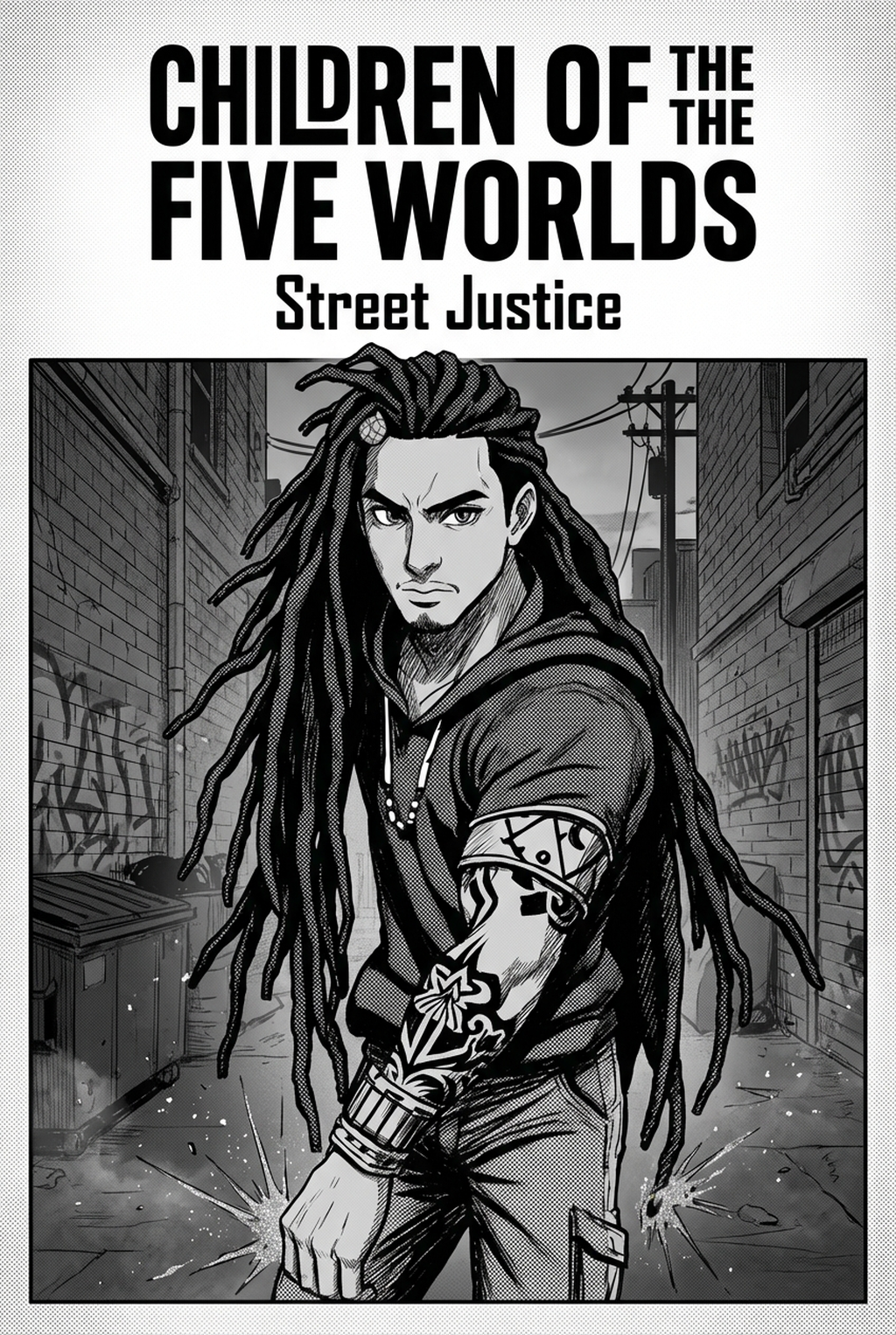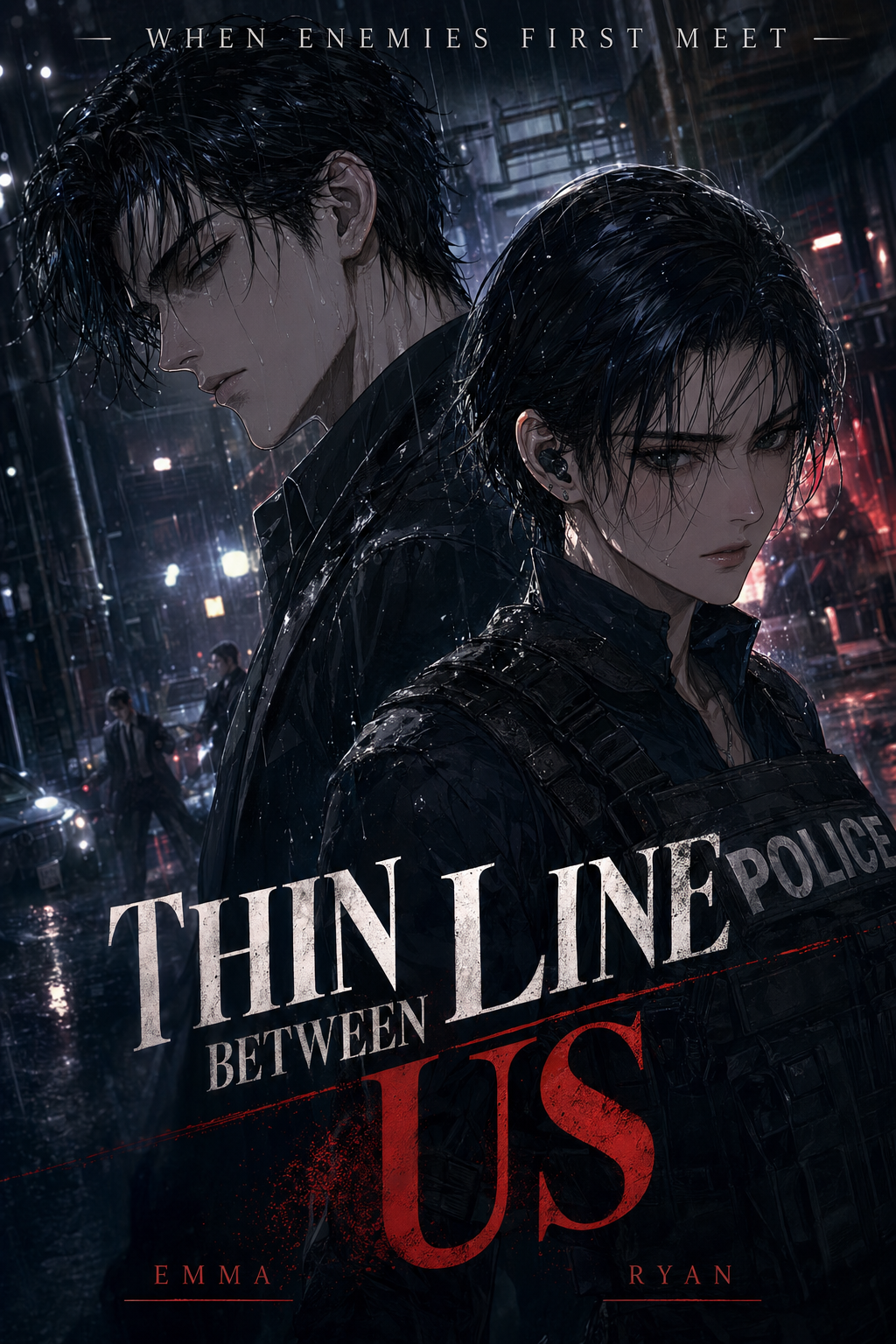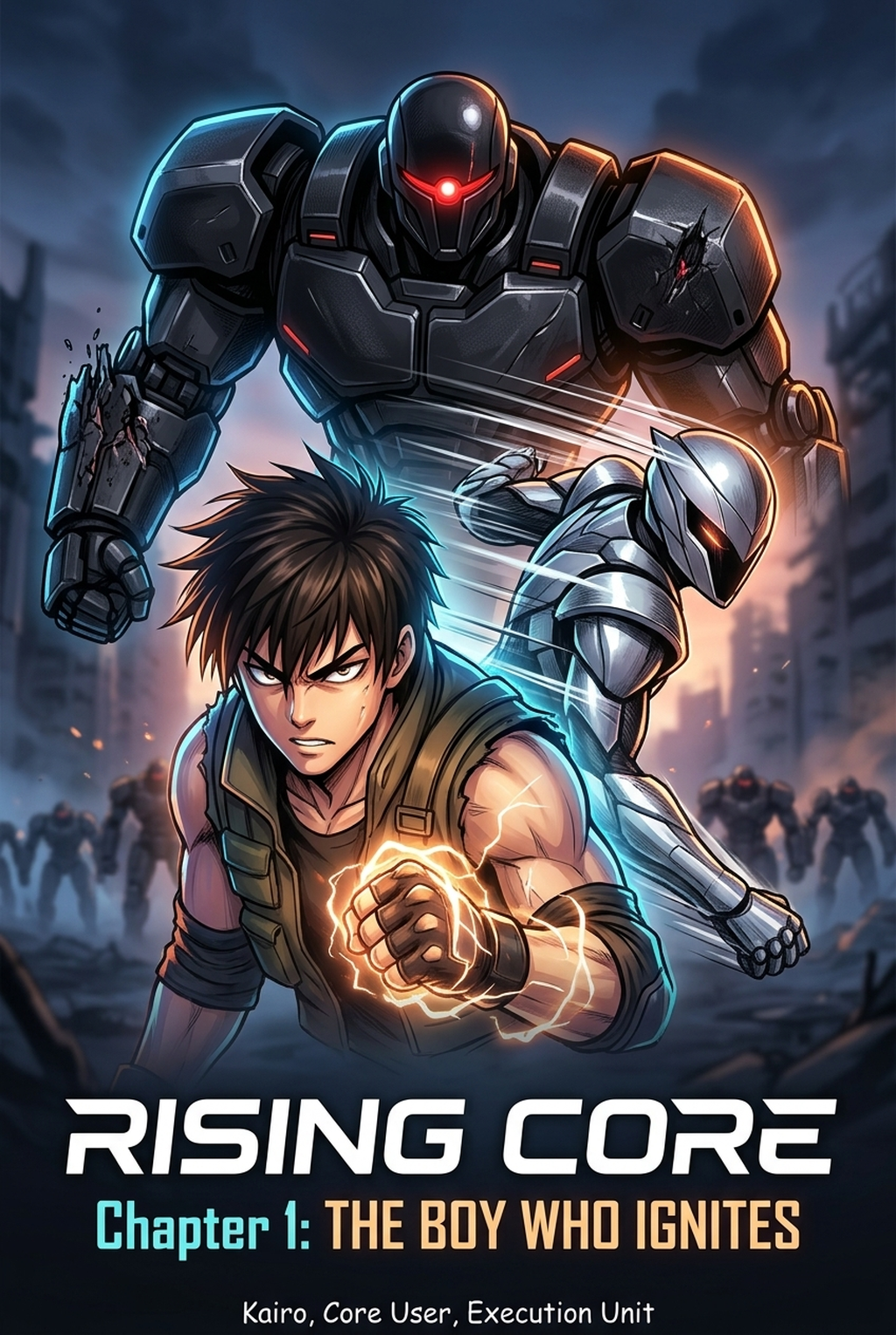
AI Manga Character Designer: Understanding Character Design Fundamentals
Effective character design relies on a recognizable silhouette that allows readers to distinguish the protagonist instantly in high-action sequences. You must focus on the 'Rule of Three' by combining circles, squares, and triangles to communicate personality archetypes to the reader subconsciously. A square-jawed, blocky design signals strength and reliability, while sharp, angular triangles suggest an edgy or aggressive protagonist.
- Silhouette Testing: Shrink your character sketch to a 50px by 50px thumbnail to see if the shape remains unique without internal line details. * Accessory Distinction: Assign specific weapons, masks, or oversized clothing items to ensure a protagonist is identifiable even during cluttered combat scenes. * Proportion Consistency: Map the character’s height against a standard eight-head tall ratio to prevent anatomical scaling issues during complex perspective shifts.
Why Artistic Consistency Matters for Creators
The greatest challenge in long-running manga is keeping character anatomy and features identical across hundreds of panels and diverse perspectives. Art drift often begins when a creator attempts to redraw complex costume details from memory rather than referring to a dedicated master document.
- Model Sheet Documentation: Create a reference page featuring front, side, and three-quarter views, documenting specific hair volume, eye placement, and costume details that must be verified before beginning production on new chapters. * Asset Database Utilization: Maintain a centralized repository of character assets, including line-art brushes and tone configurations, to prevent visual discrepancies when collaborating with assistants or outsourcing specialized backgrounds. * Professional Review Cycles: Implement a strict review owner check on every page layout to ensure that character markings and signature scars are rendered in the correct position relative to the character’s center of gravity.
Designing Manga Characters with Mangaka
AI tools now allow creators to turn descriptive text inputs into complex character designs, significantly reducing the pre-production bottleneck that often stalls a project at the concept phase. By generating a master character reference in a high-resolution format, you ensure that inking and color styles remain uniform throughout the entire story arc.
- Rapid Iteration Cycles: Leverage manga character design with Mangaka to prototype various expressions and camera angles, allowing for rapid testing before committing to the final storyboard.
- Style Lock Mechanics: Use the tool to establish a fixed visual identity for your lead characters, which minimizes the technical effort required to maintain fidelity when moving from a rough sketch to a final inked panel.
- Production Speed Advantages: Shift your workflow from manual anatomical construction toward creative narrative decisions, as the tool handles the technical heavy lifting of perspective-accurate anatomy.
Practical Use Cases for Character Development
High-quality design requires careful attention to line weight, screen tones, and the interplay between background depth and foreground characters. If your character lacks a defined center of gravity, they will appear to float unnaturally against the background, destroying the immersion of a well-pacing action scene.
| Technique | Primary Benefit | Risk of Neglect |
|---|---|---|
| Gekiga Stylization | Intense, gritty realism | Potential for over-detailed panels |
| Chibi Proportions | Exaggerated emotional range | Loss of serious narrative stakes |
| High-Contrast Inking | Enhanced panel readability | Cluttered, muddy page layouts |
- Posture and Weight: Ensure your source context includes precise detail on the character’s posture to avoid flat, lifeless poses that break the tension of dynamic fight sequences. * Genre Integration: Integrate specific terminology like Gekiga" or Chibi" into your descriptive inputs to match the precise artistic tone required for your project’s genre requirements. * Line-Weight Discipline: Use a consistent stroke width for the character outline that contrasts with the thinner, more detailed lines used for background architecture to maximize foreground pop.
- Chapter cadence. Use the AI pass for pages where speed matters most, such as repeated action poses, transformation beats, or dense speed-line panels. Keep manual cleanup for hero panels where the line style defines the emotional peak.
- Character continuity. Compare the generated lines against the same model sheet, costume notes, and facial-expression range used during sketching. This prevents a fast inking pass from drifting away from the character identity readers recognize.
- Export readiness. Check whether the final manga output can move into lettering, coloring, or final layout without rebuilding panel borders or speech-bubble space. A good manga workflow should save time while keeping the next production step predictable.
Getting Started with Professional Design Workflows
Keeping your designs consistent requires moving away from freehand improvisation and toward a standardized production environment. AI functions as your production partner, allowing you to offload the repetitive manual labor of redrawing complex outfits so you can focus on the emotional depth of your storytelling.
- Fixed Reference Strategies: Use rigid reference sheets that act as your primary source of truth, ensuring that every assistant knows the exact line weight and shading density expected for every character. * Human Intuition Balance: Retain control over the final creative output by utilizing tools designed specifically for manga-style aesthetics, which prioritize the line-art quality and page-layout conventions of the medium. * Software Selection: Rely on software optimized for the unique constraints of manga, such as panel gutter management and speech-bubble alignment, to ensure your final export meets industry standards.
Creators should compare the generated line art with the original sketch and confirm that facial expressions, props, speed lines, and speech-bubble space still support the scene. A repeatable review pass should cover character consistency, panel readability, background clarity, and whether the final file is ready for coloring, lettering, or editor feedback.
Creators should save approved examples of line weight, face detail, clothing folds, and background density. Those references keep later chapters closer to the intended style. For collaboration, creators should mark which panels are final and which panels still need redraws. Clear status labels prevent an assistant, editor, or colorist from polishing the wrong version.
The Bottom Line
Successful design balances visual distinctiveness with technical consistency across every single chapter. By adopting modern AI-assisted workflows, you can eliminate the repetitive, soul-crushing tasks of manual redrawing, allowing you to focus on the narrative depth that truly resonates with your audience. Start generating your character base today by visiting manga character design to build your definitive style sheet.
Related articles
How to Create a Professional Manga Character Design Sheet
Mastering AI Character Design for Professional Manga in 2026
AI Character Design: A Guide for Modern Manga Creators 2026