AI Manga Inker: Why Precision Inking Sustains Visual Quality
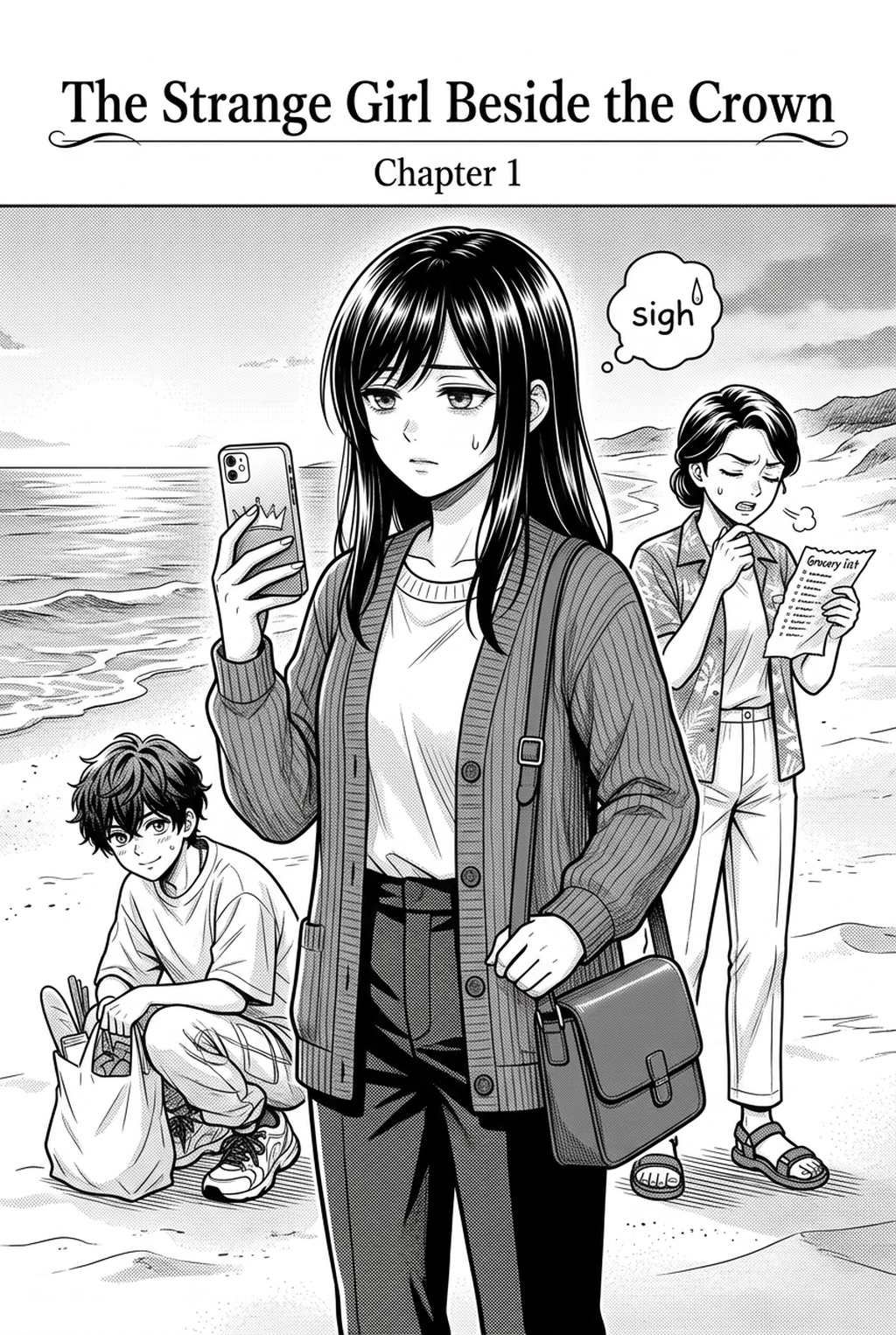
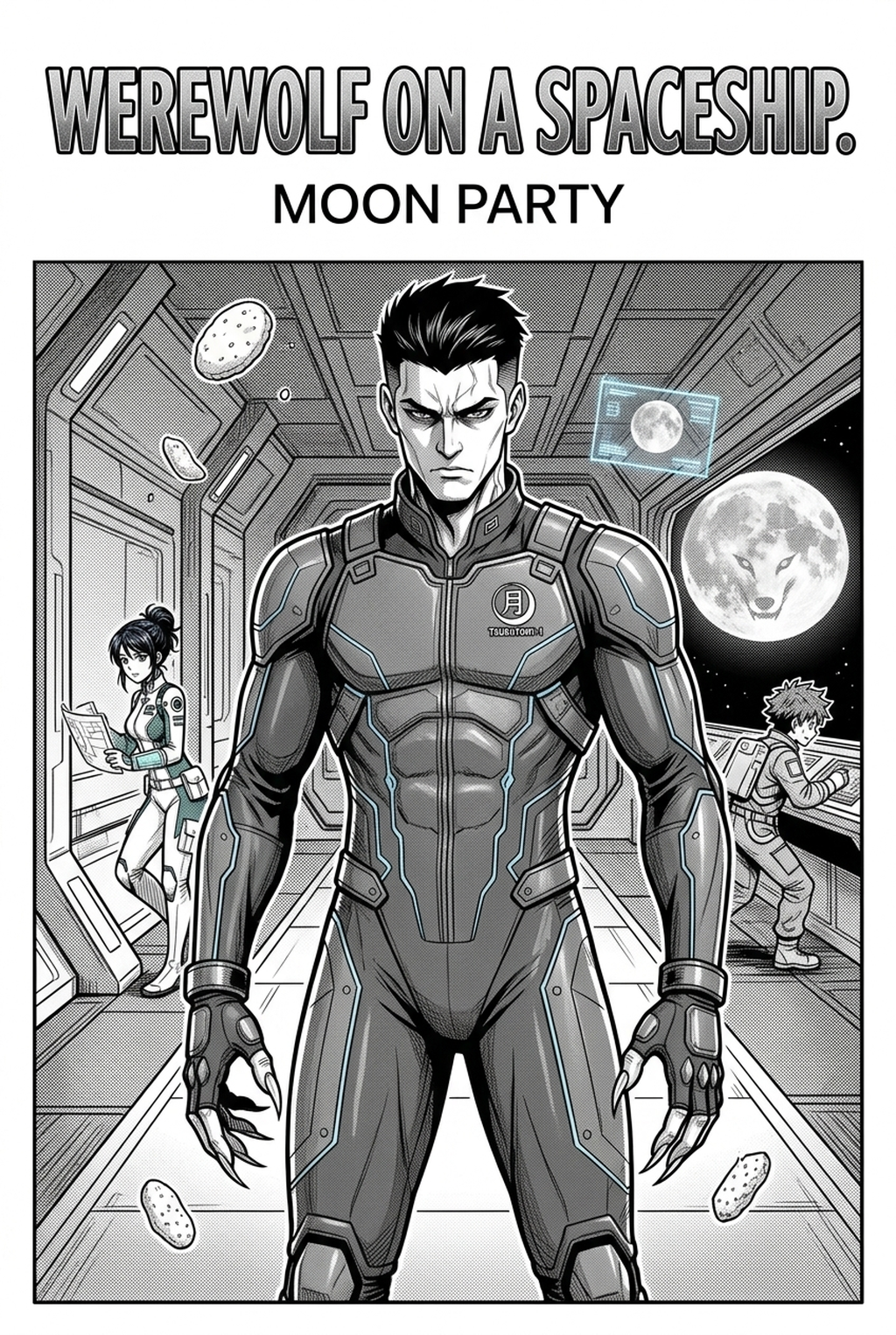
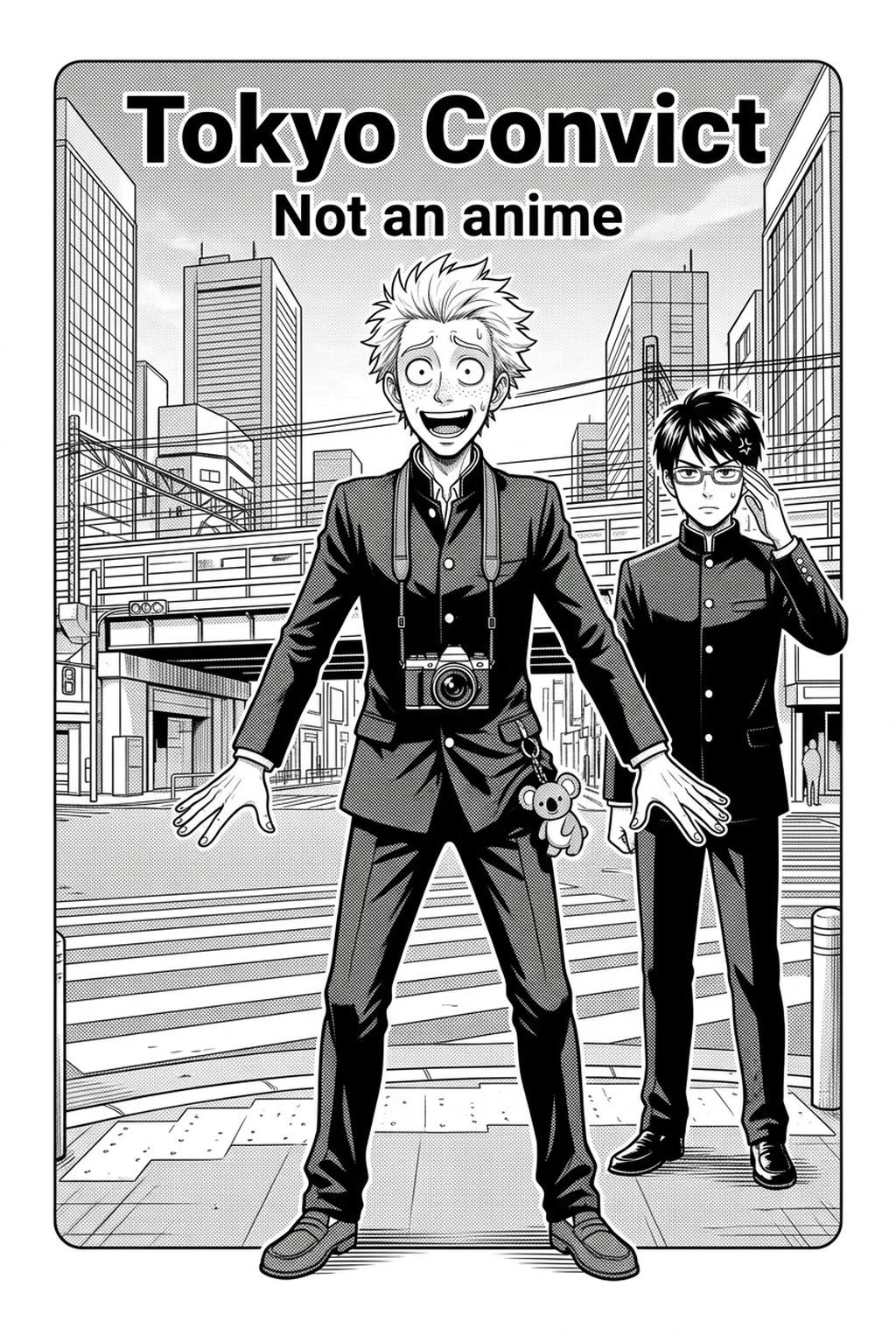
Crisp, clean lines serve as the final boundary for colorists and tone-adders, acting as a technical lock that prevents color bleed and ensures visual clarity during high-speed offset printing. Editors frequently use line density as an immediate technical indicator of quality when scouting for new series; inconsistent line weight across long-form chapters signals a lack of professional discipline that can deter potential publishers.
Maintaining a stable look for your cast across 200+ pages requires a rigid approach to line art that avoids 'drift,' where a character’s proportions slowly shift due to sloppy inking habits. By establishing a standard for how your lines interact with cross-hatching and shading, you ensure that every chapter feels like a cohesive part of the same volume.
- Bleed Prevention: Clean, closed-path lines prevent tone textures from leaking into white space, reducing the time required for editorial review. 25" print size and smaller mobile device screens. * Visual Hierarchy: Consistent density creates a clear separation between foreground subjects and background plates, which is vital for maintaining reader immersion.
Automating Line Art with Mangaka
Creators today leverage advanced software to stabilize trembling lines and normalize stroke pressure, allowing for a faster production cycle without sacrificing the hand-drawn "feel" of their original sketches. Instead of manually cleaning every frame, manga inking techniques with Mangaka analyzes your source context to generate clean, vector-ready line art automatically.
By offloading the tedious task of inking background architecture—such as complex cityscapes or interior rooms—artists can dedicate their limited manual energy to expressive character faces and emotional beats. This software ensures that your unique sketching style remains intact while the underlying algorithm fixes the repetitive, time-consuming filler tasks that typically lead to creator burnout.
When calibrated to your personal style, these tools do not replace the artist but instead act as a force multiplier for their specific vision. The goal is to normalize the path-smoothing process, ensuring that every panel adheres to your chosen style guide for line thickness and stroke modulation.
Application of Modern Inking Methods
Traditional methods are bound by the physical limitations of India ink and bristol board, whereas digital methods utilize pressure sensitivity and algorithmic path-smoothing to achieve superior resolution. This keeps the review focused on story intent, line weight, panel readability, and the export quality behind the final AI Manga Inker output.
- Handling Complex Cross-Hatching: Modern models are highly capable of interpreting dense cross-hatching patterns from a sketch, converting them into high-resolution line art that retains the artist’s original depth and texture. * Impact on Creative Feel: The use of digital assistance does not change the "feel" of a series, provided the artist maintains full control over the final review pass before export. * Workflow Integration: Integrating software tools early in the sketching phase allows you to see the final line-weight hierarchy before committing to the full page layout.
Starting Your Professional Inking Workflow
Mastering these techniques is no longer just about manual dexterity; it is about building a sustainable, high-volume production process that can survive the demands of a monthly serialization schedule. By combining traditional principles of line weight with the efficiency of modern AI tools, you can elevate the aesthetic polish of your work while significantly reducing the risk of repetitive strain injuries.
Creative Brief and Source Input. Creators should compare the generated line art with the original sketch and confirm that facial expressions, props, speed lines, and speech-bubble space still support the scene. A repeatable review pass should cover character consistency, panel readability, background clarity, and whether the final file is ready for coloring, lettering, or editor feedback. For longer projects, creators should save approved examples of line weight, face detail, clothing folds, and background density. Those references keep later chapters closer to the intended style.
- Chapter cadence. Use the AI pass for pages where speed matters most, such as repeated action poses, transformation beats, or dense speed-line panels. Keep manual cleanup for hero panels where the line style defines the emotional peak. - Character continuity. Compare the generated lines against the same model sheet, costume notes, and facial-expression range used during sketching. This prevents a fast inking pass from drifting away from the character identity readers recognize. - Export readiness. Check whether the final manga output can move into lettering, coloring, or final layout without rebuilding panel borders or speech-bubble space. A good manga workflow should save time while keeping the next production step predictable.
Creators should mark which panels are final and which panels still need redraws. Clear status labels prevent an assistant, editor, or colorist from polishing the wrong version.
- Chapter cadence. Use the AI pass for pages where speed matters most, such as repeated action poses, transformation beats, or dense speed-line panels. Keep manual cleanup for hero panels where the line style defines the emotional peak.
- Character continuity. Compare the generated lines against the same model sheet, costume notes, and facial-expression range used during sketching. This prevents a fast inking pass from drifting away from the character identity readers recognize.
- Export readiness. Check whether the final manga output can move into lettering, coloring, or final layout without rebuilding panel borders or speech-bubble space. A good manga workflow should save time while keeping the next production step predictable.
The Bottom Line
Professional manga inking requires a balance of disciplined line weight and efficient production, ensuring that your storytelling is never obscured by technical limitations. By using tools to automate the heavy lifting of background and repetitive line cleaning, you protect your creative energy for the moments that define your characters. Start your journey by refining your digital workflow and manga inking techniques to achieve professional-grade results faster than ever.
Related articles
Mastering 4-Koma Strip Structure: A Guide for Mangaka 2026
What Is a 4-Koma Strip? A Guide to 4-Panel Manga in 2026
Creative 4-Koma Strip Ideas to Kickstart Your Manga in 2026