AI Manga Inker: Core Fundamentals of Inked Art
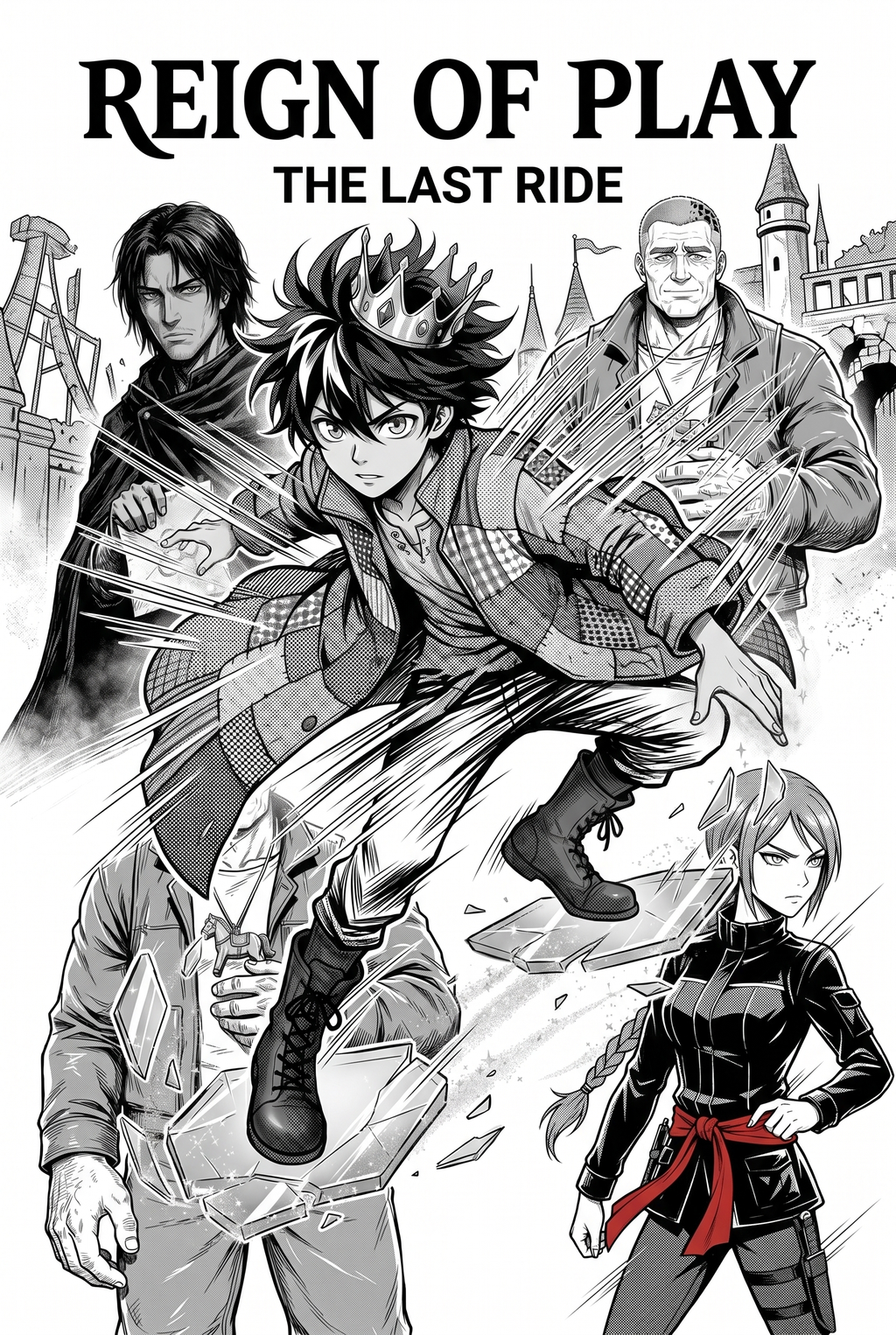
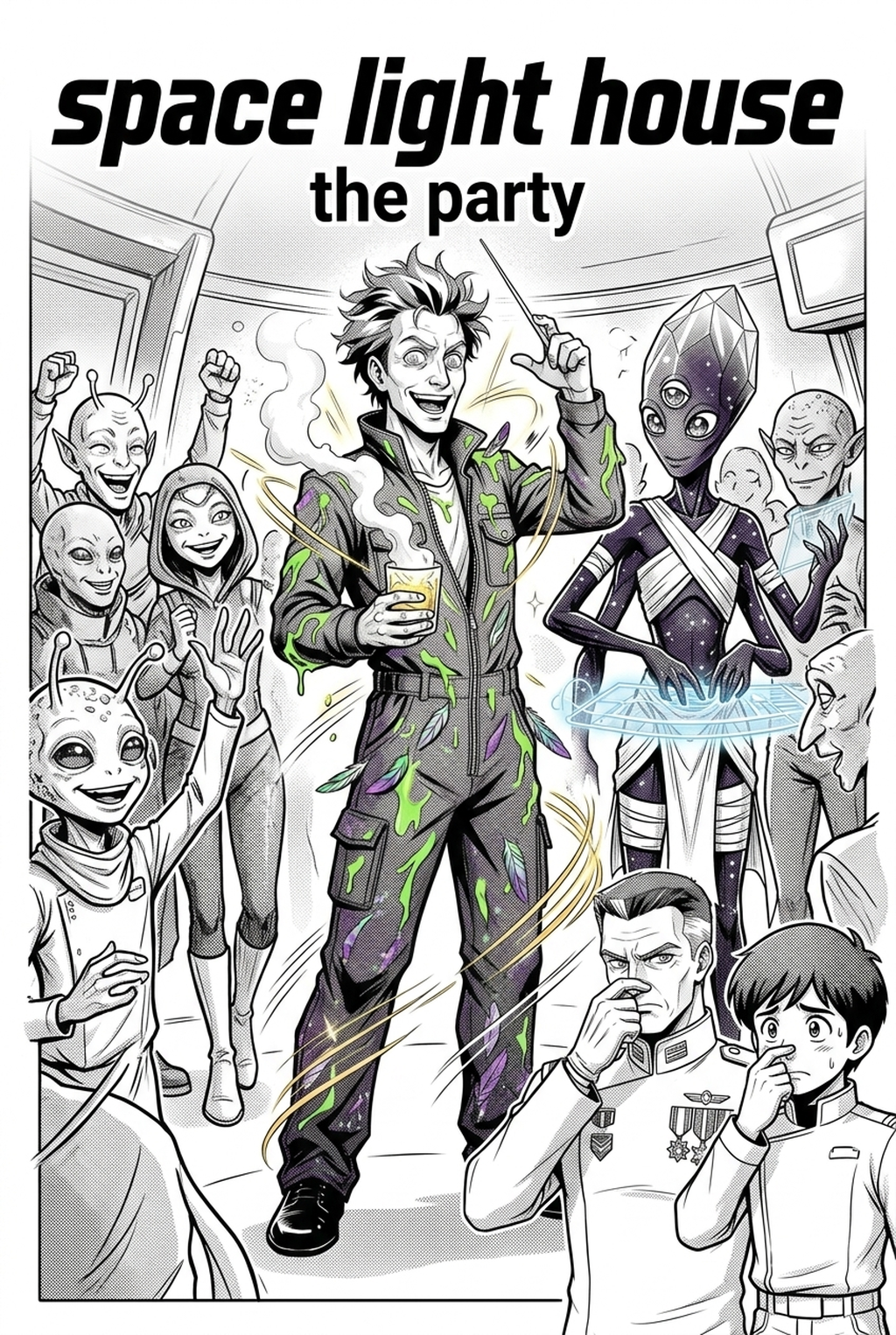
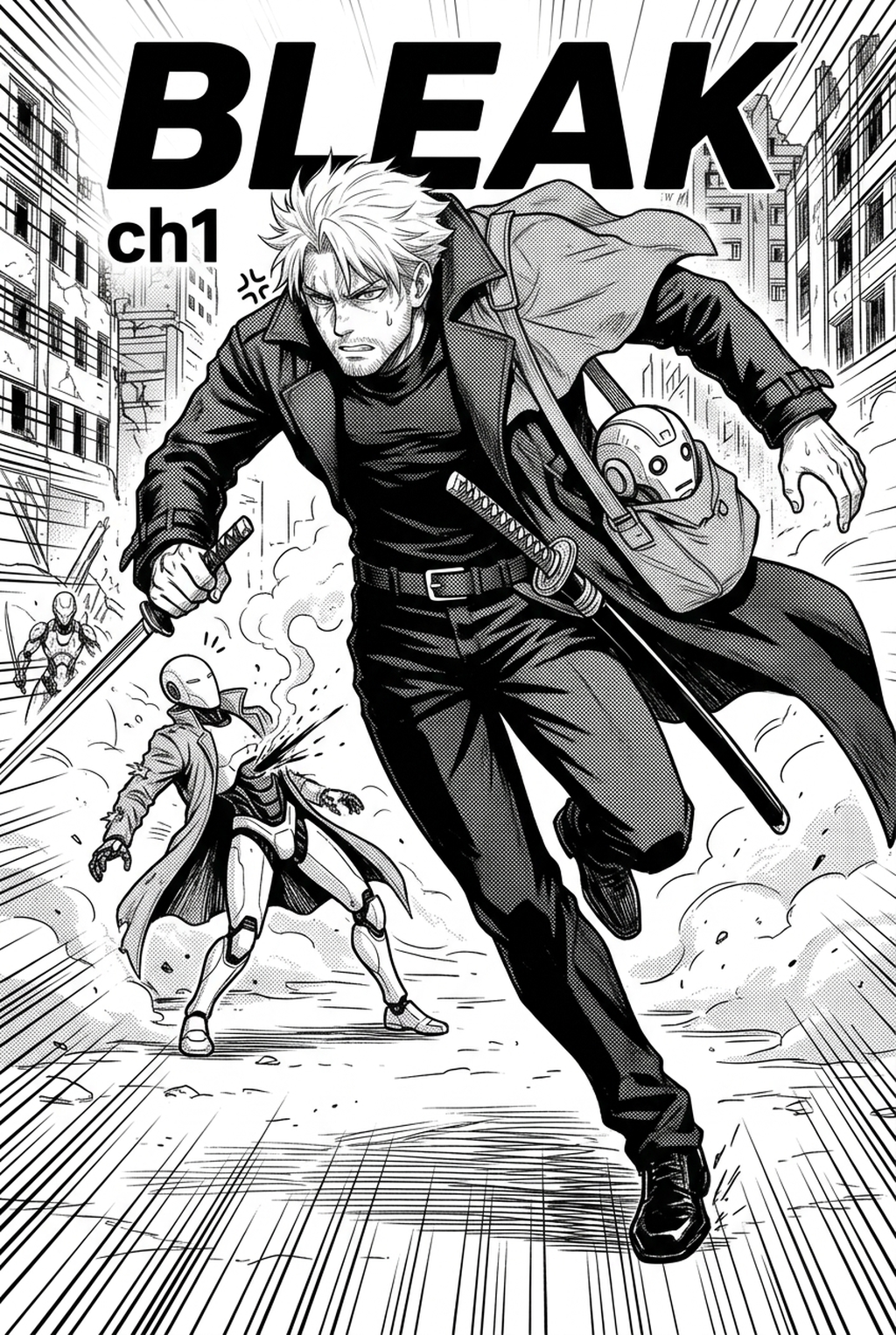
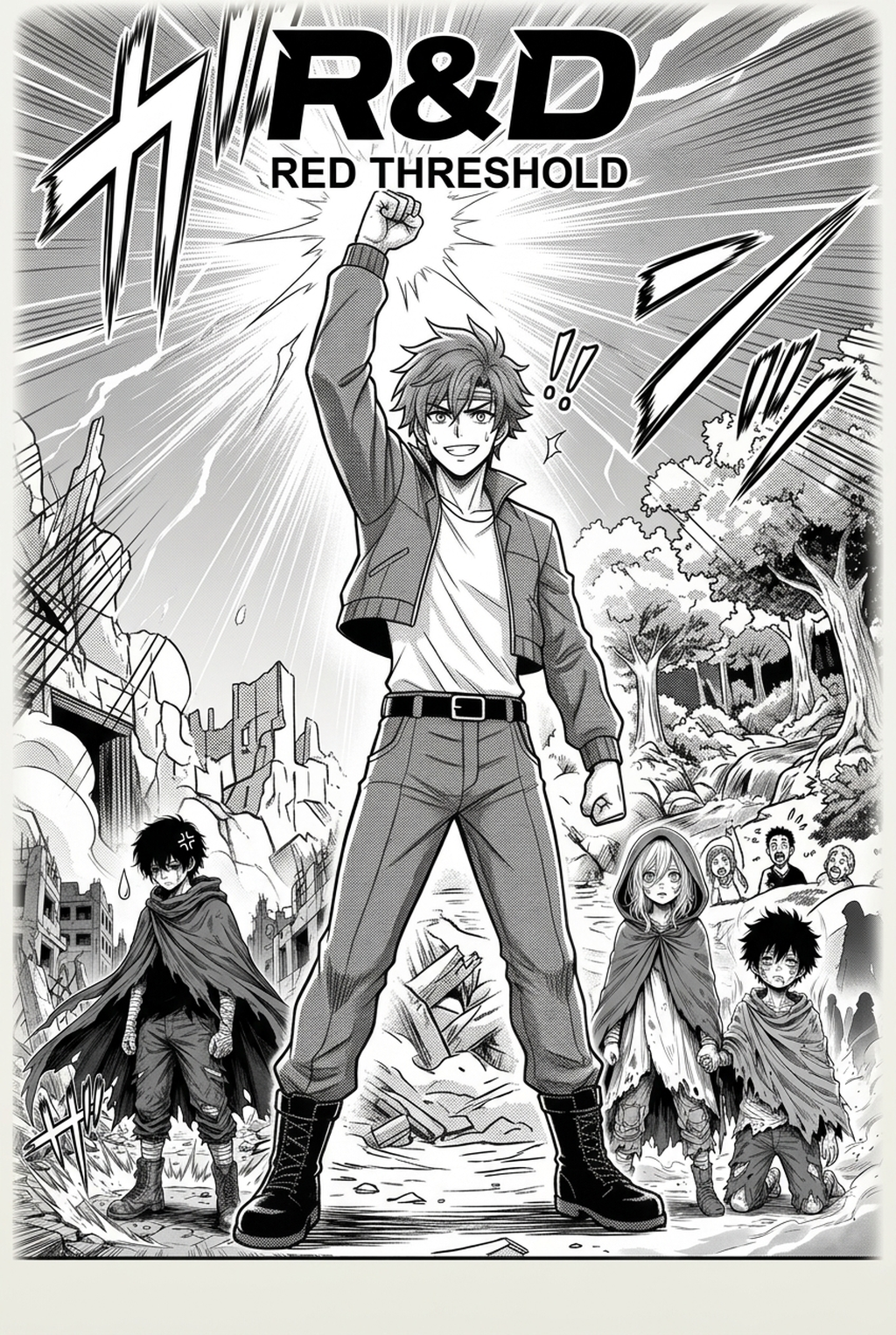
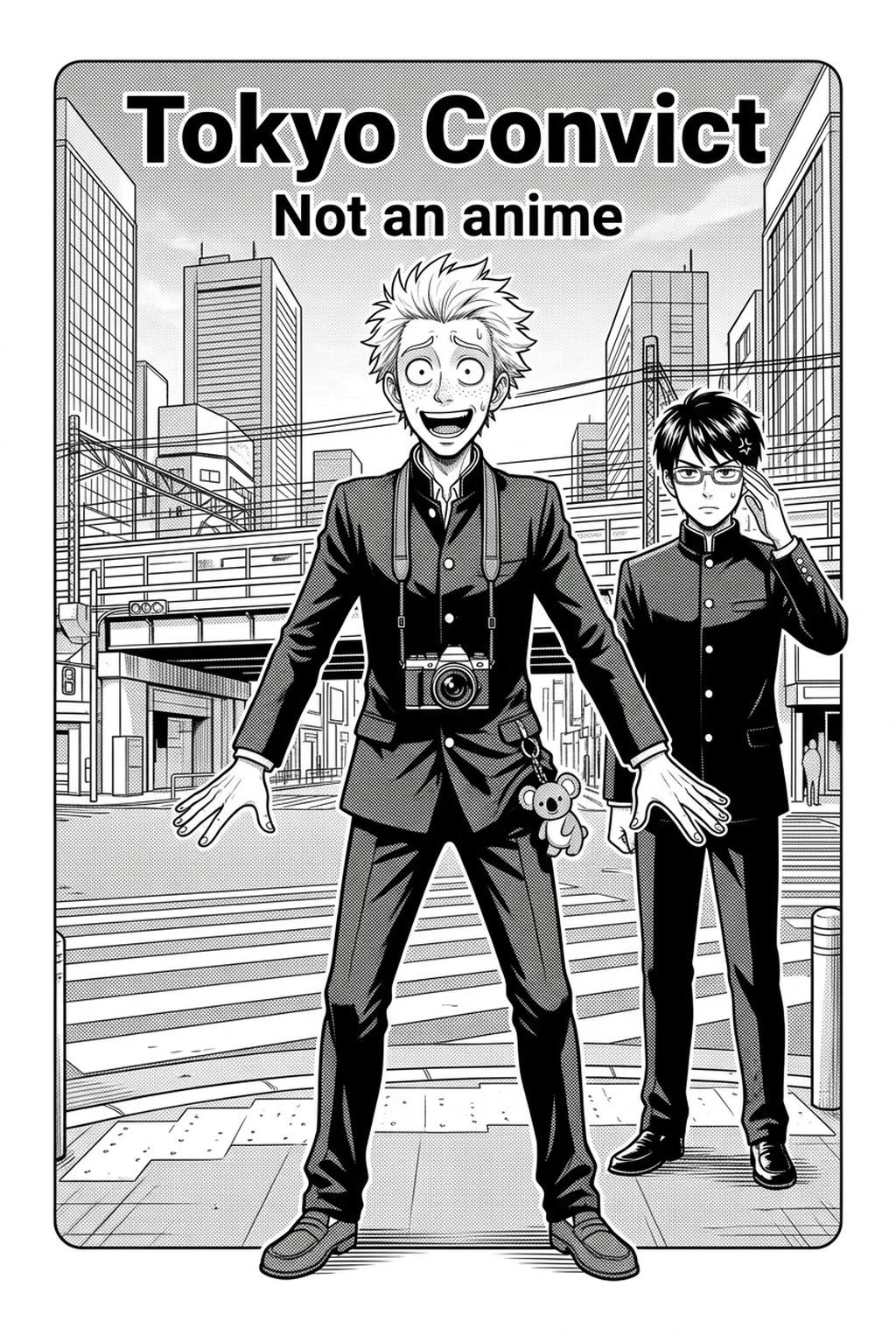
Professional inking relies on 'line weight' variation to communicate light sources and 3D volume, as uniform lines struggle to distinguish foreground character silhouettes from background scenery. Effective pages utilize a deliberate hierarchy of stroke width, where thick, heavy outlines anchor the subject and delicate, thin lines provide the internal anatomical detail required for realistic facial expression.
Tapering and Flow: Utilizing the natural tapering of a G-pen mimics the pressure-sensitive organic flow found in high-end Shonen titles. * Precision Detailing: Employing a Maru-pen allows for the fine-point accuracy needed to render eyelashes, iris highlights, and subtle textural nuances in a character's hair. * Textural Hatching: Mastering 'kakeami' (cross-hatching) is essential for creating tonal depth and moody lighting without relying on digital greyscale screen tones alone. * Shadow Anchoring: Establishing a strong visual boundary between the illuminated side of an object and its shadow side separates amateur, "floating" art from professional-grade panels.
Why Technical Skill Matters for Creators
Traditional workflows involve physical paper and dip pens, which require high manual dexterity and expensive physical materials that are difficult to archive or iterate upon. Digital inking offers non-destructive layers and stabilization, though it can suffer from a 'sterile' look if line variance is not intentionally managed during the cleanup phase.
The modern standard utilizes a hybrid approach: sketching on a tablet, then using AI tools to clean and vectorize lines to mimic authentic ink-bleed texture. This shift preserves the human soul of the initial drawing while eliminating the fatigue associated with manual cleaning of hundreds of panels per volume. By offloading the repetitive inking of architectural backgrounds or complex fabric folds, artists preserve their creative energy for the critical emotional beats of the story.
How Mangaka Automates the Workflow
The AI Manga Inker from manga inking techniques with Mangaka automates the tedious clean-up phase, converting loose, chaotic pencil sketches into high-fidelity, clean line art instantly. This process maintains the natural 'pen pressure' aesthetic of traditional Japanese manga, ensuring the final output remains authentic to the creator's intent without requiring manual point-by-point path adjustment.
For a standard 18-page chapter, this integration allows creators to bypass the exhausting cleanup of background elements—such as dense urban streetscapes—while maintaining perfect character consistency. The tool functions by interpreting the creator's pressure input from their initial sketch, applying a consistent line-weight logic that keeps the art sharp even after significant enlargement for high-resolution print exports. This automation is not merely a filter but a sophisticated recognition system that preserves the specific 'grit' and grit-distribution of a creator's unique inking style.
Atmospheric Density and Composition
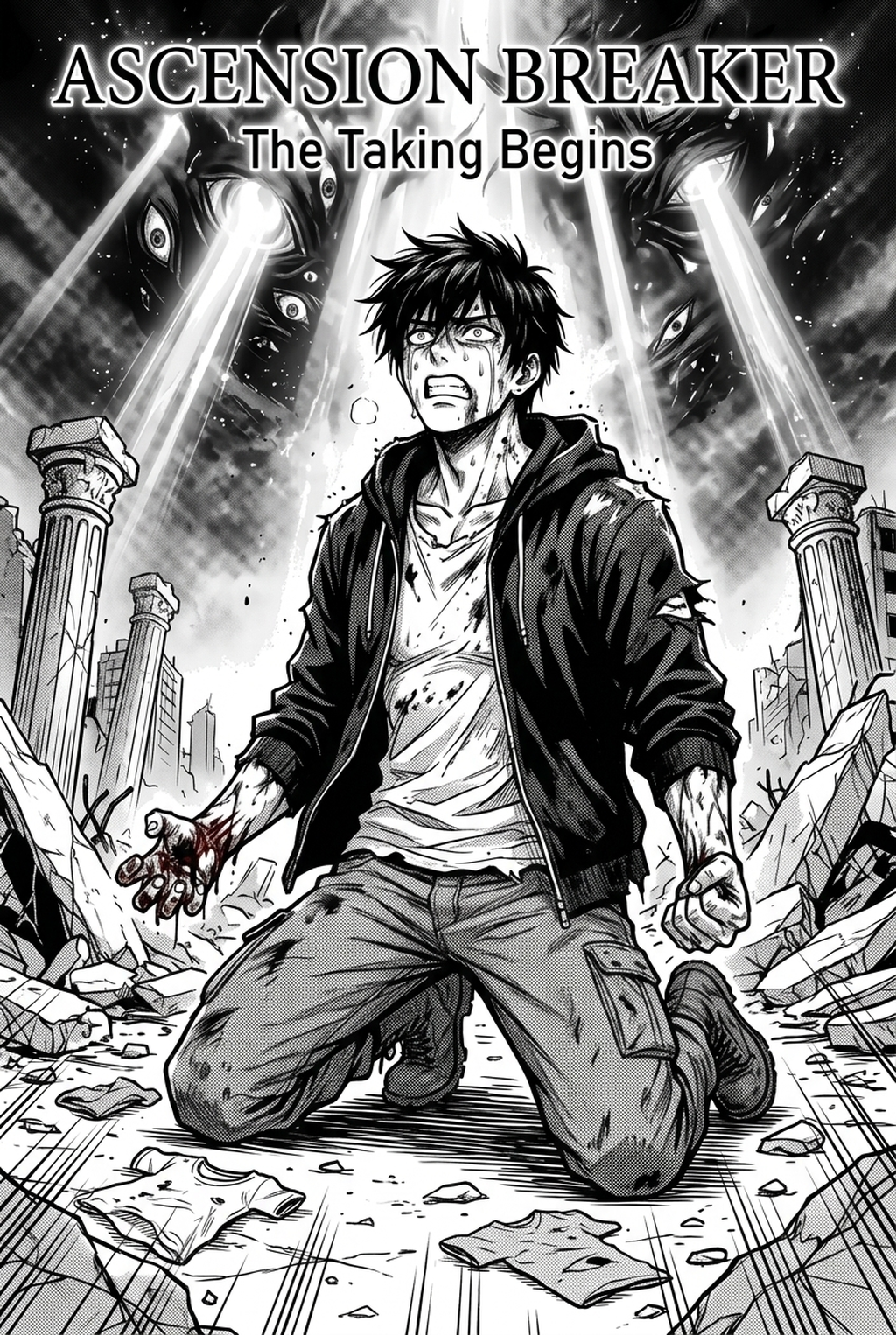
Atmosphere is achieved through varying line density, where denser hatching creates darker, more somber moods that define the contrast between high-action scenes and quiet, introspective dialogue moments. Negative space management is a crucial technique that keeps pages legible, preventing visual clutter in high-action sequences where dozens of speed lines might otherwise obscure character anatomy.
Action Pacing: Denser, thicker outer contours help distinguish characters during high-motion panels, keeping them readable against complex background effects. * Emotional Weight: Selective use of heavy 'spot blacks' anchors the page, providing a visual resting point for the reader amidst chaotic battle sequences. * Style Iteration: Using digital integration allows artists to experiment with different line weights and shadow densities in seconds, facilitating faster iteration cycles before the final export.
Initiating the Modern Creative Cycle
Achieving professional results requires a bridge between manual creative instincts and digital efficiency. Many industry professionals are integrating AI to automate base-level inking, allowing them to focus on final polish and artistic direction rather than spending hours on manual clean-up of simple line segments.
Perfect Line Tapering: Tapering is best achieved by utilizing tablet pressure-sensitivity or AI-powered smoothing that replicates the precise 'pen-lift' motion, ensuring every stroke has a tapering start and end point. * Preserving Signature Styles: Modern AI models can be tuned to detect the unique weight and grain of your specific drawing style, ensuring that the inked output does not look like a generic asset library but like your original hand-drawn work. * Professional Benchmarking: If you find your character proportions drifting during the inking process, prioritize a tool that maintains the spatial coordinates of your initial sketch while refining the line fidelity.
Before Export. Creators should compare the generated line art with the original sketch and confirm that facial expressions, props, speed lines, and speech-bubble space still support the scene. A repeatable review pass should cover character consistency, panel readability, background clarity, and whether the final file is ready for coloring, lettering, or editor feedback.
For Longer Projects. Creators should save approved examples of line weight, face detail, clothing folds, and background density. Those references keep later chapters closer to the intended style. For collaboration, creators should mark which panels are final and which panels still need redraws. Clear status labels prevent an assistant, editor, or colorist from polishing the wrong version.
For Publishing. Creators should review the page at the actual reading size before export. Small screens expose crowded dialogue, weak silhouettes, and line details that looked fine while zoomed in. This keeps the review focused on story intent, line weight, panel readability, and the export quality behind the final AI Manga Inker output.
Bridge Traditional Dip Pens and Digital Inking with Mangaka.app
The tactile soul of traditional manga inking lies in expressive line weight and decisive stroke dynamics. Mangaka.app captures traditional ink aesthetics with digital speed:
- Authentic Nib Response Modeling: Simulate the responsive bite and fluid feathering of Maru, G-pen, and School nibs.
- Clean Monochrome Binary Output: Eliminate fuzzy antialiasing artifacts to ensure razor-sharp reproduction on printed pages.
- Streamlined Spot-Inking & Beta Fills: Apply rich solid blacks with intelligent threshold detection that respects delicate boundary lines.
- Instant Screentone & Ink Wash Shading: Pair clean digital inks with classic dot screentones and atmospheric tonal washes.
For comic artists, manga creators, and indie publishers looking to elevate their production workflow, Mangaka.app provides an end-to-end AI creation suite with consistent character generation, automated komawari paneling, and professional 600 DPI monochrome inking.
The Bottom Line
Mastering AI Manga Inker workflow is about balancing technical precision with artistic emotion, regardless of the tools used. By adopting modern AI-assisted workflows, indie creators can reach professional production speeds without compromising the integrity of their hand-drawn sketches. You can streamline your entire production sequence today by visiting the manga inking techniques to transform your sketches into publication-ready art.
Related articles
What Does a Manga Colorist Do? A 2026 Artist Guide
Streamline Your Manga Colorist Workflow with AI Tool in 2026
What Is a Manga Colorist? The 2026 Role and Tools Guide