The Mechanics of Visual Page Flow
Manga panel composition is the deliberate orchestration of 'koma' (panels) designed to shepherd the reader’s eye across a page using standard right-to-left, top-to-bottom reading conventions. Effective layouts prioritize the 'mise-en-scène' of each individual box, ensuring that focal points align perfectly with the narrative intensity of the specific scene being depicted.
- Gutter Width: The empty space between panels that acts as a temporal pause; keeping this consistent is vital to prevent confusion in fast-paced action sequences. * Bleed: Panels that extend to the edge of the physical page, which are typically reserved for large-scale environmental shots or high-impact character reveals. * Focus Panels (Daikoma): Large, high-priority frames used to ground the reader after a sequence of smaller, fast-paced panels, often providing necessary context for a shift in setting. * Negative Space: The absence of line art or dialogue, which you must balance against speech balloon placement to prevent the page from feeling overcrowded or claustrophobic.
Why Structural Choices Define Narrative Impact
Layout decisions fundamentally determine whether a scene feels frantic and chaotic or slow and contemplative, serving as the primary pacing tool in your storytelling toolkit. While many believe that standard square layouts provide the most clarity, they often lead to a "static" reading experience that drains the kinetic energy from high-stakes conflicts.
By utilizing slanted panel borders, you can inject a sense of instability or rapid movement into a scene, forcing the reader’s eye to move faster across the page. Conversely, strictly horizontal, uniform grid structures create a sense of monotony or trapped dread, which is an intentional choice for psychological horror or grounded drama. The strategic relationship between panel size and importance remains the single most effective way to subvert reader expectations, allowing you to hide key clues in smaller panels or emphasize emotional climaxes with expansive, full-page spreads.
How Mangaka Bridges Script and Layout
Mangaka serves as an automated storyboard artist that translates your raw text scripts into visual sequences, allowing you to focus on artistic intent rather than the drudgery of manual layout blocking. By handling the initial distribution of panels, the tool ensures that your narrative rhythm is established before you commit to detailed inking or final tone work.
One of the most common failure modes in manga production is the drift of character proportions or spatial orientation when moving between panels on a multi-page sequence. Mangaka mitigates this risk by maintaining source context across your entire scene, ensuring that your lead protagonist remains consistently positioned relative to their environment.
In a practical scenario, if you are drafting a 5-page fight sequence, you might start with a raw script block. Using the tool, you define the 15-20 required panels, and the system generates the initial layout, preserving line-weight consistency across the entire export. This allows you to bypass the repetitive drafting phase, leaving you as the "review owner" who refines the emotional tone and visual fidelity of the final output. You can then manga panel composition with Mangaka by inputting your script to see how these automated structures align with your vision.
Use Cases for Diverse Manga Styles
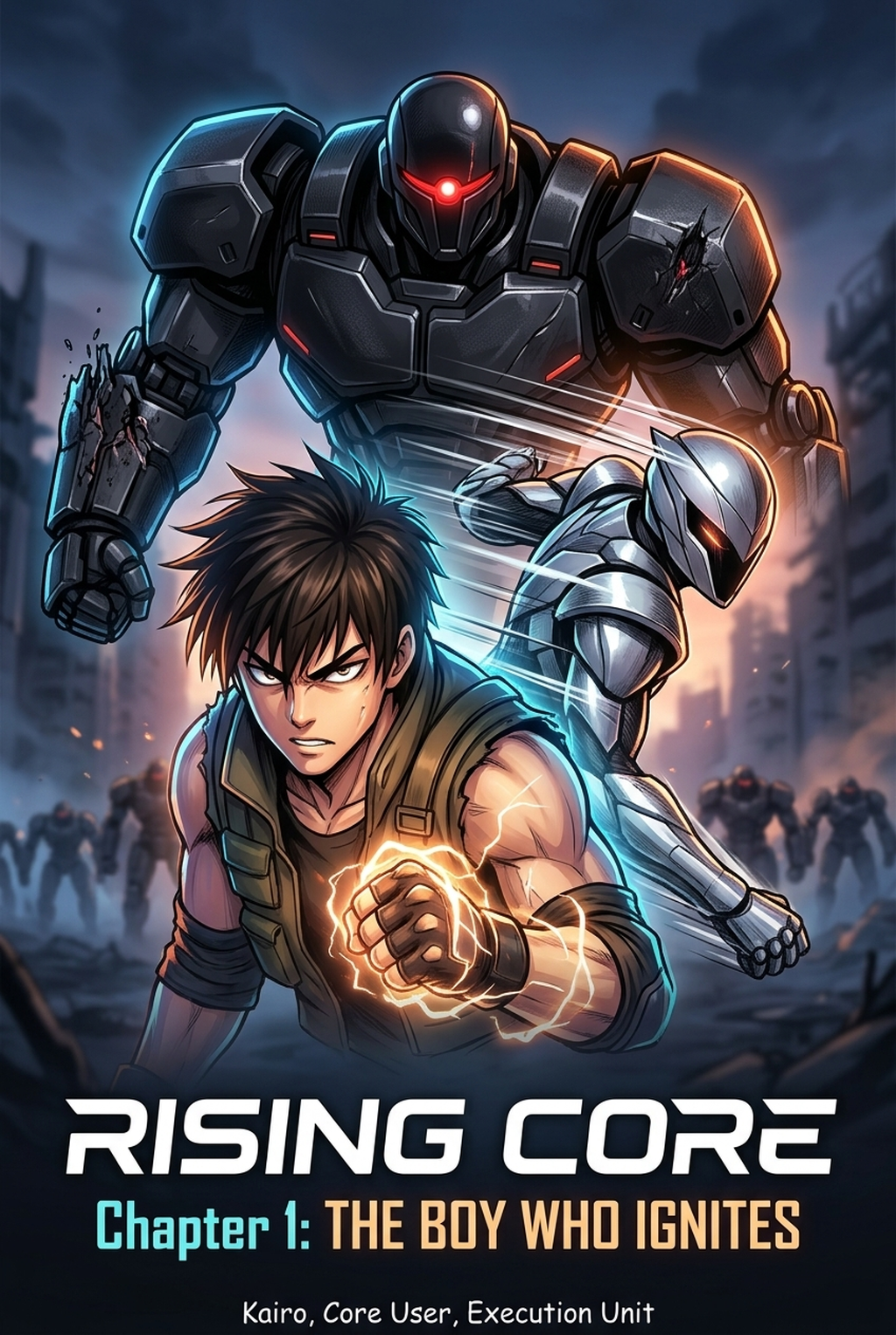
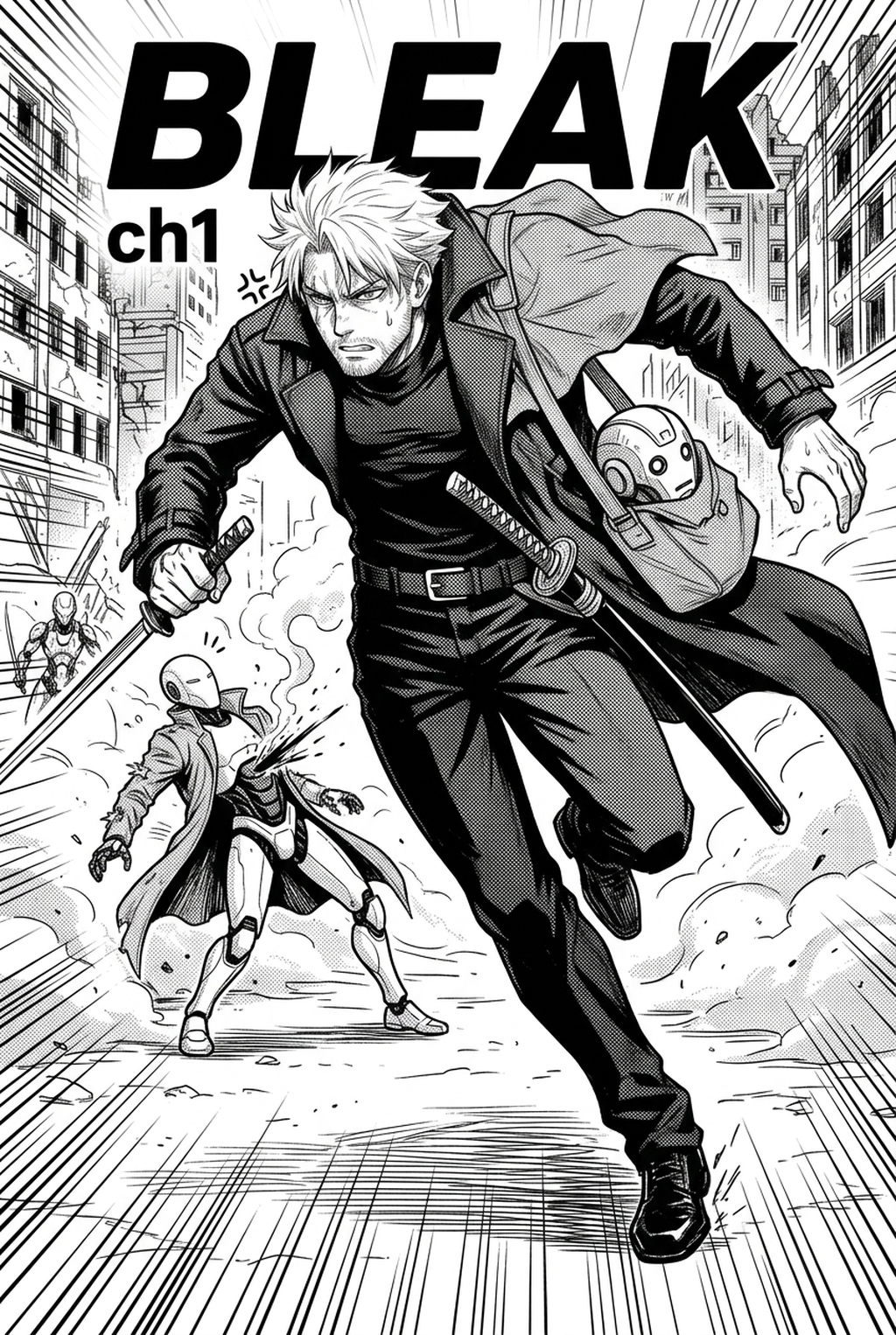
Shonen artists must prioritize "impact framing," utilizing oversized, high-angle panels to emphasize the scale and weight of battle sequences while maintaining a clear directional flow for the reader. These creators often sacrifice traditional grid alignment for explosive, overlapping panel shapes that spill across the gutter, effectively shattering the "page box" to reflect the intensity of a power-up or a decisive strike.
- Seinen Atmospheric Blocking: Lean into psychological tension by utilizing asymmetric, non-linear panel arrangements that leverage heavy shadows and negative space, often requiring the reader to dwell on subtle environmental details. * Shojo Emotional Intimacy: Prioritize character emotionality by using soft-edged, "floating" panels that drift across the page, de-emphasizing rigid physical geometry in favor of dream-like, intimate framing of character reactions and interpersonal dialogue.
Getting Started with Layout Automation
Creators often worry that using automated layout tools might stifle their personal style, yet this approach is a professional workflow enhancement that mimics the role of a traditional manga assistant. You maintain full creative control, using the AI to block out complex sequences while you handle the final inking, dialogue placement, and artistic flair that defines your unique brand.
- Handling complex page layouts: Yes, you can generate complex compositions based on your script, which you then customize to suit your specific artistic needs or scene requirements. * Avoiding reader confusion: Follow the standard Japanese reading order (right-to-left, top-to-bottom) and maintain uniform gutter spacing to provide clear, predictable pathways for the reader’s eye. * Professional perception: Using these tools is not cheating; it is a professional optimization strategy that allows you to shift your focus from repetitive mechanical tasks to high-level artistic direction.
Creators should compare the generated line art with the original sketch and confirm that facial expressions, props, speed lines, and speech-bubble space still support the scene. This keeps the review focused on story intent, line weight, panel readability, and the export quality behind the final AI Manga Panel Generator output.
The Bottom Line
AI Manga Panel Generator workflow is the backbone of successful visual storytelling, effectively blending technical structure with the nuance of your creative expression. By utilizing advanced tools like Mangaka, you can bypass the tedious drafting phase, ensuring your visual narrative matches your original script's vision with precision and speed. manga panel composition and see how quickly you can transform your rough scripts into professional-grade manga pages.
Related articles
What Is a Manga Storyboard and Why Is It Vital for Flow?
Manga Storyboard Guide: Plan Your Narrative Flow Like a Pro
Manga Storyboard: How to Plan Your Panels for 2026