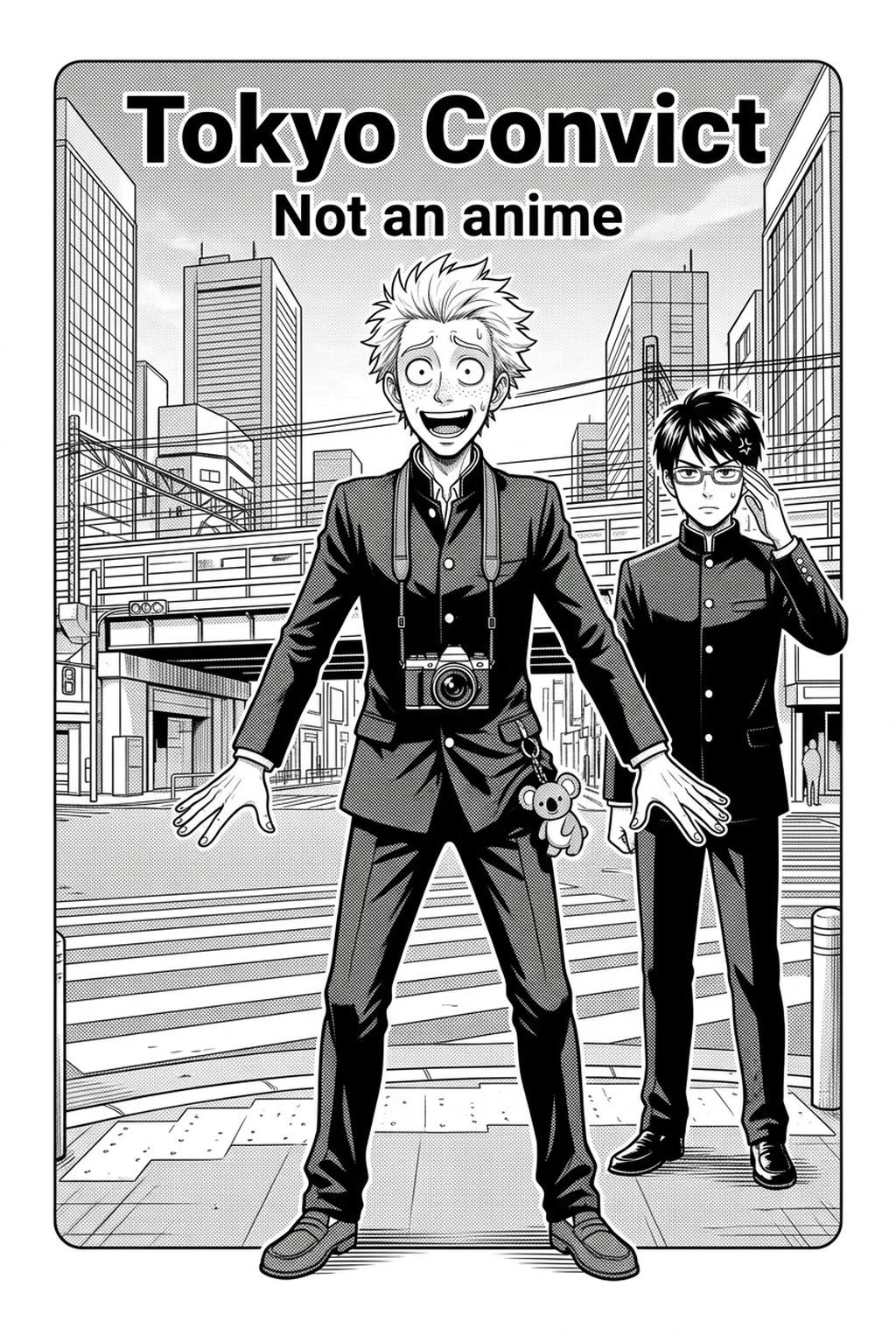
AI Manga Speech Bubble Layout: The Impact of Dialogue Placement on Reader Immersion
Improperly positioned balloons create severe eye-strain, forcing readers to guess the dialogue sequence during fast-paced fight scenes or tense emotional reveals. When you fail to maintain a logical sequence, the reader loses their place, effectively shattering the immersion that detailed, high-resolution panel work aims to build.
Consistency in balloon shape and tail orientation helps readers distinguish between internal monologue, shouted dialogue, and hushed whispers without needing descriptive text. Using rounded balloons for standard speech and jagged, pointed edges for intense shouting reinforces character states, whereas internal thoughts traditionally use cloud-shaped, bubbled tails to separate them from the physical world.
Seinen series often feature intricate, atmospheric backgrounds that demand careful protection from aggressive balloon placement. You must use intelligent masking to ensure your text respects these heavy line-weight details, preventing the dialogue from "erasing" the architectural details or texture maps you spent hours refining.
Check character consistency, panel readability, line quality, and export readiness before publishing. Creators should also record why the page passed review, which panel details still need manual cleanup, and which export format the next collaborator will use. That makes the subsection useful instead of leaving a short checklist under a large heading.
How Intelligent Tools Optimize Your Workflow
AI-driven systems use advanced object detection to identify panel boundaries and character faces, suggesting optimal balloon positions that balance aesthetic needs with legibility constraints. By automating this, you avoid the manual, frame-by-frame adjustment that often leads to inconsistent balloon sizing across a chapter.
Modern automated systems allow you to manipulate bubble positions dynamically as you edit script volume or refine panel breaks. This flexibility is vital when you find that a character’s expression requires more breathing room after the initial sketch phase, allowing you to shift the entire layout without rebuilding the page from scratch.
Exporting your manga with metadata-driven formatting keeps your dialogue and balloons as separate, editable layers. This ensures that when you prepare a project for international markets, you do not need to redraw backgrounds or scrub through flat images; you can simply swap out the text layer while maintaining the original balloon positioning.
| Feature | Manual Layout Method | AI-Assisted Layout |
|---|---|---|
| Bubble Positioning | Manual drag-and-drop | Auto-anchored to corners |
| Masking Intensity | High manual effort | Automated background respect |
| Localization Ready | Flattened layers only | Separated text/balloon layers |
Scenarios for Handling Complex Layouts
You may wonder how to manage pages with high dialogue density without overwhelming the artwork or confusing the reader. A proven approach involves staggering balloon heights along the vertical axis, ensuring that the dialogue path is obvious even when three or more characters are speaking in a single panel.
A common fear is that AI-positioned dialogue will obscure your original line art or character proportions. You can mitigate this by setting strict clearance parameters that prevent balloons from entering the "inner 30%" of any panel occupied by a face, ensuring your character’s emotional performance remains the primary focus.
While automation handles the primary placement, you must ensure the tail direction of your balloons points clearly to the speaker to avoid ambiguity. High-quality systems allow for manual overrides where you can adjust the tail anchor to point specifically to a character's mouth or eye line, ensuring the reader knows exactly who is speaking during crowded scene panels.
Getting Started with Professional Tools
Mastering speech bubble layout is the final, crucial step in polishing your manga pages to meet professional industry standards for clarity and flow. By leveraging manga speech bubble layout with Mangaka , you save significant hours of manual adjustment, allowing you to focus on high-level artistic goals like shading, lighting, and pacing rather than simple balloon alignment.
Creators should compare the generated line art with the original sketch and confirm that facial expressions, props, speed lines, and speech-bubble space still support the scene. A repeatable review pass should cover character consistency, panel readability, background clarity, and whether the final file is ready for coloring, lettering, or editor feedback. For longer projects, creators should save approved examples of line weight, face detail, clothing folds, and background density. Those references keep later chapters closer to the intended style.
- Before Export. Creators should compare the generated line art with the original sketch and confirm that facial expressions, props, speed lines, and speech-bubble space still support the scene. A repeatable review pass should cover character consistency, panel readability, background clarity, and whether the final file is ready for coloring, lettering, or editor feedback.
- For Longer Projects. Creators should save approved examples of line weight, face detail, clothing folds, and background density. Those references keep later chapters closer to the intended style. For collaboration, creators should mark which panels are final and which panels still need redraws. Clear status labels prevent an assistant, editor, or colorist from polishing the wrong version.
- For Publishing. Creators should review the page at the actual reading size before export. Small screens expose crowded dialogue, weak silhouettes, and line details that looked fine while zoomed in. For style control, creators should keep a short reference board beside the draft and compare hair shapes, eye details, costume folds, and texture choices before approving the final page.
Creators can evaluate manga speech bubble layout with Mangaka mid-workflow when they need the product path tied directly to review, refinement, and export. A real test should use the same sketch, character goal, or panel sequence that would otherwise need manual cleanup after generation.
The Bottom Line
Effective speech bubble placement transforms a collection of sketches into a professional-grade sequence that guides the reader's eye intuitively through the page. By integrating professional layout techniques into your production process, you ensure that your dialogue supports your art instead of masking it, ultimately creating a more polished and readable final product.
Related articles
Manga Character Design: A Guide for 2026 Indie Creators
Automate Your Manga Inking: Get Clean Lines in 2026
Create Professional Manga Character Design in 2026