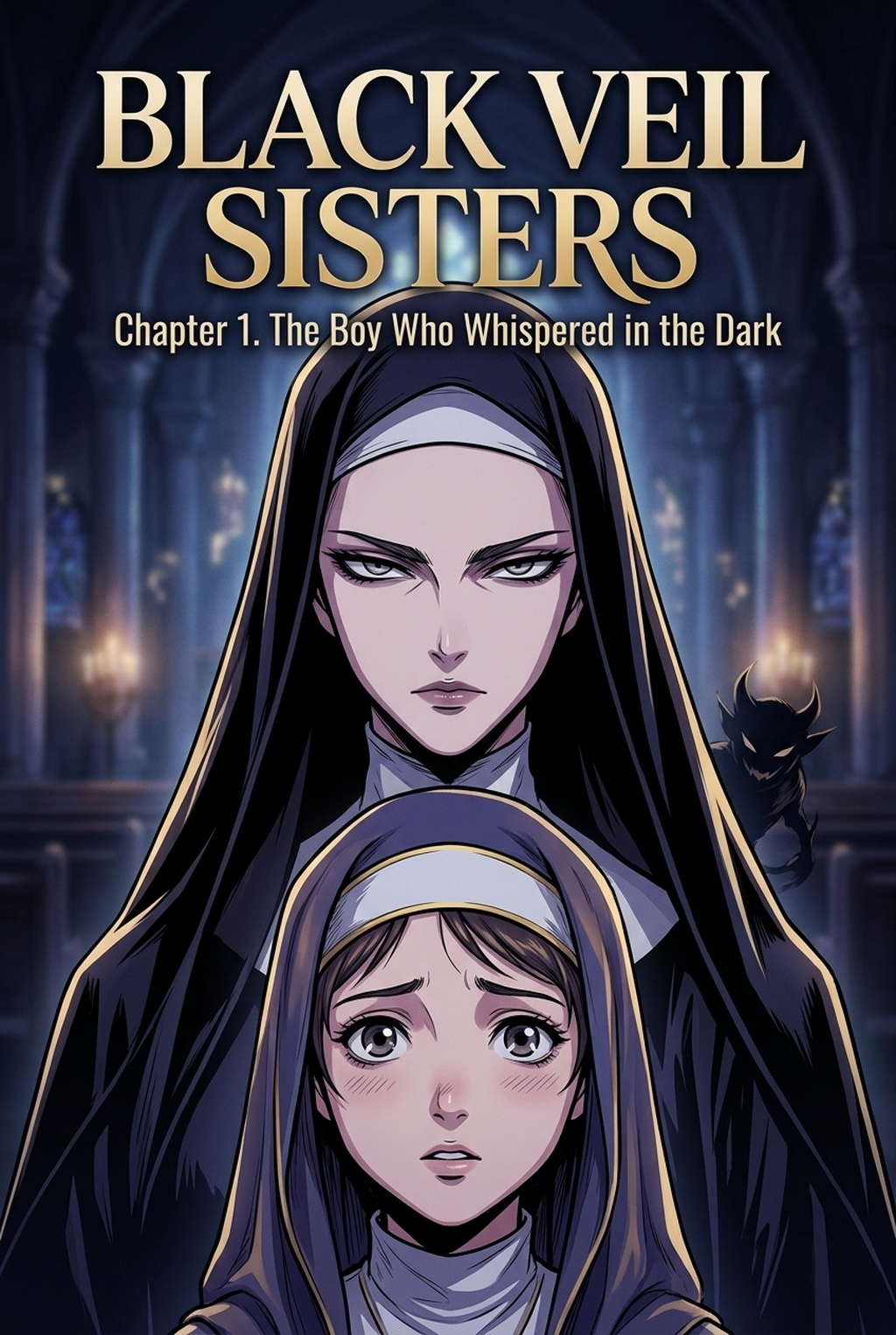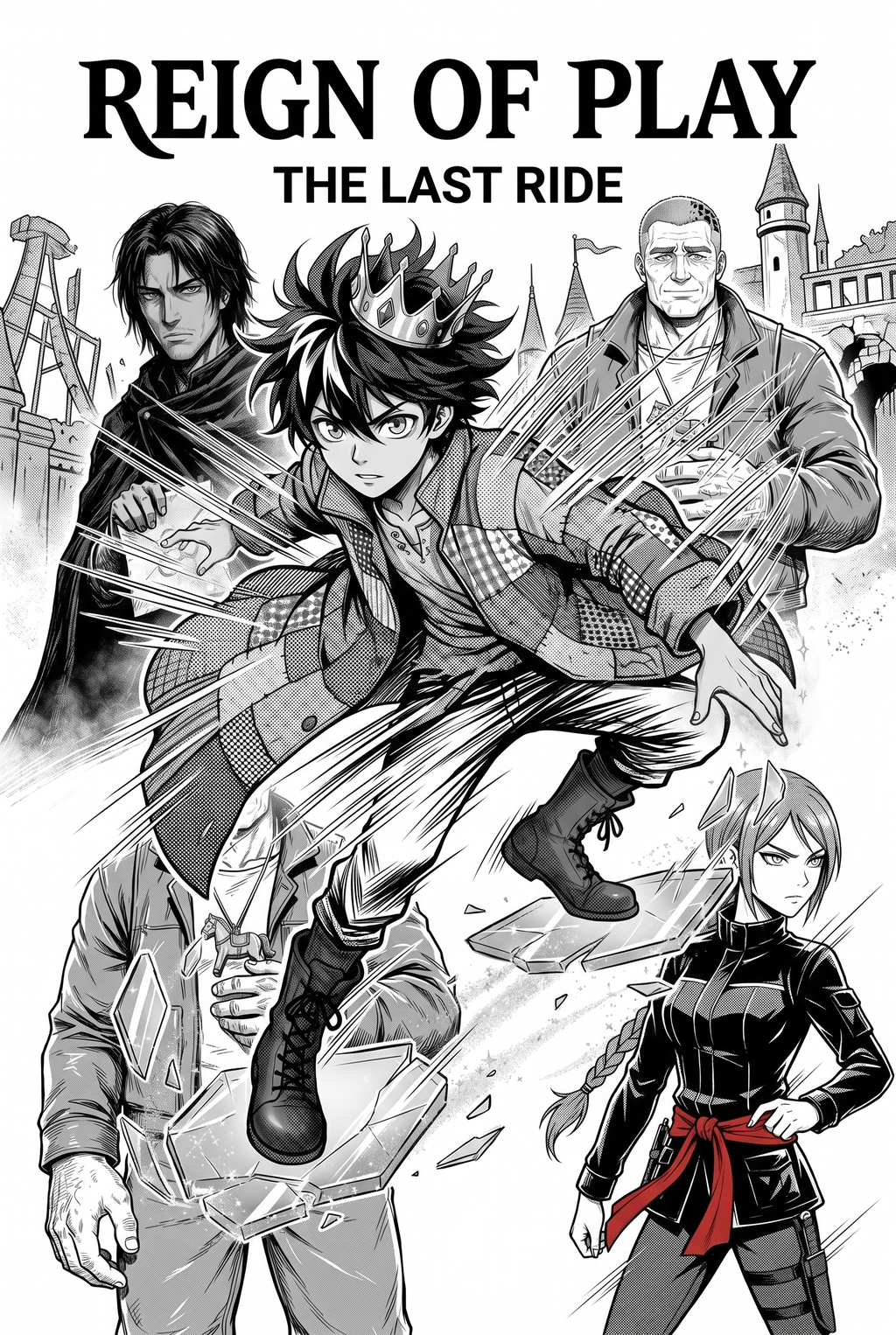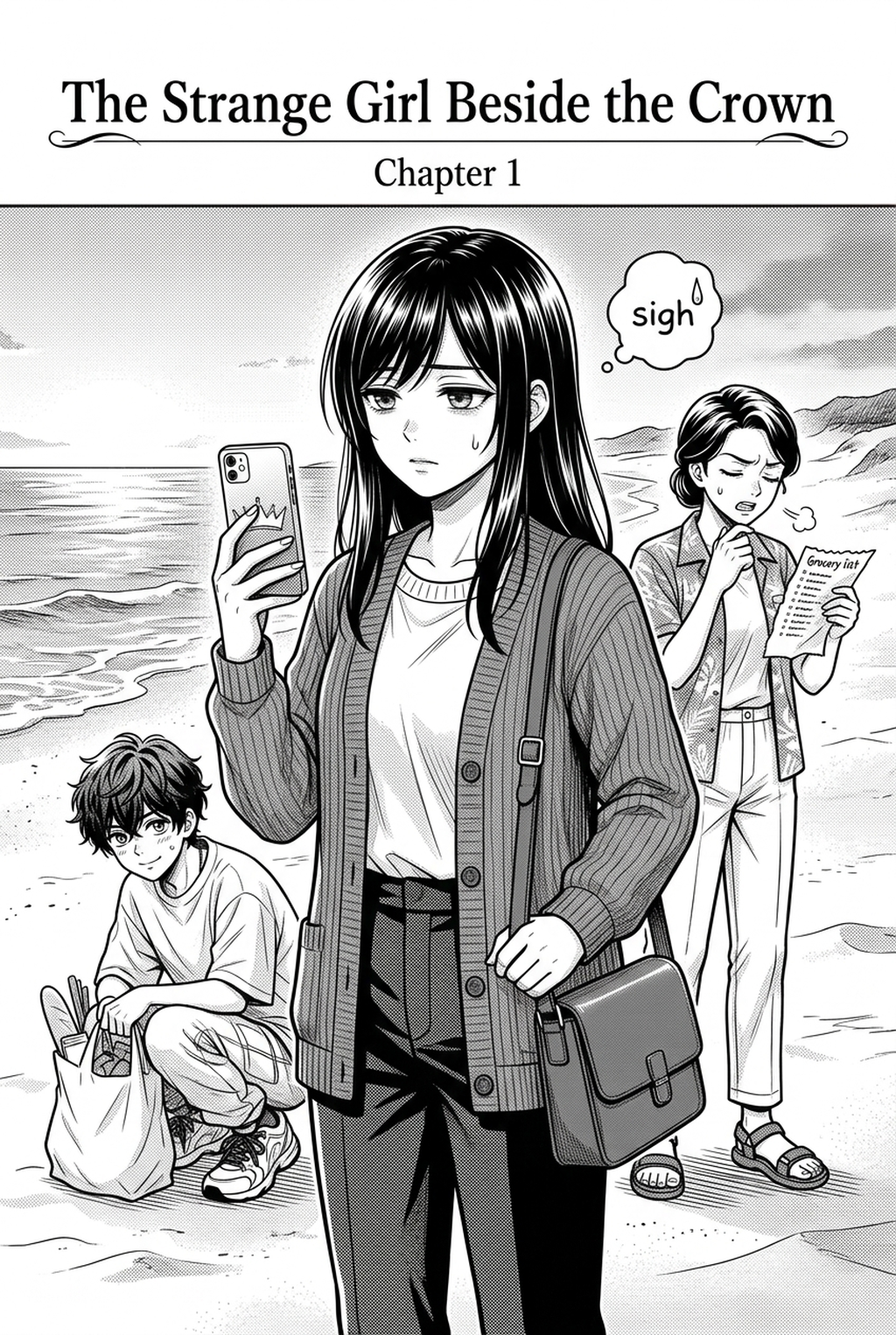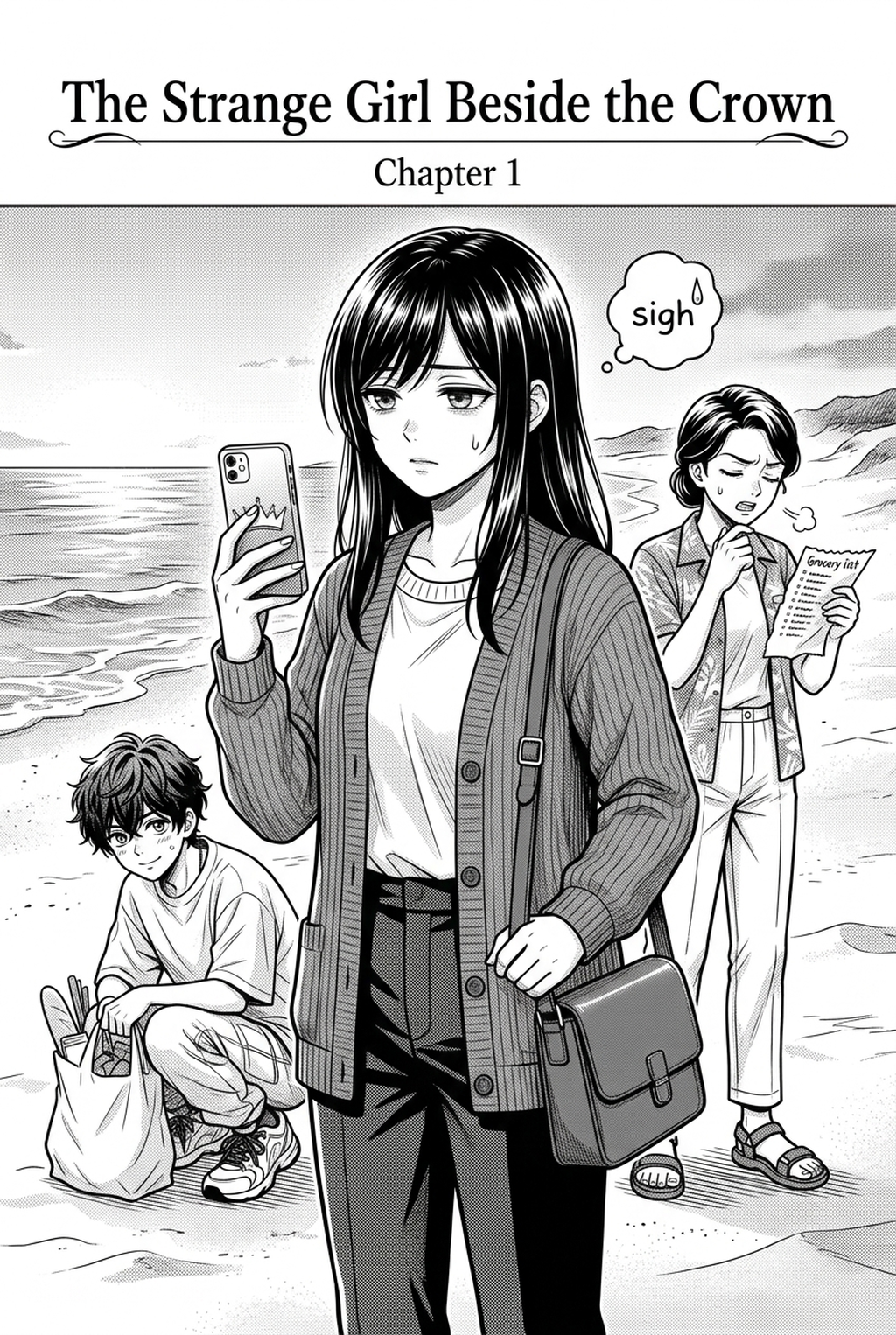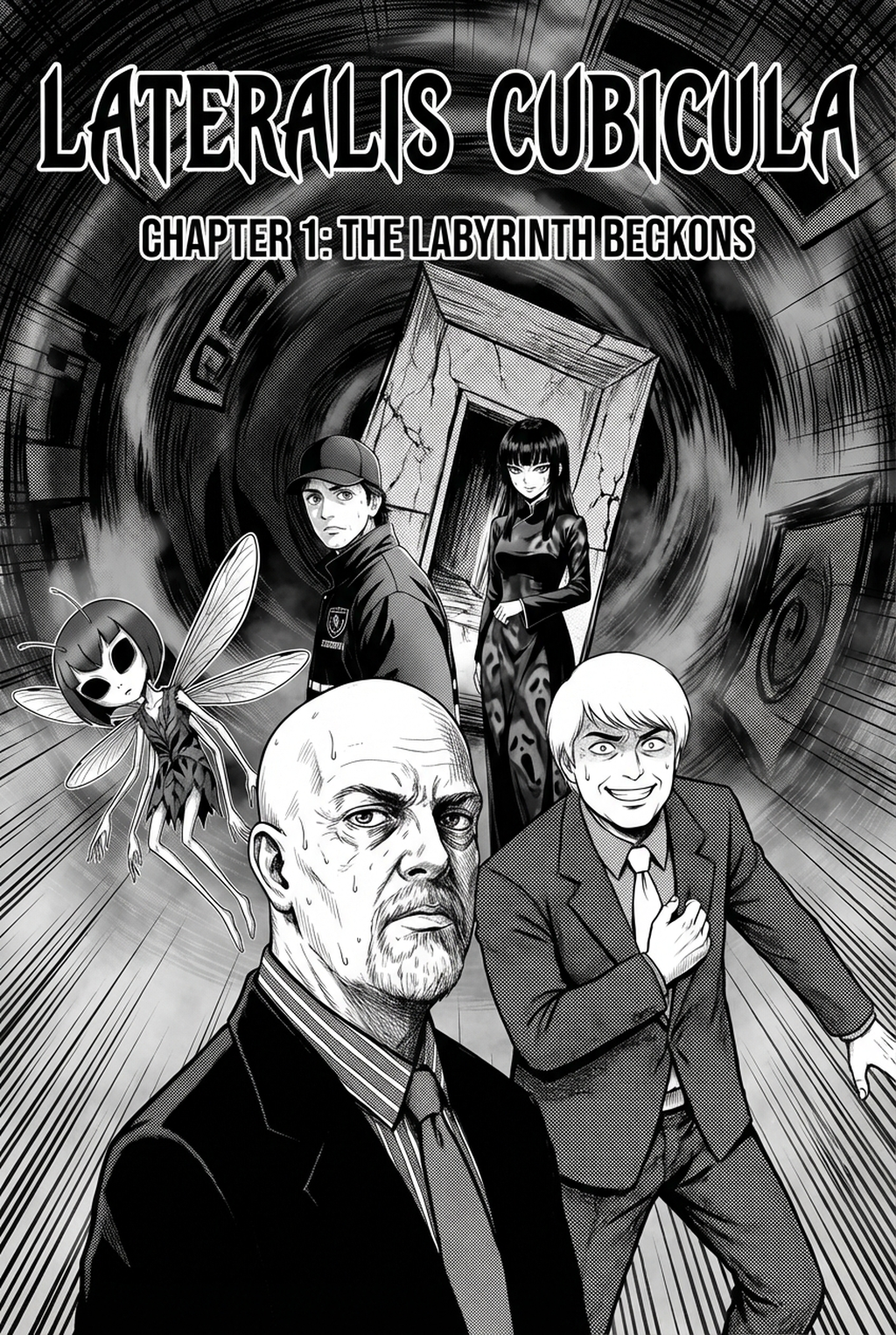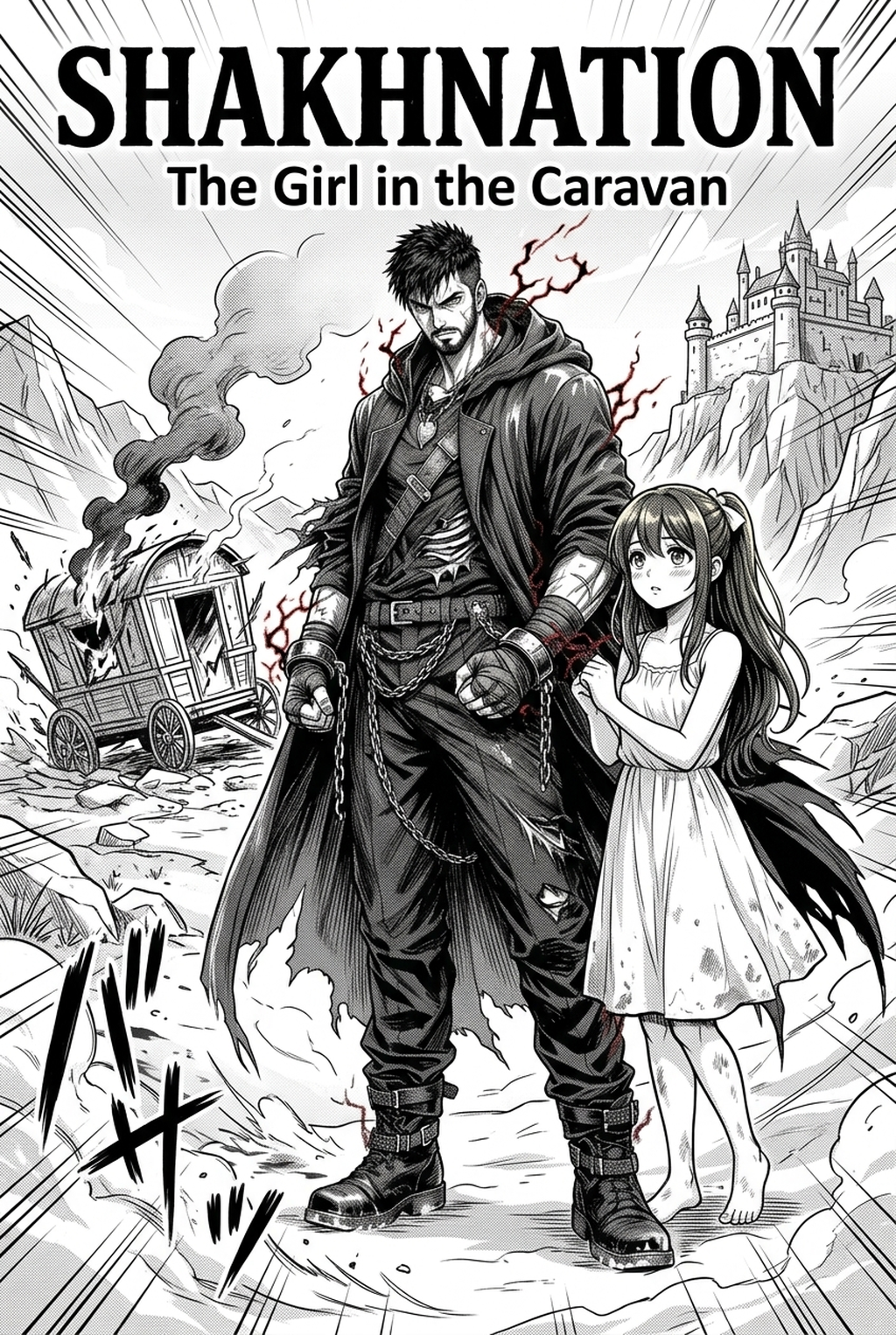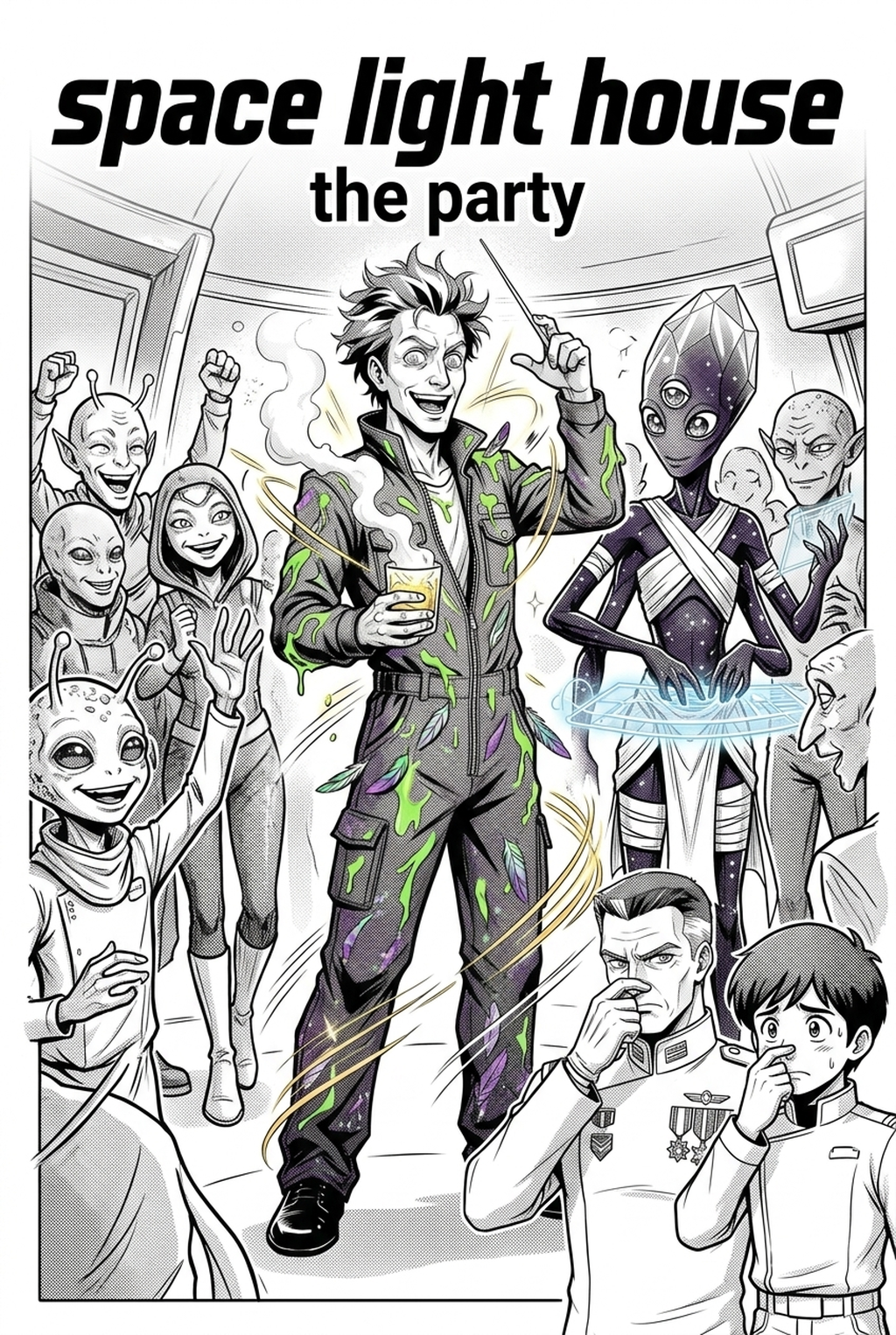
Defining Effective Dialogue Flow and Layout
Proper manga speech bubble placement prevents 'eye-stutter,' ensuring the reader follows dialogue in the intended Z-pattern flow across the page. This technique relies on the natural movement of the eye from the top-right corner to the bottom-left corner of a standard manga page, accounting for the unique Japanese reading habits often adapted for global audiences.
Strategic positioning keeps the readability-to-art ratio balanced, ensuring key character expressions remain visible throughout the story. If a balloon obscures a crucial micro-expression or an intricate detail in your line art, you lose the emotional resonance of the scene.
Check character consistency, panel readability, line quality, and export readiness before publishing. Creators should also record why the page passed review, which panel details still need manual cleanup, and which export format the next collaborator will use. That makes the subsection useful instead of leaving a short checklist under a large heading.
Consistent balloon placement across panels builds a cohesive reading experience that defines the genre's distinct aesthetic. Readers recognize professional work by the rhythmic repetition of balloon margins and consistent tail angles, which provide a stable framework for the chaotic action often depicted in Shonen or Seinen manga.
Strategic Importance for Manga Creators
Understanding the 'Z-pattern' and 'N-pattern' flows to mirror traditional Japanese top-to-bottom, right-to-left reading habits remains the baseline for all successful page layouts. If a creator ignores these ingrained habits, the reader will feel an immediate, subconscious friction that manifests as poor narrative pacing.
Creators must balance bubble size relative to the panel density to ensure the reader understands the speaker's tone and volume. A tiny, cramped balloon suggests a whisper or timid character, while a large, jagged-edged balloon signifies a shout or intense emotional outburst, influencing the reader’s internal voice.
Effective tail-directionality is the difference between a clear dialogue exchange and a confusing mess in crowded combat scenes. You should explicitly link speech balloons to the correct character using precise tail-anchor points that draw the eye directly to the speaker's mouth or gestures.
Utilizing negative space within complex background linework prevents balloon-text overlap that often causes unreadable pages. If your background consists of heavy cross-hatching or complex architectural perspective, place your bubbles over the least detailed segments of the panel to maintain maximum legibility.
Adjusting balloon padding and anchor points is mandatory to maintain consistent margins within the gutter zones. When bubbles touch the gutter, the page feels cramped and poorly produced; maintaining a standard 5mm to 10mm buffer from the edge of the panel creates a breathable layout that feels high-end.
AI Integration Within the Creative Workflow
Mangaka leverages AI-driven layout tools to analyze panel geometry, suggesting optimal placements that respect the artistic 'safe zones' of your original composition. Instead of manually dragging and resizing every element, the system evaluates your panel boundaries and character positions to place dialogue in the most readable, non-obstructive location.
Automated systems maintain consistent character naming conventions and tail-to-character proximity during iterative revisions. If you decide to modify a character’s pose or expression in a later draft, the AI preserves the dialogue logic while updating the tail connection to ensure the reader never loses track of who is speaking.
Integration with manga speech bubble placement with Mangaka ensures that dialogue placement adapts automatically when the storyboard or panel composition is modified. If you realize that a particular action scene needs an extra panel for pacing, you can re-segment your layout, and the system recalculates the bubble positions to maintain the Z-pattern without requiring a full manual redesign.
Essential Use Cases for Layout Precision
Avoid placing bubbles in the middle of a movement trajectory, which can break the kinetic energy of an action panel. If a sword strike or a dynamic punch cuts across the frame, keep your bubbles positioned in the "negative space" created by the body's silhouette or the composition's background depth.
- Floating balloon avoidance: Steer clear of 'floating' balloons that lack a clear connection to the speaker, as these cause immediate confusion in multi-character panels. * Clutter prevention: Prevent clutter by avoiding oversized bubbles that distract from the primary subject of the frame, such as a character's critical, eye-catching facial expression. * Vertical staggering: In panels with three or more characters, use staggered vertical positioning to create a clear visual hierarchy of the conversation flow.
Consider a 3-panel action sequence on page 14 of a chapter. You have a character launching an attack (Panel 1), a reaction shot (Panel 2), and an impact (Panel 3). By automating the bubble placement, you ensure that the text in Panel 2 does not overlap the character's face, keeping the 1200 DPI resolution clear and sharp for your final PDF export.
Getting Started with AI-Assisted Layouts
Q: Does AI speech bubble placement account for varying text lengths? A: Yes, advanced AI tools adjust balloon size dynamically to accommodate different dialogue lengths without manual resizing. Q: How do I handle overlapping bubbles in complex scenes? A: Use staggered vertical positioning and varied bubble shapes to create a visual hierarchy that guides the eye logically.
Q: Can I customize the AI's placement suggestions? A: Professional AI tools allow for manual overrides, ensuring that your specific artistic intent is preserved while the system handles the heavy lifting of the initial layout. Q: Will this impact my final file exports? A: The system maintains your original file structure, ensuring that all text layers remain editable in high-quality formats like PSD or PDF upon final export. This keeps the review focused on story intent, line weight, panel readability, and the export quality behind the final AI Manga Speech Bubble Layout output.
The Bottom Line
AI Manga Speech Bubble Layout workflow is a technical necessity that bridges the gap between raw text and professional art. By leveraging AI-assisted tools, creators can automate the time-consuming aspects of layout, allowing them to focus on drawing while maintaining a readable, professional flow. Start optimizing your page layouts today by visiting manga speech bubble placement to see how automated positioning streamlines your creative process.