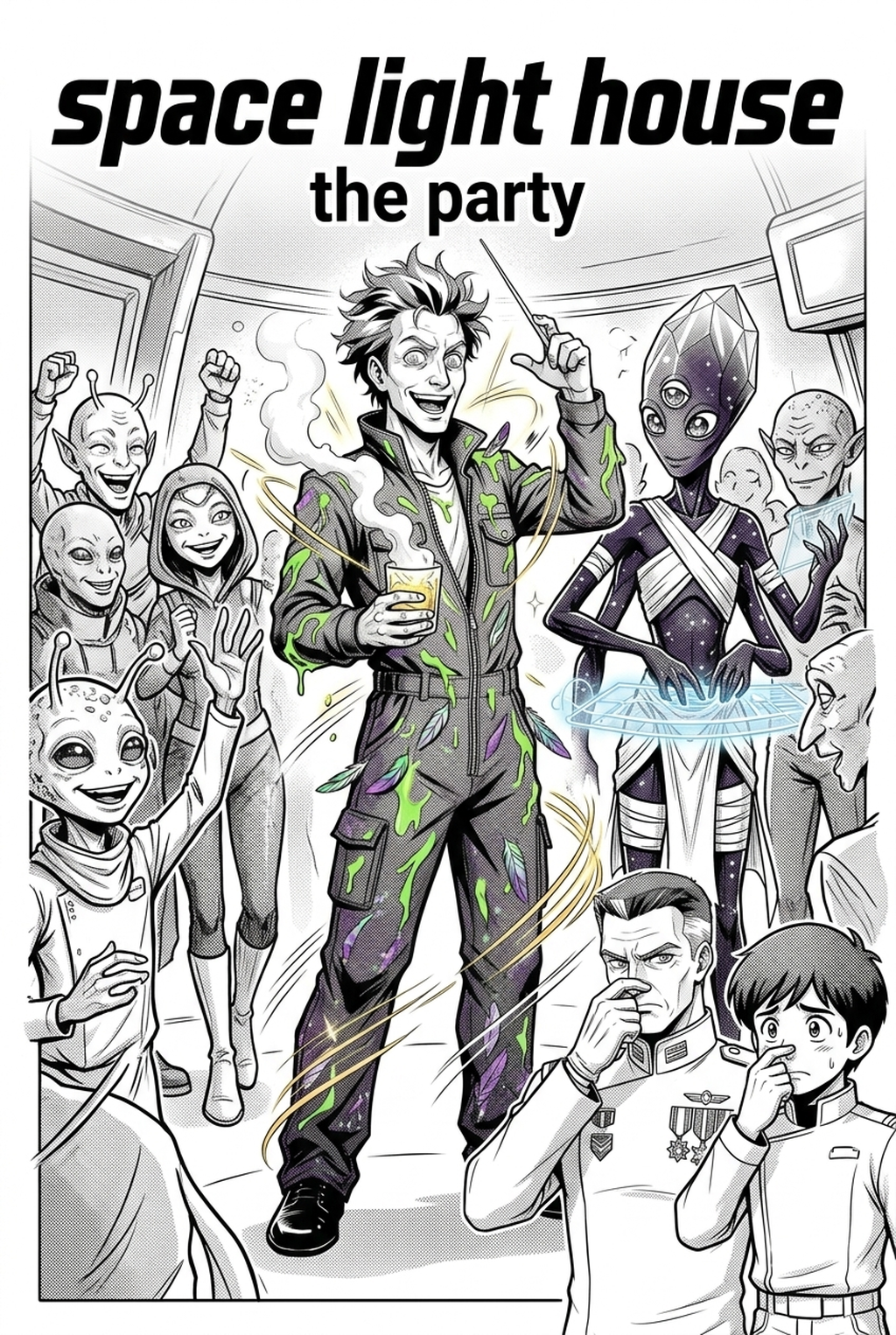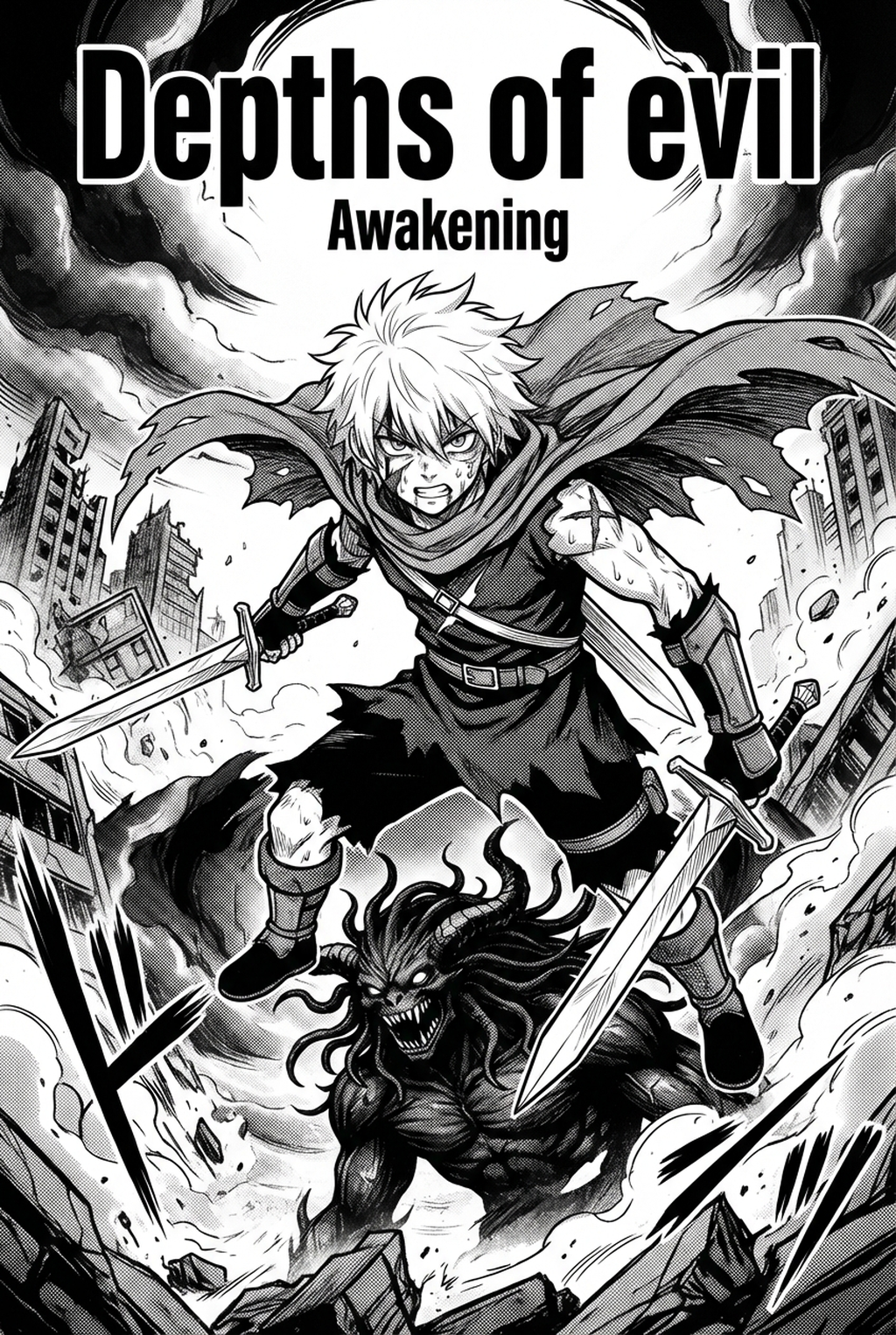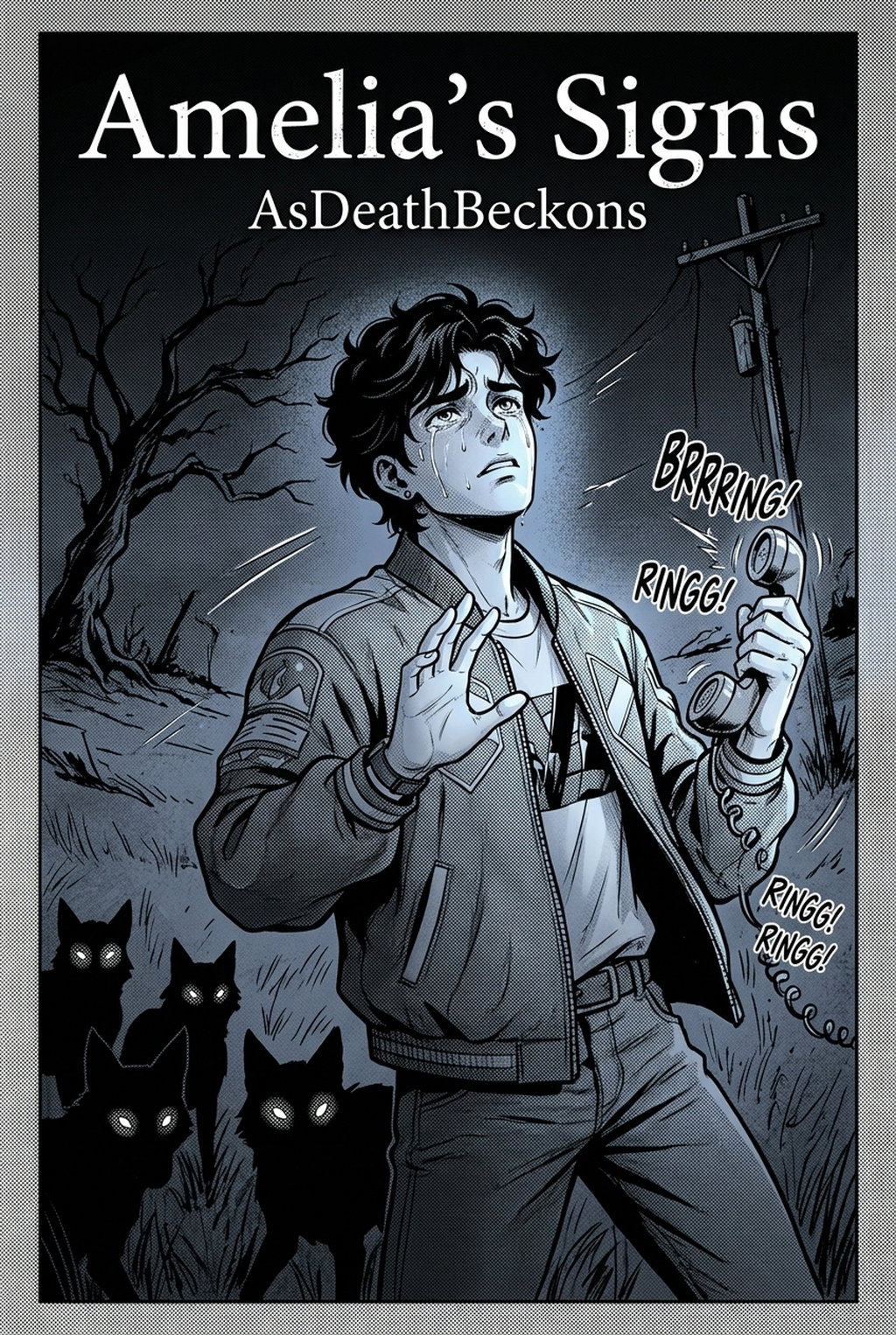
AI Manga Storyboard Builder: Why Narrative Pacing Matters for Manga Creators
Pacing is defined by the specific duration a reader spends on a single page, which is managed through panel frequency and the visual density of the lines. If you place more than five high-detail panels on a single page, you risk forcing the reader to slow down to an exhausting degree, which can derail the impact of a fast-paced action sequence.
By utilizing variable panel sizes, you control the "beat" of the story, using "action-to-action" transitions for combat and "subject-to-subject" transitions for dramatic reveals. You must account for the mechanical reality of the page turn, treating it as the ultimate cliffhanger device; the final panel on a left-hand page must function as a hook that demands the reader flip to the next spread to resolve the tension.
- Focal Point Clarity: Every panel requires a clear visual anchor, or the reader will spend their energy hunting for information rather than consuming the story. * Inking Consistency: If your line weight drifts between panels, the continuity of the entire scene breaks, making the final artwork feel disjointed. * Tone Density: Maintain a consistent gray-scale or dot-tone value across the sequence, as sudden shifts in tone can accidentally draw the reader’s eye to a non-essential background element.
How Storyboard Building Works with Mangaka
Mangaka provides a seamless bridge between your raw script and the final visual storyboard, eliminating the technical friction associated with manual layout adjustments. By using manga storyboard techniques with Mangaka to auto-arrange your panels, you ensure the composition is locked in before you commit a single stroke of ink to the page.
The tool handles the complex math of panel geometry, effectively preventing the common error of "panel crowding" where too many frames fight for space. Instead of spending hours re-drawing sketches when a layout feels sluggish, you can modify the narrative flow in seconds, allowing for rapid experimentation with camera angles and character placement.
Managing Common Storyboard Use Cases
Overcrowding panels often leads to severe reader confusion, where the eye loses the sequence of action; you must maintain "white space" to keep the panel hierarchy clear and logical. Failing to establish a focal point within each frame forces the reader to hunt for information, breaking the immersion of the story entirely.
- Proportion Drift: Inconsistent panel sizing can distract from the narrative climax, especially in high-stakes action scenes where tracking character movement is key. * Gutter Misalignment: If your vertical gutters are not perfectly parallel, your entire page layout will feel amateurish regardless of how polished the actual line art is. * Cluttered Composition: Never fill every square inch of the frame with details; reserve space for the reader to rest their eyes, which keeps the dramatic panels impactful.
- Chapter cadence. Use the AI pass for pages where speed matters most, such as repeated action poses, transformation beats, or dense speed-line panels. Keep manual cleanup for hero panels where the line style defines the emotional peak. - Character continuity. Compare the generated lines against the same model sheet, costume notes, and facial-expression range used during sketching. This prevents a fast inking pass from drifting away from the character identity readers recognize. - Export readiness. Check whether the final manga output can move into lettering, coloring, or final layout without rebuilding panel borders or speech-bubble space. A good manga workflow should save time while keeping the next production step predictable.
How to Get Started with the Production Process
AI acts as a structural assistant that handles the math of the page layout, leaving you free to focus on character expression and high-level directorial choices. You do not need to be a professional illustrator to create a compelling "name" (the rough blueprint of your chapter), as these tools allow you to prioritize narrative hierarchy over drafting skills.
The "name" serves as your essential final check for narrative logic before significant time is spent on clean lines and tone application. Treat your digital draft as an evidence schedule; if the logic fails in the rough stage, it will not be saved by adding expensive digital textures or complex shading later in the workflow. Before export, creators should compare the generated line art with the original sketch and confirm that facial expressions, props, speed lines, and speech-bubble space still support the scene.
- Before Export. Creators should compare the generated line art with the original sketch and confirm that facial expressions, props, speed lines, and speech-bubble space still support the scene. A repeatable review pass should cover character consistency, panel readability, background clarity, and whether the final file is ready for coloring, lettering, or editor feedback.
- For Longer Projects. Creators should save approved examples of line weight, face detail, clothing folds, and background density. Those references keep later chapters closer to the intended style. For collaboration, creators should mark which panels are final and which panels still need redraws. Clear status labels prevent an assistant, editor, or colorist from polishing the wrong version.
- For Publishing. Creators should review the page at the actual reading size before export. Small screens expose crowded dialogue, weak silhouettes, and line details that looked fine while zoomed in. This keeps the review focused on story intent, line weight, panel readability, and the export quality behind the final AI Manga Storyboard Builder output.
The Bottom Line
Mastering these techniques ensures your story remains readable and immersive, whether you are drafting a short one-shot or a full-length series. By integrating a structural assistant, you reduce the technical hurdles that often cause projects to stall during the drafting phase. Visit manga storyboard techniques to start building your narrative flow with professional precision today.
Related articles
How to Create a Manga Storyboard: A Beginner's Guide in 2026
What Is a Manga Storyboard and Why Does It Matter? In 2026
Manga Storyboard: A Beginner’s Guide to Visual Pacing 2026