The Anatomy of AI Manga Character Designer
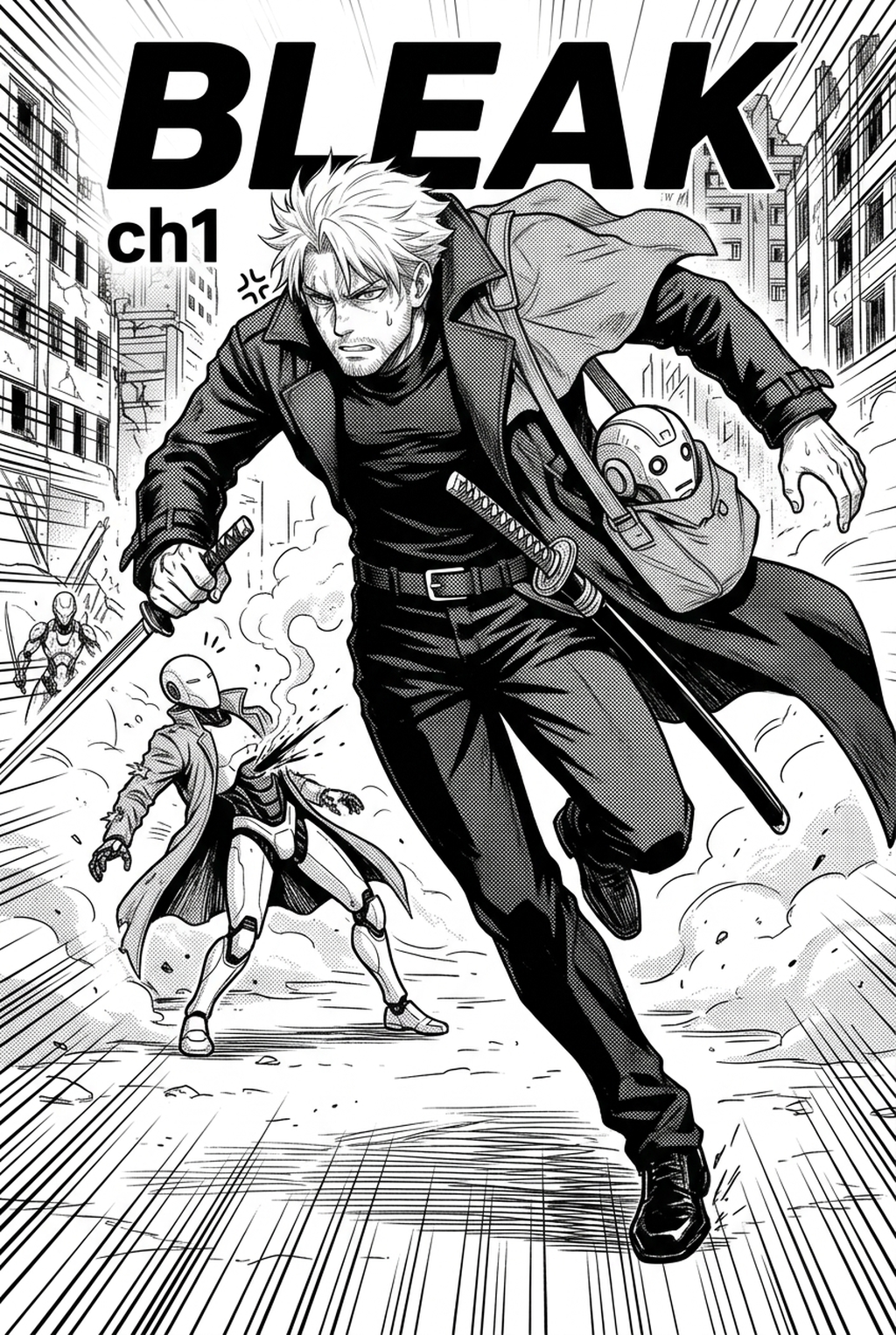
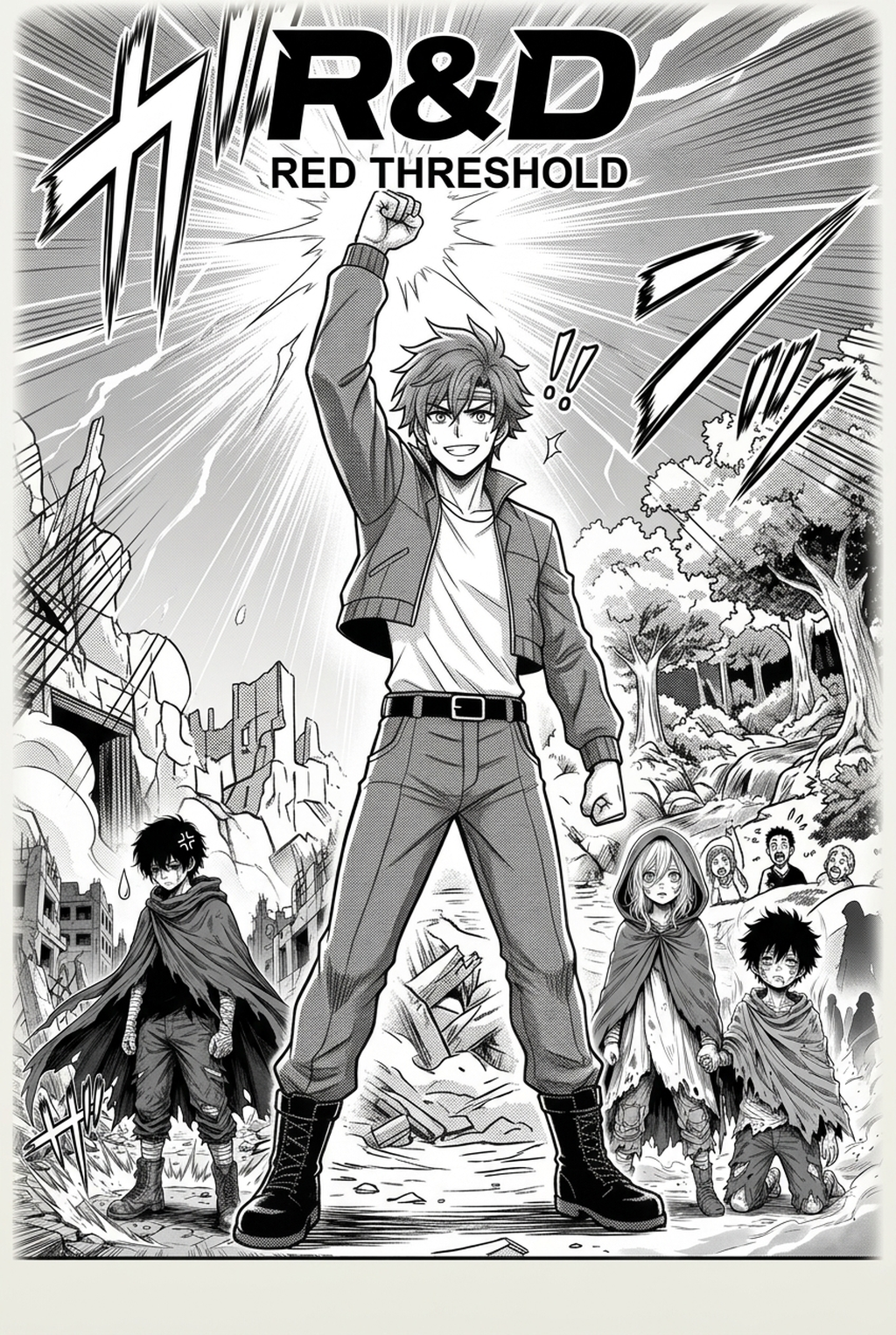
Effective shonen character designs prioritize instant readability, ensuring that a character’s temperament—from the hot-headed rival to the stoic mentor—is communicated through hair volume, clothing layers, and aggressive posture. Designers rely on exaggerated physical cues, such as oversized weaponry or spike-heavy silhouettes, to ground the reader in the character’s specific power-up progression early in the narrative.
Readability hinges on the viewer's ability to distinguish a hero from a mob character at a single glance. In shonen, this is achieved by limiting the color palette of an outfit to three core tones and using "power cues" like flowing capes or jagged energy auras to mark elite combatants.
Unlike the more grounded or mature seinen style, shonen designs must function within high-octane battle panels. Poses should allow for dynamic movement without the character's clothing or accessories obstructing the flow of the art, which is why streamlined, modular outfits are preferred over overly complex or heavy attire.
Why AI Manga Character Designer Matters for Manga Creators
Serialized manga requires rigid visual integrity; if a character’s proportions drift between chapter five and chapter fifty, reader immersion breaks instantly. Consistency acts as the silent foundation of a long-running series, preventing the visual jarring that occurs when a protagonist’s face shape shifts due to inconsistent sketching habits.
The model sheet serves as your definitive source for every panel, acting as the ultimate authority when you need to verify scale, accessory placement, or hair length. Without a strictly enforced reference, artists often fall victim to "style drift," where line-weight intensity increases or character height fluctuates, compromising the professional quality of the page.
When you ignore proportion benchmarks, you face a compounding risk of re-drawing dozens of panels to match the established character sheet. Maintaining a central, validated character file prevents these mid-production corrections, ensuring that your output remains consistent from the initial storyboard to the final ink and tone application.
How Shonen Manga Character Design Works with Mangaka
Creators leverage shonen manga character design to eliminate the "blank page" phase, converting text-based character descriptions into consistent visual assets that align with the aesthetic requirements of the shonen genre. By locking key base features—such as eye shape, signature hairstyle, and body type—you can iterate through dozens of combat-ready outfit variants without losing the character’s identity.
The primary challenge in character generation is maintaining feature consistency across different poses or lighting conditions. Using technical constraints within the design tool allows you to anchor the character’s core markers, ensuring that every variant generated remains recognizable as the same individual even when draped in new armor or battle-damaged gear.
Beyond the protagonist, your world needs secondary characters that match the visual style of your lead cast without consuming hours of manual drawing time. Mangaka allows you to build out these supplementary characters by scaling the aesthetic parameters used for your primary cast, maintaining a cohesive look across every chapter layout.
Use Cases for AI Manga Character Designer
Keep your characters consistent by utilizing digital reference sheets and AI-assisted creative brief anchoring to verify specific visual markers before you start the inking phase. If your character has a signature scar or a specific glove design, locking these attributes into your master template ensures they appear in the same position on every single page.
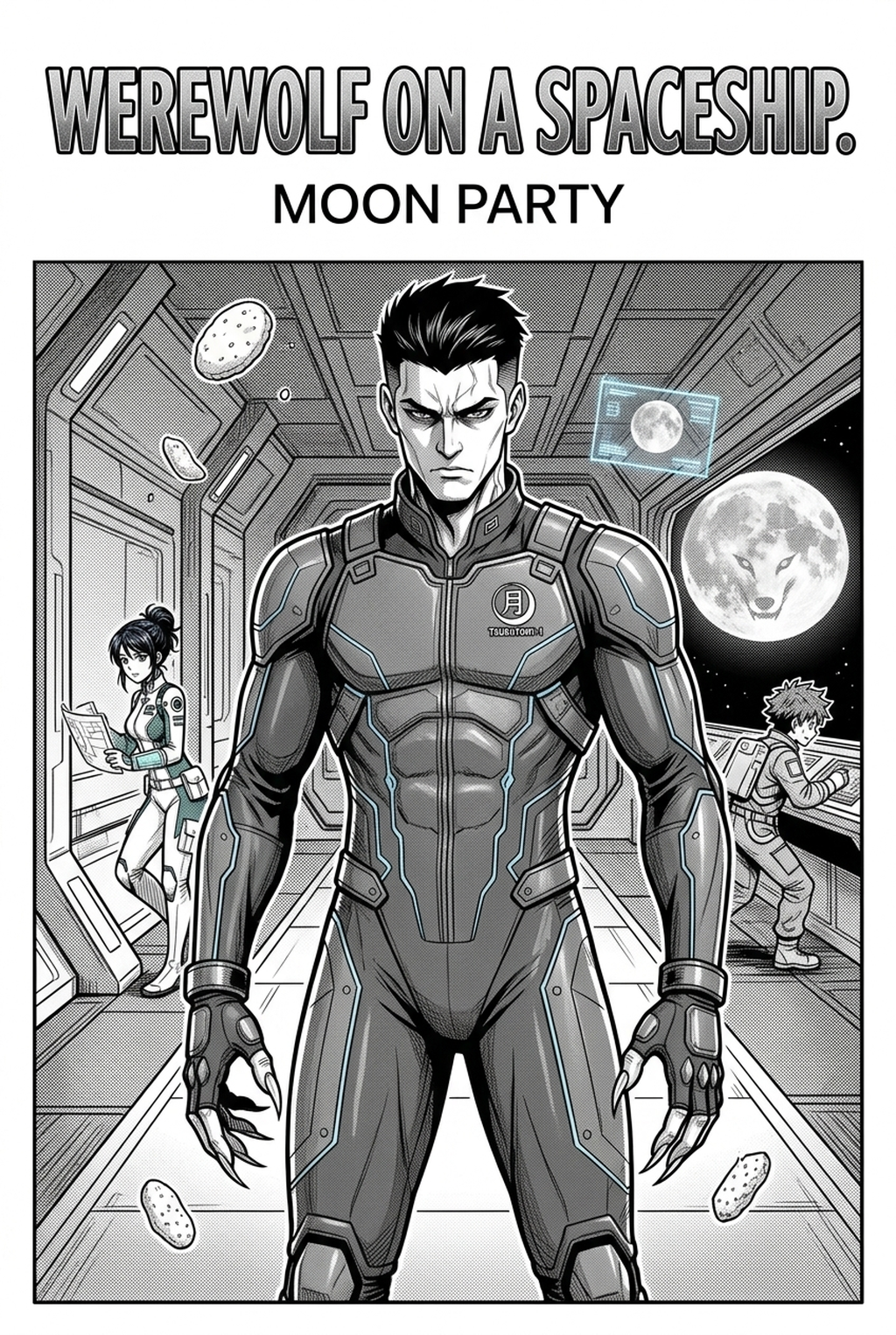
Focus your energy on crafting recognizable, high-contrast silhouettes that translate well even in small panel sizes. Shonen icons are defined by their hair styles, which should be simple enough to draw quickly but distinct enough to be remembered, alongside accessories that carry weight or visual flair during combat.
Generating a full turnaround sheet used to take days of manual labor, but you can now use professional-grade AI tools to render front, side, and back views for your cast. This process creates a standardized reference, preventing the common failure of misshapen anatomy when a character is viewed from an unusual angle.
- Chapter cadence. Use the AI pass for pages where speed matters most, such as repeated action poses, transformation beats, or dense speed-line panels. Keep manual cleanup for hero panels where the line style defines the emotional peak.
- Character continuity. Compare the generated lines against the same model sheet, costume notes, and facial-expression range used during sketching. This prevents a fast inking pass from drifting away from the character identity readers recognize.
- Export readiness. Check whether the final manga output can move into lettering, coloring, or final layout without rebuilding panel borders or speech-bubble space. A good manga workflow should save time while keeping the next production step predictable.
How to Get Started with Mangaka
Successful design combines your artistic intuition with technical discipline to produce memorable, action-ready icons that stand the test of time. By integrating tools like the Mangaka AI Character Designer into your workflow, you can scale your creative production speed while preserving the high aesthetic standards demanded by the shonen market.
Professional creators often begin by drafting a simple text description of their protagonist’s personality and power source, then refine the visual output by adjusting the style weights. Once the base model is locked, you can move directly into storyboarding, confident that your characters will maintain their integrity across every high-stakes battle panel. Before export, creators should compare the generated line art with the original sketch and confirm that facial expressions, props, speed lines, and speech-bubble space still support the scene.
The Bottom Line
Effective character design is the anchor of every great shonen series, ensuring that your readers remain invested in your protagonists through every arc and power-up. By utilizing shonen manga character design to maintain visual consistency and streamline your design phase, you can devote more time to developing compelling storyboards and high-stakes battle sequences. Start refining your character models today to elevate your production quality to professional standards.
Design Iconic Shonen Characters with Absolute Visual Consistency via Mangaka.app
Creating memorable shonen protagonists requires bold expressive silhouettes, dynamic facial acting, and rock-solid anatomy across hundreds of serialized panels. Mangaka.app simplifies character design:
- Turnaround Character Reference Sheets: Generate 360-degree model sheets (front, three-quarter, profile, back) with uniform proportions and costume fidelity.
- Dynamic Battle Expressions & Emotion Matrices: Produce extreme combat screams, determined grins, and tearful battle beats without facial feature drift.
- Iconic Hair & Silhouette Locking: Ensure jagged shonen hair spikes and signature accessories remain instantly recognizable from every camera perspective.
- Seamless Asset Integration: Drop standardized character poses directly into manga panel layouts for accelerated chapter production.
Ready to elevate your serialized manga and speed up chapter production? Create your professional manga storyboard and character sheets on Mangaka and transform your creative workflow today.