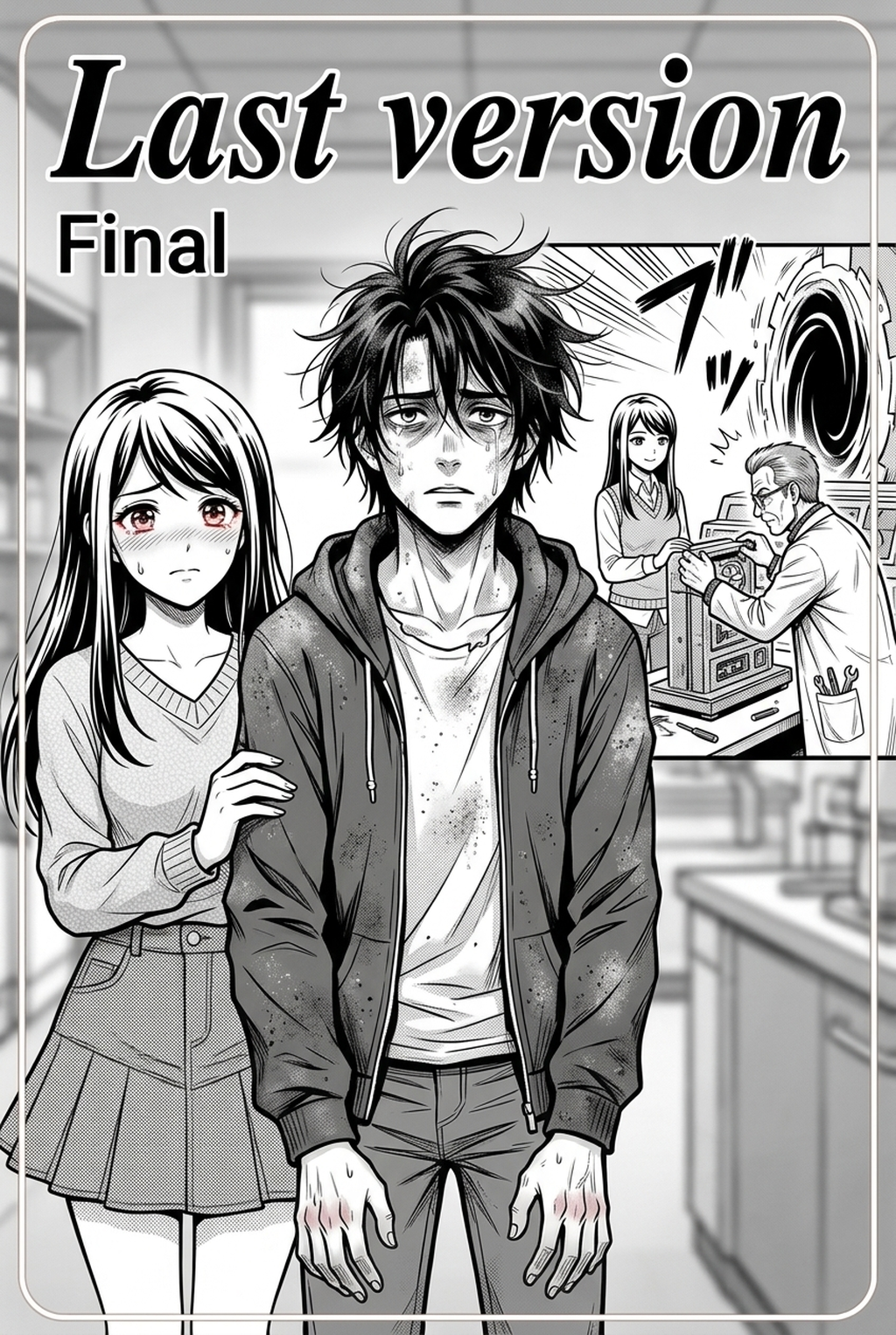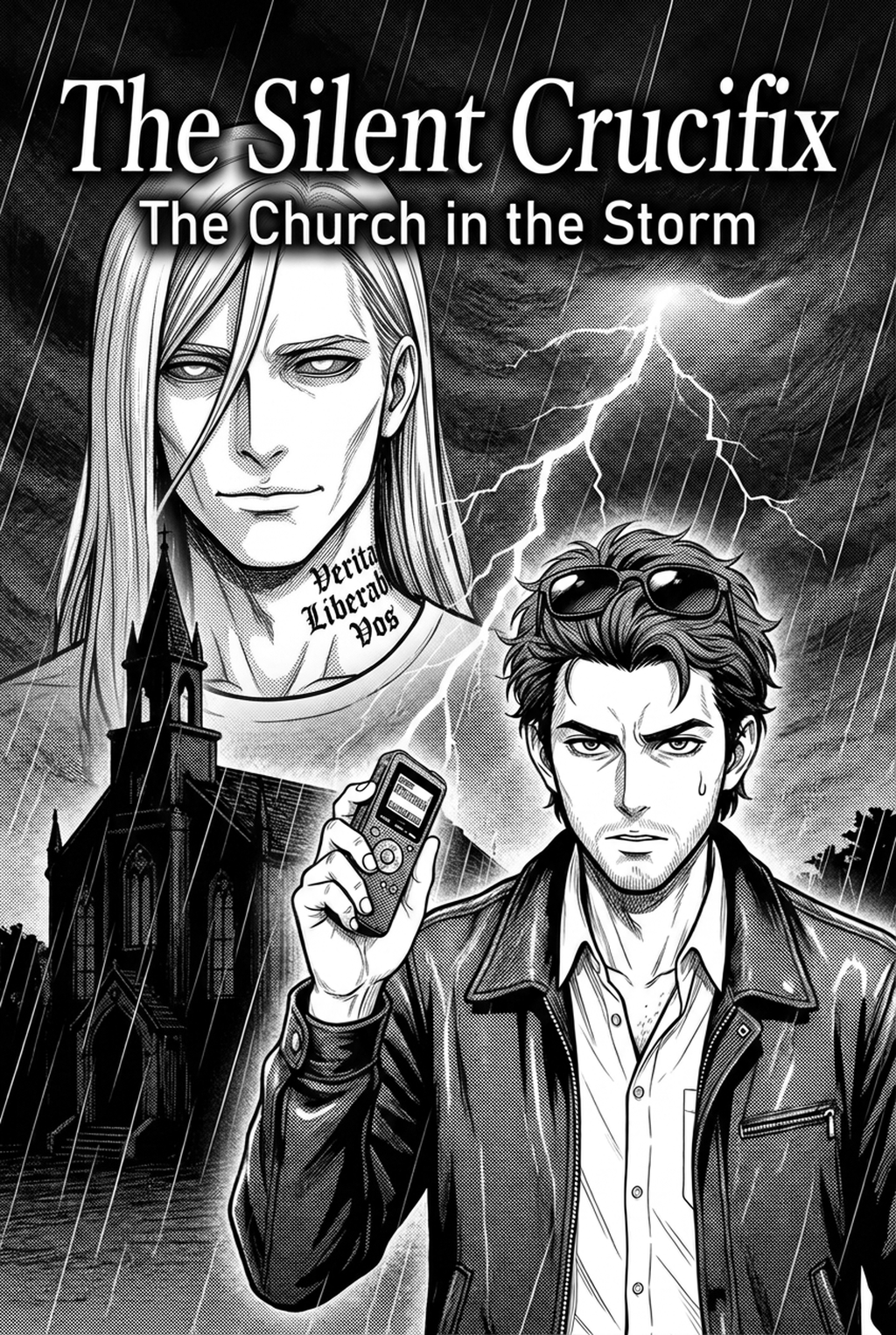
AI Manga Speech Bubble Layout: Fundamentals of Text Balloon Composition
Effective design creates a seamless reading path where bubbles connect with character gestures and panel movement through deliberate negative space. This foundational balance ensures that the reader tracks the conversation while absorbing the visual information of the background and characters simultaneously.
Designers must prioritize bubble-to-art hierarchy by adjusting the scale of the balloon relative to the dialogue's emotional intensity. A subtle whisper requires a tighter, more intimate bubble placement near the character's mouth, whereas a frantic shout or an internal monologue demands more surface area and more jagged, expressive contours.
The physical placement of text within a bubble is governed by strict margin-to-edge constraints to prevent text from appearing cramped or floating disconnectedly. Creators who ignore these padding requirements often find their dialogue lost in the panel's binding area or bleeding into the gutter, which degrades the final print quality of the manga page.
Why Speech Bubble Placement Drives Audience Engagement
The strategic positioning of text determines the speed at which a reader consumes a sequence, directly influencing how emotional beats land. Improper placement forces the reader to hunt for the next line, which breaks the immersion essential for professional-grade storytelling.
In high-action Shonen manga, bubbles must be placed to prioritize impact lines and motion, often floating in areas of lower visual complexity to maintain the momentum of the fight. Conversely, Seinen storytelling frequently utilizes deliberate, atmospheric spacing where the dialogue is integrated into the background scenery, slowing the reader down to soak in the tone.
Consistency in bubble shapes acts as a non-verbal narrative cue that guides the reader’s internal voice. You should maintain distinct stylistic choices—such as rounded balloons for normal dialogue, squared or jagged bubbles for radio transmissions, and ethereal, borderless shapes for internal monologues—to help the audience differentiate speakers without relying solely on narration text.
How Mangaka Optimizes Your Layout Workflow
Mangaka leverages AI-driven spatial analysis to calculate the optimal coordinate for every dialogue balloon within your panels. By analyzing the panel anatomy, the system prevents the common, frustrating mistake of dead-zone placement, where text sits in a visual void or obscures important action.
The system maintains rigorous internal margin-to-edge rules that ensure your text stays within the safe zone, far from the binding edge or the panel gutter. This automated boundary control allows you to finalize your page layout without manually measuring offsets for every single speech balloon.
One of the most tedious aspects of localization is re-fitting text to accommodate languages that require more character space than the original script. Mangaka’s integration of source context ensures that balloons are dynamically resized, maintaining a perfect balance between text density and the visual frame even when the script length changes during the production process.
Strategic Use Cases for Professional Creators
You must maintain full control over the creative review process, using automated tools to speed up production while retaining the final say on placement. When designing for different formats, the specific technical requirements of your delivery platform will dictate the final look of your dialogue.
Balancing Style and Accessibility. Accessibility involves ensuring high contrast between the bubble background and the dialogue text, a task that becomes significantly more complex in full-color digital formats. If you are creating high-definition pages for digital platforms, consider the following constraints:
- Bubble Padding: Maintain at least 15 pixels of white space between text and the bubble border to ensure clarity on mobile screens. * Font Scaling: Adjust your typeface size based on the target device resolution to prevent blurry or illegible dialogue. * Color Contrast: Ensure the text color maintains a WCAG-compliant contrast ratio against the background, even when the art underneath features dark, high-contrast inking.
The delivery format of your page dictates how bubble padding and font scale should be adjusted for the final output. For instance, a mobile-first speech bubble design with Mangaka requires vastly different vertical pacing than a standard 180mm x 260mm B5 print page, requiring automated adjustments to ensure text remains readable during a continuous vertical scroll.
Getting Started with Layout Automation
Determine the best tail position for a character by focusing on the direction of the character's eye line to guide the reader back into the panel art. If you are struggling with complex multi-character panels, follow these practical steps to maintain control: This keeps the review focused on story intent, line weight, panel readability, and the export quality behind the final AI Manga Speech Bubble Layout output.
- Coordinate Eye Lines: Always point the bubble tail toward the speaker’s mouth or eyes, never away from the center of the action. * Lock Specific Assets: If you have an established style for a recurring internal monologue, lock those specific balloon shapes while letting the AI handle standard dialogue alignment. * Review for Emotional Flow: After the automated placement, perform a final scan to ensure the emotional intensity of the dialogue matches the facial expressions in your inked art.
The Bottom Line
AI Manga Speech Bubble Layout workflow is a foundational element of manga storytelling that connects your art with the reader’s comprehension of the dialogue. By leveraging AI-native layout tools, you can ensure professional consistency and improve the overall reading experience of your manga while freeing up hours for character work and background detail. To integrate these intelligent layout features into your production process, visit speech bubble design to optimize your next page layout.