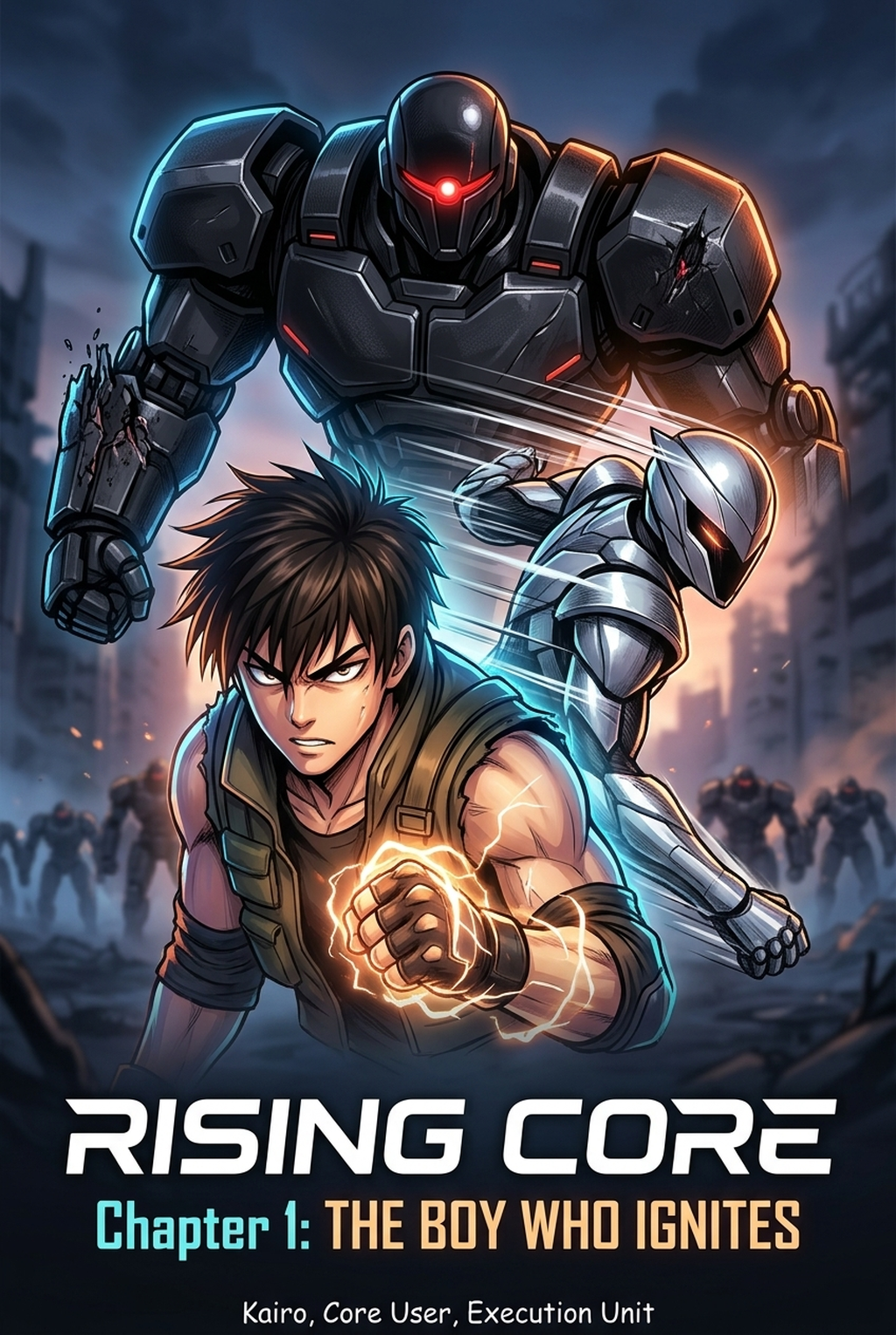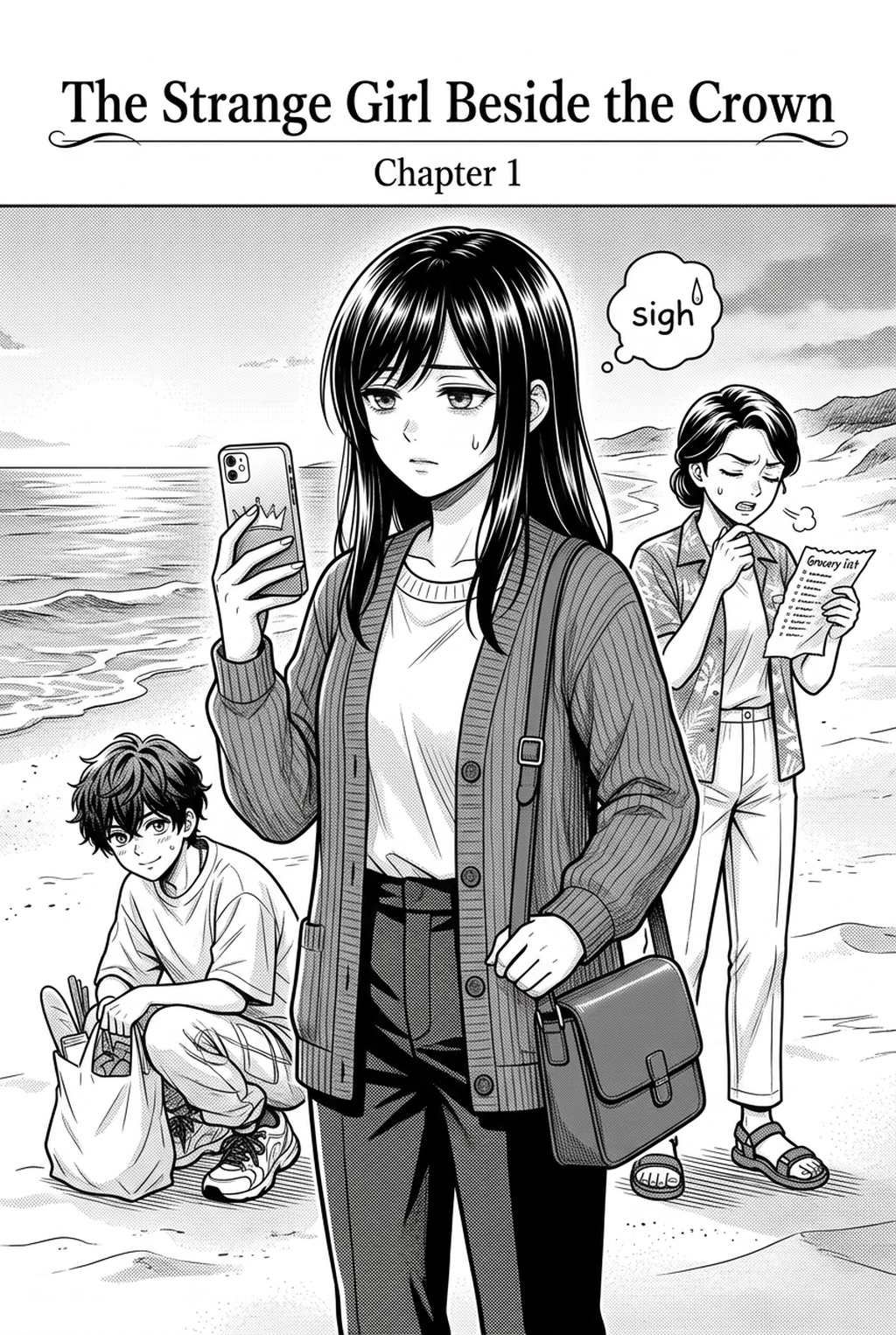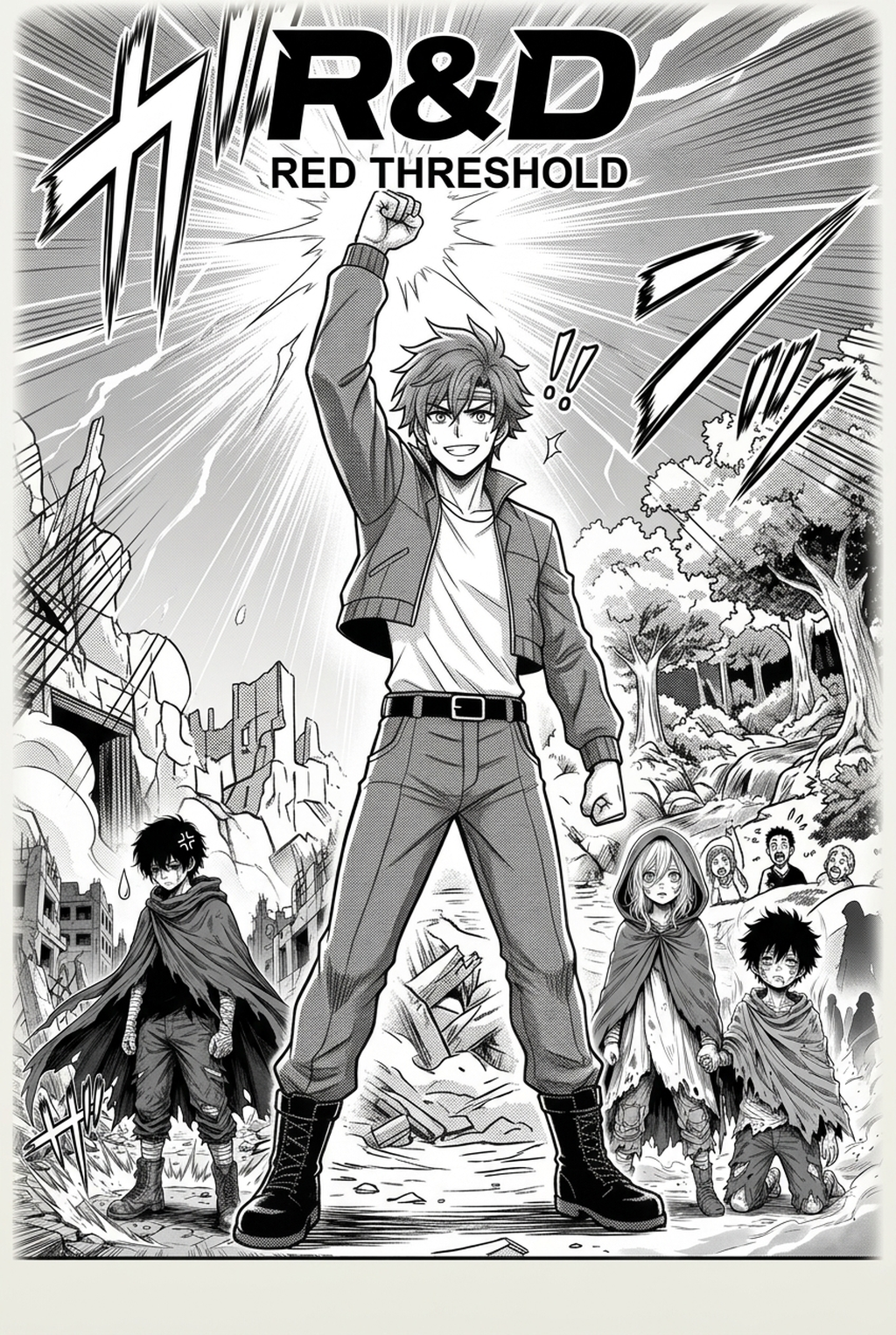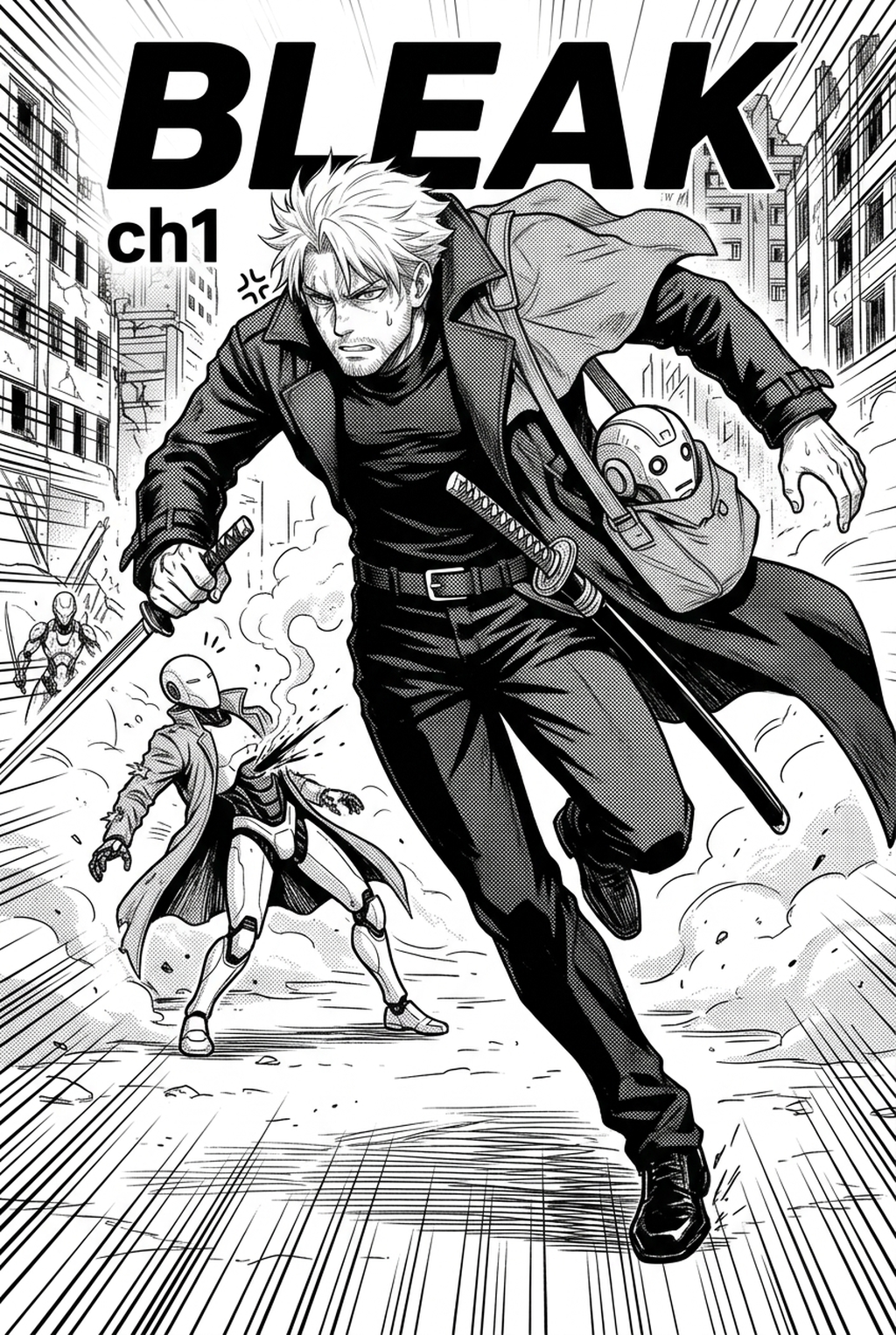
Definition of the 4-Koma Structural Format
A 4-koma strip layout follows the Japanese 'ki-sho-ten-ketsu' (introduction, development, twist, and conclusion) progression. This four-panel architecture acts as a rhythmic engine, forcing creators to distill their comedic ideas into a strictly constrained, high-impact sequence.
Unlike multi-page manga chapters, this layout depends on the reader's eye path traveling vertically without deviation. If your gutters are too wide or your panels vary inconsistently in size, the reader’s eyes lose momentum, which effectively kills the comedic timing of your final panel.
Value of Grid Alignment for Creators
The fixed 4-koma format creates a predictable tension-release cycle that trains the reader to anticipate the resolution in the fourth panel. Because the reader knows they have exactly four frames to find the laugh, the artist gains the advantage of controlling the viewer’s focus and anticipation level through the final frame.
Consistency in panel sizing ensures that comedic timing is never lost to erratic visual distribution, which is a common technical flaw when creators attempt to scale layouts across different social media platforms. By locking your layout into a uniform grid, you stabilize the emotional trajectory, ensuring the punchline hits with the maximum possible impact for the audience.
Workflow Integration with Mangaka
Mangaka utilizes a specialized generation engine to translate a single punchline idea into a complete, four-part visual narrative. By inputting your core comedic concept, you bypass the tedious storyboard phase while keeping your character proportions accurate throughout the sequence.
You must treat each of the four panels as a specific beat in a larger, rapid-fire story. Use the first panel for premise setup, the second for expansion, the third for the 'ten' (the sudden twist or complication), and the final for the 'ketsu' (conclusion or punchline).
When designing for Seinen or Shonen comedy, creators often make the mistake of overfilling every panel with background assets. You should instead balance whitespace with character density to keep the reader’s focus on the facial expression or physical reaction shot in the final panel.
Check character consistency, panel readability, line quality, and export readiness before publishing. Creators should also record why the page passed review, which panel details still need manual cleanup, and which export format the next collaborator will use. That makes the subsection useful instead of leaving a short checklist under a large heading.
Use variation in panel height to control the speed of the reader's journey toward the punchline. Slightly taller panels in the third frame can create a momentary pause that builds suspense, effectively slowing down the read before the rapid delivery of the joke in the final frame.
Common Use Cases for Structured Comics
Avoiding layout overcrowding is essential, especially when speech bubbles threaten to obscure critical emotional nuances in the final panel. If the text becomes the primary visual focus, you have failed the fundamental goal of visual storytelling, where the image should provide the payoff.
Creators must also ensure that export formats support mobile-friendly vertical stacking. If a reader has to manually zoom or pan to see your punchline, you have fundamentally compromised the user experience, leading to a high drop-off rate on platforms like mobile browsers.
Export Settings: Always target a minimum 800x2000px vertical resolution to ensure clarity on high-density smartphone displays. * Background Management: Strip away complex architectural details in the middle panels; save the high-fidelity art for the pivotal twist or the final reaction. * Dialogue Placement: Keep speech bubbles away from character eyes to ensure facial expressions remain the center of the comedic tension.
Starting Your Workflow with Digital Automation
AI-assisted strip makers handle the mechanical heavy lifting of panel composition so that you can focus on the artistic quality of the ink and tones. Digital creators can test multiple pacing options—such as wide-angle shots vs. Extreme close-ups—using 4-koma strip layout with Mangaka to visualize the impact before committing to final line art.
For Instance. A creator might generate three distinct versions of the same joke to determine if a centered composition or an off-center dynamic angle better emphasizes the character’s surprise in the third panel. Once you find the perfect layout, the system allows for a smooth transition from a rough grid to a high-resolution, professional-grade page file. This workflow prevents character proportion drift, as the AI maintains the model's fidelity across all four panels, a task that often consumes hours of manual adjustment in standard design tools.
Before Export. Creators should compare the generated line art with the original sketch and confirm that facial expressions, props, speed lines, and speech-bubble space still support the scene. A repeatable review pass should cover character consistency, panel readability, background clarity, and whether the final file is ready for coloring, lettering, or editor feedback.
For Longer Projects. Creators should save approved examples of line weight, face detail, clothing folds, and background density. Those references keep later chapters closer to the intended style. For collaboration, creators should mark which panels are final and which panels still need redraws. Clear status labels prevent an assistant, editor, or colorist from polishing the wrong version.
Turn 4-Koma Storyboards into Serialized Strips with Mangaka.app
Achieving consistent character expressions and comic timing across repetitive 4-panel installments is a cornerstone of serialized yonkoma. Mangaka.app streamlines character consistency and panel composition in one unified studio.
- Character Model Sheet Consistency: Maintain identical facial traits, costume details, and hairstyles across all four panels.
- Dynamic Camera Framing: Switch effortlessly between two-shots, dynamic close-ups, and comedic chibi cutaways.
- Right-to-Left Reading Flow Control: Guide eye momentum naturally from the upper panel to the bottom punchline.
- Rapid Episode Batching: Draft and assemble multi-strip story arcs in minutes to stay ahead of weekly release deadlines.
For mangaka and creative teams aiming to accelerate production without compromising narrative authenticity, Mangaka.app provides industry-leading AI tools for storyboarding, character turnaround design, clean inking, and multi-panel layout composition.
The Bottom Line
The AI 4-Koma Strip Maker workflow remains the most effective structure for comedic storytelling, relying on a rigid rhythm to deliver high-impact punchlines. By utilizing tools that manage the mechanical grid and composition, you can dedicate your energy to refining your character’s emotional delivery and your script’s quality. 4-koma strip layout to master the art of rapid-fire narrative flow.
Related articles
Understanding the Ethereal Yoshitaka Amano Art Style in 2026
Defining the Yoshitaka Amano Art Style: A Creator's Guide
Understanding the Yoshitaka Amano Art Style in Manga in 2026