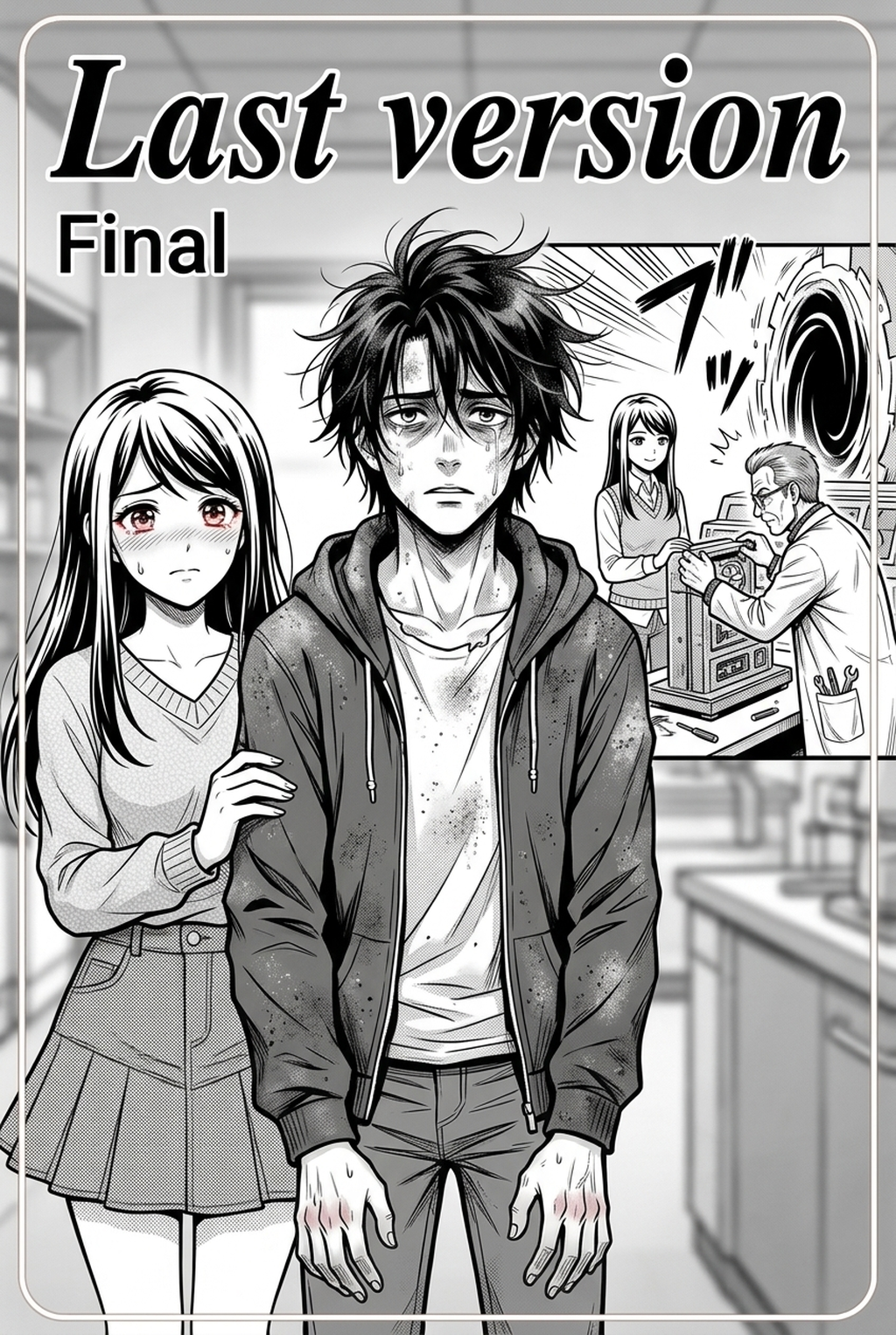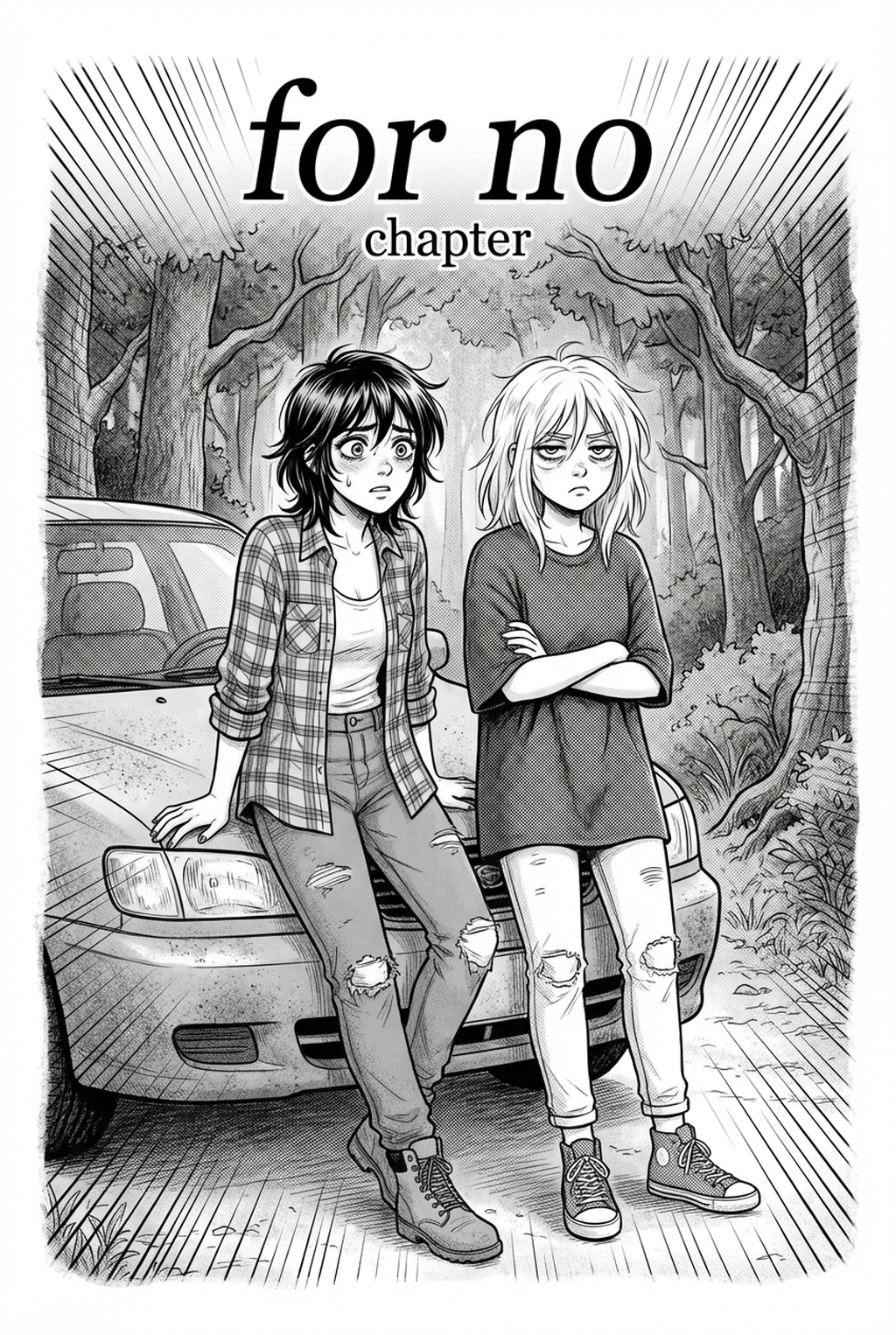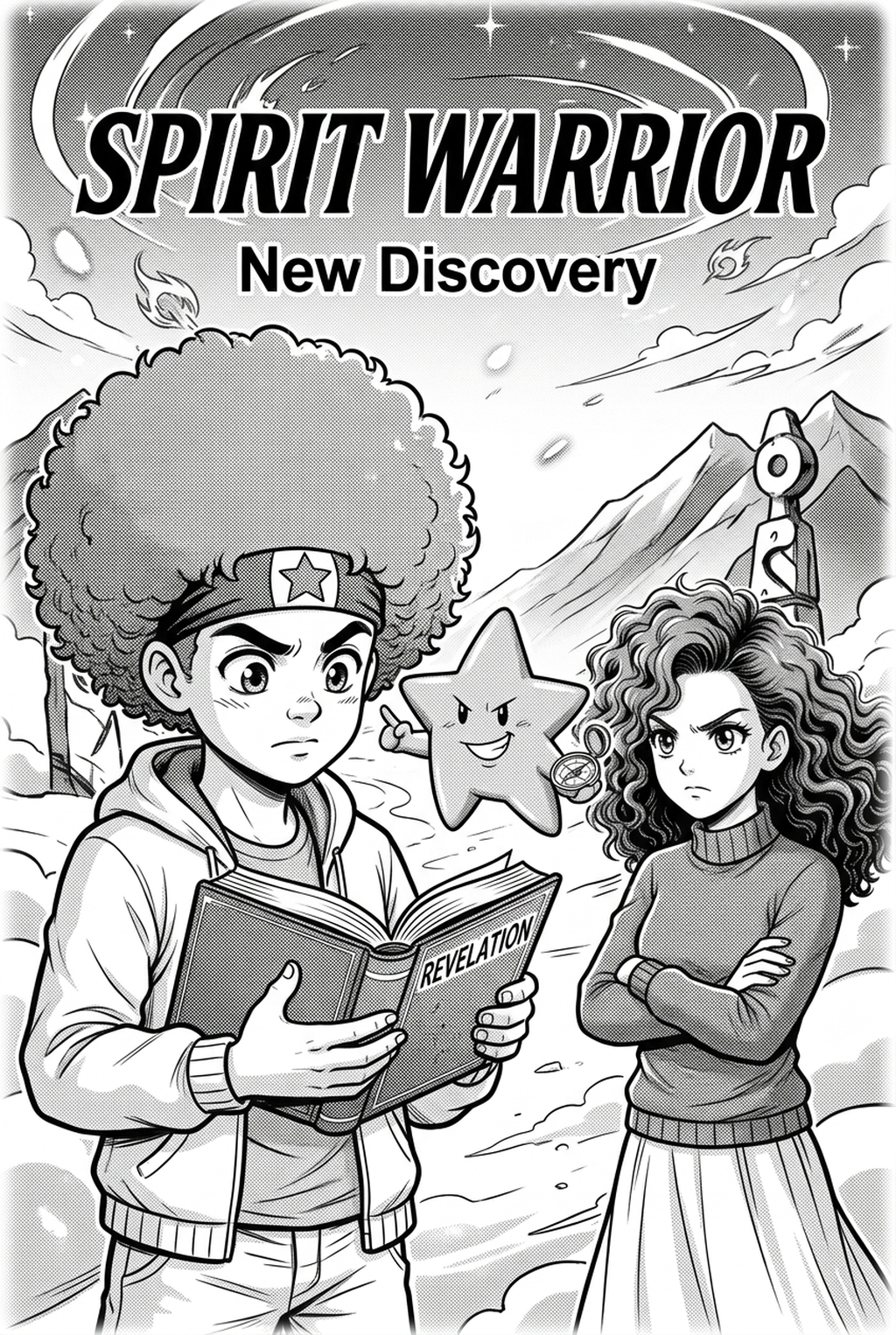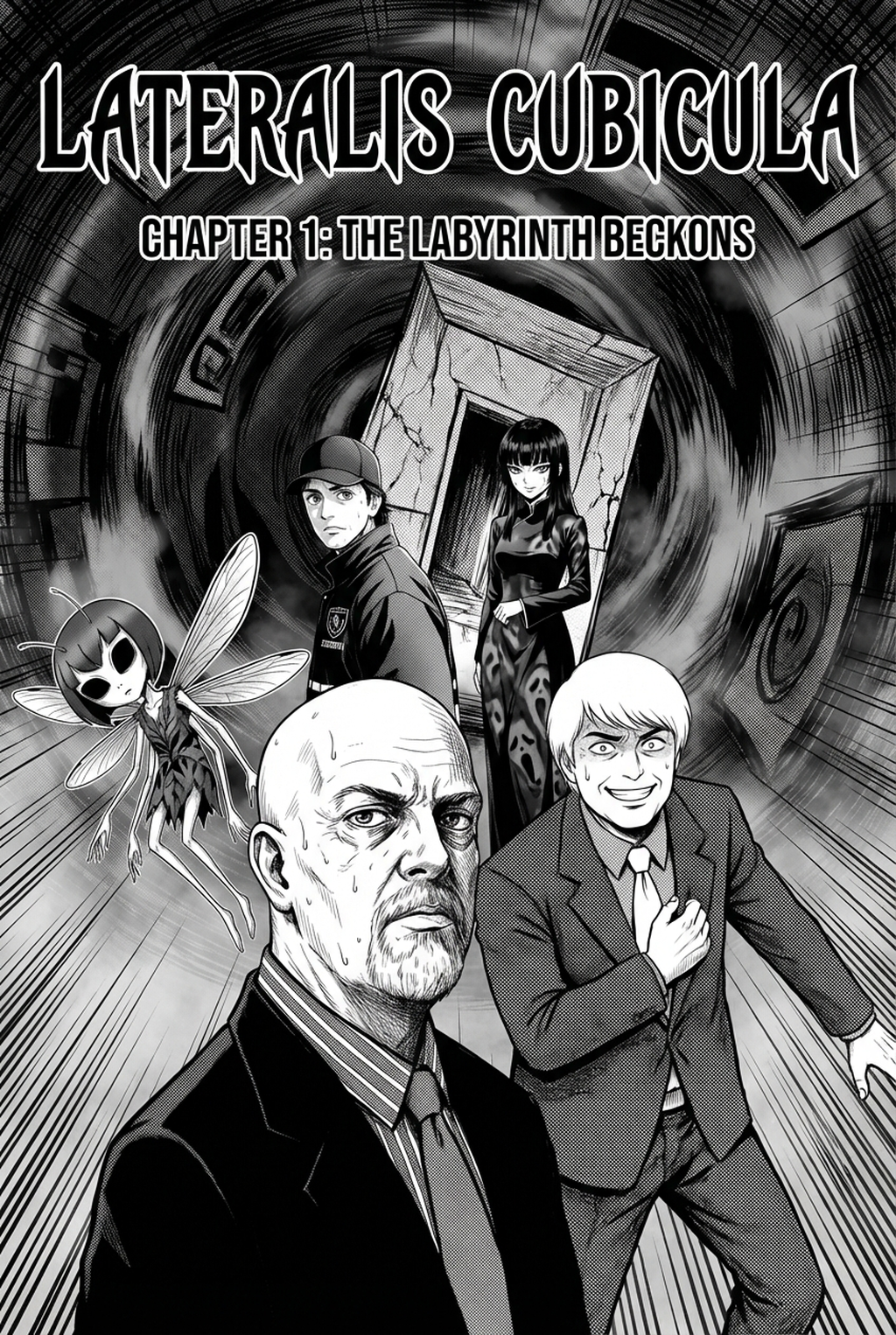
AI Manga Style Transfer: Characteristics of the Magical Girl Aesthetic
This iconic visual language relies on specific shojo-inspired ocular structures, where high-contrast highlights and intricate, sparkly light effects—frequently called kire-kire—define the character’s emotional state. Unlike the rigid, blocky anatomy found in action-heavy battle titles, this genre prioritizes slender, graceful silhouettes and fluid, dynamic poses that suggest agility and otherworldly energy rather than brute strength.
- Ocular Detail Precision: Eyes must feature thick, bold upper lashes and a sprawling constellation of light-reflective highlights to convey wonder. * Silhouette and Anatomy: Protagonists maintain elongated, tapering limb proportions, allowing for expressive, dance-like movement during battle. * Panel Layout Creativity: Artists often move away from standard rectangular gutters, utilizing floral or lace-patterned overlays and petal-shaped panels to reflect the character's internal magical aura.
Impact on Manga Production Workflows
The magical girl manga art style demands a high degree of technical control, particularly during the transition from rough, gestural storyboards to high-fidelity final pages. You need a consistent approach to motion lines and speed-blur effects, as these elements are the primary indicators of magical energy activation in a medium devoid of literal color or animation.
- Gravity-Defying Physics: Incorporating "floating" accessory physics, such as ribbons or magical scepter elements that remain buoyant during high-velocity action, distinguishes your series from grounded, realistic combat titles. * Texture and Print Mimicry: Using digital screen tone overlays that mimic the traditional, coarse print texture found in classic 90s volumes provides a nostalgic, authentic finish to your black-and-white layouts. * Shading Philosophy: Prioritize soft-edge shading techniques on skin and hair to ensure the final panels remain ethereal, avoiding the harsh, jagged hatching common in gritty, noir, or high-stakes action genres.
Artistic Refinement Through Mangaka
Mangaka automates the most labor-intensive aspects of this genre’s production by using AI style transfer to map your rough, gestural sketches into polished line art. Instead of struggling with pen-pressure inconsistencies that can ruin a character's facial consistency over a 20-page chapter, you can use the Magical girl manga art style to normalize your character proportions while applying genre-specific, intricate eye details and hair highlights.
By offloading the tedious, manual inking phase, you can devote your limited production hours to storyboarding unique "finishing move" panels that require complex, non-standard layouts. For example, if you are working on a 15-page battle chapter, you can feed a rough storyboard sketch for the transformation sequence directly into the system, and within seconds, receive a high-resolution, consistent line-art base that is ready for digital toning or color, effectively cutting your production turnaround time by up to 40%.
Creative Use Cases for Genre Implementation
Rapid prototyping allows you to visualize potential costume aesthetics before you commit to the finalized page design. By generating three distinct costume variations on a single lead character, you can evaluate which silhouette best fits the thematic tone of your arc without redrawing the entire character sheet.
- Costume Aesthetic Testing: Quickly generate character sheets to view how frills, scepters, and armor elements interact under different dynamic lighting conditions. * Panel Consistency Assurance: Ensure that facial features and eye highlights remain uniform across distinct scenes, even when the protagonist is drawn at varying scales or angles. * Transformation Pacing: Generate high-fidelity sketches of complex outfit changes to visualize the rhythmic pacing of a battle sequence before committing to the final ink-and-tone pass.
Initializing the Digital Workflow
To begin your process, upload your rough, hand-drawn gesture sketches or digital storyboard files directly into your dashboard. Select the specific genre preset designed for ethereal, high-detail character work to instantly transform your rough input into professional-grade line art that mimics the precision of traditional manga ink work.
- Input: Upload your sketches in a standard format like PNG or JPG to ensure the system preserves your underlying panel structure and character intent. * Calibration: Adjust the intensity sliders to find the exact balance between your unique stylistic vision and the genre-specific aesthetic requirements. * Export: Once you have achieved the desired look, export your panels as high-resolution files suitable for your favorite digital toning software, ensuring you maintain a minimum of 600 DPI for high-quality professional print results.
- Before Export. Creators should compare the generated line art with the original sketch and confirm that facial expressions, props, speed lines, and speech-bubble space still support the scene. A repeatable review pass should cover character consistency, panel readability, background clarity, and whether the final file is ready for coloring, lettering, or editor feedback.
- For Longer Projects. Creators should save approved examples of line weight, face detail, clothing folds, and background density. Those references keep later chapters closer to the intended style. For collaboration, creators should mark which panels are final and which panels still need redraws. Clear status labels prevent an assistant, editor, or colorist from polishing the wrong version.
- For Publishing. Creators should review the page at the actual reading size before export. Small screens expose crowded dialogue, weak silhouettes, and line details that looked fine while zoomed in. This keeps the review focused on story intent, line weight, panel readability, and the export quality behind the final AI Manga Style Transfer output.
The Bottom Line
Achieving the creator workflow requires a delicate balance of character design, ethereal light effects, and clean, expressive inking that avoids the common pitfalls of line-weight drift. With tools like Magical girl manga art style , you can master the technical demands of the medium and focus on the narrative heart of your series, Magical girl manga art style and produce professional-grade panels with ease.