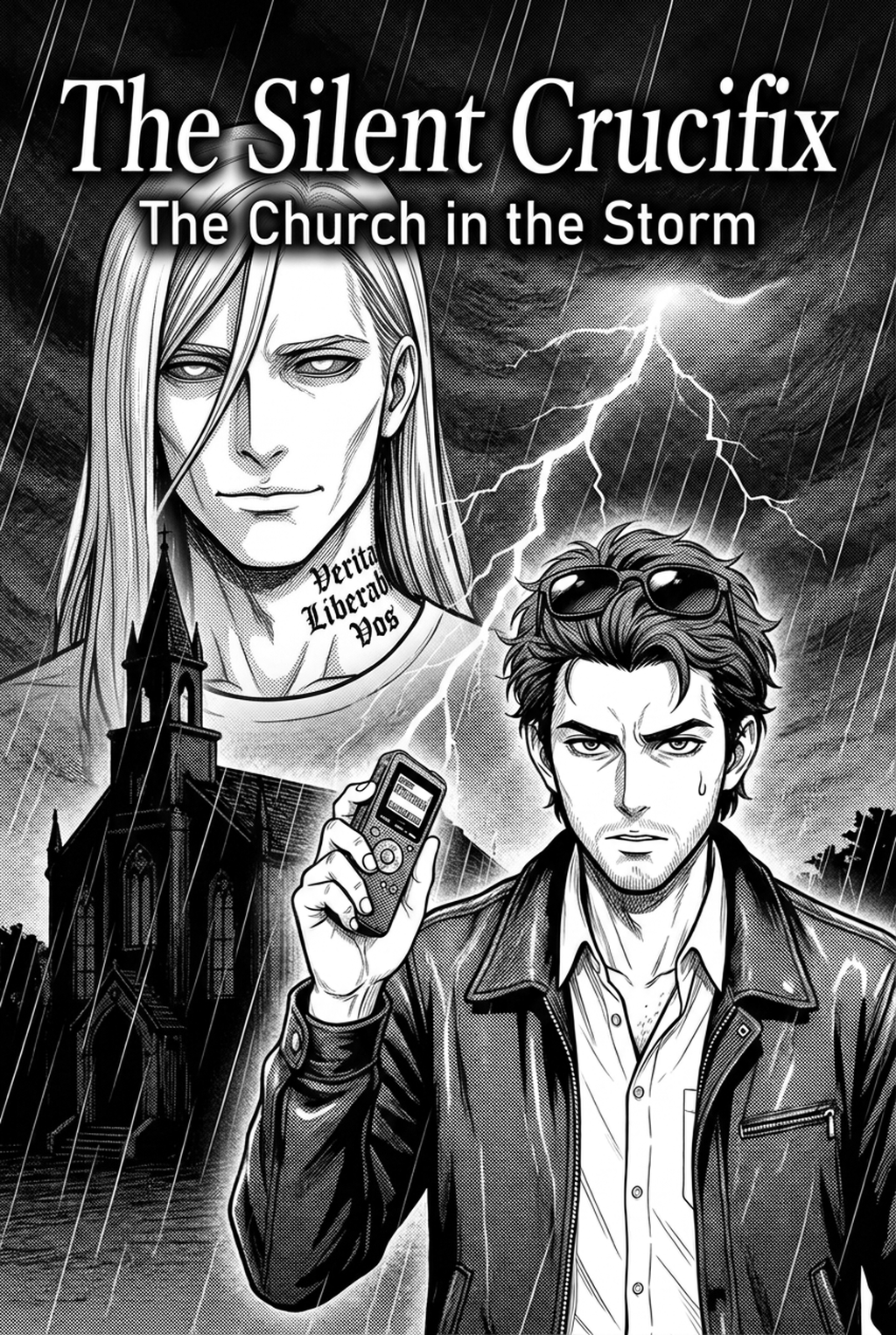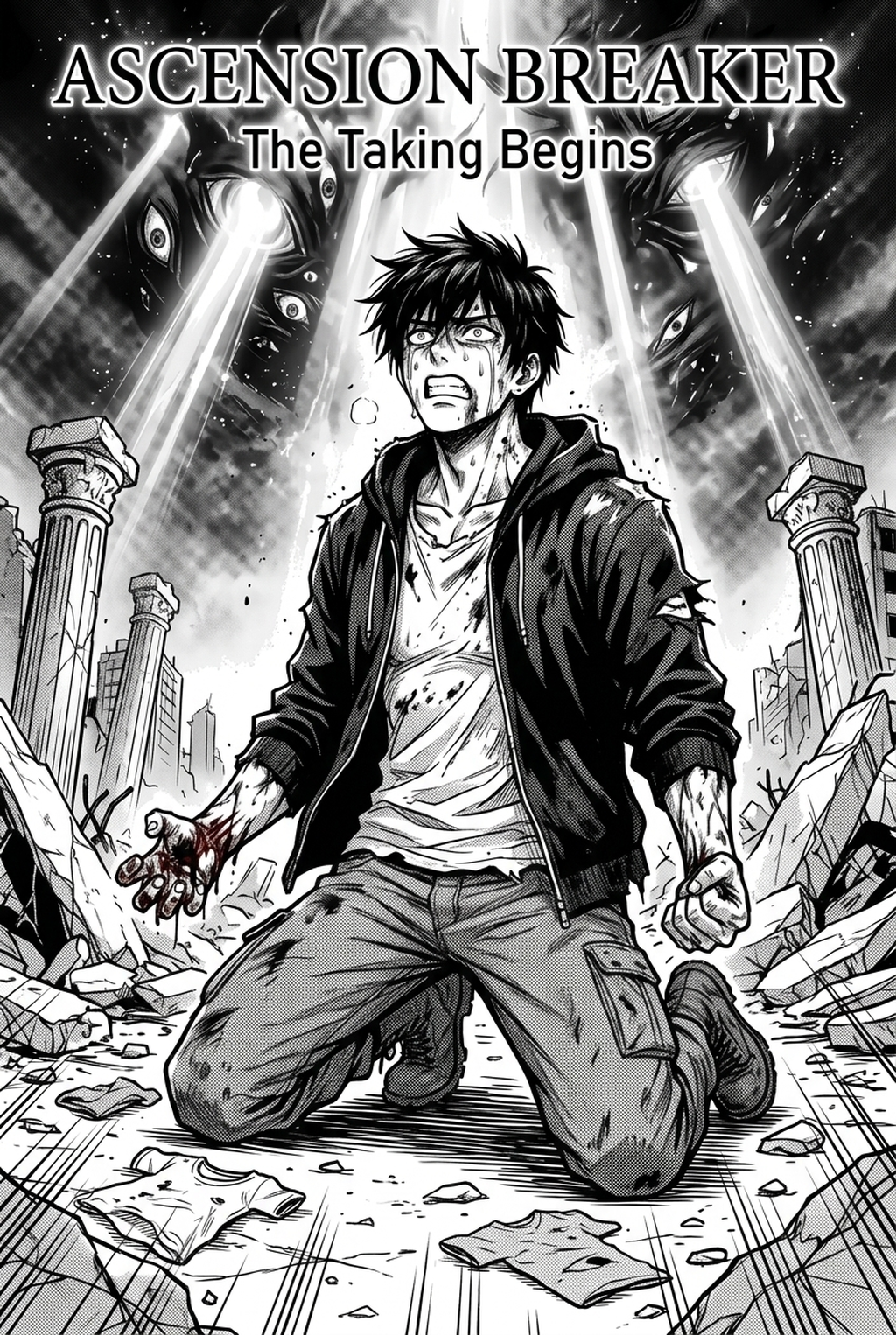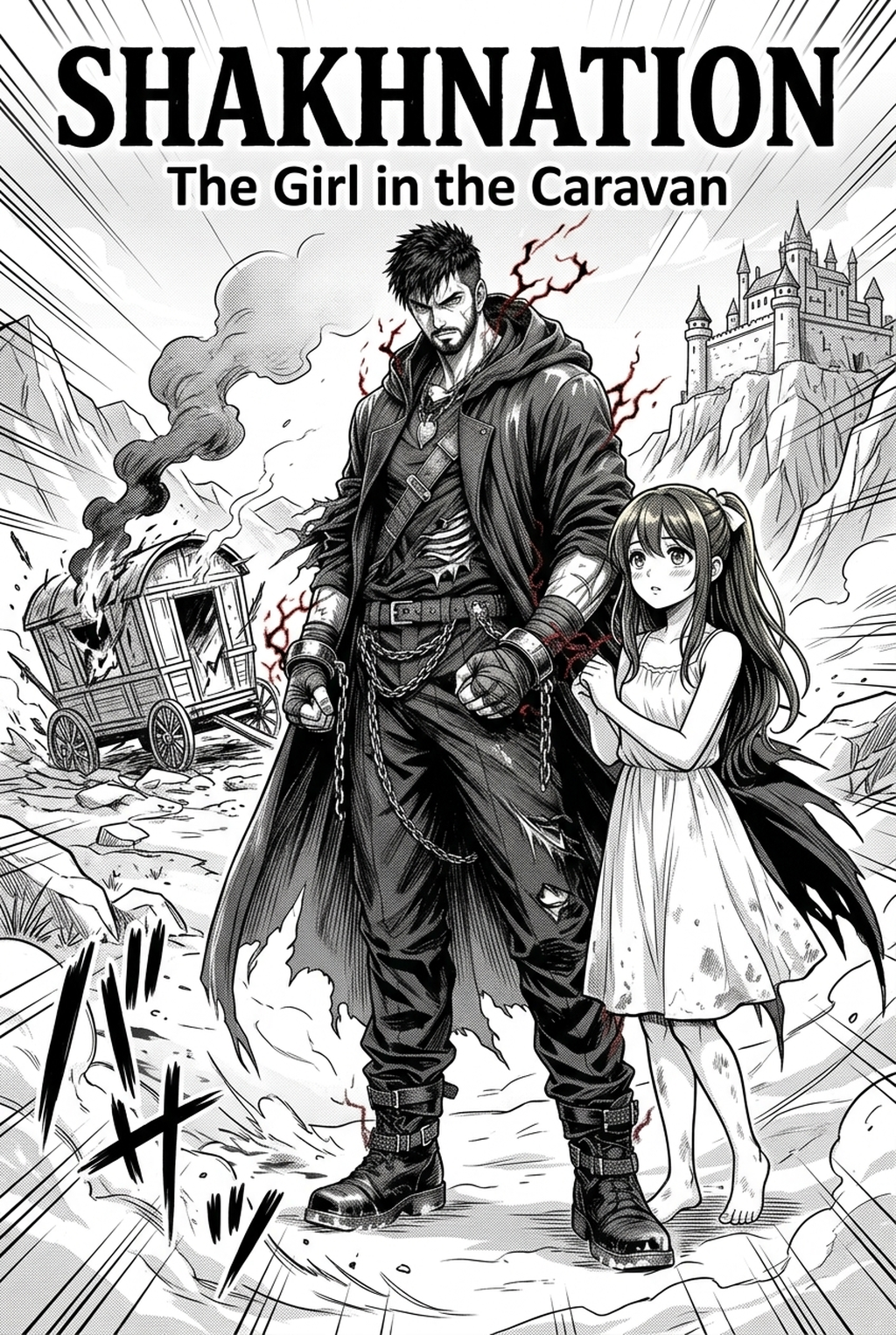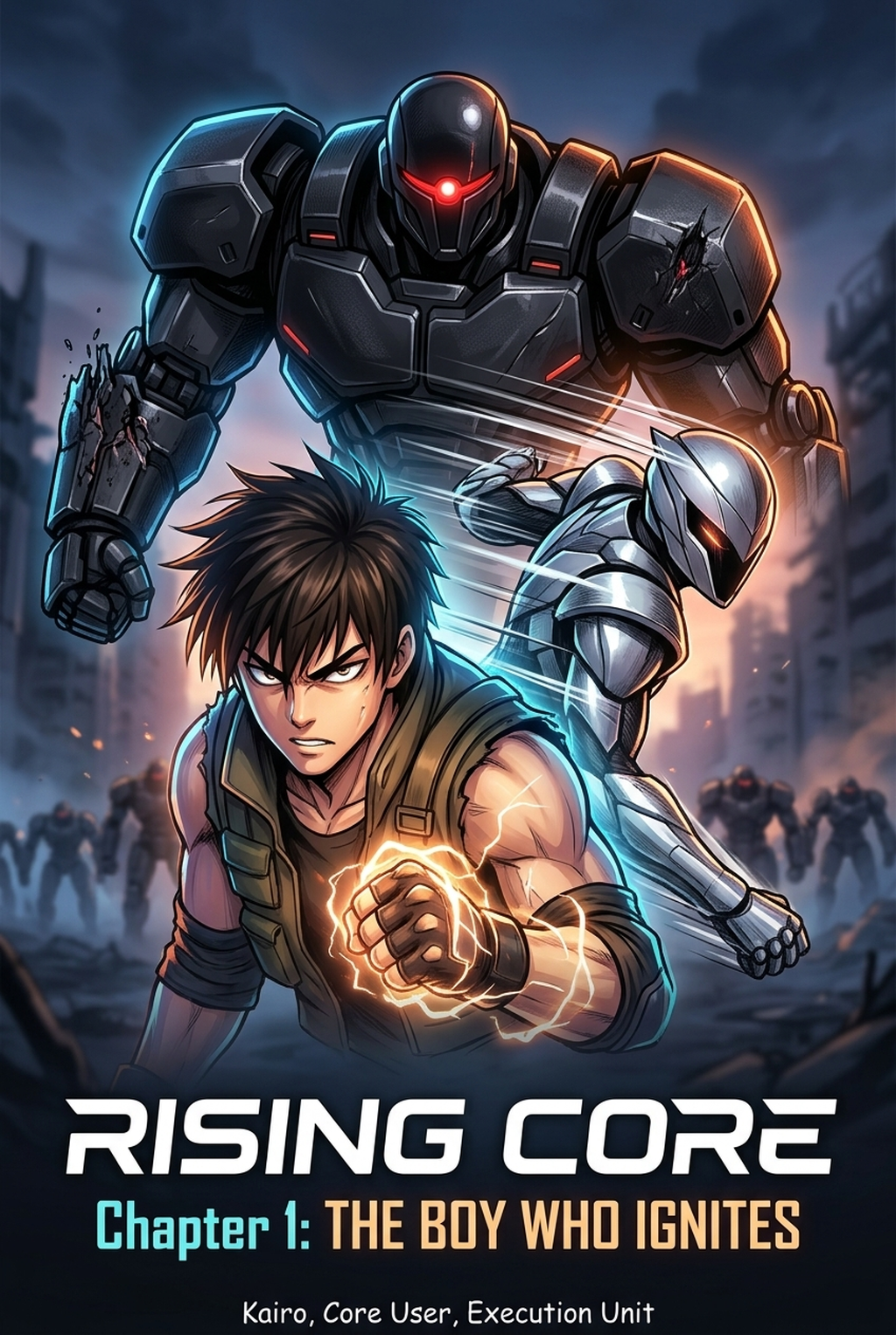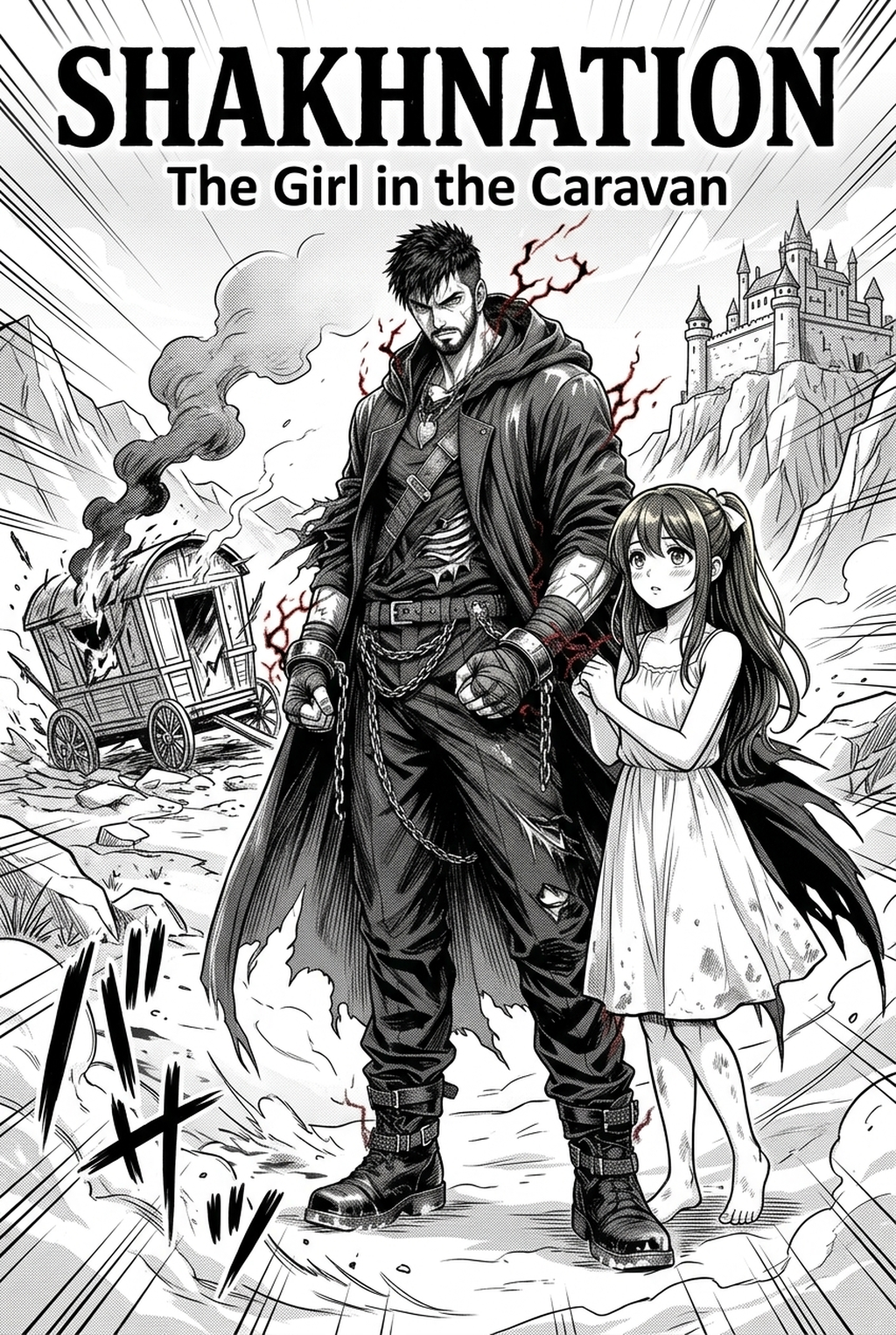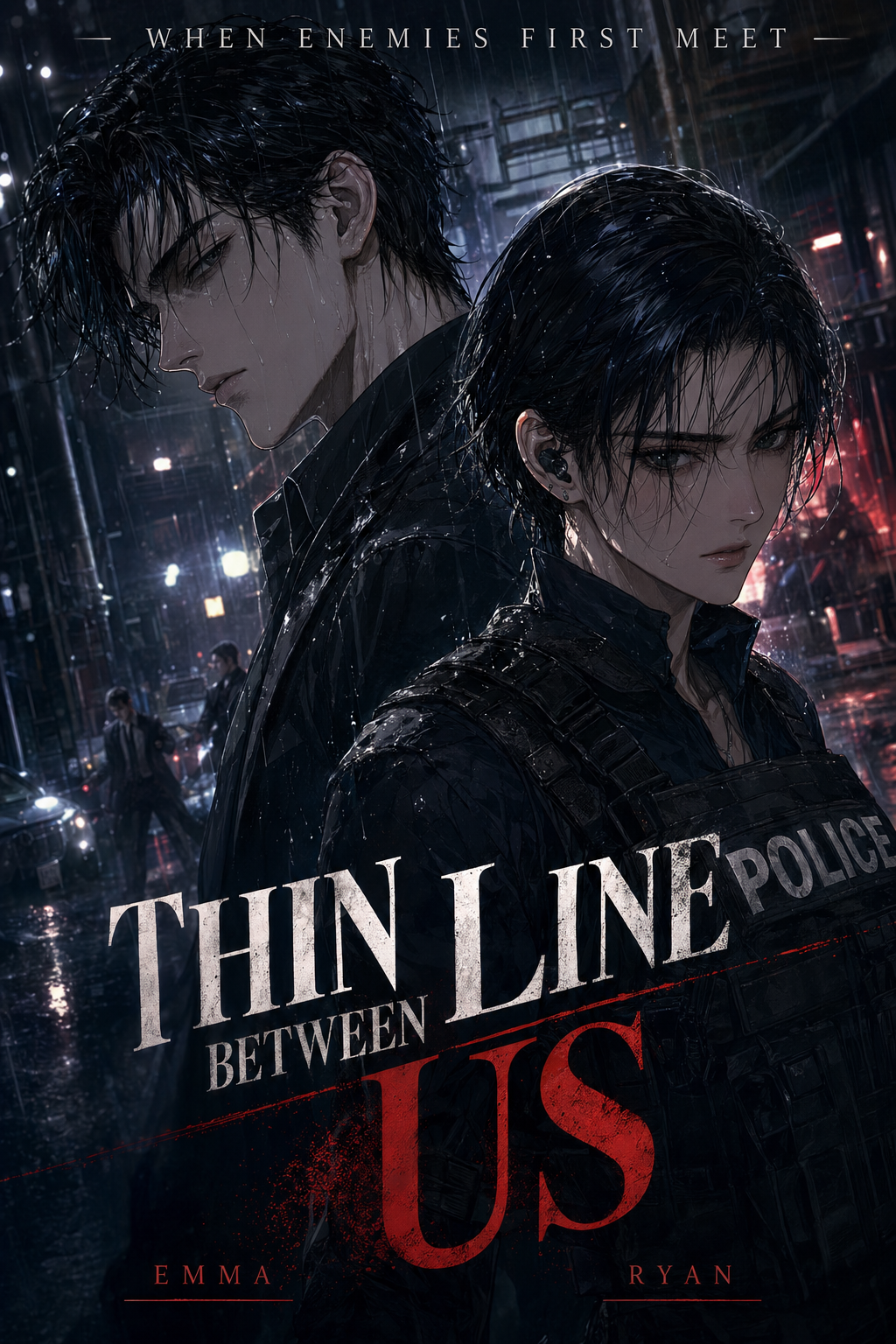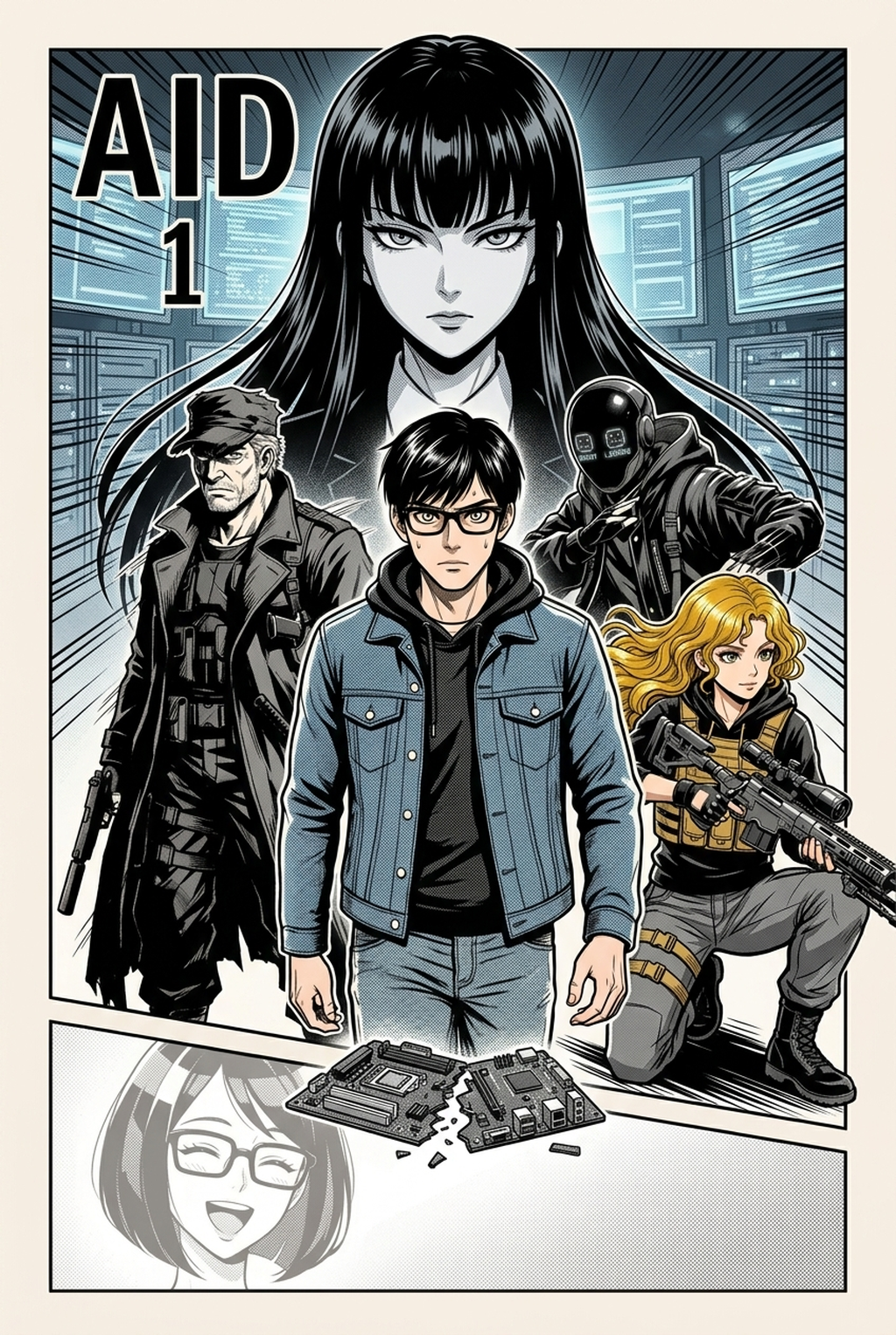
Visual Archetypes of AI Manga Character Designer
Villainess design relies on high-contrast visuals, where regal silhouettes and icy color palettes signal power, whereas softness typically denotes a lack of agency. Designers must navigate the tension between the 'ojou-sama' drill curls and modern, sleek refinements that prevent the character from feeling like a static trope.
- Sharp Silhouette Definition: Use angular facial structures and elongated, upturned eyes to immediately establish an intimidating or authoritative presence within the panel. * Ornate Accessory Layering: Incorporate lace chokers, silk fans, or distinctive brooches that remain constant, as these details ground the character during shifts in environmental lighting or emotional states. * Contrasting Color Palettes: Shift from soft pastels during deceptive scenes to cold, authoritative tones like deep violets, crimsons, or icy blues when the character asserts dominance.
These visual markers must be carefully calibrated; an overly accessorized villainess may become difficult to draw consistently, causing line-weight clutter when scaled for smaller, dialogue-heavy panels. This keeps the review focused on story intent, line weight, panel readability, and the export quality behind the final AI Manga Character Designer output.
Importance of Fidelity in Long-Running Serializations
In long-running manga series, character consistency acts as a shorthand for the reader to track status shifts without needing constant exposition. If your antagonist’s costume motif—such as a specific recurring butterfly pattern—loses its detail due to repetitive redrawing, the visual payoff of a climactic reveal is severely diminished.
- Cognitive Load Reduction: Maintaining a fixed character silhouette allows the audience to instantly recognize the villainess across varying, complex perspectives without visual confusion. * Production Bottleneck Mitigation: The manual burden of keeping line-art thickness and intricate dress patterns uniform often causes artists to sacrifice quality in intense, high-panel-count chapters. * Narrative Integrity: By ensuring character fidelity, you allow the readers to stay engaged with your strategic betrayal arcs rather than distracted by unintentional shifts in the character's facial proportions.
Automated Consistency with Mangaka
By generating and storing character seeds, the tool handles the heavy lifting of maintaining stylistic uniformity, so you avoid the frustration of drifting anatomy during intensive production cycles. Creators can use each revision decision to clarify panel readability, character consistency, and export quality before publishing or sharing.
- Base Model Anchoring: Define the character's "source" traits—the specific, unmoving elements that define her authority—and apply these consistently to diverse environments. * Detail Preservation: Generate high-resolution, complex patterns for ballgowns or ornate court attire without experiencing a drop in detail or line-art quality during the export process. * Resource Allocation: By automating repetitive character rendering, you reclaim the creative time needed to focus on nuanced panel pacing and atmospheric composition.
If you are struggling to keep your lead character's presence uniform, you can villainess manga character design with Mangaka and see how it holds up across different panel compositions. That extra context helps the reader connect the creative choice to character consistency, composition, speech-bubble space, and final file format.
Practical Use Cases for Advanced Character Design
Creators often encounter specific scenarios where the villainess’s design must remain high-fidelity while the surroundings change rapidly, such as during a high-society gala or a court trial scene. The goal is to generate dramatic reveal panels where complex, high-detail costumes are rendered accurately in tight production windows, avoiding the need for manual cleanup of misaligned line art.
- Rapid Formal Wear Variations: Quickly produce diverse gala gowns or court dresses that maintain the core aesthetic of the villainess, ensuring she looks regal even in new settings. * Heroine Foil Design: Create a visual contrast by setting the sharp, sophisticated villainess against heroines with softer, rounder features, visually signaling their moral misalignment before a word is spoken. * Dramatic Expression Sets: Generate high-detail, emotive panels—such as a cold, side-eyed smirk or a haughty laugh—that maintain the exact character seed you defined earlier in the project.
5mm line-weight remains consistent across the entire sequence. For manga creators, the practical value comes from reducing redraw loops before the artwork reaches a reader-facing page or reusable asset.
Building Your Master Character Seed
The most reliable approach to effective character design is to begin by constructing a 'Master creative brief' that captures the defining essence of your character. This involves isolating specific identifiers—like hair color, eye shape, and the signature accessory—and testing these in varying environments to ensure they hold up under different lighting conditions.
- Anchor Identity: Upload your preliminary sketches or specific visual components to anchor the character model, providing the engine with a clear baseline. * Iterative Weight Adjustment: Experiment with creative brief weights to see how your villainess responds to shadow and harsh, high-contrast light, verifying that she maintains her intimidating vibe. * Consistency Validation: Run your character through a series of "stress test" panels—such as a dramatic closeup or an active, wide-angle motion shot—to ensure no proportion drift occurs.
Creators should compare the generated line art with the original sketch and confirm that facial expressions, props, speed lines, and speech-bubble space still support the scene. A repeatable review pass should cover character consistency, panel readability, background clarity, and whether the final file is ready for coloring, lettering, or editor feedback.
The Bottom Line
Successful AI Manga Character Designer workflow depends entirely on the reliability of your character's visual identity across complex, high-tension story arcs. By leveraging AI-assisted tools to manage the heavy lifting of maintaining character fidelity, you can solve the recurring problem of character drift that often plagues solo creators. When you anchor your character in a clear visual identity, you free yourself to focus on the narrative depth and emotional impact of your pages; start your next project by villainess manga character design today.
Related articles
Manga Speech Bubble Placement: A Guide to Professional Flow
Villainess Manga Character Design: A Guide for 2026
Manga Inking 101: From Pencil Sketches to Professional 2026