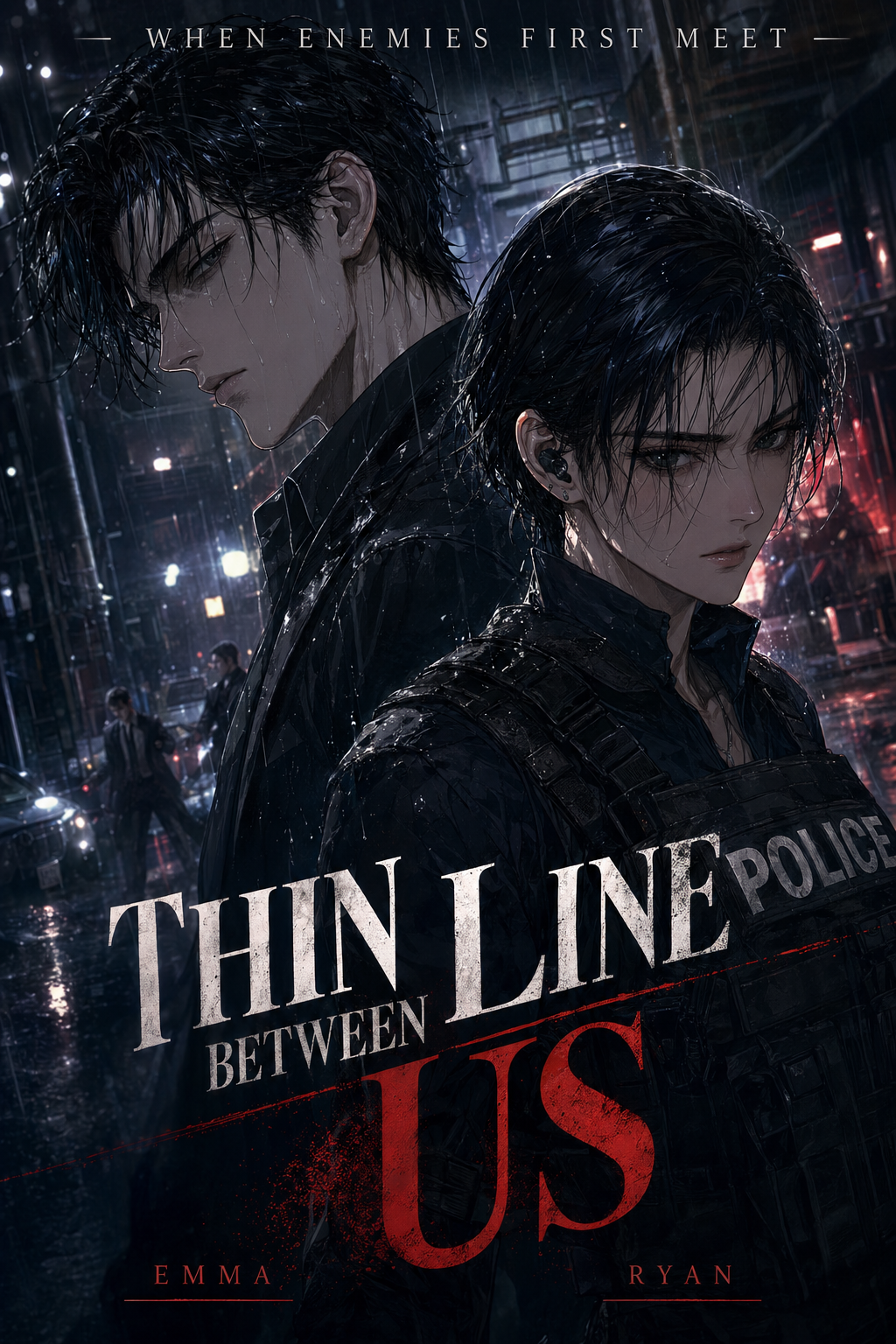
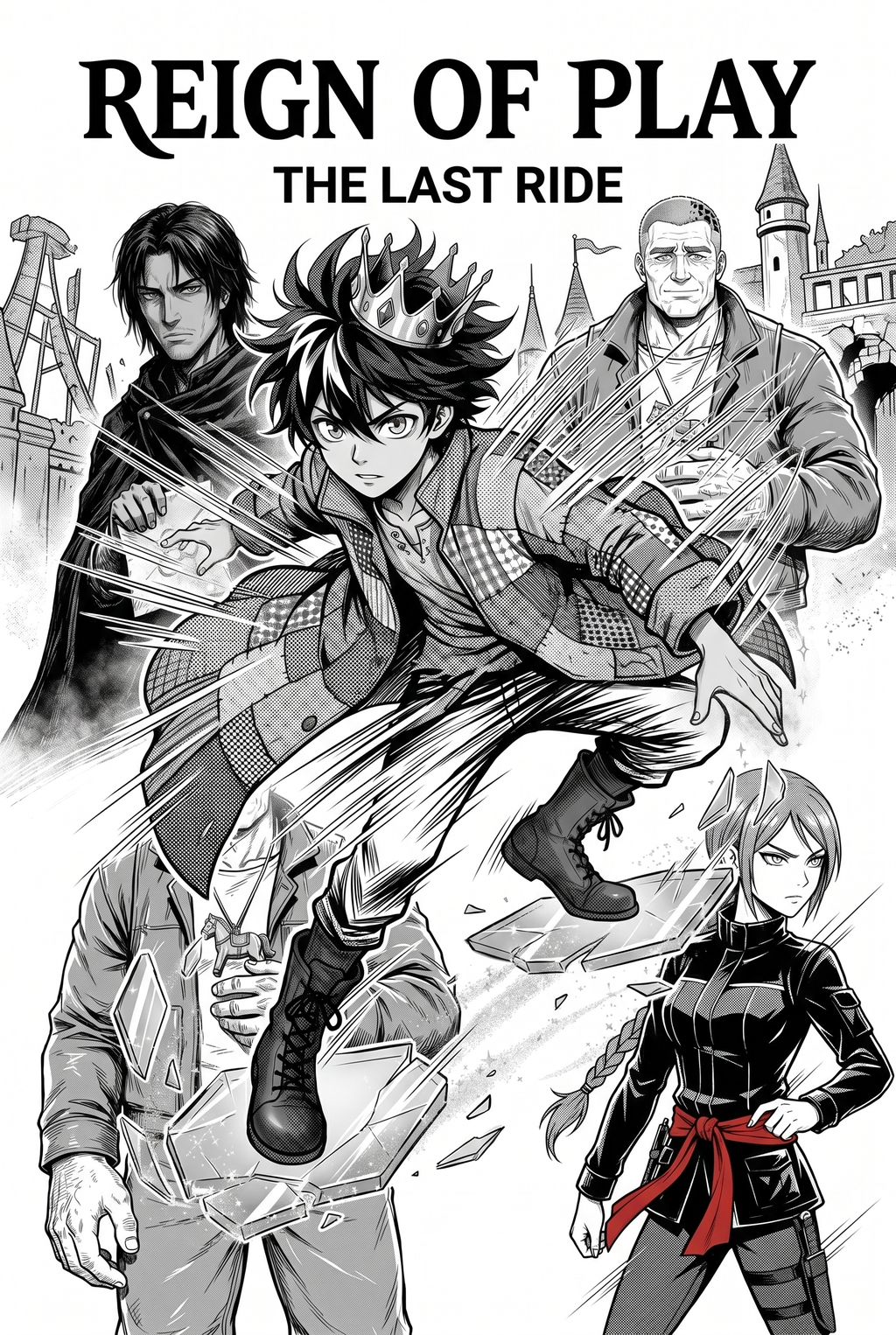
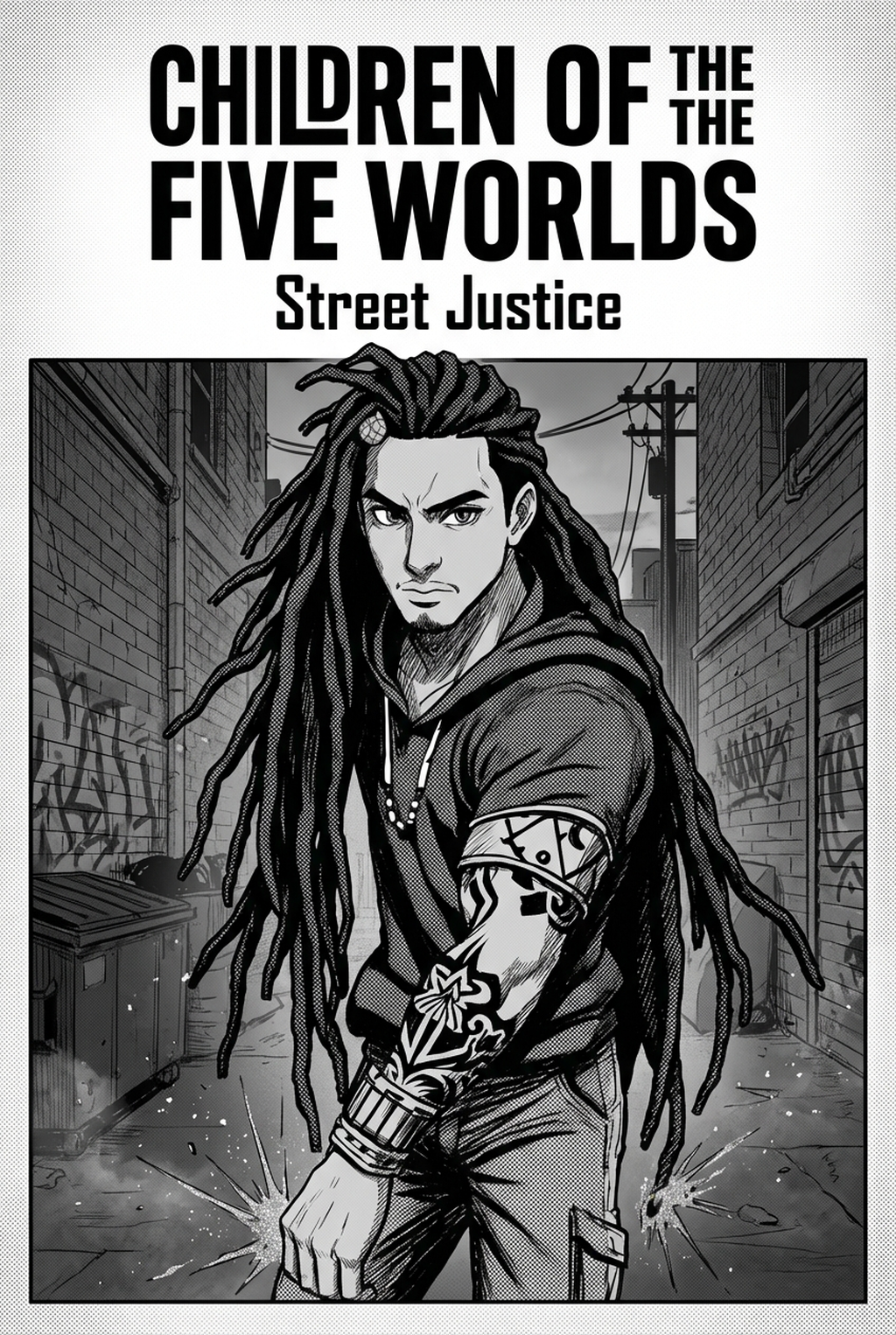
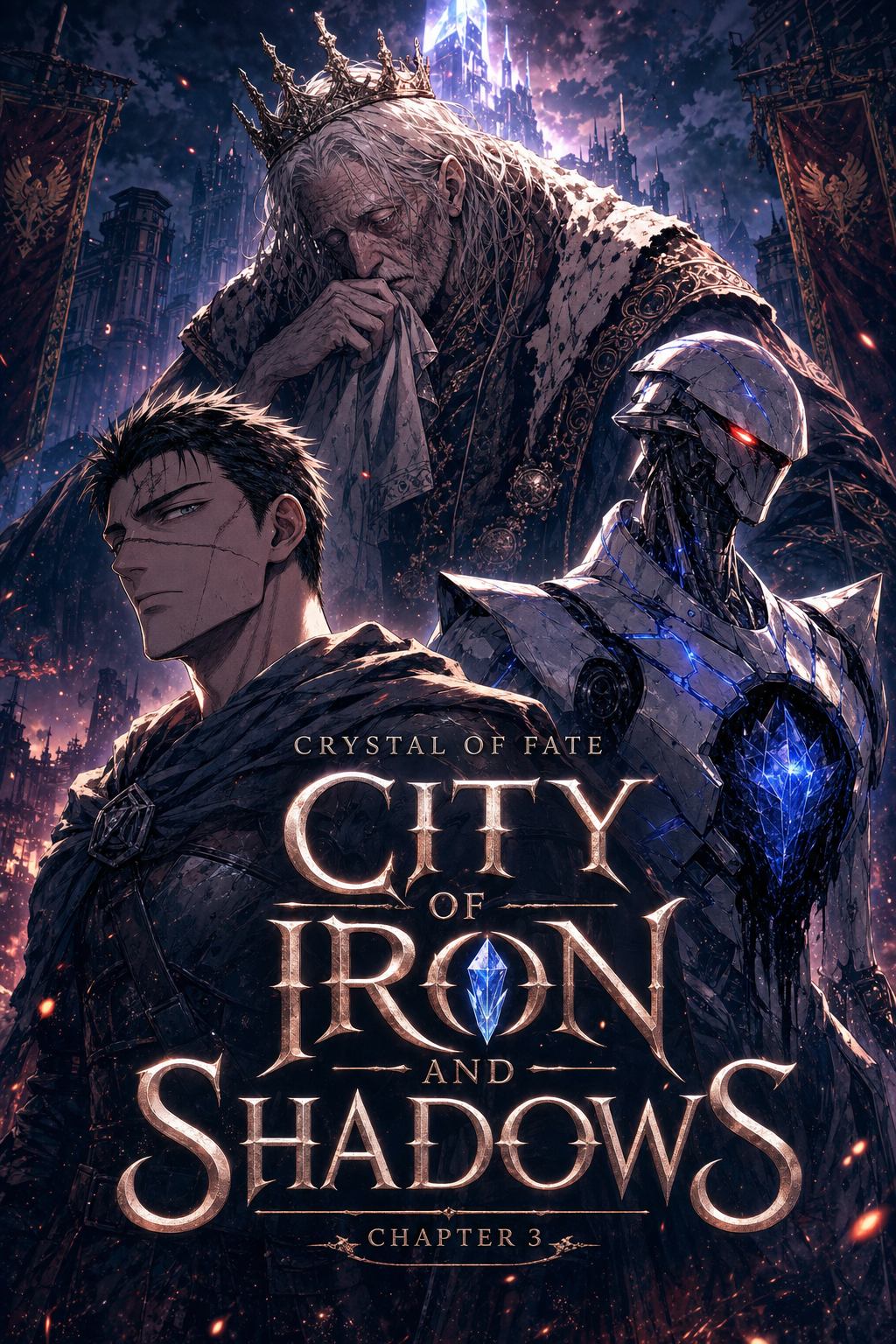
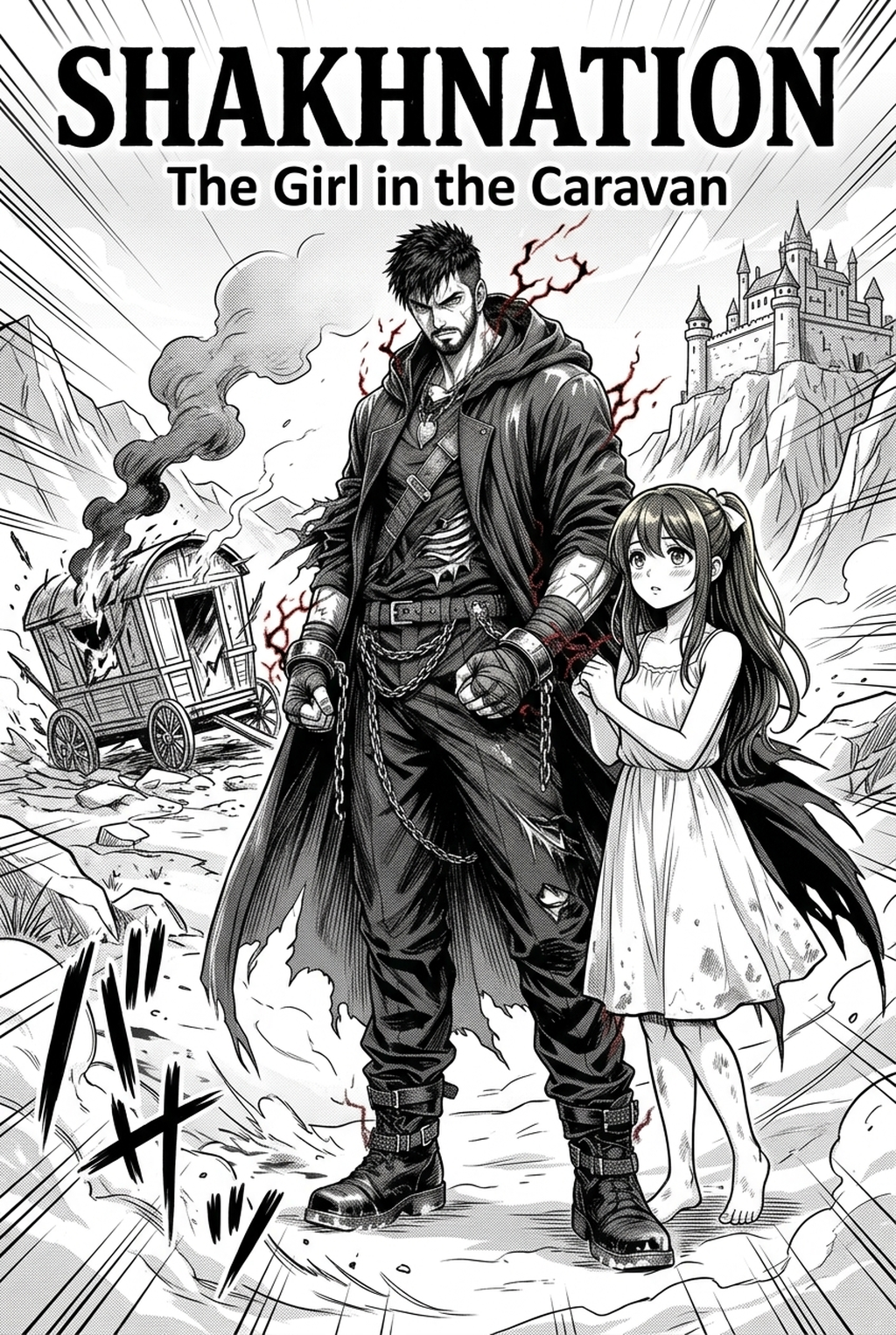
Shonen vs Seinen Manga Art Style Prompt Guide: Controlling Audience Cues
Direct Answer & Executive Summary (TL;DR)
Audience cues should come from narrative, pacing, character goals, and visual language rather than stereotypes. Define age range, emotional register, panel density, action intensity, and vocabulary before writing prompts. Use neutral references for anatomy, clothing, and setting. Test the same scene with different pacing and framing, then compare whether the intended audience signal is clear. Avoid copying a named artist. Document which prompt changes affect tone and which affect only surface decoration. Style direction works best as a set of controllable attributes tied to story purpose.
- Core Focus: Shonen vs seinen manga art direction and demographic tone control tailored for independent studios, serialized webtoon teams, and print-ready graphic novel workflows.
- Primary Deliverables: Demographic register specification, panel density & pacing comparison grid, neutral anatomical reference pack, controlled prompt variable matrix, and tone vs decoration audit log.
- Key Quality Gates: Verified target demographic signal clarity, head-to-body proportion stability, line-weight and hatching fidelity, pacing rhythm differentiation, and zero named-artist prompt dependency.
1. Operational Scope and Architecture for Shonen Vs Seinen Manga Art Direction And Demographic Tone Control
Building a dependable workflow for Shonen vs Seinen Manga Art Style Prompt Guide: Controlling Audience Cues requires replacing ad-hoc trial and error with observable editorial checkpoints. Audience cues should come from narrative, pacing, character goals, and visual language rather than stereotypes Define age range, emotional register, panel density, action intensity, and vocabulary before writing prompts When teams focus on demographic visual grammar, lighting/screentone register, and controlled prompt experimentation, every creative decision leaves an auditable trail from initial concept to final reader delivery.
In practice, Shonen vs Seinen manga art direction and demographic tone control succeeds when responsibilities are separated into distinct layers:
- Specification Layer (Demographic Register Specification): Defines target reader outcome, format boundaries, and acceptance criteria before visual rendering begins.
- Continuity Layer (Panel Density & Pacing Comparison Grid & Neutral Anatomical Reference Pack): Locks recurring visual/narrative anchors and translates story turns into measurable shot instructions.
- Verification Layer (Controlled Prompt Variable Matrix & Tone Vs Decoration Audit Log): Records human review decisions, rectifies localized defects, and validates mobile readability prior to release.
Table 1: Deliverable and Quality Gate Matrix for Shonen vs Seinen Manga Art Style Prompt Guide
| Workflow Artifact | Primary Purpose in Shonen Vs Seinen Manga Art Direction And Demographic Tone Control | Measurable Acceptance Metric | Failure Risk if Omitted |
|---|---|---|---|
| Demographic Register Specification | Establishes scope, audience, and constraints | Target demographic signal clarity | Relying on crude genre clichés instead of narrative and visual pacing |
| Panel Density & Pacing Comparison Grid | Locks recurring visual and narrative identity | Head-to-body proportion stability | Invoking living mangaka names in prompts |
| Neutral Anatomical Reference Pack | Converts prose or concepts into panel specs | Line-weight and hatching fidelity | Mixing kinetic shonen speed framing with contemplative seinen atmosphere randomly |
| Controlled Prompt Variable Matrix | Tracks iterations, edits, and provenance | Pacing rhythm differentiation | Changing multiple prompt variables at once without logging effects |
| Tone Vs Decoration Audit Log | Finalizes lettering, alt text, and export | Zero named-artist prompt dependency | Unverified release & reader drop-off |
2. Step-by-Step Production Protocol: Controlling Audience Cues
Follow these seven numbered steps in order. Do not advance to the next stage until the current artifact passes its verification check.
Step 1: Establish the Demographic Register Specification and Scope Boundaries
Audience cues should come from narrative, pacing, character goals, and visual language rather than stereotypes. Document the primary deliverables (demographic register specification and panel density & pacing comparison grid) before opening any generation canvas. In Shonen vs Seinen manga art direction and demographic tone control, locking the target audience (independent studios, serialized webtoon teams, and print-ready graphic novel workflows) and acceptance metric (target demographic signal clarity) prevents scope drift and wasted render credits.
Step 2: Construct the Panel Density & Pacing Comparison Grid and Immutable Reference Rules
Define age range, emotional register, panel density, action intensity, and vocabulary before writing prompts Create a versioned reference packet covering panel density & pacing comparison grid and neutral anatomical reference pack. Separate immutable narrative or visual facts from flexible staging choices, and verify head-to-body proportion stability across at least three sample frames before approving the reference baseline.
Step 3: Translate Narrative Beats into the Neutral Anatomical Reference Pack
Use neutral references for anatomy, clothing, and setting Map each narrative turn into a concrete specification inside your neutral anatomical reference pack. Explicitly guard against relying on crude genre clichés instead of narrative and visual pacing by assigning one clear dramatic change, camera distance, and dialogue budget to each unit of work.
Step 4: Execute Controlled Production Passes Focused on Demographic visual grammar, lighting/screentone register, and controlled prompt experimentation
Test the same scene with different pacing and framing, then compare whether the intended audience signal is clear Run small, repeatable batches inside Mangaka Studio while tracking line-weight and hatching fidelity. Log both accepted and rejected iterations inside your controlled prompt variable matrix so another editor can reproduce the exact outcome.
Step 5: Audit Continuity, Context, and Defect Remediation via Controlled Prompt Variable Matrix
Avoid copying a named artist Inspect every frame against the panel density & pacing comparison grid and eliminate invoking living mangaka names in prompts. Use targeted local corrections rather than full-scene regeneration whenever head-to-body proportion stability or pacing rhythm differentiation falls below your acceptance threshold.
Step 6: Finalize Typography, Accessibility, and the Tone Vs Decoration Audit Log
Document which prompt changes affect tone and which affect only surface decoration Assemble the tone vs decoration audit log only after visual layers pass continuity review. Check line-weight and hatching fidelity and pacing rhythm differentiation on an actual smartphone viewport (360px–428px width) and verify that mixing Kinetic Shonen speed framing with contemplative Seinen atmosphere randomly has not occurred during layout assembly.
Step 7: Complete Pre-Release Governance, Provenance Archiving, and Measurement
Style direction works best as a set of controllable attributes tied to story purpose. Before publishing, confirm zero named-artist prompt dependency and archive the complete demographic register specification, controlled prompt variable matrix, and tone vs decoration audit log together. Mitigate changing multiple prompt variables at once without logging effects by recording the release checklist, reader feedback signals, and the concrete hypothesis for your next episode or revision.
3. Technical Specifications, Benchmarking, and Risk Controls
To keep Shonen vs Seinen manga art direction and demographic tone control reproducible across multiple episodes or collaborators, evaluate your setup against standardized technical thresholds rather than subjective impressions.
Table 2: Quantitative Benchmark Thresholds for Shonen Vs Seinen Manga Art Direction And Demographic Tone Control
| Evaluation Dimension | Baseline Requirement | Target Production Standard | Verification Method |
|---|---|---|---|
| Target Demographic Signal Clarity | Defined in initial demographic register specification | 100% alignment across scene cards | Pre-render editorial review |
| Head-To-Body Proportion Stability | Stable across 3 consecutive panels | Zero unmotivated drift across chapter | Side-by-side panel density & pacing comparison grid overlay check |
| Line-Weight And Hatching Fidelity | Readable at 400px mobile width | Instant comprehension at 360px & thumbnail | Smartphone viewport & thumbnail audit |
| Pacing Rhythm Differentiation | Documented per episode | Complete layer & text separation | Preflight inspection of tone vs decoration audit log |
| Zero Named-Artist Prompt Dependency | Archived at publication | Timestamped prompts, edits, and licenses | Audit of controlled prompt variable matrix repository |
Table 3: Risk Remediation Playbook for Shonen vs Seinen Manga Art Style Prompt Guide
| Observed Defect / Bottleneck | Root Operational Cause | Immediate Corrective Action | Long-Term Prevention Rule |
|---|---|---|---|
| Relying on crude genre clichés instead of narrative and visual pacing | Missing or incomplete demographic register specification | Halt rendering and write a 1-page demographic register specification | Mandatory brief sign-off before canvas creation |
| Invoking living mangaka names in prompts | Unanchored prompts without panel density & pacing comparison grid | Apply targeted local edit using panel density & pacing comparison grid reference | Lock character/setting tokens in neutral anatomical reference pack |
| Mixing kinetic shonen speed framing with contemplative seinen atmosphere randomly | Merging dialogue and art too early | Re-open layered file and adjust tone vs decoration audit log | Reserve 15%+ negative space during neutral anatomical reference pack stage |
| Changing multiple prompt variables at once without logging effects | Skipping final preflight gate | Run mobile and provenance check via controlled prompt variable matrix | Enforce 7-step release checklist before export |
Table 4: Role Handoff and Archive Specification
| Production Stage | Input Artifact | Output Artifact | Verification Owner |
|---|---|---|---|
| 1. Planning & Scope | Premise & audience notes | Approved demographic register specification | Lead Writer / Educator / Editor |
| 2. Visual/Scene Design | Approved demographic register specification | Locked panel density & pacing comparison grid & neutral anatomical reference pack | Visual Director / Storyboarder |
| 3. Generation & Polish | panel density & pacing comparison grid & neutral anatomical reference pack | Curated controlled prompt variable matrix | Production Artist / Creator |
| 4. Lettering & Release | Curated controlled prompt variable matrix | Published tone vs decoration audit log | Letterer / Managing Editor |
4. Frequently Asked Questions (FAQ)
- What is the most important first deliverable when working on Shonen vs Seinen manga art direction and demographic tone control? Always start with a written demographic register specification paired with a locked panel density & pacing comparison grid. Audience cues should come from narrative, pacing, character goals, and visual language rather than stereotypes.
- How do creators measure quality in Shonen vs Seinen manga art direction and demographic tone control without relying on guesswork? Track objective production metrics including target demographic signal clarity, head-to-body proportion stability, and line-weight and hatching fidelity, and record every test iteration inside a controlled prompt variable matrix.
- What is the most common failure mode in Shonen vs Seinen manga art direction and demographic tone control? The primary risks include relying on crude genre clichés instead of narrative and visual pacing and invoking living mangaka names in prompts. Separating planning (neutral anatomical reference pack) from final assembly (tone vs decoration audit log) prevents these defects.
- How does demographic visual grammar, lighting/screentone register, and controlled prompt experimentation improve mobile reader comprehension? By enforcing line-weight and hatching fidelity and validating the tone vs decoration audit log at thumbnail and smartphone viewport sizes (360px–428px) before publication.
- Why should teams keep rejected outputs inside the controlled prompt variable matrix? Preserving rejected attempts alongside accepted frames documents human editorial selection, supports zero named-artist prompt dependency, and prevents repeating failed prompts.
- How can I apply this workflow directly in Mangaka Studio? Use Mangaka Studio to manage your panel density & pacing comparison grid, execute demographic visual grammar, lighting/screentone register, and controlled prompt experimentation, and export a verified tone vs decoration audit log with full commercial provenance.
5. Related Mangaka Production Guides
- Free Alternatives to Clip Studio Paint for Making Webtoons Without Drawing: A Decision Matrix
- Best AI Tools for Self-Publishing Authors to Create Graphic Novels: Manuscript-to-Print Workflow
- Text to Comic Strip Generator Free Online: Turning Short Indian Folklore into Visual Lessons
- Comic Maker Online for Indian Creator Teams: Review, Versioning, and Mobile Handoffs
- Best AI Manga Generator from Text Free Online: A Reproducible Quality Test
6. External Standards and Authoritative References
- W3C Web Accessibility Initiative — Images & Alt Text Concepts
- U.S. Copyright Office — Artificial Intelligence and Copyright Policy
- Unicode Consortium — South Asian Scripts & Devanagari Rendering
- Google Search Central — Structured Data & Article SEO Guidelines
- Creative Commons — Licensing Considerations for Creative Works
- International Color Consortium — ICC Profiles and Print Preflight
- MDN Web Docs — Responsive Images and WebP Compression Standards
7. Next Action: Build Your Demographic Register Specification in Mangaka Studio
Style direction works best as a set of controllable attributes tied to story purpose. Start your next sequence with Mangaka Studio to organize your panel density & pacing comparison grid, streamline demographic visual grammar, lighting/screentone register, and controlled prompt experimentation, and publish a verified tone vs decoration audit log with full editorial control.