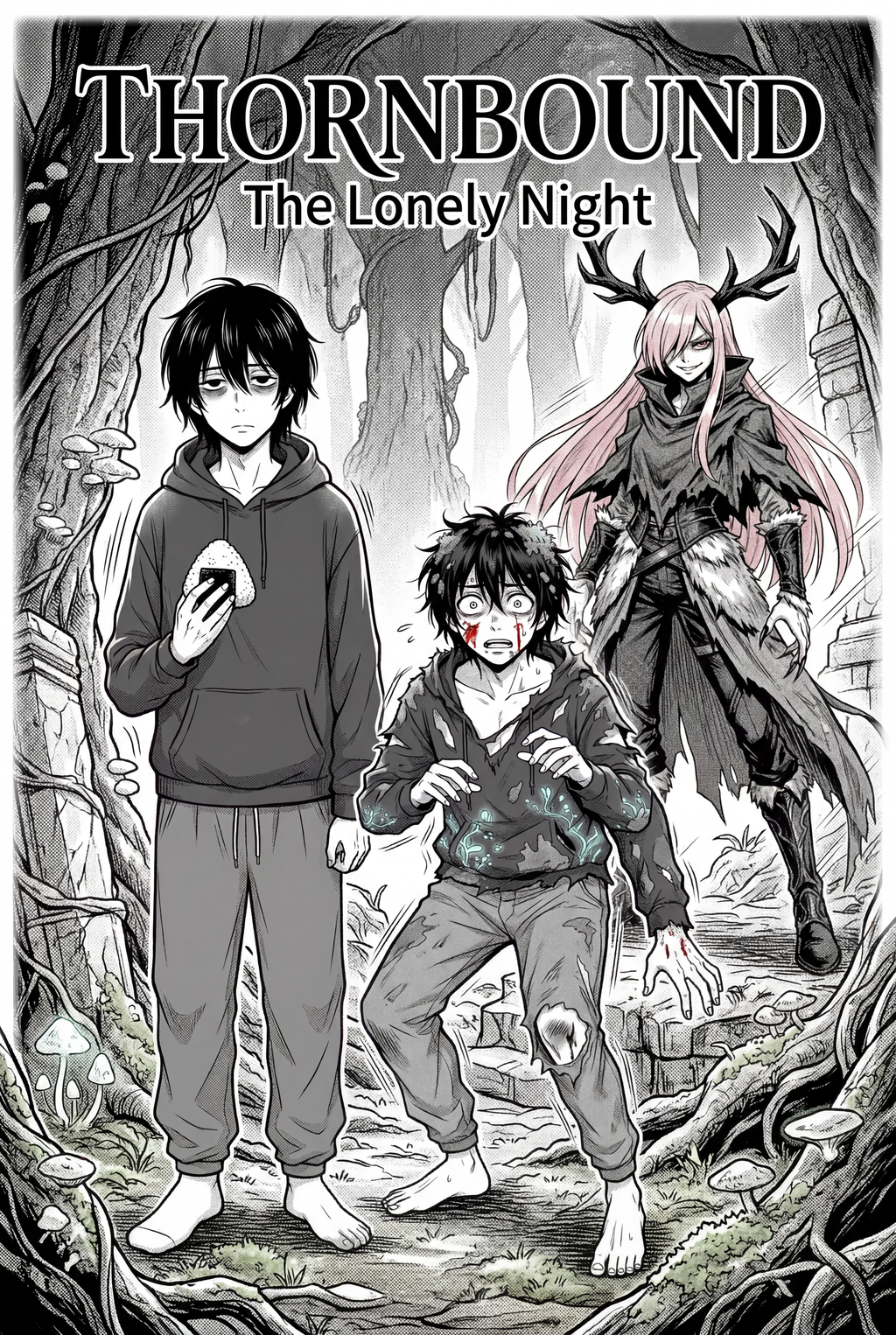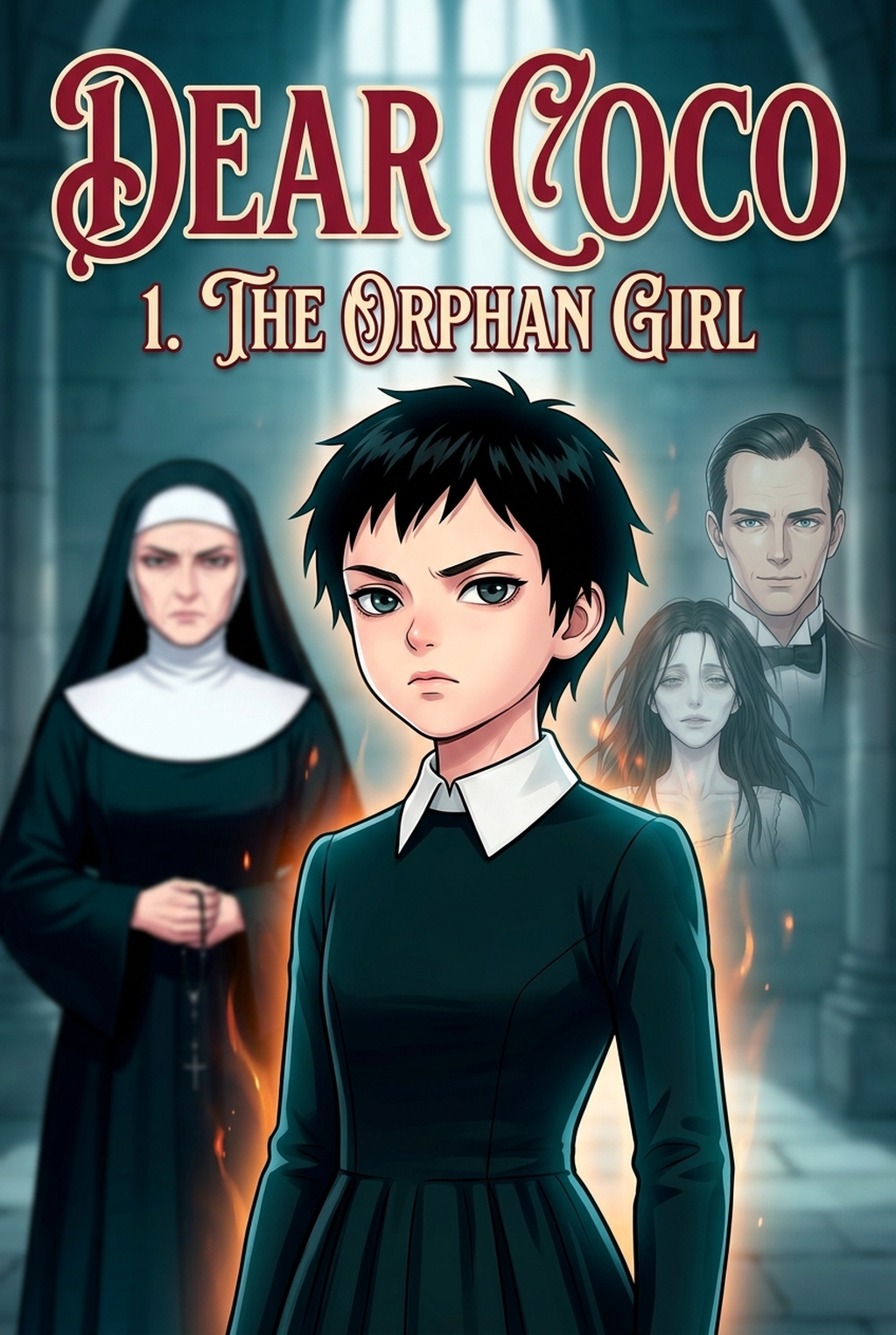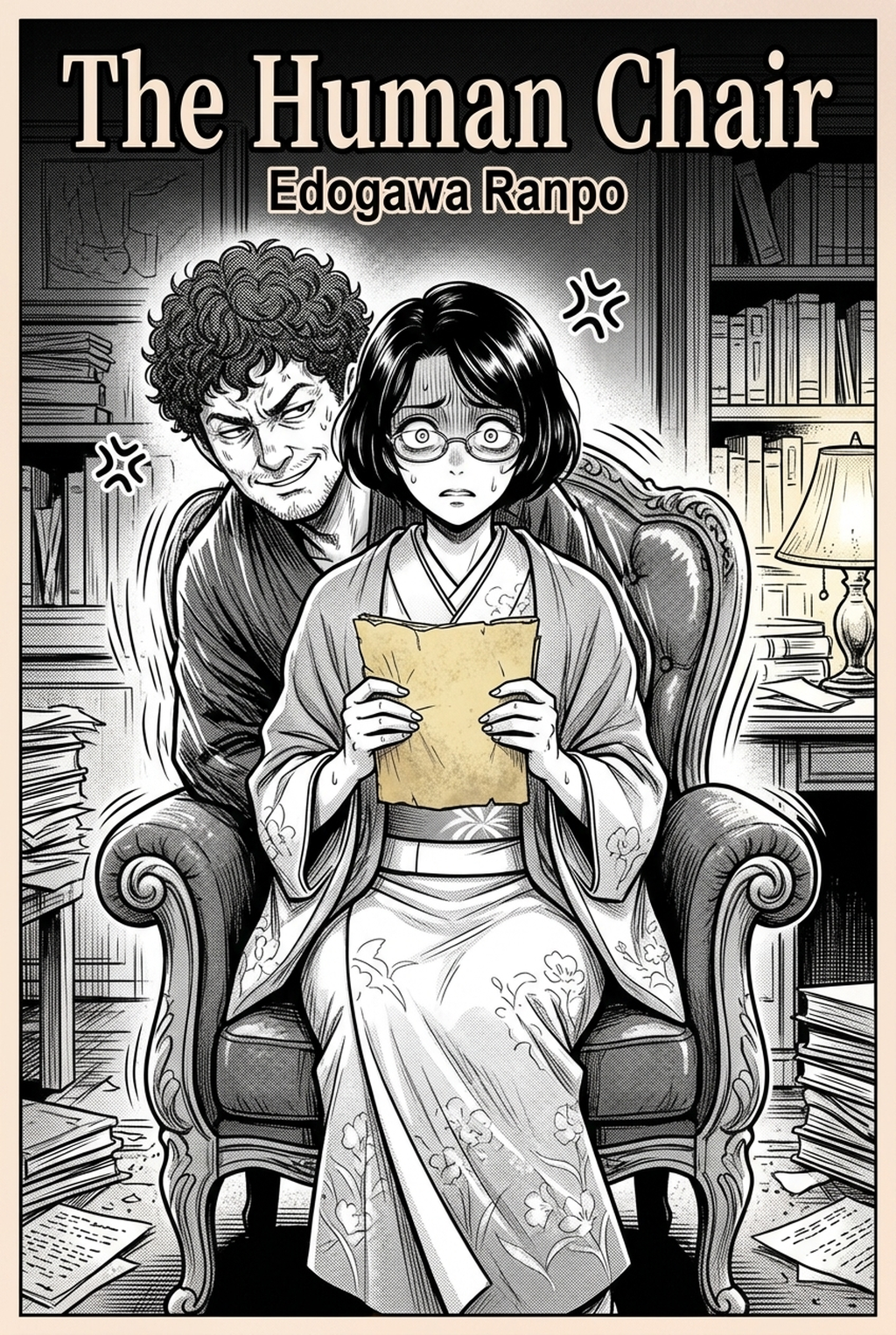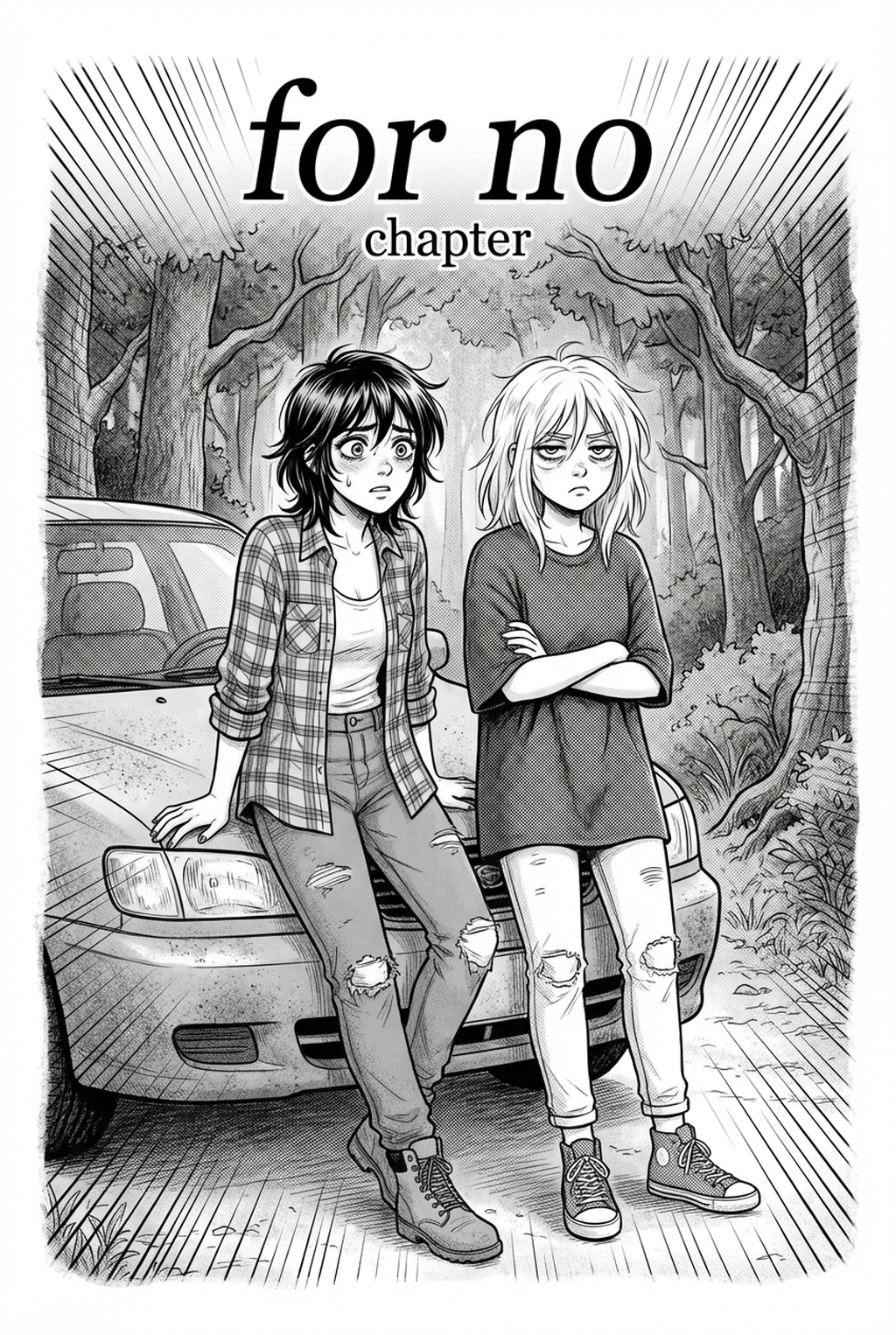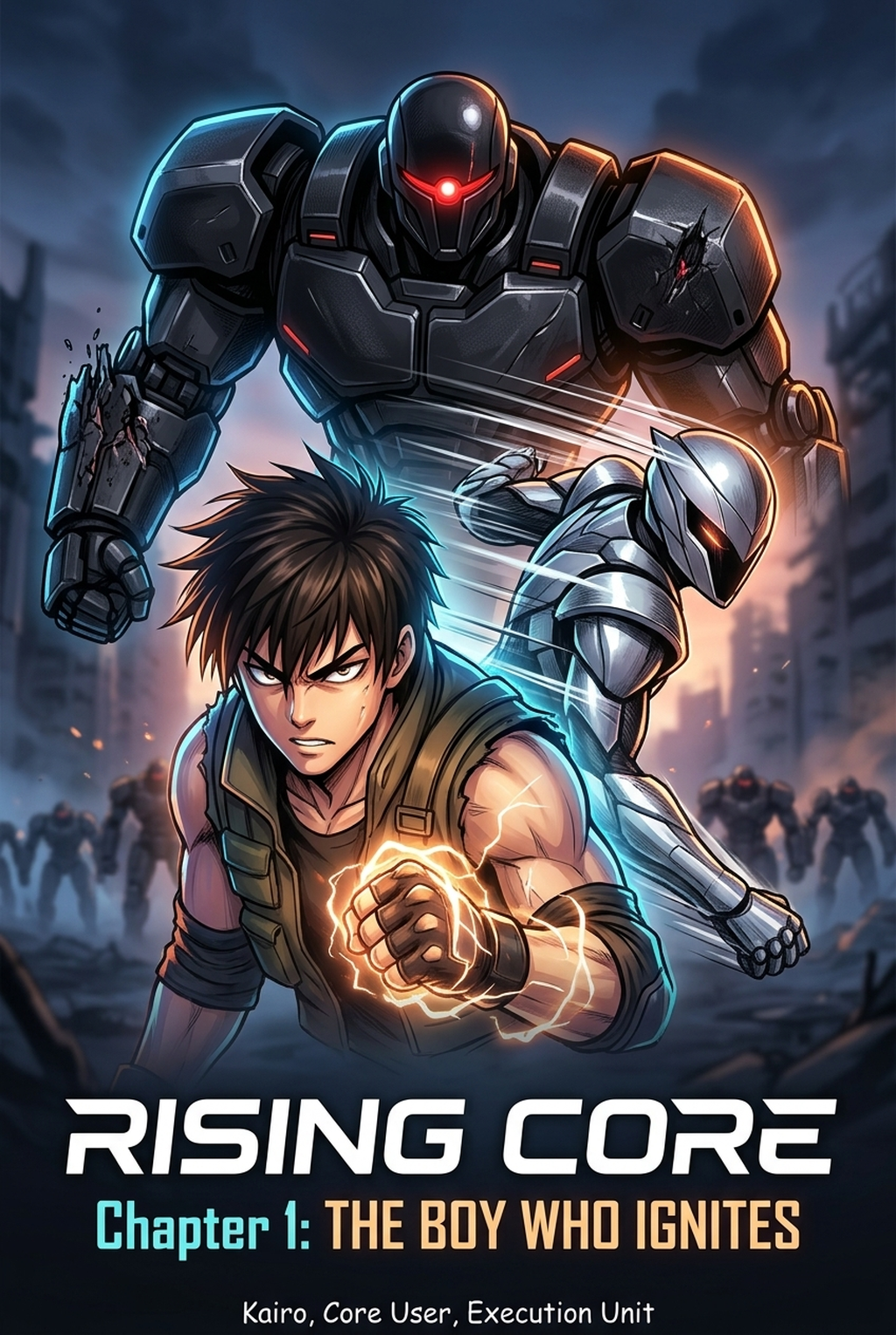
AI Manga Character Designer: Defining the Shounen Aesthetic
Shounen character design relies on exaggerated anatomy to establish power dynamics, utilizing bold, angular lines that remain distinct even at small reproduction sizes. The primary goal is to ensure the reader can track movement through crowded panels without needing to rely on excessive text-based exposition to clarify who is winning a fight.
The most effective character designs prioritize a 'Hero Silhouette' that remains instantly recognizable when rendered as a solid black shape. If you remove the internal lines, cross-hatching, and screentones from your character, the silhouette must still communicate their unique personality and combat capability.
Check character consistency, panel readability, line quality, and export readiness before publishing. Creators should also record why the page passed review, which panel details still need manual cleanup, and which export format the next collaborator will use. That makes the subsection useful instead of leaving a short checklist under a large heading.
Creators should incorporate specific, high-contrast visual anchors such as oversized accessories, jagged capes, or gravity-defying hairstyles that stay static regardless of pose. These markers act as visual "read-points" during rapid-fire action, preventing the reader from losing track of the hero during complex mid-air panel transitions.
Why Consistency Dictates Production Stakes
Maintaining character uniformity is the difference between a professional, cohesive story and a disjointed draft that suffers from accidental design shifts. In long-running series, readers become acutely aware of even minor changes in eye-line ratios, limb length, or muscle definition, which can destroy the emotional immersion of a critical beat.
Proportion drift occurs when an artist subconsciously adjusts a character’s stature or jaw shape to better fit a specific panel layout, eventually creating a permanent, unwanted design change. This is a common failure mode in series exceeding 50 chapters, where the sheer volume of page production obscures the creeping deviation from the original, foundational model sheet.
Using standardized model sheets ensures every page—from the storyboard sketch to the final inked, lettered export—adheres to the same internal anatomy. This rigorous baseline protects against the drift seen during tight deadlines, where pressure to complete a page often leads to skipping the necessary review of structural integrity.
How Shounen Manga Character Design Works with Mangaka
Modern creators utilize the Mangaka AI Manga Character Designer to lock in visual parameters, such as specific 'spiky hair' counts or eye-line placement, ensuring consistency across every panel generation. Instead of manually redrawing characters for every angle, you define the core aesthetic in text, allowing the tool to iterate on variations while the AI maintains the essential anatomical constraints you set.
Workflow Integration for Panel Consistency. This process eliminates the labor-intensive cleanup typically required to fix accidental inconsistencies in line weight or garment placement after an AI generation, directly addressing the pain point of repetitive manual correction. You can now create reliable character turnarounds—front, side, and three-quarter views—without risking the anatomical errors common in manual sketches. Creators can shounen manga character design to test how these parameters hold up during high-motion action frames, ensuring the AI respects the specific muscle density and shading patterns required for your world-building.
Use Cases for Shounen Design Logic
Shounen stories gain depth when the cast reflects a 'mirror-opposite' philosophy, where the antagonist possesses visual traits that directly invert the hero’s signature aesthetic. You can use these design contrasts to subconsciously signal to the reader which character holds the tactical advantage, simplifying the need for dialogue-heavy explanations of power levels.
A well-designed cast adheres to a strict visual hierarchy, ensuring that secondary characters or background mobs do not inadvertently compete with the hero for the reader’s visual attention. You should define your hero’s 'density'—the amount of shading, clothing detail, and ink intensity—as the baseline, ensuring all other characters are designed with less visual weight.
Use specific patterns of shading and muscle definition density to distinguish between tiers of combat capability within your cast. A high-tier hero might feature sharp, dense black-ink highlights, while a trainee character is rendered with thinner line weight and simpler, softer shading to visually communicate their lack of experience and latent potential.
How to Get Started with Mangaka
To begin your next project, start by sketching your protagonist’s core silhouette on paper or a digital canvas to determine the base proportions. Once you have the anchor point for the character, use the Mangaka interface to refine the details, such as hair length or clothing style, and save those presets as your foundational model.
- Establishing the base: Set your character’s primary silhouette, focusing on the most defining physical feature. * Defining the style: Input text parameters to lock in style elements like eyes, clothing, and weaponry. * Applying the layout: Generate consistent panels by mapping your character to your storyboarded page layout. * Finalizing the export: Review the output for consistency before exporting your final high-resolution pages in your preferred format.
Creators should compare the generated line art with the original sketch and confirm that facial expressions, props, speed lines, and speech-bubble space still support the scene. This keeps the review focused on story intent, line weight, panel readability, and the export quality behind the final AI Manga Character Designer output.
The Bottom Line
Successful creator workflow is not about drawing every detail perfectly every time, but about establishing a baseline of consistency that allows your story's intensity to shine through. By automating the technical overhead of character model maintenance, you gain the freedom to focus entirely on narrative stakes, dynamic panel pacing, and the emotional payoff of your climax. shounen manga character design and see how quickly you can achieve professional, high-impact results for your next chapter.
Related articles
Silent Hill F Character Design: A Guide for Manga Artists
Create a Professional Manga Character Design Sheet in 2026
Mastering the 4-Koma Manga Layout: A 2026 Guide for Creators