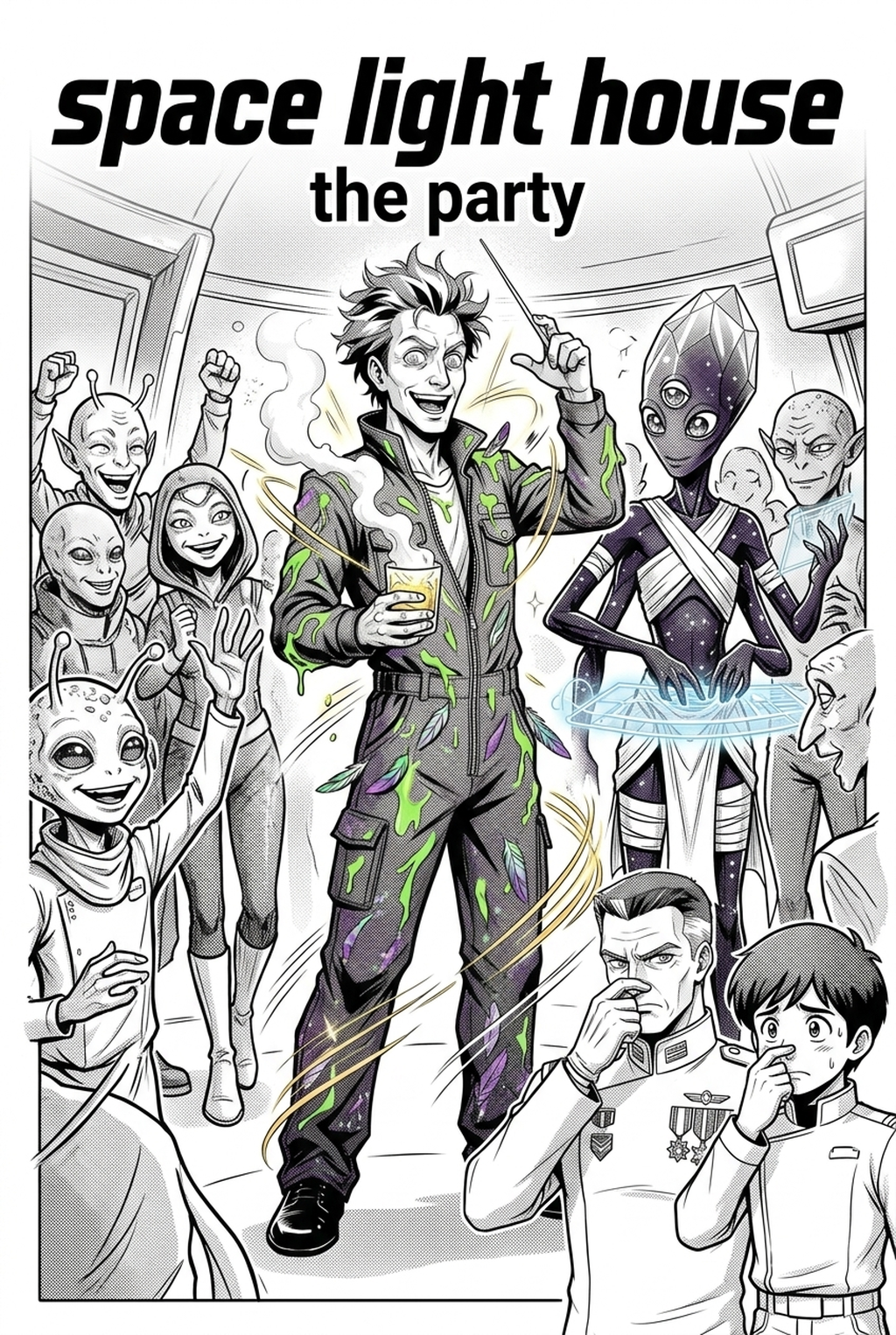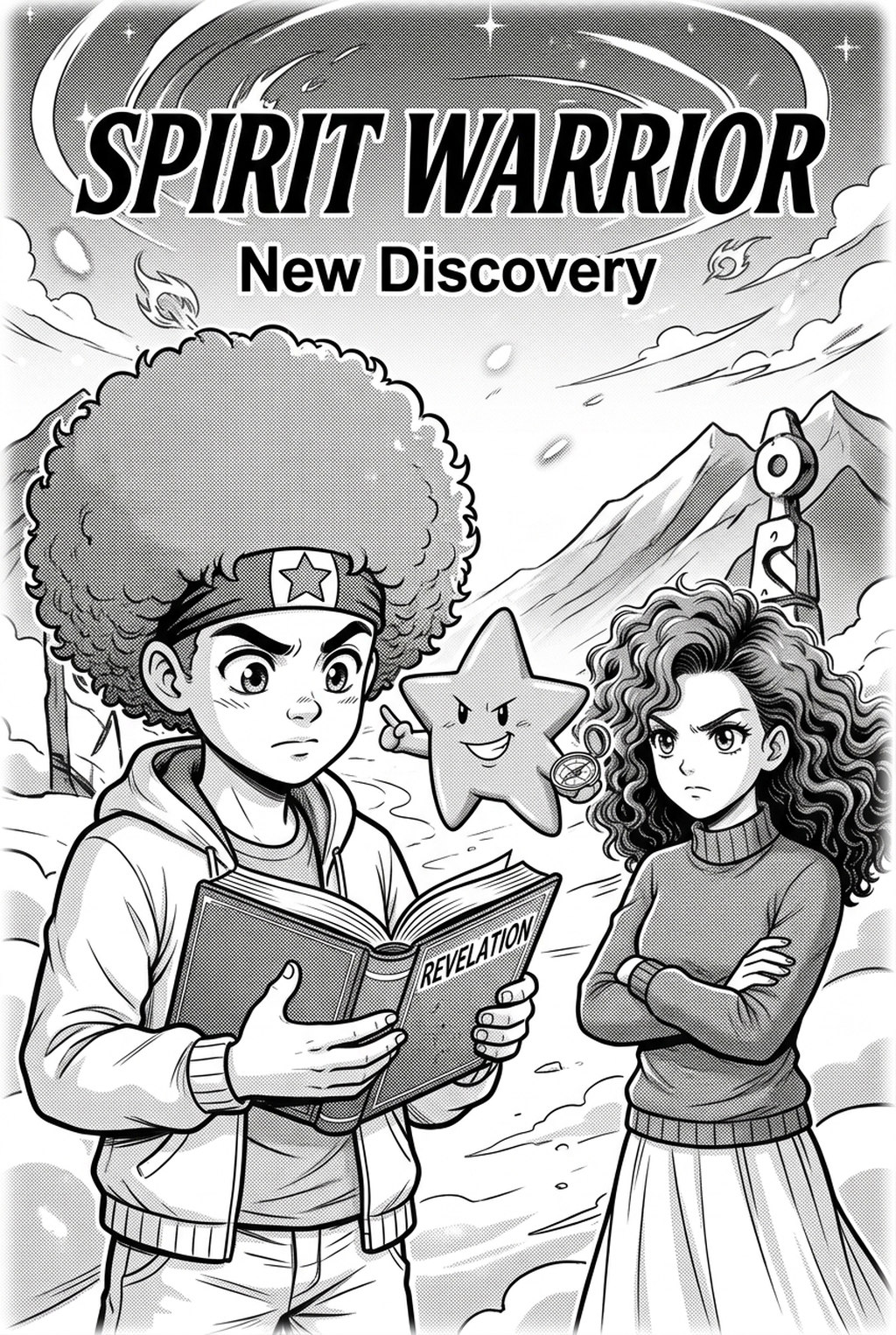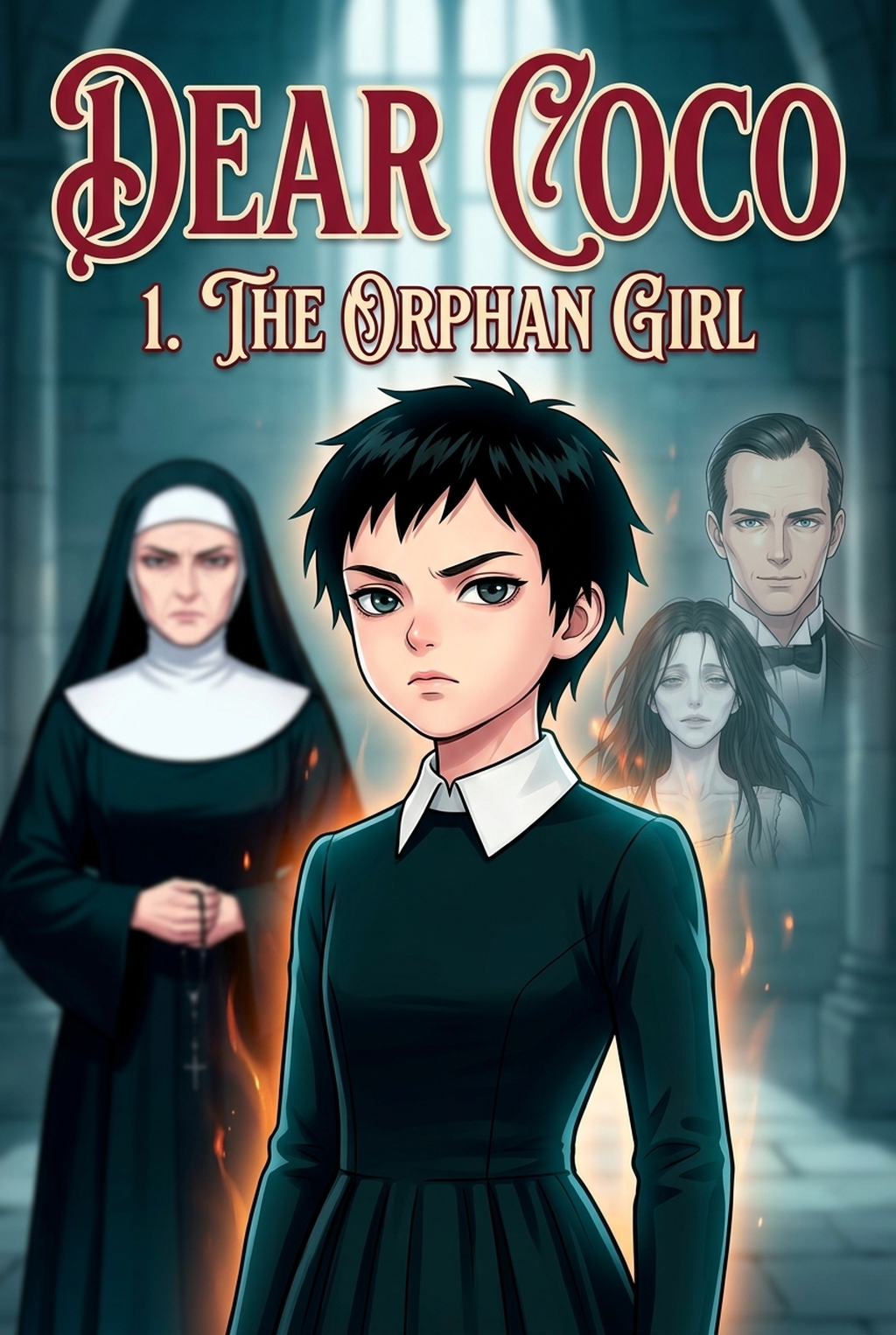
AI Manga Style Transfer: Why Convert Sketch to Stylized Manga Page
sketch to stylized manga page manga helps creators choose the right Mangaka workflow for cleaner pages, steadier style, and review-ready output. The comparison starts with production speed, manual control, line quality, and export readiness because those factors shape whether a page can move into final review.
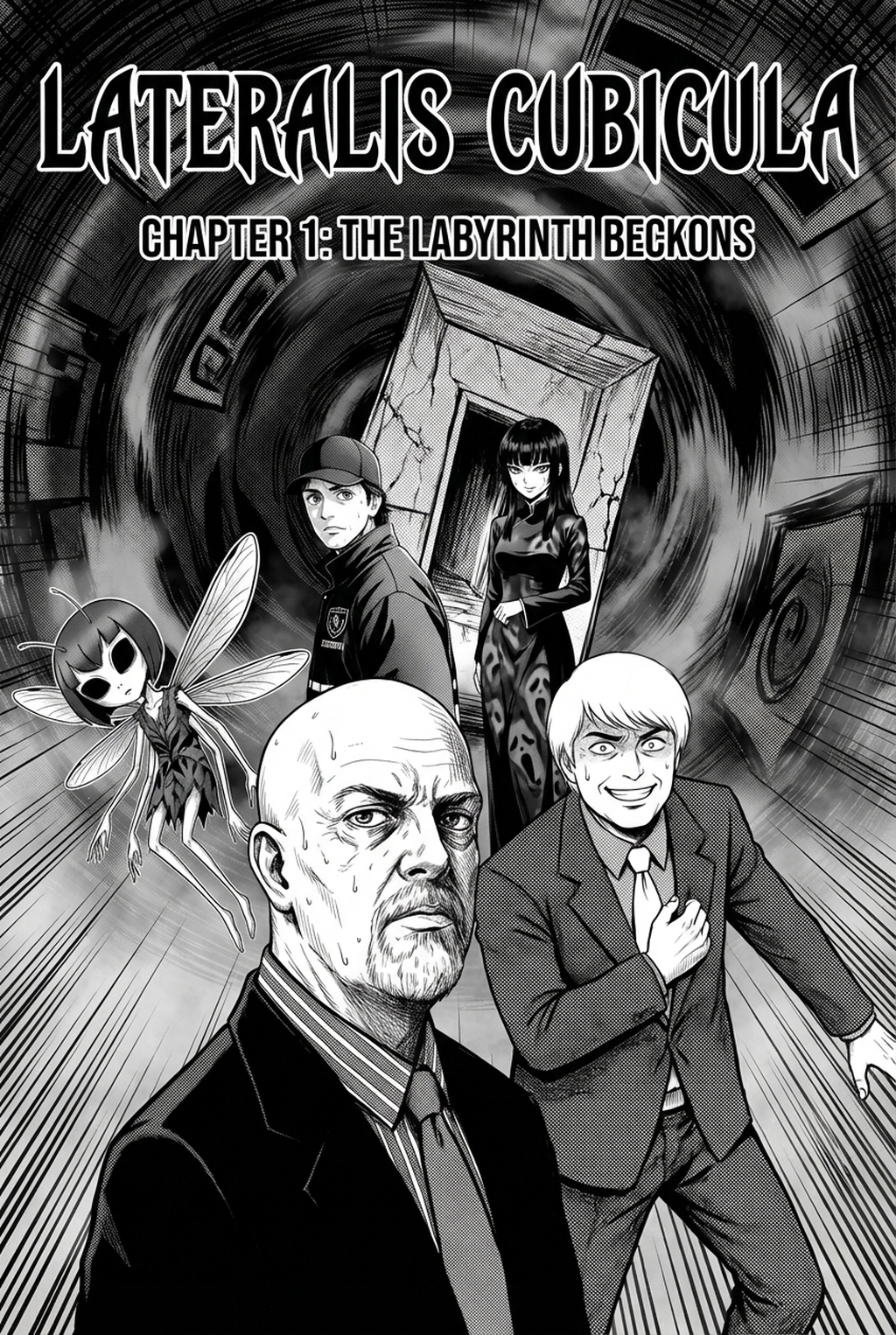
You know the weight of a looming deadline and the pressure to maintain a visual identity that keeps readers on edge. When your horror scenes lack the crisp, aggressive line work necessary to emphasize shadows and distorted anatomy, the narrative impact suffers significantly.
Reader Expectations and Visual Quality
The demand for consistent, frequent updates forces you to balance artistic ambition with sheer volume. Horror is unique because it relies heavily on "black mass"—the intelligent use of heavy blacks to hide details and heighten fear. Spending hours manually inking complex cross-hatching or agonizing over the perfect line weight for a demonic silhouette can burn out even the most dedicated artist before they reach the climactic panels of their chapter.
Where Style Consistency Breaks
Consistency often fails when you transition from a digital sketch to an inked output, especially across a long-running series. Your line quality might fluctuate based on your energy levels, or the specific aesthetic of a shadow-drenched scene might look different in chapter ten compared to chapter one. When the artistic technique becomes uneven, the reader’s immersion in your horror world is instantly broken, and the "uncanny valley" effect—usually reserved for your monsters—starts to infect the art style itself.
How Mangaka Handles Sketch to Stylized Manga Page
You can bypass the tedious, repetitive steps of traditional inking by using tools designed to interpret your intent. Mangaka focuses on translating the spatial data of your sketches into a stylized manga format, effectively acting as an intelligent assistant that handles the technical heavy lifting of line weight and contrast.
Workflow Fit for Creator Output
Instead of manually tracing every sketch, you input your composition to sketch to stylized manga page manga with Mangaka , which re-renders your lines into a polished manga aesthetic. This is particularly effective for horror, where you need clean, high-contrast borders for jagged shapes or deep, ink-heavy backgrounds. By automating the conversion, you retain your original creative composition while ensuring the final lines look like they were pulled from a professional-grade print publication.
Review Controls Before Export
You need the ability to temper the AI’s output. Mangaka allows you to review the re-rendered sketches, ensuring that the critical "scare" elements—like the specific texture of a monster’s skin or the intensity of a character’s expression—remain faithful to your original vision. This oversight prevents the "over-processing" that often occurs with general-purpose image generators, keeping your specific horror signature intact.
Step-By-Step Guide
Successfully moving from a sketch to a finished page involves more than just a single click; it requires an intentional approach to how you structure your source material. This keeps the review focused on story intent, line weight, panel readability, and the export quality behind the final AI Manga Style Transfer output.
Creative Brief and Generation Quality
| Phase | Action | Purpose |
|---|---|---|
| Preparation | Clean up noise | Remove stray graphite marks that might confuse the style transfer. |
| Stylization | Apply Mangaka | Convert the sketch into high-contrast B&W line art. |
| Validation | Inspect contrast | Ensure blacks are deep enough to support the horror atmosphere. |
| Refinement | Manual polish | Add final touches like specific SFX (sound effects) or tone. |
Quality Checks Before Export
Examine the panel borders and character silhouettes. In horror, the sharpness of these elements dictates how "stark" the reader perceives the environment. Ensure that your output maintains consistent line weight—too thin, and the art feels fragile; too thick, and it loses its terrifying detail.
Tips for Cleaner Output
To ensure your horror art looks sharp and intentional, you must consider the relationship between your sketch's geometry and the final ink application. Creators can use each revision decision to clarify panel readability, character consistency, and export quality before publishing or sharing.
Creative Decisions and Export Quality
- Edge Clarity: Ensure your sketch lines are distinct. If lines are too blurred or blended, the stylized output may struggle to interpret where the form begins and ends. * Contrast Thresholds: If your horror scene relies on a dark, moody environment, make sure your initial sketch has clear demarcations for where the shadows should live.
Export Checks Before Publishing
Before Hitting Publish. Confirm that the resolution meets standard print or digital distribution requirements , typically 600 DPI for black and white line art. Check for any artifacts or AI "hallucinations" in the background patterns that might distract from your story. If a shadow looks off, perform a quick spot-check to see if the contrast settings within your style transfer tool can be tweaked to favor deeper, cleaner blacks. Export quality depends on whether the creator can still adjust cleanup, line weight, and handoff settings after AI assistance. Wacom comic and manga creation guidance ties that point to drawing practice instead of broad AI-image claims.
- Setup Readiness. Creators should define the scene goal, character references, page count, reading direction, and target High-contrast B&W. That gives AI Manga Style Transfer enough context to support the story instead of producing disconnected panels.
- For Visual Quality. Creators should check line weight, facial expression, pose clarity, panel order, and space for dialogue before export. Those checks matter more for Horror pages because action beats and emotional pauses need to read quickly.
- For Comparison. A useful tool should save time without flattening the creator's style. The best choice keeps the first pass editable, makes revisions visible, and leaves final judgment with the artist. That extra context helps the reader connect the creative choice to character consistency, composition, speech-bubble space, and final file format.
- Production context. Anime News Network's manga production feature describes manga as staged work from rough draft to finished page. Use it to judge whether AI inking helps cleanup without weakening review.
- Reader expectations. MyAnimeList manga news keeps genre expectations visible for readers who scan action, character acting, and page rhythm quickly. Shonen inking should preserve panel clarity, not just cleaner lines.
- Drawing practice. Wacom's comic and manga creation guide ties tool choice to brush control, cleanup effort, and export readiness. That keeps review grounded in creator workflow.
The Bottom Line
A useful creator workflow keeps the story goal, visual style, and review step clear before export. AI Manga Style Transfer gives creators a faster first pass without removing the final human review. For manga creators, the practical value comes from reducing redraw loops before the artwork reaches a reader-facing page or reusable asset.
Start creating with sketch to stylized manga page manga when you are ready to turn the reviewed idea into finished manga pages. Test it with one real page goal, one reference boundary, and one export requirement so the decision stays tied to production quality.
Turn Rough Pencil Sketches into Stylized Manga Pages with Mangaka.app
Cleaning up loose pencil sketches into finished manga pages with ink, tones, and lettering is often the most time-consuming phase of creation. Mangaka.app accelerates cleanup:
- Automated Sketch-to-Inking Conversion: Turn rough loose sketches into clean, sharp vector line art with adjustable line smoothing and pressure taper.
- Smart Tone Application & Screentone Fills: Convert pencil shading into authentic halftone dot screens (Ami) with customizable LPI frequency.
- Non-Destructive Workspace Canvas: Retain original pencil layout guides beneath editable ink and dialogue layers for total creative control.
- High-Yield Publication Export: Output standardized 600 DPI manga spreads compatible with Clip Studio Paint, Photoshop, and physical print houses.
Transform your sequential art workflow with specialized creator tools on Mangaka.app .