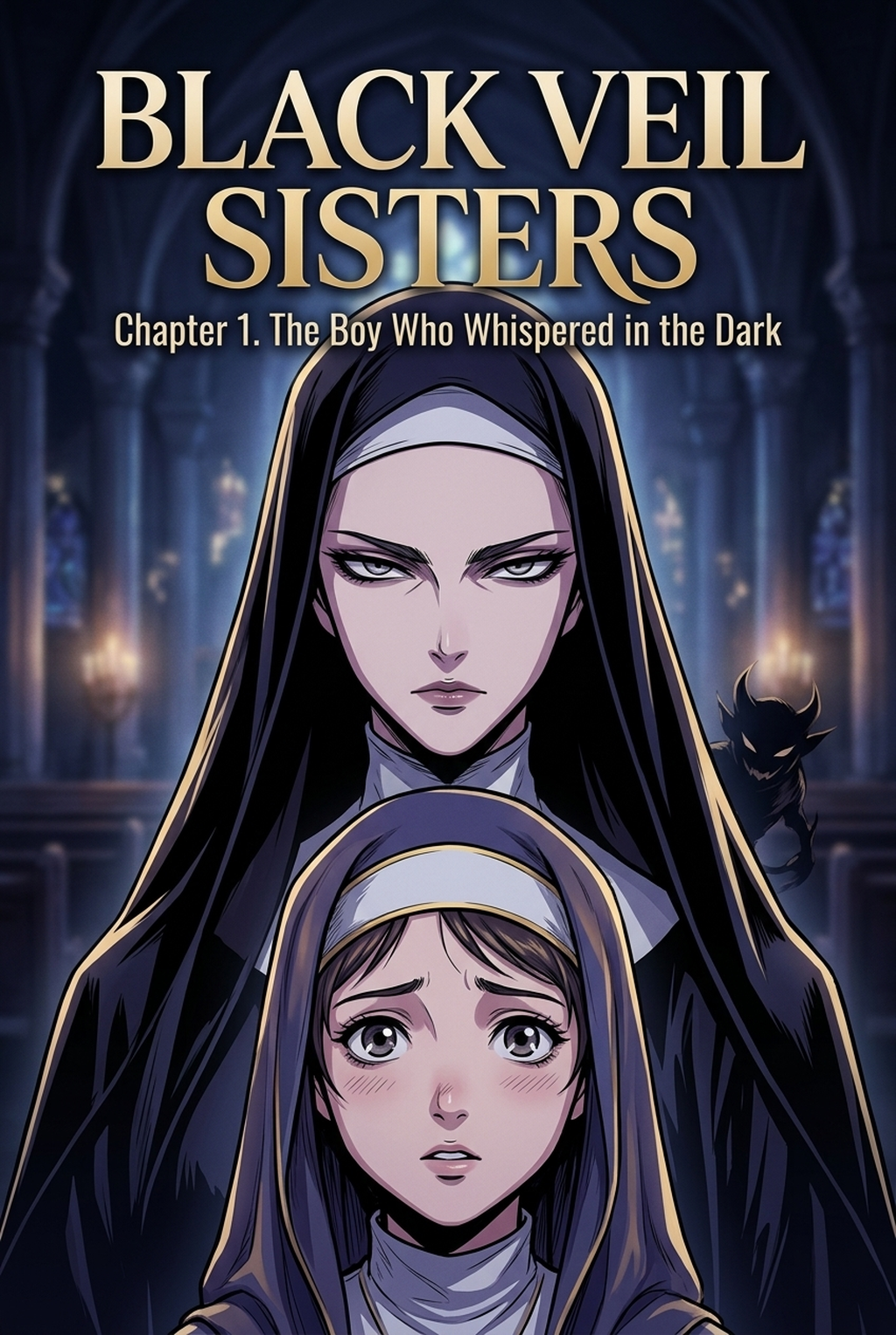
Story to Comic AI: How to Convert Written Scripts into Manga Pages in 2026
Direct answer: Converting a written story into a comic using AI requires a sequential storyboard engine that analyzes narrative beats, assigns cinematic camera angles, and arranges panels according to authentic manga reading flow (Komawari). Instead of manually drawing each scene, creators can input structured prose scripts, lock character identities, and let the system automatically layout panels with proper gutter spacing and vector dialogue balloons.
For novelists, screenplay writers, and indie storytellers, the visual medium of comics has always been tantalizing yet frustratingly inaccessible. Adapting a light novel or web novel into a graphic novel traditionally requires hiring an entire art studio or spending hundreds of hours storyboarding and thumbnailing.
With specialized story to comic AI platforms, this bottleneck is dismantled. Writers can now translate text directly into sequential comic panels while retaining full creative control over pacing, dramatic tension, and visual staging.
The 4 Principles of Manga Komawari (Panel Pacing)
A great comic is not just good drawings—it is the rhythm of visual pacing. When converting text to panels, the AI evaluates:
- The F-Pattern and Z-Pattern Eye Flow: In authentic Japanese manga, panels read from right to left and top to bottom. In Western comics, they read left to right.
- Gutter Spacing: Wide vertical gutters slow down time between dramatic moments; narrow horizontal gutters indicate rapid, simultaneous action.
- Establishing vs. Dynamic Shots: Scenes always begin with a wide establishing panel before cutting into medium conversational shots and intense macro close-ups.
- Speech Bubble Placement: Dialogue balloons must lead the reader's eye smoothly into the next panel without obstructing character expressions.
Step-by-Step: Converting Your Script with Mangaka.app
Step 1: Input Your Story Beats
Paste your text chapter or screenplay excerpt. The engine parses character actions, emotional beats, and dialogue tags.
Step 2: Choose Layout Pacing
Select between traditional right-to-left manga pages or continuous vertical webtoon scrolls optimized for smartphones.
Step 3: Refine Dialogue and Lettering
Fine-tune speech bubbles, narration caption boxes, and localized sound effects on editable vector layers.
Discover the complete script-to-comic production suite at Mangaka.app .