AI Manga Storyboard Builder: Why Structural Flow Matters for Artists
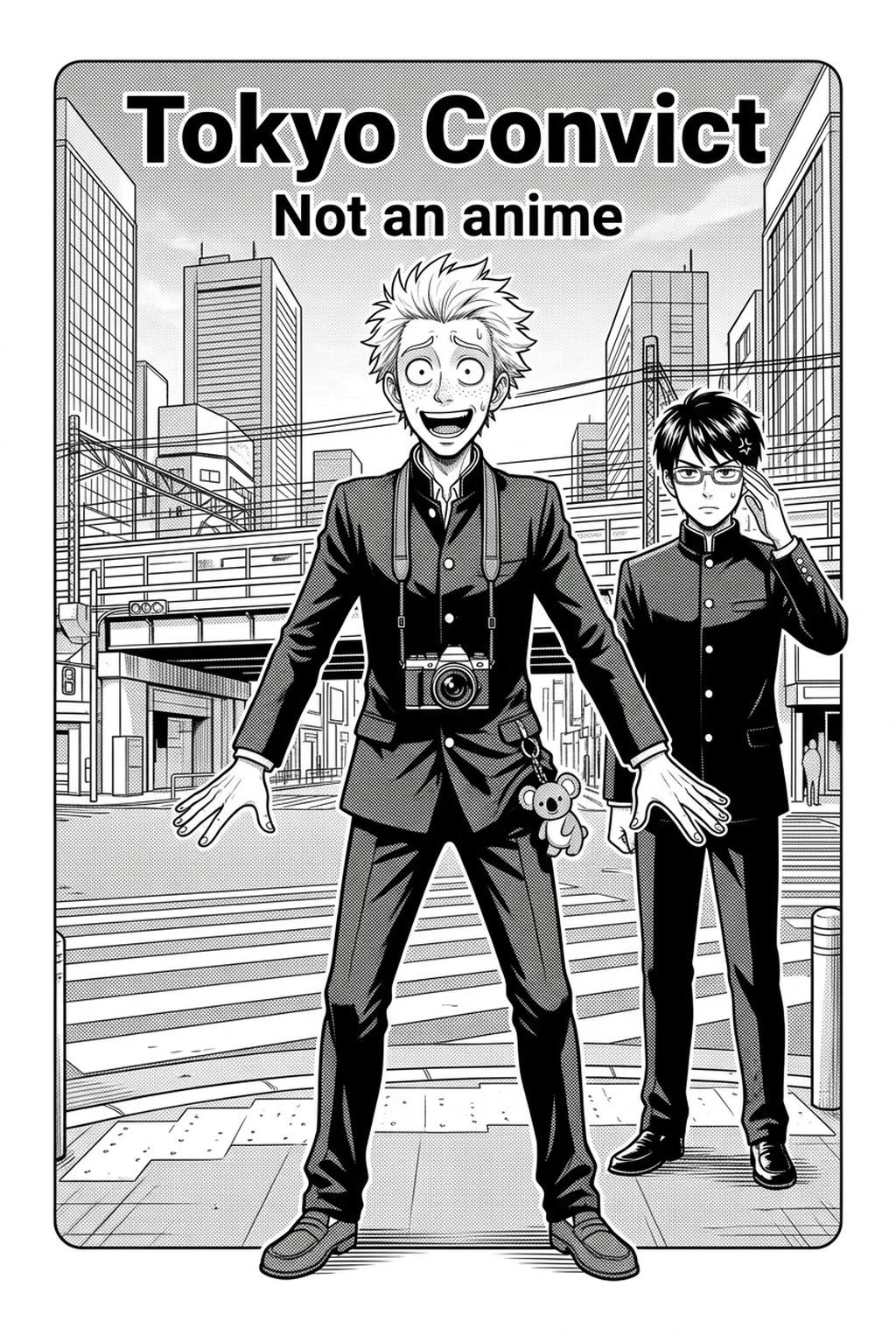
Narrative intelligence serves as the backbone of your visual delivery, ensuring that panel sizing and spacing match industry standards for shonen and seinen formats. When your layout follows established conventions, the reader focuses entirely on the story, and the art avoids the amateurish look that results from skewed gutters or cramped dialogue areas.
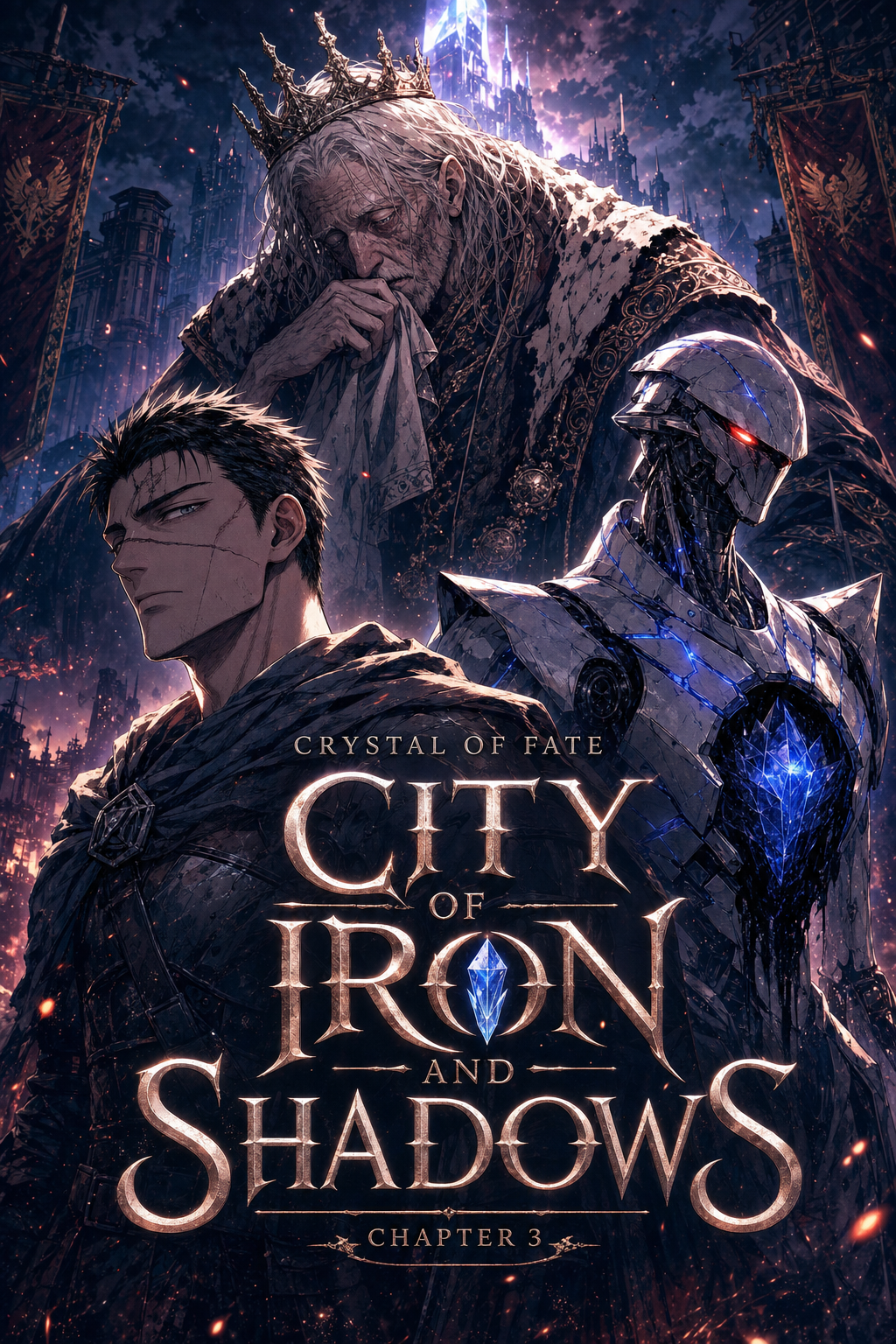
Custom inputs allow you to define shot types that serve your specific narrative needs, including visceral close-ups for emotional peaks and sweeping wide shots for environmental world-building. These technical choices are handled by the tool’s engine, leaving you to focus on the expressive elements that define your unique style. By automating the placement of action-heavy panels, you avoid the common trap of flat, static layouts that drain the energy out of fight scenes or dramatic tension.
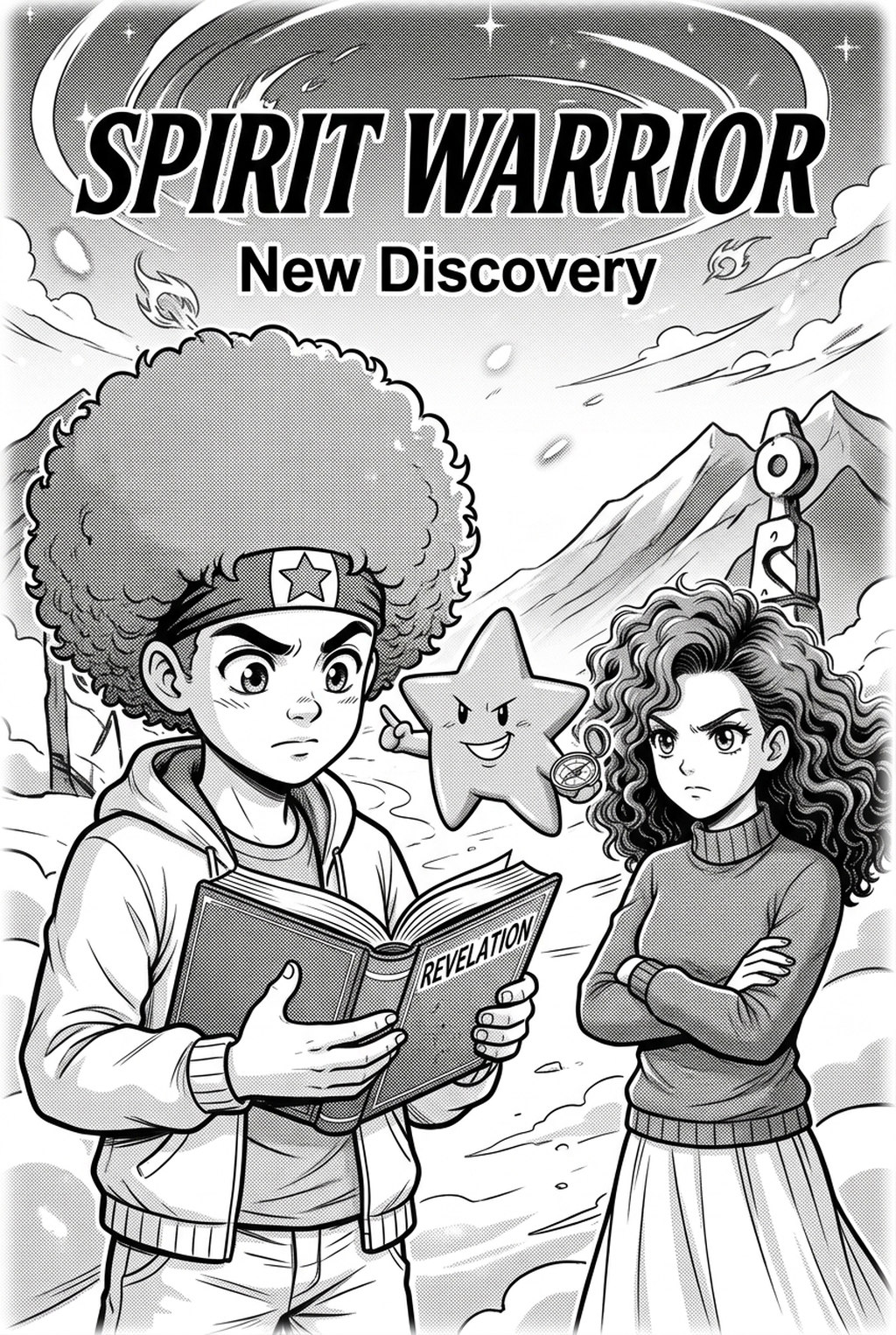
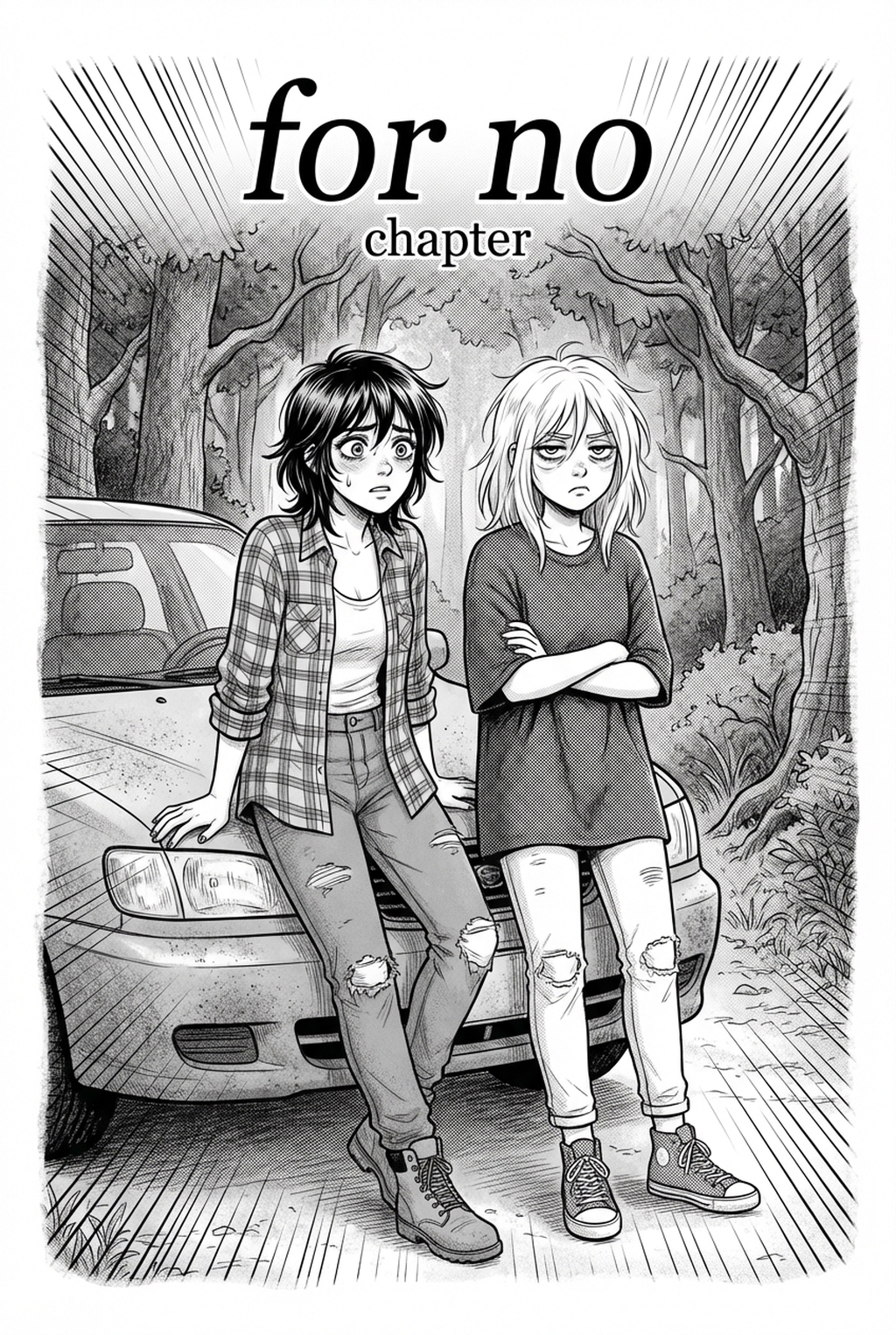
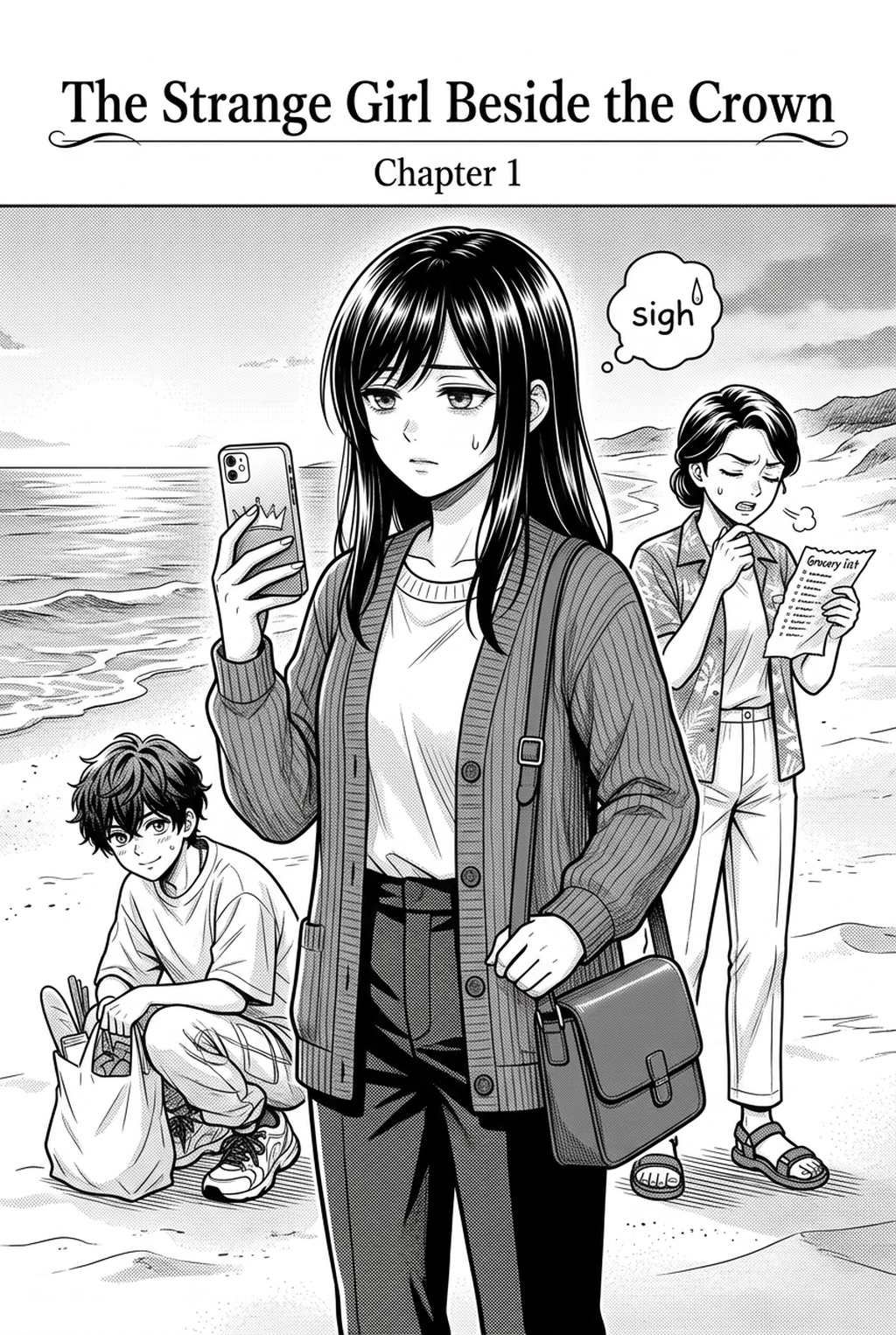
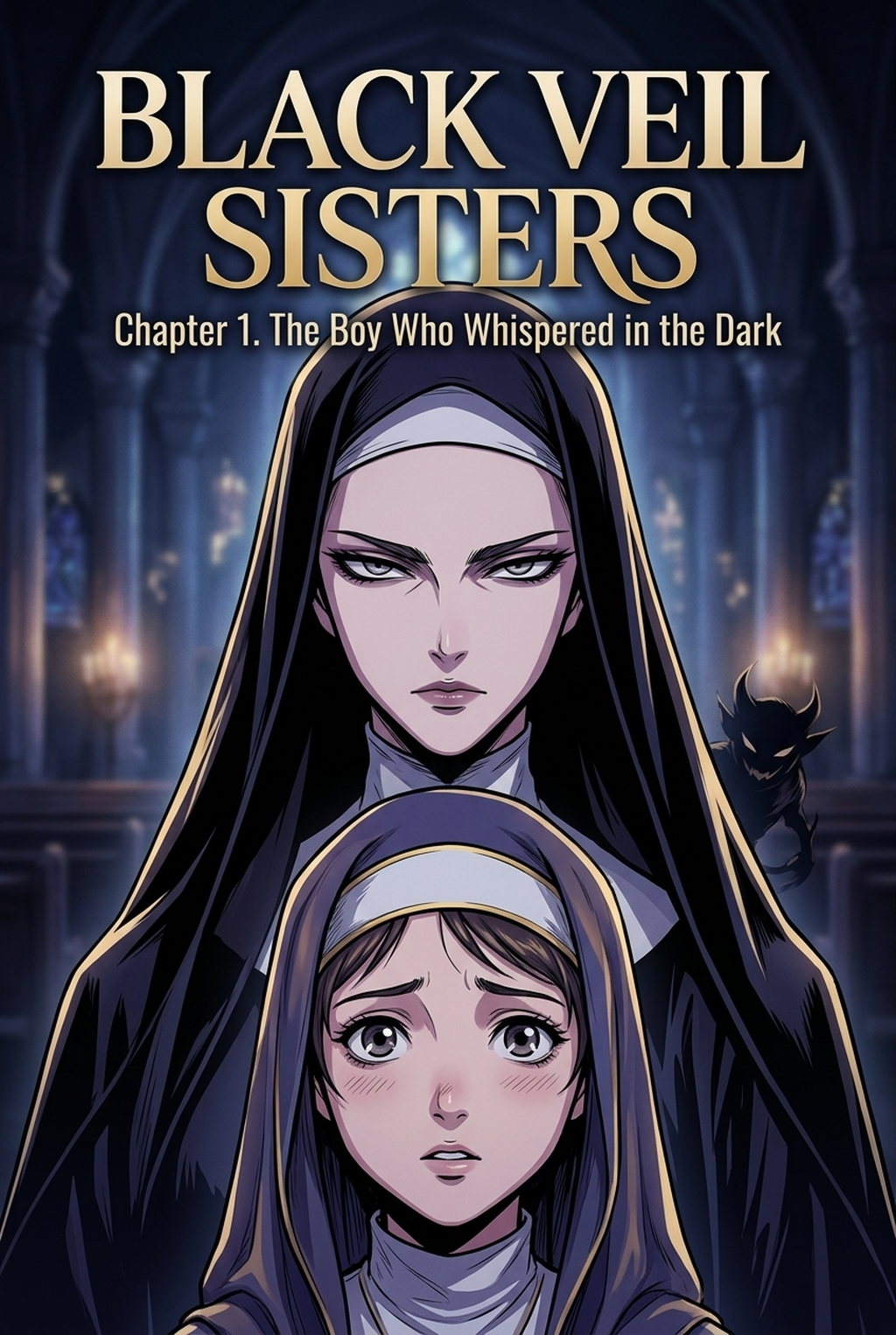
Character consistency is a notoriously difficult hurdle in long-form manga, where a protagonist’s design can slowly shift from chapter one to chapter fifty. The platform’s automated tools lock your character’s proportions, ensuring that every thumbnail and sketch maintains the same fidelity throughout the entire project. This stability is critical for professional-grade output, as any drift in height or facial structure disrupts the reader's immersion in your story.
How Your Production Changes with Mangaka
We provide flexible access tiers tailored for everyone from independent artists building their first one-shot to professional studios managing weekly serialized content. Our approach supports your development as an artist by removing the technical barriers that usually plague the early drafting stages of manga creation.
The Free Starter Plan allows you to experiment with automated panel generation and basic arrangement, giving you a safe space to test how these layouts fit your story. For those scaling up, Pro accounts offer high-resolution exports and a vast library of AI-generated assets, ensuring your production timeline remains consistent even when deadlines tighten. By integrating these assets into your existing workflow, you can move from a simple script to a finalized, inked page significantly faster than with traditional manual methods.
Selecting Your Composition Style
Mangaka serves as a specialized layout assistant rather than a replacement for your creative decision-making. You maintain full control over the emotional direction, pacing, and narrative beats, while the tool handles the technical composition and structural alignment. This division of labor allows you to experiment with high-energy shonen layouts or more atmospheric, detailed seinen-style compositions without needing to re-learn layout geometry for each project.
Your intellectual property is protected by strict ownership policies, ensuring all project data and original character assets remain yours throughout the process. All sketches and files remain private, meaning your early-stage drafts stay out of public view until you decide to publish. Secure storage ensures that you never lose your progress during the high-pressure phases of production, providing a safe environment for your most ambitious creative work.
Getting Started with Your Project
Manual storyboarding often results in creative burnout, where the artist becomes exhausted by the "administrative" side of the craft before ever applying the final ink. You can overcome this by letting automation handle the structural heavy lifting, effectively giving you a professional-grade starting point for every chapter. Visit manga storyboard workflow with Mangaka today to begin your draft and see how quickly your story takes shape when technical obstacles are cleared from your path.
Creative Brief and Source Input. Creators should compare the generated line art with the original sketch and confirm that facial expressions, props, speed lines, and speech-bubble space still support the scene. A repeatable review pass should cover character consistency, panel readability, background clarity, and whether the final file is ready for coloring, lettering, or editor feedback.
- Before Export. Creators should compare the generated line art with the original sketch and confirm that facial expressions, props, speed lines, and speech-bubble space still support the scene. A repeatable review pass should cover character consistency, panel readability, background clarity, and whether the final file is ready for coloring, lettering, or editor feedback.
- For Longer Projects. Creators should save approved examples of line weight, face detail, clothing folds, and background density. Those references keep later chapters closer to the intended style. For collaboration, creators should mark which panels are final and which panels still need redraws. Clear status labels prevent an assistant, editor, or colorist from polishing the wrong version.
- For Publishing. Creators should review the page at the actual reading size before export. Small screens expose crowded dialogue, weak silhouettes, and line details that looked fine while zoomed in. This keeps the review focused on story intent, line weight, panel readability, and the export quality behind the final AI Manga Storyboard Builder output.
- For Style Control. Creators should keep a short reference board beside the draft and compare hair shapes, eye details, costume folds, and texture choices before approving the final page. For revision planning, creators should separate art fixes from story fixes. Line cleanup, panel order, dialogue clarity, and character acting each need a different review question.
- For Solo Creators. The most useful workflow is one that keeps rough ideas editable until the final pass. That reduces rework when the scene mood changes after the first read-through. Creators can use each revision decision to clarify panel readability, character consistency, and export quality before publishing or sharing.
The Bottom Line
A professional AI Manga Storyboard Builder workflow should be an asset, not an obstacle, to your creative expression. By automating the technical requirements of panel placement and maintaining rigorous character consistency, Mangaka provides the foundation you need to produce high-quality work without the threat of burnout. Sign up for a free account at AI Manga Storyboard Builder workflow to optimize your production process and finalize your vision for your next chapter.
Related articles
Manga Storyboard Techniques: Mastering Pacing for 2026
How to Create a Manga Storyboard: A Beginner's Guide in 2026
What Is a Manga Storyboard and Why Does It Matter? In 2026