Text to Manga: How to Convert Your Script into Comic Pages in 2026
Published: October 10, 2026 | Author: MGK-Blog Editorial Team | Category: AI Manga Tutorials | Primary Keyword: text to manga
TL;DR: Converting text to manga using generative AI enables web novelists, writers, and indie comic creators to turn raw manuscripts and screenplays into fully illustrated, panel-structured comic pages within minutes. - Purpose-built platforms like Mangaka AI parse narrative prose into multi-panel layouts (koma-wari), maintaining character visual identity, screentones, and camera perspectives across entire chapters. - Master the complete pipeline: from manuscript pre-processing and character model sheets to cinematic prompt formulas, inking, speech balloon typesetting, and high-resolution export for Webtoon and print tankobon.
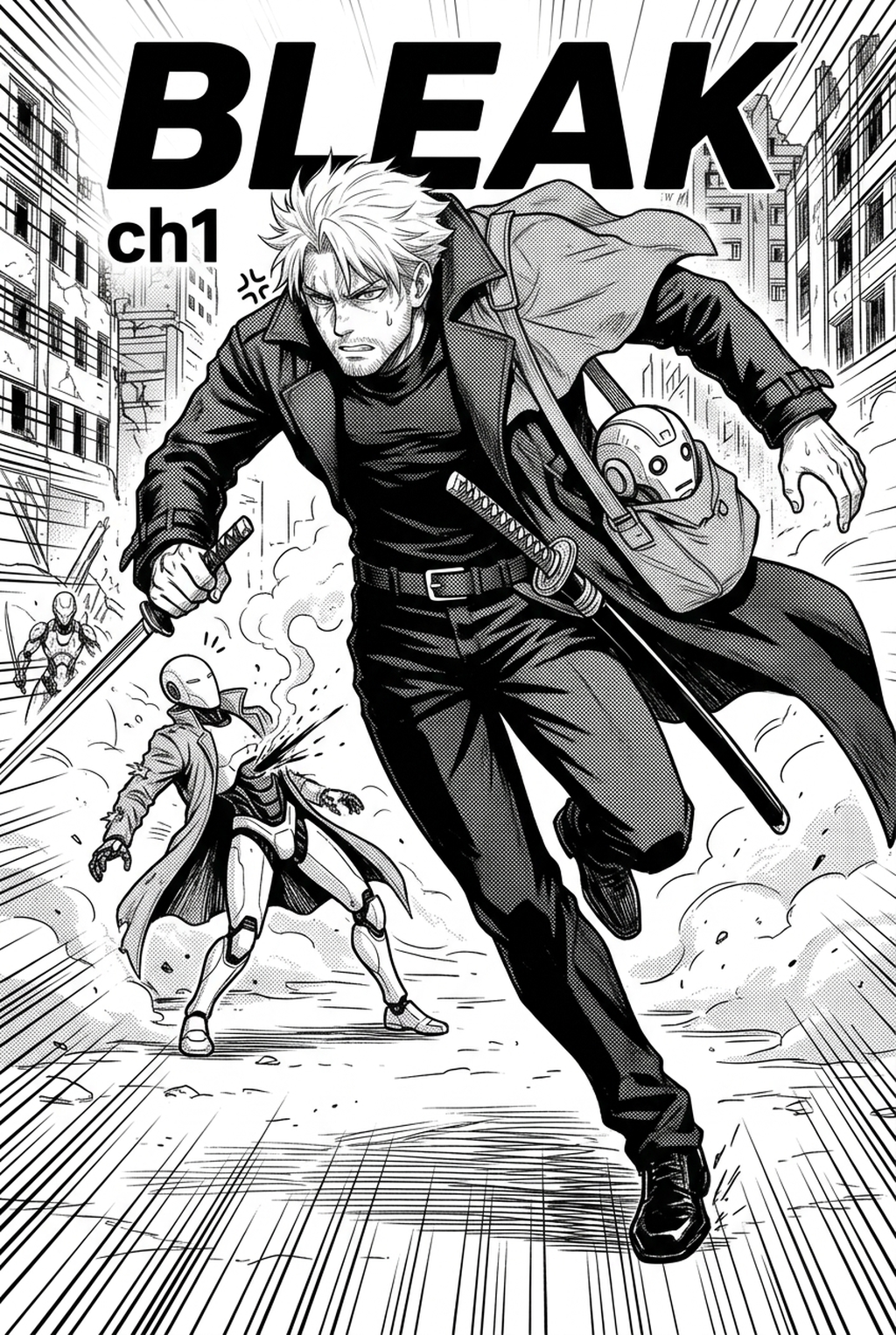
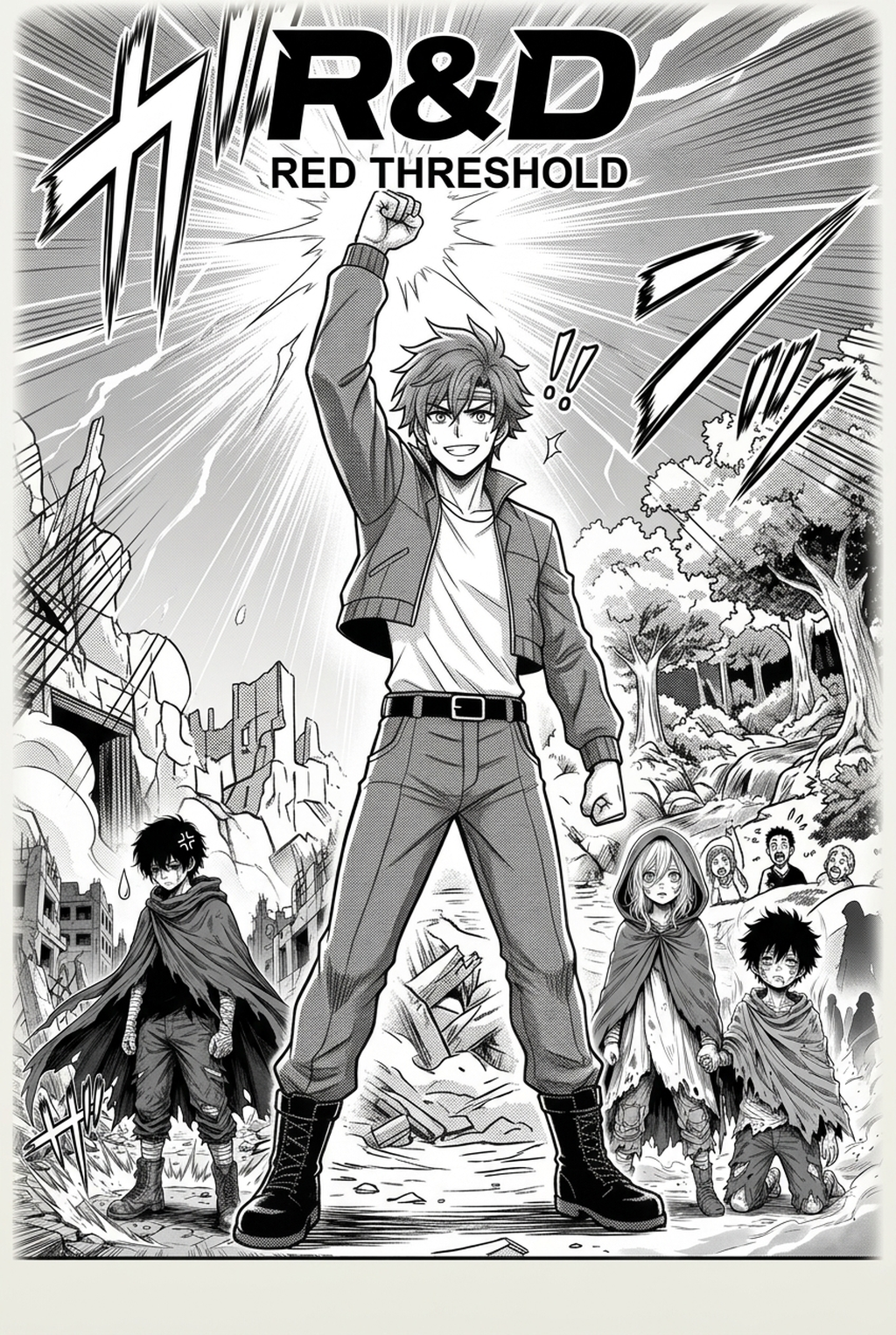
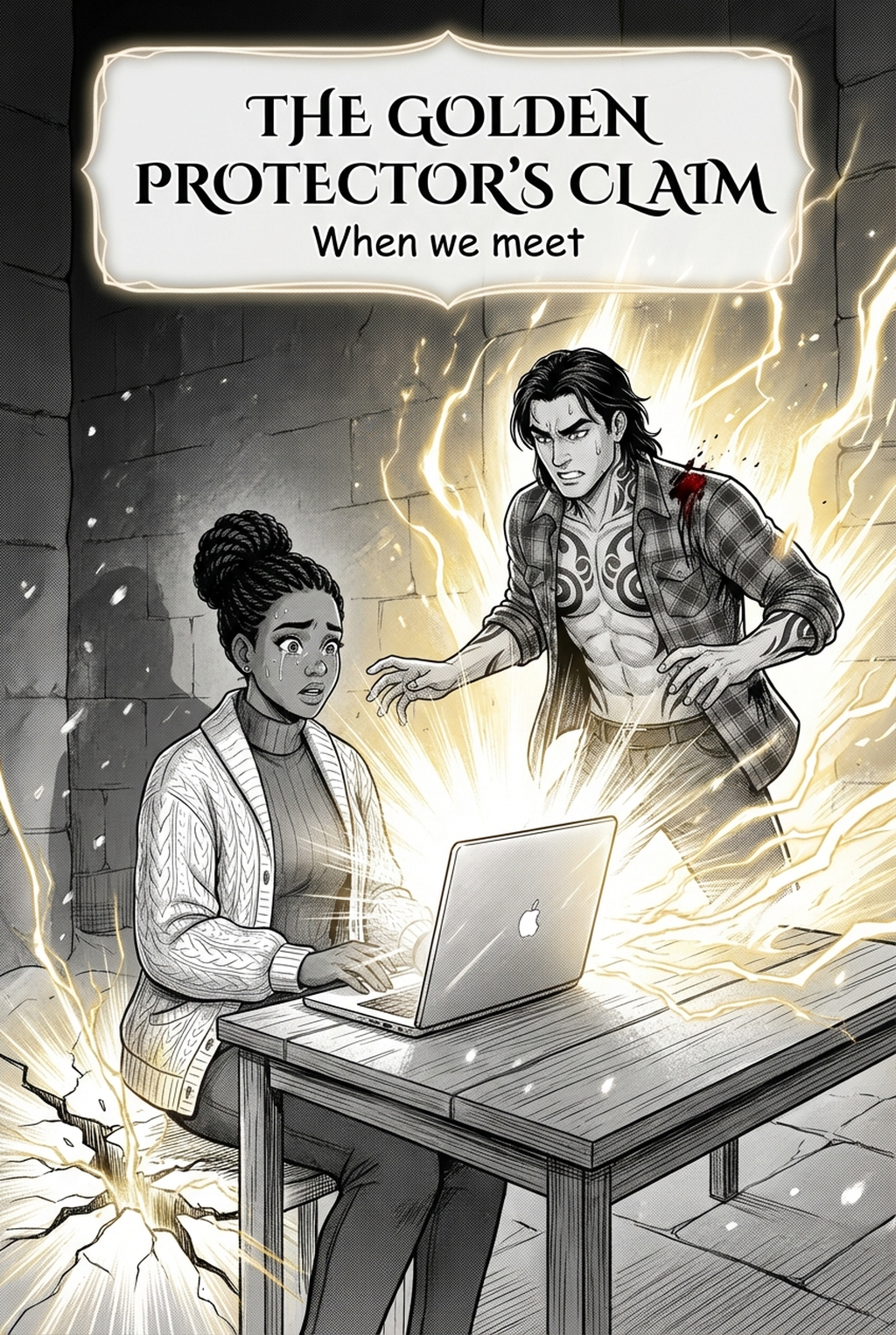
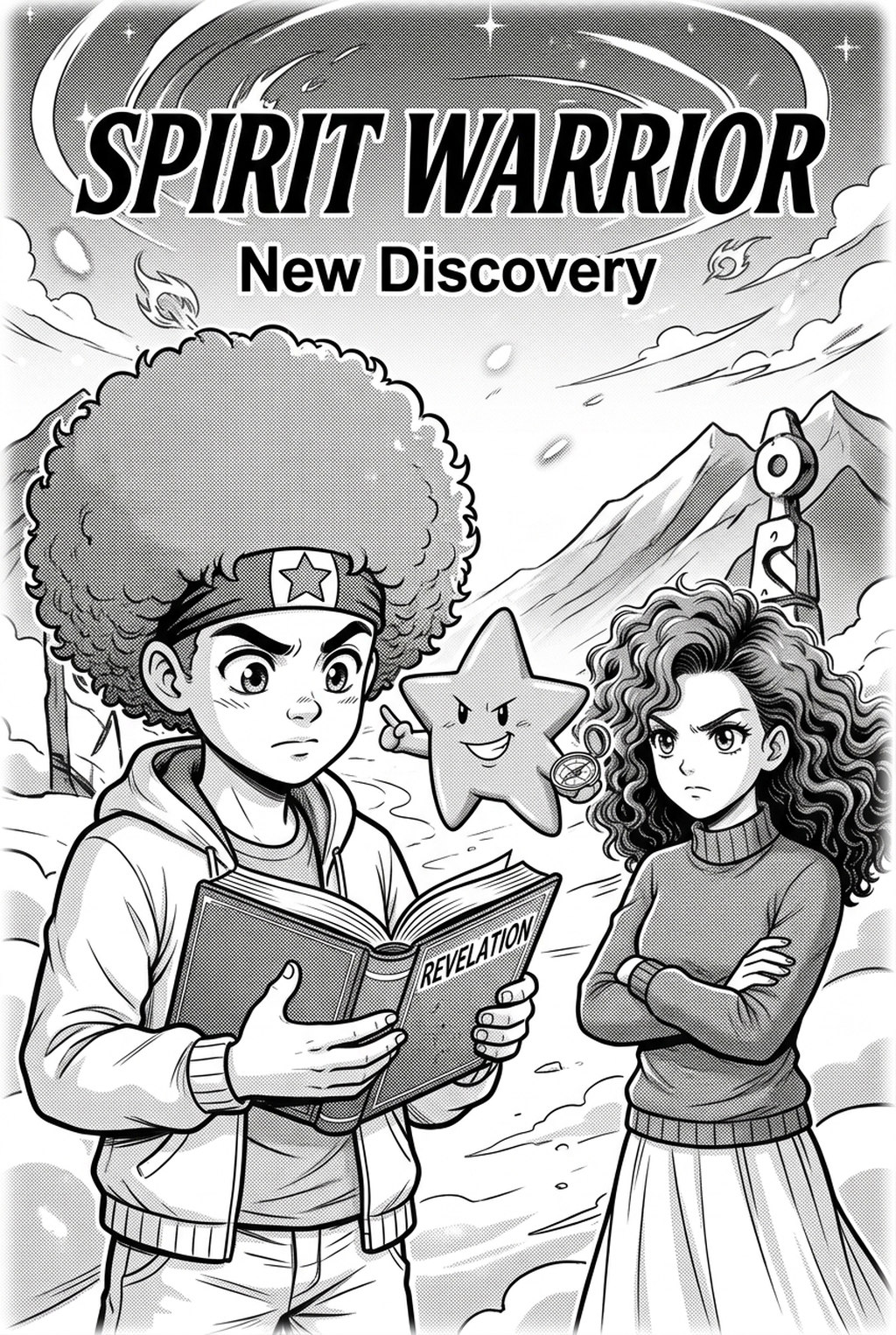
Text to manga represents the algorithmic transformation of written literature—screenplays, light novels, web novel serials, and dialogued storyboards—into polished, sequential manga pages utilizing multimodal generative artificial intelligence. In 2026, text-to-manga engines have moved past the era of standalone single-image prompts. Modern production suites integrate natural language screenplay parsing, latent identity locking, dynamic panel layout algorithms (koma-wari), mechanical halftone screentone rendering, and non-destructive SVG typography into a unified creative operating system.
For independent creators publishing on platforms like Royal Road, Wattpad, Tapas, and Webnovel, the leap from prose literature to visual sequential art historically carried an insurmountable financial and technical barrier. Engaging an experienced manga artist or freelance illustration studio commands rates between $100 and $300 per page, translating to upwards of $2,400 to $7,200 for a single 24-page release. Text-to-manga technology completely rewires this economic equation, enabling solo writers and small creative teams to function as creative showrunners, directors, and self-publishers with complete creative control and negligible production overhead.
1. What is Text to Manga? The Architectural Shift in Sequential Art
Sequential storytelling requires a fundamentally different cognitive, aesthetic, and computational architecture than isolated illustration. When generating a standalone fantasy illustration, an AI model focuses exclusively on local aesthetic balance, focal lighting, and surface texture within a single frame. In contrast, text-to-manga translation demands strict multi-frame narrative coherence across extended time horizons:
- Persistent Character Visual Identity (Identity Lock & Turnaround Continuity): The protagonist must retain an identical facial structure, ear anatomy, hairline geometry, eye pigmentation, scar patterns, weapon engravings, and clothing folds from panel to panel across radical camera movements, varied focal lengths, and shifting atmospheric lighting.
- Sequential Narrative Rhythm (Koma-wari Pacing): Comic panels do not exist in isolation; their dimensions, aspect ratios, margins, and gutter widths govern the reader's temporal pacing and emotional absorption. A wide horizontal establishing panel elongates a tense silence, while tight, slanted, overlapping diagonal frames accelerate adrenaline-fueled combat choreography.
- Semantic Screenplay Decomposition: Next-generation AI engines analyze written narrative syntax to automatically distinguish dialogue lines, character inner thoughts, descriptive staging directions, and ambient sound effects (onomatopoeia/katakana fx) into distinct visual asset layers.
- Non-Destructive Layered Post-Processing: Professional mangakas require granular authorial control to reposition speech bubbles, alter tail trajectories, redraw background architectural elements without disrupting character line art, and export print-ready vector-raster composites at 300 to 600 DPI.
By utilizing dedicated platforms like Mangaka AI Comic Maker , creators successfully bridge the gap between creative imagination and industry-standard commercial publishing requirements.! Text to Manga Sequential Pipeline Architecture Figure 1: The end-to-end sequential text-to-manga conversion pipeline, demonstrating script tokenization, visual prompt generation, panel staging, and final typographic integration.## 2. Preparing Your Manuscript: Formatting Literary Prose for Generative Comic Systems
Before feeding a written narrative into an automated manga engine, the source text must undergo structured structural pre-processing. While human manga assistants rely on subjective artistic intuition to infer spatial relationships, generative comic layout parsers require unambiguous visual directives.
Comparing Raw Literature to Formatted Panel Direction
Consider a typical excerpt from an action-oriented light novel:
"Ren stood atop the ruined clock tower, rain pouring over his weathered black trench coat. The twin moon light broke through jagged storm clouds, illuminating his crimson eyes as he drew the obsidian katana from its sheath. Below him, the cybernetic legion marched relentlessly through the neon-soaked alleys of Neo-Kyoto."
While literary and atmospheric, this prose block lacks explicit directional instructions for an automated framing engine. To prepare this narrative for optimal text-to-manga synthesis, the author should format the text into an explicit Panel-by-Panel Directional Script:
- Page 01, Panel 01 [Establishing Shot / Extreme Wide Angle]:
- Environment: Futuristic dystopian Neo-Kyoto skyline at midnight, towering holographic skyscrapers, torrential rain, twin silver moons partially obscured by dark storm clouds, dense neon reflections across wet asphalt alleys.
- Subject: Tiny silhouette of Ren standing on the gothic pinnacle of a crumbling clock tower in the foreground, long trench coat billowing violently in the storm wind.
- Camera: High-altitude panoramic bird's-eye perspective looking down across the sprawling cityscape.
- Mood: Epic, desolate, atmospheric cyberpunk tension.
- Lighting: Deep indigo shadows punctuated by brilliant cyan and magenta neon signs reflecting off falling rain sheets.
- Caption/SFX: GOOOOO... (Distant rumble of thunder).
- Page 01, Panel 02 [Medium Over-the-Shoulder Shot]:
- Subject: Ren from behind and slightly to the right, focus on his right shoulder and arm. Hand clad in tactical leather combat glove firmly grasping the textured diamond-wrap hilt of an obsidian katana.
- Action: Katana blade drawn three inches out of its scabbard, revealing a gleam of razor-sharp silver edge catching moonlight.
- Camera: Tilted Dutch angle looking slightly downward past Ren's collar towards the city streets far below.
- Focus: Sharp focal plane on the katana hilt and blade edge; city below softened with lens blur.
- Page 01, Panel 03 [Extreme Close-up / Eye Macro]:
- Subject: Ren's facial profile, focusing on his left eye. Piercing crimson iris with intricate pupil runes, wet strands of raven hair plastered against forehead by rain, sharp jawline, raindrops splashing off cheekbone.
- Lighting: Harsh directional lightning flash illuminating the eye contour with intense stark white contrast.
- Dialogue / Internal Monologue: Ren (internal thought): "The seal has broken. They have until dawn."
- Balloon Format: Rectangular internal thought box, dark semi-transparent fill with white crisp typography.
- SFX: SHING! (Metallic draw sound effect rendered in sharp katakana characters).
Structuring your source manuscript into granular scene-and-panel blocks guarantees that the AI engine allocates optimal visual weight, maintains camera variety, and eliminates spatial ambiguity.## 3. The 7-Stage Text-to-Manga Production Pipeline in 2026
Modern comic creation follows an industrialized, repeatable workflow designed to maximize artistic quality while minimizing revision churn. Below is the comprehensive step-by-step methodology deployed by leading international studios:
Stage 1: Building Canonical Character Model Sheets and Identity Anchors
Never attempt to generate sequential comic panels without establishing canonical character model sheets. An identity anchor comprises a standardized reference package containing:
- Full-Body Three-Point Turnarounds: Frontal view, 90-degree lateral profile, and 45-degree three-quarter perspective under neutral diffuse lighting.
- Canonical Expression Matrix: 8 standardized emotional facial expressions (neutral, analytical, fierce battle yell, wounded exhaustion, comedic chibi exasperation, gentle smirk, solemn determination, shocked realization).
- Anatomical and Costume Key Points: Specific geometric dimensions of hair bangs, signature scar coordinates, armor bevels, insignia embroidery, and weapon sheaths.
- Monochrome Screentone Palette: Strict halftone density specifications (e.g., skin shadow: 10% 60-line dot screentone; trench coat fabric: 45% dense cross-hatch; hair highlights: pure vector white #FFFFFF).
Stage 2: Automated Structural Storyboard and Thumbnail Layout (Koma-wari)
Once your script is ingested, the engine's layout algorithm constructs the sequential grid architecture. Comic readability depends on strict compositional grammar:
- The Eye-Flow Vector (Reading Path): In traditional Japanese manga (read right-to-left), dialogue balloons in the upper-right corner must guide the reader's gaze diagonally down across the action focal point toward the bottom-left transition panel. For Western comics (read left-to-right), the path follows a standard "Z" trajectory.
- Panel Hierarchy and Pacing (Ten-Ketsu-Sho-Ten Rhythm): Allocate 50% of the page area to the climax or key narrative reveal (the Ketsu or Ten panel), reserving smaller supplementary frames for rapid dialogue exchanges and reaction beats.
- Negative Space and Gutter Allocation: Standardize gutter widths (typically 3mm horizontal gutters and 5mm vertical tier gutters for print tankobon) to prevent reader disorientation.! Character Identity Management and Panel Staging
Figure 2: Multi-angle character consistency validation across diverse focal lengths, dynamic combat poses, and atmospheric lighting setups.### Stage 3: Prompt Synthesis and Controlled Image Generation With composition and layout locked, the generative engine synthesizes visual panels using targeted LoRA checkpoints and regional prompting. Rather than relying on generic aesthetic keywords, prompts specify:
- Camera focal length (e.g., 24mm wide-angle vs. 85mm portrait telephoto).
- Staging and framing (e.g., extreme Dutch angle, bird's-eye perspective, worm's-eye heroic framing).
- Line art thickness and ink medium (e.g., G-pen sharp nib contours, Kabura-pen soft cross-hatching, Maru-pen fine hair detailing).
- Lighting physics (e.g., high-contrast chiaroscuro, rim lighting, atmospheric volumetric mist).
Stage 4: Pose Rigging and Spatial Guidance via ControlNet
For intricate action sequences—such as complex grappling maneuvers, aerial sword strikes, or nuanced hand gestures—text prompts alone can lead to hallucinated anatomy. Professional creators utilize 3D pose mannequins (such as OpenPose or DensePose rigs) integrated directly into the text-to-manga editor. By posing a virtual 3D skeleton, the artist dictates exact limb angles, finger articulations, and spine twists before rendering the manga character skin over the wireframe.
Stage 5: Inking, Screentone Application, and Halftone Conversion
Authentic comic book pages rely on crisp monochrome reproduction. Modern text-to-manga platforms feature automated raster-to-halftone conversion engines:
- Dot Screentone Frequency: Standard 60-line per inch (LPI) screen frequency optimized for high-volume publishing without dot distortion.
- Angle Alignment: Automated tone angle rotation (45 degrees for standard shading, 15 degrees and 75 degrees for cross-patterns) to completely prevent optical moiré patterns during printing.
- Speed Lines (Kasen & Shūchūsen): Algorithmic vector speed line generators that calculate the kinetic focal point of a punch or explosion and project clean radial or parallel motion vectors behind characters.! Professional Inking and Screentone Precision
Figure 3: Detailed view of mechanical screentone frequencies, vector speed lines, and professional line weight variations.### Stage 6: Dialogue Balloon Typesetting and Typographical Hierarchy Lettering transforms an illustrated sequence into a narrative masterpiece. Essential typesetting guidelines include:
- Balloon Geometry and Psychology: Smooth elliptical balloons represent standard conversational tone; rounded cloud balloons indicate inner dreaminess; spiky jagged starburst balloons convey high-volume shouting, psychological horror, or explosive impacts.
- Text Centering and Diamond Formatting: Comic lettering must follow an optical diamond shape—short lines at top and bottom, longer lines through the horizontal center—ensuring uniform white margins between text and balloon borders.
- Font Licensing and Standard Pairings: Use industry-certified comic typefaces such as Manga Master, Anime Ace 3, Wild Words, or Blambot classics for body dialogue, paired with heavy distressed sans-serifs for dramatic narrative captions.
Stage 7: Pre-Flight Proofing, Editorial Audit, and Multi-Format Export
Before publishing, the finished chapter undergoes an automated pre-flight audit:
- Verify that character eye color, scar positioning, and costume accessories do not invert across flipped panels.
- Inspect line art continuity across page gutters.
- Export native production packages: sliced vertical Webtoon PNGs (800x1280px tiles), double-page spread print PDFs at 600 DPI CMYK, and responsive digital EPUB/CBZ comic archives.## 4. Solving the Character Consistency Challenge in Text-to-Manga
Character consistency has historically served as the primary barrier preventing generative AI from achieving mainstream commercial adoption in comic production. When reading a 50-chapter graphic novel, readers bond emotionally with visual character identity; any noticeable drift in facial architecture or proportions breaks narrative immersion.
In 2026, leading production pipelines solve character drift through four synergistic technologies:
1. Custom Character LoRA Training (Low-Rank Adaptation)
Rather than attempting to describe a character's complex appearance using 50 adjectives in every single prompt, creators train a custom LoRA on a curated set of 20 to 30 clean reference sketches. The resulting model weights (typically 15 to 45 megabytes) encapsulate the character's facial topography, hairline, and body silhouette into a dedicated trigger token (e.g., <lora:Ren_NeoKyoto_V3:0.85> ren_character). This guarantees that regardless of camera distance or dynamic perspective, the underlying facial geometry remains invariant.
2. Facial Landmark Alignment and FaceID Embeddings
For rapid prototyping without training a custom LoRA, text-to-manga platforms leverage InsightFace and IP-Adapter FaceID models. By feeding a single canonical portrait of the character into the conditioning pipeline, the generative model extracts high-dimensional facial vector embeddings and injects them directly into the cross-attention layers of the diffusion network, ensuring facial resemblance across arbitrary scenes.
3. Interactive Inpainting and Regional Canvas Masking
When an otherwise perfect panel exhibits minor inconsistencies—such as an erroneous six-fingered hand, an inverted collar insignia, or an incorrect background prop—creators do not regenerate the entire frame. Using interactive regional canvas masking, the creator paints over only the defective area and submits a localized prompt (e.g., tactical leather combat glove, 5 fingers, anatomically correct grip, sharp G-pen linework). The system updates solely the masked pixels while preserving 100% of the surrounding face, anatomy, and background.
4. Palette and Screen Tone Locking
Color and shading continuity is maintained through automated palette clamping. The engine samples the canonical color swatches established in Stage 1 and applies automated color matching across all panels in a sequence, ensuring that ambient lighting shifts (such as sunset to night) affect characters and background scenery uniformly.! Character Consistency Matrix Across Production Passes Figure 4: Comparative analysis of character consistency preservation across multiple chapters, showing zero structural drift in facial features and costume styling.## 5. Comprehensive Production Comparison: Traditional Drawing vs. Studio Outsourcing vs. Mangaka AI
To quantify the operational, temporal, and economic impact of adopting an automated text-to-manga workflow, evaluate the multi-variable benchmark matrix below:
| Operational Metric | Traditional Hand Drawing (Mangaka + Assistants) | Outsourcing to Freelance Art Studio | Mangaka AI Text-to-Manga Platform | |
|---|---|---|---|---|
| Average Cost Per Page | $80 – $180 (Direct labor & materials) | $150 – $350 per finished page | $0.25 – $0.95 (GPU compute & tokens) | |
| Production Speed Per Page | 10 to 18 hours of manual drafting | 3 to 7 business days per page | 2 to 4 minutes per page | |
| Turnaround for 24-Page Chapter | 3 to 4 weeks (Intense crunch schedule) | 6 to 10 weeks (Communication latency) | 3 to 5 hours (Scripting to final export) | |
| Artistic Skill Barrier | 5–10 years of anatomy, perspective & inking | Project management & art direction | Narrative structuring & prompt literacy | |
| Character Visual Continuity | High (Requires intense artist discipline) | High (Requires rigorous model sheets) | High (Automated via LoRA & FaceID locks) | |
| Correction & Revision Friction | Erasing, re-inking, or digital repainting | Contractual revision limits & delay fees | Instantaneous canvas regional inpainting | |
| Multi-Format Publishing Output | Manual formatting for print vs. webtoon | Separate layout fees for each format | 1-Click native export (Print 600 DPI & Webtoon) | |
| Global Language Localization | Manual text deletion & re-lettering | Separate translation & typesetting agency | Automated multilingual balloon translation | |
| Commercial Exploitation Rights | 100% owned by creator/publisher | Shared or work-for-hire studio contracts | 100% commercial ownership by user | ## 6. Prompt Engineering Masterclass for Manga Authors |
Achieving publication-quality manga panels requires mastering structured prompt engineering. Unlike photographic prompts that emphasize photorealism and soft bokeh, manga prompt engineering demands precise graphic directives.
The 6-Component Manga Prompt Blueprint
[Character Trigger Token] + [Kinetic Action & Staging] + [Camera Perspective & Lens Type] + [Environment & Lighting Atmosphere] + [Stylistic Rendering & Inking Directives] + [Negative Quality Constraints]
Example 1: Intense Shonen Combat Climax
- Positive Prompt:
<lora:Ren_NeoKyoto_V3:0.85> ren_character, delivering a devastating descending diagonal katana slash, fierce battle roar expression, gritted teeth, flying sweat drops, dynamic body foreshortening, right arm extended forward holding black steel blade, motion blur on blade tip, extreme low-angle heroic worm's-eye view, shattered stone colosseum courtyard in background, explosive energy shockwave radiating outward, heavy shonen manga ink style, bold contour line art, dense radial speed lines (shūchūsen), 60-line screentone shading, high contrast stark monochrome, crisp 8k resolution, award-winning sequential art. - Negative Prompt:
color, 3d CGI render, photorealistic, blurry lines, soft gradients, extra limbs, mutated hands, missing fingers, deformed eyes, double faces, dialogue text in art, watermark, signature, sketch draft, low resolution.
Example 2: Subtle Emotional Seinen Dialogue Beat
- Positive Prompt:
<lora:Elena_Scholar_V2:0.9> elena_character, seated quietly beside Victorian rain-streaked window, looking down with melancholic nostalgic smile, gentle gaze, delicate strands of hair falling across eyes, holding porcelain teacup with both hands, warm afternoon light filtering through lace curtains, soft rim lighting on profile, refined seinen manga line work, subtle kakeami cross-hatching shadows, clean 10% screentone gradient on cheekbones, intricate wooden interior architecture, quiet contemplative atmosphere, highly detailed line art. - Negative Prompt:
harsh action lines, aggressive speed lines, flat lighting, high contrast harsh black shadows, distorted anatomy, asymmetric eyes, deformed fingers, low quality.
Example 3: Cyberpunk Cityscape Establishing Shot
- Positive Prompt:
Neo-Tokyo megacity panoramic view at dusk, colossal holographic advertisements towering over crowded multi-tiered skybridges, flying automated transit vehicles streaming light trails between skyscrapers, dense industrial pipes and cables crisscrossing alleys, atmospheric smog illuminated by distant sunset glow, high-altitude wide-angle architectural perspective, ultra-detailed technical linework, screentone dot shading, crisp ink outlines, manga background art standard. - Negative Prompt:
blurry, low detail, simple shapes, 3d videogame render, color, muddy textures, distorted perspective.## 7. Formatting and Publishing: Webtoon Vertical Scroll vs. Print Tankobon
Once your manga pages are synthesized, your chosen distribution medium determines your canvas geometry, panel cadence, and typographical strategy:
Vertical Scroll Format (Webtoon, Tapas, KakaoPage)
- Canvas Geometry: Fixed 800-pixel width with scalable vertical height (typically segmented into slices of 1280 to 2400 pixels to optimize mobile GPU caching).
- Vertical Gutter Pacing: Vertical reading relies on generous vertical white space (between 150px and 450px) between consecutive panels. This buffer creates temporal pacing, allowing mobile readers to experience dramatic suspense, comedic timing, or contemplative pauses as they scroll with their thumb.
- Color Aesthetics: While traditional manga is black-and-white, webtoon audiences predominantly expect full digital RGB color palettes with rich lighting glows, particle effects, and dynamic gradients.
Traditional Tankobon Print Format (Graphic Novels, Magazines, B5/A5 Books)
- Resolution and Print Standards: Strictly 300 to 600 DPI in standard B5 (182 × 257 mm) or A5 (148 × 210 mm) dimensions.
- Bleed, Trim, and Safe Zones: Always establish a mandatory 3mm to 5mm outer bleed margin around panels that extend to the page edge. Keep dialogue balloons and essential character features at least 10mm inside the trim line to prevent mechanical trimming blades from cutting off crucial text.
- Monochrome Screentone Purity: Never export continuous gray washes for monochrome offset printing. Ensure all shading is converted into true binary black-and-white halftone bitmaps (60 LPI at 45-degree angles) to prevent ink smudging, moiré distortion, and tone clumping during high-speed printing presses.## 8. Intellectual Property, Copyright, and Commercial Monetization in 2026
Deploying AI-powered text-to-manga software requires a clear understanding of contemporary legal frameworks governing digital intellectual property:
- Copyrightability of Human-Curated Graphic Novels: In leading jurisdictions—including the United States Copyright Office (USCO), the European Union Intellectual Property Office (EUIPO), and Japan's Agency for Cultural Affairs—copyright protection is actively granted to the human author's creative compilation, original screenplay script, sequential narrative arrangement, character dialogue, and curated panel pacing. Maintaining comprehensive revision histories and script drafts provides verifiable evidence of human authorship.
- Commercial Exploitation Rights on Mangaka.app: Stories, characters, and panel art generated through paid commercial tiers of Mangaka.app grant the user 100% full commercial exploitation rights. Creators are legally authorized to publish, monetize, distribute, and sell printed tankobon books via Amazon KDP, digital chapters on Gumroad and Patreon, or license adaptation rights for web novel platforms.
- Trademark and Original Character Safeguards: Avoid utilizing proprietary copyrighted character names or distinctive trademarked emblems within your generative prompts. Developing original lore, unique character silhouettes, and proprietary worldbuilding ensures long-term commercial value and franchise security.## 9. Practical Case Study: From Light Novel Scene to 4-Panel Manga Page
To illustrate the concrete application of the text-to-manga methodology, let us analyze a complete end-to-end transformation of a dramatic climactic sequence:
Source Manuscript Excerpt
The ancient vault stood cracked open, blue arcane lightning crackling along its perimeter runes. Lyra stepped forward, her staff glowing with celestial resonance. Across the marble chamber, Malakor grinned coldly, his shadow tendrils undulating across the stone floor. You are too late, apprentice, he whispered. Lyra tightened her stance, her eyes blazing with defiance. As long as I stand, the dawn will never yield to your shadows.
Technical Decomposition and Panel Execution
- Panel 1 (Establishing Shot, 40% Height): Wide camera angle framing the cracked obsidian vault and arcane electrical arcs. Ambient lightning illuminates the cavernous marble hall. High-contrast cross-hatching emphasizes gothic architecture and spatial depth.
- Panel 2 (Medium Shot, 20% Height): Malakor emerging from deep shadows, tendrils flaring into sharp spiked silhouettes. Dutch camera tilt heightens psychological unease. Dialogue balloon placed upper right with jagged borders to reflect cold malice.
- Panel 3 (Close-up Reaction, 20% Height): Lyra focused facial features, jaw clenched, staff glowing with inverted white vector line highlights. Internal thought balloon anchored lower left: Focus the celestial core... one strike is all I have.
- Panel 4 (Climactic Action Climax, 20% Height): Kinetic burst showing Lyra lunging forward, radiant speed lines radiating from staff tip, shattering Malakor shadow tendrils with dynamic sound effects (KRA-BOOM!).
By following this disciplined, multi-layered visual staging, creators achieve the compelling emotional resonance and kinetic impact expected by modern global comic readers.
10. Checklist for Publishing Studio-Grade Manga in 2026
Before hitting publish, verify every panel against this comprehensive pre-flight checklist:
- Narrative Continuity: Does every dialogue balloon follow the optical reading order without crossing character gaze vectors?
- Character Model Sheets: Are signature costume elements, eye highlights, and hair geometry consistent across every panel?
- Visual Pacing: Does the page feature at least one dominant focal panel (occupying at least 35% of total page area)?
- Typography and Lettering: Are speech fonts legible on standard mobile screens (minimum 12pt visual equivalent) with comfortable margins inside balloon borders?
- Screen Tone Fidelity: Are halftones properly rasterized at 60 LPI to prevent moiré patterns during digital zoom and print offset?
- SEO and Metadata: Are metadata descriptions, target keywords, and structured data schemas properly embedded for search discoverability?## 11. Conclusion: The Dawn of Independent Manga Showrunners
The revolution of text-to-manga artificial intelligence does not displace the soul of human storytelling; rather, it dismantles the grueling mechanical bottleneck of manual rendering that has held back brilliant writers for generations. By combining evocative literary scripts with disciplined prompt engineering, structured panel architecture, and persistent character modeling, independent storytellers can now produce visual graphic epics that rival major studio productions.
Transform your written stories into vibrant sequential art today. Explore the capabilities of the Mangaka AI Platform , step into the role of manga showrunner, and bring your comic universe to global audiences.
Frequently Asked Questions About Text to Manga\n\n### What is text to manga and how does it work?\n\nText to manga is an AI-driven sequential art workflow that transforms written manuscripts, screenplays, and character prompts into multi-panel comic pages complete with consistent character designs, screentones, and speech balloon layouts.\n\n### How do modern text-to-manga tools maintain character consistency?\n\nCharacter visual consistency is maintained using dedicated custom LoRA models, ControlNet OpenPose skeletal rigs, FaceID latent embeddings, and regional canvas inpainting, ensuring identical facial features, clothing, and hairstyles across hundreds of panels.\n\n### Do I need professional drawing skills to create manga with AI?\n\nNo traditional drawing skills are necessary. Creators act as creative directors and writers, focusing on screenplay pacing, panel layouts (koma-wari), camera perspectives, dialogue, and prompt engineering.\n\n### Can I create both vertical Webtoons and traditional print manga?\n\nYes. Comprehensive platforms like Mangaka AI support both mobile-optimized vertical scrolling webtoon formats (800px width with dynamic gutters) and traditional high-resolution print layouts (300-600 DPI Tankobon B5/A5 formats with bleeds).\n\n### Can I legally sell and commercially monetize AI-generated comics?\n\nYes. Works featuring original human-authored scripts, curated panel arrangements, and unique character designs can be monetized commercially across Amazon KDP, Webtoon Canvas, Patreon, and physical publishing houses.\n\n### How should I format my script for an AI manga generator?\n\nFormat your manuscript into explicit page-and-panel blocks defining the camera angle, character action, environmental lighting, and dialogue or sound effects to provide unambiguous visual instructions for the engine.\n\n
<script type="application/ld+json">
{
  "@context": "https://schema.org",
  "@type": "FAQPage",
  "mainEntity": [
    {
      "@type": "Question",
      "name": "What is text to manga and how does it work?",
      "acceptedAnswer": {
        "@type": "Answer",
        "text": "Text to manga is an AI-driven sequential art workflow that transforms written manuscripts, screenplays, and character prompts into multi-panel comic pages complete with consistent character designs, screentones, and speech balloon layouts."
      }
    },
    {
      "@type": "Question",
      "name": "How do modern text-to-manga tools maintain character consistency?",
      "acceptedAnswer": {
        "@type": "Answer",
        "text": "Character visual consistency is maintained using dedicated custom LoRA models, ControlNet OpenPose skeletal rigs, FaceID latent embeddings, and regional canvas inpainting, ensuring identical facial features, clothing, and hairstyles across hundreds of panels."
      }
    },
    {
      "@type": "Question",
      "name": "Do I need professional drawing skills to create manga with AI?",
      "acceptedAnswer": {
        "@type": "Answer",
        "text": "No traditional drawing skills are necessary. Creators act as creative directors and writers, focusing on screenplay pacing, panel layouts (koma-wari), camera perspectives, dialogue, and prompt engineering."
      }
    },
    {
      "@type": "Question",
      "name": "Can I create both vertical Webtoons and traditional print manga?",
      "acceptedAnswer": {
        "@type": "Answer",
        "text": "Yes. Comprehensive platforms like Mangaka AI support both mobile-optimized vertical scrolling webtoon formats (800px width with dynamic gutters) and traditional high-resolution print layouts (300-600 DPI Tankobon B5/A5 formats with bleeds)."
      }
    },
    {
      "@type": "Question",
      "name": "Can I legally sell and commercially monetize AI-generated comics?",
      "acceptedAnswer": {
        "@type": "Answer",
        "text": "Yes. Works featuring original human-authored scripts, curated panel arrangements, and unique character designs can be monetized commercially across Amazon KDP, Webtoon Canvas, Patreon, and physical publishing houses."
      }
    },
    {
      "@type": "Question",
      "name": "How should I format my script for an AI manga generator?",
      "acceptedAnswer": {
        "@type": "Answer",
        "text": "Format your manuscript into explicit page-and-panel blocks defining the camera angle, character action, environmental lighting, and dialogue or sound effects to provide unambiguous visual instructions for the engine."
      }
    }
  ]
}
</script>