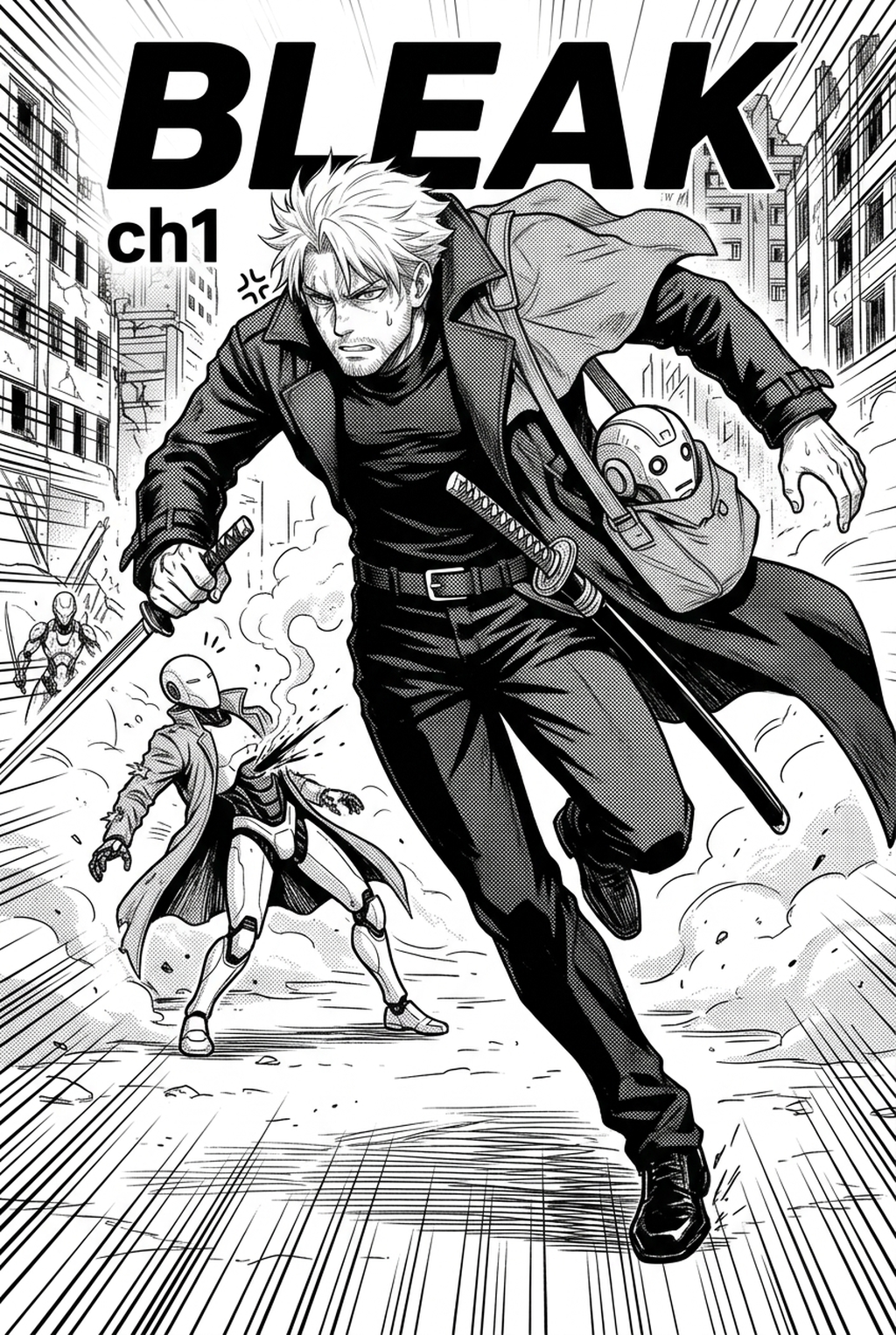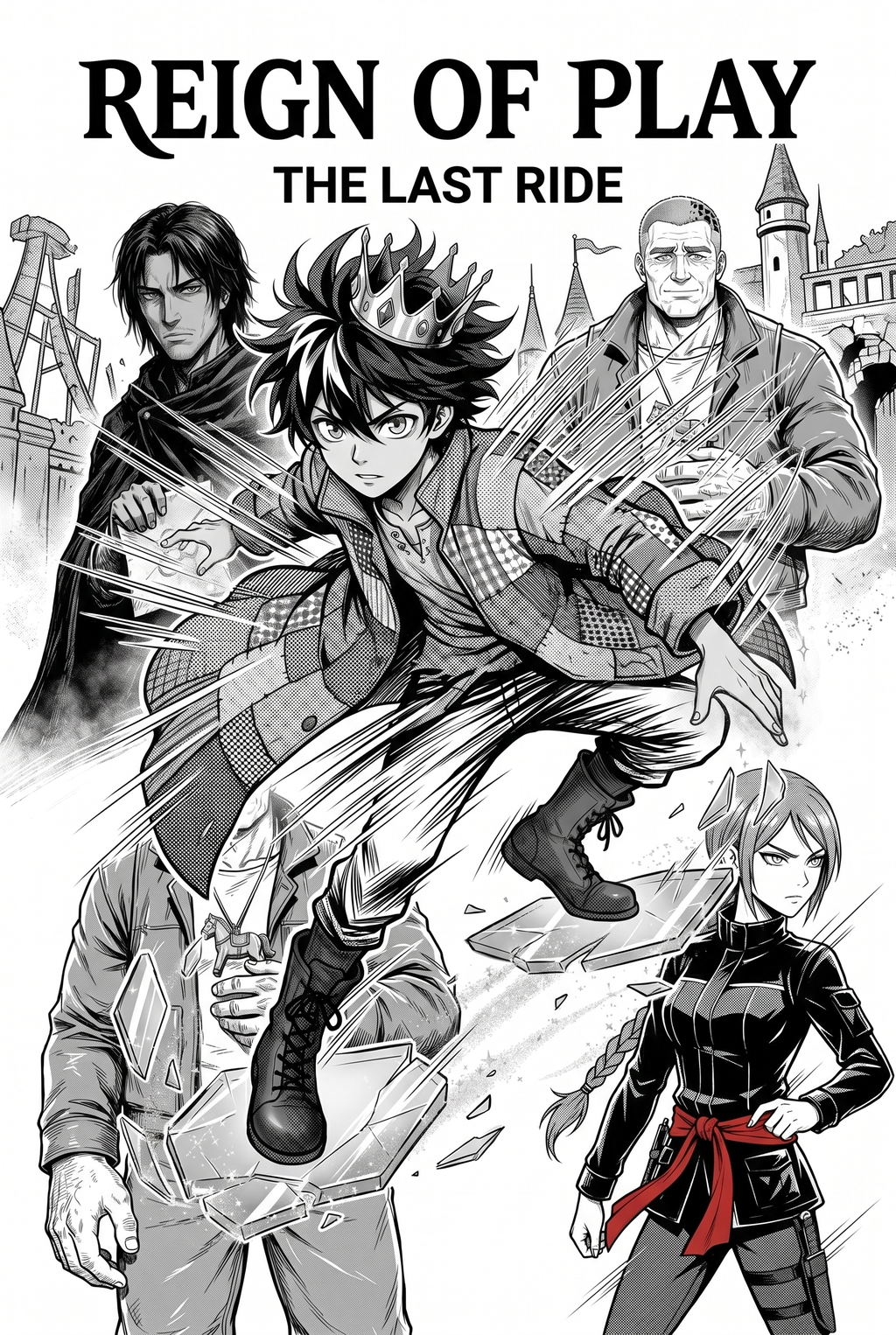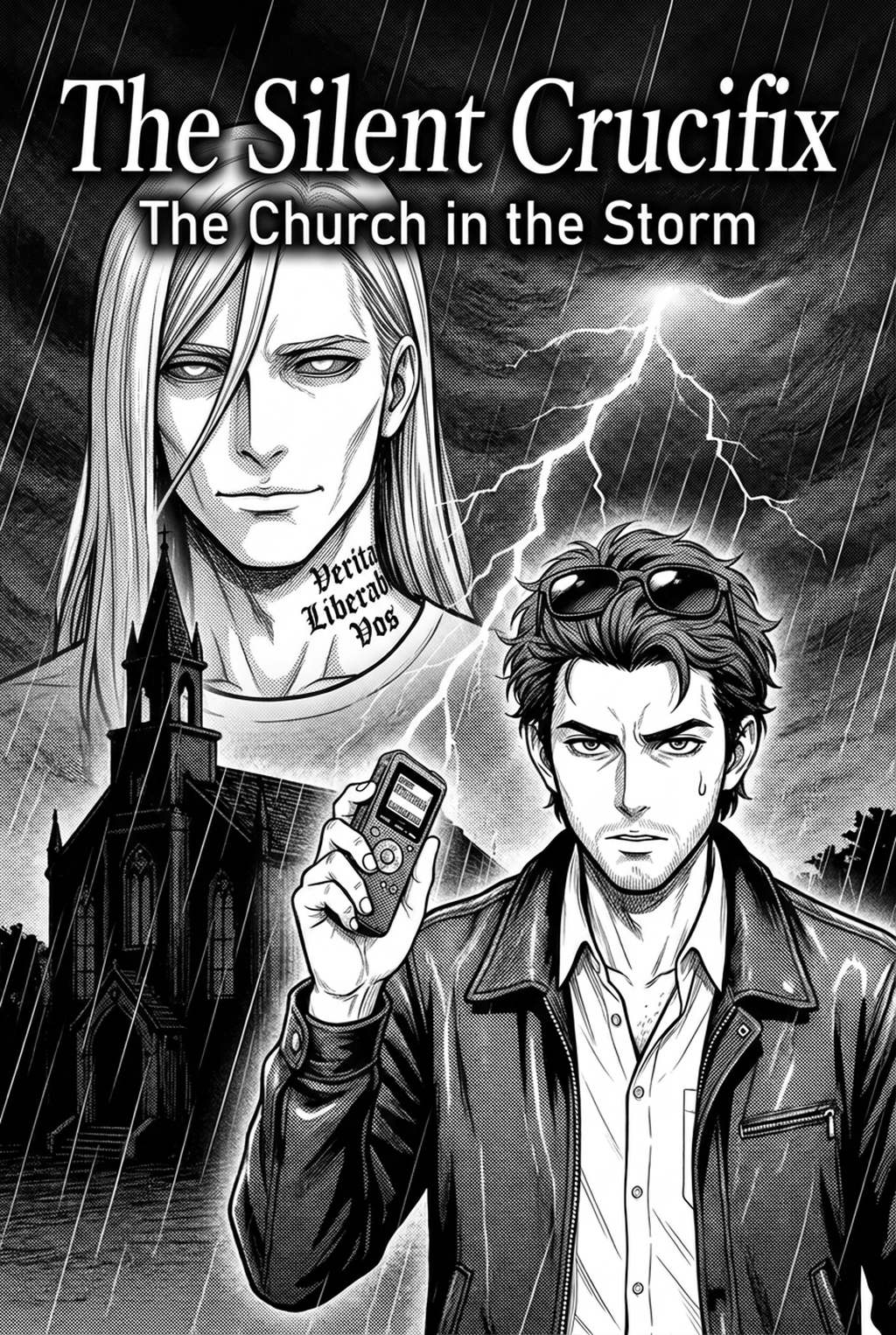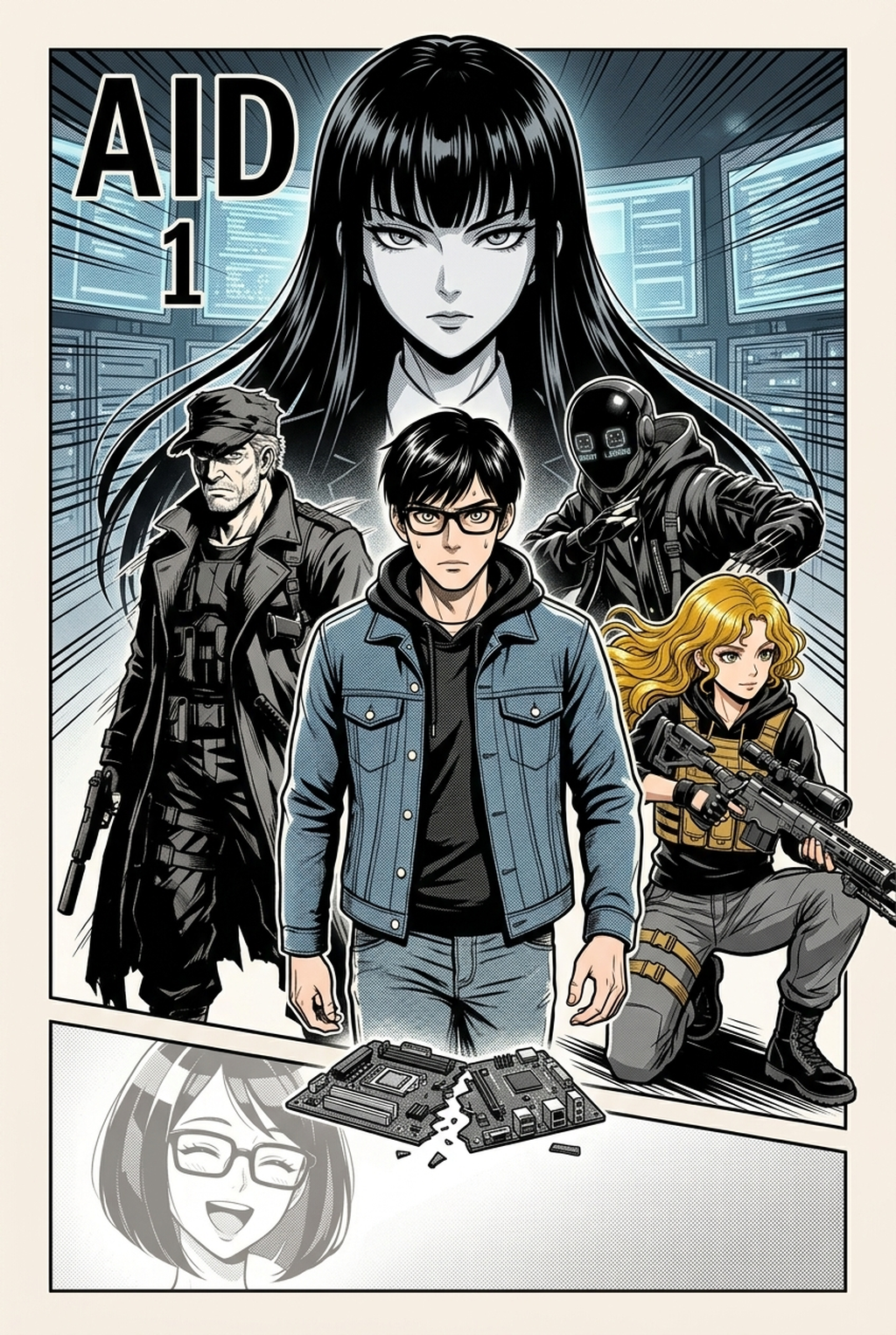
AI Manga Style Transfer Fundamentals
The Crayon Shin-chan style relies on 'super-deformed' (SD) proportions and flat, non-rendered coloring to emphasize slapstick movement within a limited vertical scroll layout. This aesthetic prioritizes high-contrast visual cues that remain legible even when reduced to thumbnail size on a smartphone screen.
At its core, the style demands uniform stroke widths that do not change based on depth or perspective, creating a flat, graphic look. By avoiding complex cross-hatching, you maintain a clean negative space that keeps the reader’s eye fixed on the character's core emotional state rather than the environment.
The iconic aesthetic uses bold, simple eyebrow shapes that function as the primary vehicle for character emotion, requiring no complex shading to convey surprise, anger, or confusion. This geometric constraint actually forces better panel pacing, as you cannot rely on moody lighting to compensate for a weak punchline; the gag must hold its own through pure character posture and expression.
Why AI Manga Style Transfer Matters for Manga Creators
Adopting a minimalist visual language allows indie creators to focus on narrative pacing and gag delivery without being bogged down by hyper-realistic rendering requirements that often lead to burnout. Digital audiences respond positively to this style because the distinct, bold line work ensures that character silhouettes remain distinct across hundreds of panels, preventing the visual clutter that plagues many high-detail webcomics.
Using this style for episodic slice-of-life vertical comic platforms ensures faster production cycles and reduced ink-cost overhead, which is critical when maintaining a weekly release schedule. By eliminating the need for gradient-heavy tones or intricate background detail, you can double your output while maintaining a professional level of character recognition that keeps readers returning to your series.
How Crayon Shin-Chan Art Style Works with Mangaka
Mangaka utilizes specialized AI style transfer to map the geometric constraints of your source sketch into the specific 'Shin-chan-esque' visual vocabulary. By calibrating the tool's internal parameters, you can ensure that your rough character doodles are re-rendered with the precise, flat line weight that defines the genre, effectively automating the most tedious parts of the inking phase. The most successful creators use the 'style-weight' slider to retain their unique gesture-drawing foundations while forcing the AI to output the iconic thick-line rendering associated with this genre.
- Low style-weight: Maintains more of your original pencil-test sketch geometry. * High style-weight: Strongly forces the thick, uniform outline and SD facial features. * Balanced mode: Offers a hybrid approach, ideal for maintaining character likeness while adopting the signature aesthetic.
This Crayon Shin-chan art style approach allows you to experiment with different visual looks for your punchlines before committing to a final, inked panel. If the expression on a character's face feels off, you can simply adjust the weight and re-render without manual re-inking, saving hours of work on a single page of storyboards.
Use Cases for AI Manga Style Transfer
This aesthetic is best suited for 4-koma strips, social media humor posts, and satirical webcomics where the punchline depends on immediate facial recognition. Because the style is so visually distinct, it excels at capturing the absurdity required for viral comedy, allowing the humor to cut through the noise of crowded social feeds.
The model is highly effective for converting low-fidelity pencil-test storyboards into professional, uniform-looking panels, which is a significant breakthrough for small teams. By transforming your rough sketches directly into the target aesthetic, you skip the secondary cleanup phase, allowing for a more rapid transition from the writing phase to the final export.
- Chapter cadence. Use the AI pass for pages where speed matters most, such as repeated action poses, transformation beats, or dense speed-line panels. Keep manual cleanup for hero panels where the line style defines the emotional peak.
- Character continuity. Compare the generated lines against the same model sheet, costume notes, and facial-expression range used during sketching. This prevents a fast inking pass from drifting away from the character identity readers recognize.
- Export readiness. Check whether the final manga output can move into lettering, coloring, or final layout without rebuilding panel borders or speech-bubble space. A good manga workflow should save time while keeping the next production step predictable.
How to Get Started with Mangaka
Begin by navigating to the style-transfer dashboard to upload your rough reference sketches, ensuring that your original pencil strokes provide enough contrast for the engine to identify key features. Once uploaded, you should select the aesthetic parameters that mimic classic 90s gag manga, ensuring that the high-contrast setting is engaged to capture the bold line style required for this look.
Use the 'character-lock' feature to maintain eyebrow and eye shape consistency across multiple panels, ensuring the signature facial expressions remain intact throughout your story beats. This prevents the common problem of 'character drift,' where a protagonist might look like a different person from one panel to the next due to manual inking errors.
Creators should compare the generated line art with the original sketch and confirm that facial expressions, props, speed lines, and speech-bubble space still support the scene. A repeatable review pass should cover character consistency, panel readability, background clarity, and whether the final file is ready for coloring, lettering, or editor feedback. For longer projects, creators should save approved examples of line weight, face detail, clothing folds, and background density. Those references keep later chapters closer to the intended style.
The Bottom Line
Mastering the creator workflow is less about manual drawing precision and more about understanding the power of simplified, expressive line work to drive a narrative punchline. With AI tools like Mangaka, you can lower the barrier to entry, turning rough sketches into professional-grade comedy panels that resonate with modern audiences. By letting the technology handle the technical heavy lifting, you gain the creative freedom to focus on what matters most: your humor. Visit the Crayon Shin-chan art style today to start transforming your storyboards into finished, reader-ready manga panels.
Mastering Deceptively Simple Comedy Manga Styles with Mangaka.app
Yoshito Usui's Crayon Shin-chan proves that simple, exaggerated linework and masterclass comedic timing create timeless manga franchises. Mangaka.app provides the dedicated sequential production engine built specifically for manga and webcomic creators:
- Simplified Geometric Character Proportions: Emulate the iconic potato-head silhouette, expressive eyebrows, and minimalist body proportions that define Shin-chan.
- Rapid Gag Pacing & Panel Rhythm: Structure four-panel or episodic gag spreads that build effortless comedic timing and punchline delivery.
- Clean Bold Inking: Produce uniform, bold brush lines that remain crystal clear on mobile screens and classic newspaper/magazine print.
- Effortless Gag Strip Generation: Rapidly draft slice-of-life comedy scripts into finished printable comic strips with minimal friction.