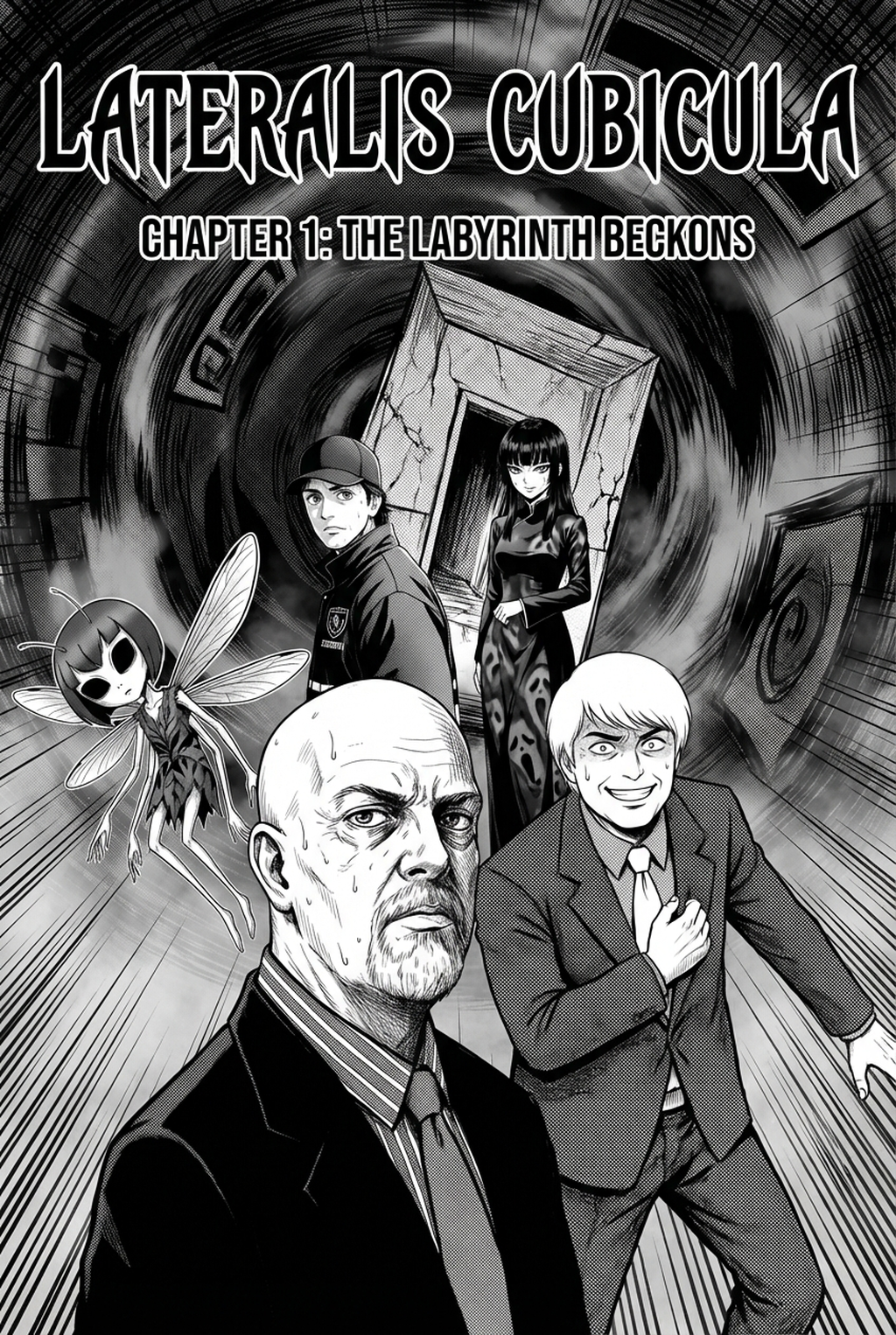
AI Manga Inker for Horror manga helps creators compare generation speed, manual art control, line quality, and Shonen page-readiness before choosing a production workflow. The main tradeoff is fast first-pass page output versus deeper manual control before export.
AI Manga Inker: Cost Factors for AI Manga Inker in Horror
The Anime News Network feature on how manga is made describes manga as staged work from rough draft to finished page. That production context matters for Horror creators because AI assistance is useful only when the sketch, inking pass, and final page review stay connected.
You are likely balancing the need for deep, solid blacks against the reality of page rates and time constraints. Understanding how these tools impact your expenses requires looking at the actual cost of labor versus the cost of digital transformation.
Creative Decisions and Export Quality
Manual inking for a horror scene heavy in cross-hatching or textured shadows can take several hours per panel. If you need to make changes to anatomy or perspective after the initial sketch, the cost of labor compounds.
Workflow Fit and Review Needs
This transition turns a labor-intensive chore into a manageable production step that aligns with standard indie budgets. Keeps genre expectations visible for readers who scan action, character acting, and page rhythm quickly. Shonen inking should therefore preserve panel clarity, not just produce cleaner lines.
How Mangaka Supports AI Manga Inker for Horror Creators
Creators can test Horror manga inking workflow with Mangaka with one rough sketch, one page goal, and one export target before they commit a full chapter. That keeps the product link tied to the real review path instead of a generic call to action.
Mangaka is built to bridge this gap by focusing on high-contrast output. Mangaka excels at interpreting rough strokes into definitive black-and-white art, which directly addresses the "bottleneck" of hand-inking. Because Mangaka is designed specifically for manga, it respects the professional aesthetic needed for print or digital distribution. Rather than paying for complex, general-purpose software, you get a focused tool that fits the rhythm of a comic artist, keeping your costs predictable and your output consistent across dozens of pages.
Comparing Free vs Paid Manga AI Tools
You are likely wondering if a free web-based model can truly capture the gritty, high-contrast look that defines successful horror titles. While free tools are accessible, they often lack the specialized tuning required for the specific line weight dynamics found in the manga industry.
Reader Impact Before Publishing
Free tools often struggle with consistent line consistency across a full page, which can be catastrophic for the reader’s immersion. If your horror project requires high-contrast environments and consistent character silhouettes, you will find that free tools often require massive amounts of manual cleanup, effectively negating any speed gains.
Quality Checks Before Export
| Feature | Free AI Tools | Mangaka (Professional) |
|---|---|---|
| Line Weight Precision | Often inconsistent | Optimized for manga |
| Shadow/Ink Depth | Variable contrast | Deep, high-contrast black |
| Workflow Integration | Manual re-work needed | Ready for immediate use |
| Consistent Style | Risk of "drifting" | Uniform look across pages |
For this criterion, check character consistency, panel readability, line quality, and export readiness before publishing. Creators should also record why the page passed review, which panel details still need manual cleanup, and which export format the next collaborator will use. That makes the subsection useful instead of leaving a short checklist under a large heading.
Hidden Costs to Watch for
You might be surprised by how much "invisible" cost creeps into a project through poor-quality automation. When an AI tool fails to capture the intent of your sketch, you end up paying for it twice: once for the subscription or time spent using the tool, and again when you have to fix the lines by hand.
Reader Impact Before Publishing for Hidden Costs to Watch for
Creative Decisions and Export Quality for Hidden Costs to Watch for
Before committing to any tool for a long-form series, perform a "stress test" on a particularly dark, high-contrast panel. Ensure the exported lines are crisp enough for professional print requirements—referencing Wacom's guide on digital comic production can help you set the right technical expectations for your final files.
Budget Checklist for Horror Creators
You should evaluate every tool through the lens of your total page output. A cost-effective tool is one that allows you to hit your publication frequency without sacrificing quality.
Creative Brief and Generation Quality
- Audit your current speed: Track how long it takes to ink one page by hand. * Set a target: Aim to reduce this by 50% using AI assistance. * Iterate early: Always sketch your horror panels loosely to check pacing before finalizing your lines with an AI.
Refine Output Before Export Review
- Fixed costs: Calculate the cost per page based on your monthly subscription. * Maintenance: Ensure the tool allows for easy export into your preferred drawing software (Clip Studio Paint or Photoshop). * Workflow integration: Confirm the tool handles high-contrast, black-and-white files properly without pixelation.
Release cadence belongs in the production context for manga tools. For creators, the useful product question is whether pages stay readable when schedule pressure rises.
- Reader expectations. MyAnimeList manga news keeps genre expectations visible for readers who scan action, character acting, and page rhythm quickly. Shonen inking should preserve panel clarity, not just cleaner lines.
- Drawing practice. Wacom's comic and manga creation guide ties tool choice to brush control, cleanup effort, and export readiness. That keeps review grounded in creator workflow.
The Bottom Line
A useful inking pass keeps the story goal, visual style, and review step clear before export. AI Manga Inker gives creators a faster first pass without removing the final human review. Creators can use each revision decision to clarify panel readability, character consistency, and export quality before publishing or sharing. ) when you are ready to turn the reviewed idea into finished manga pages.